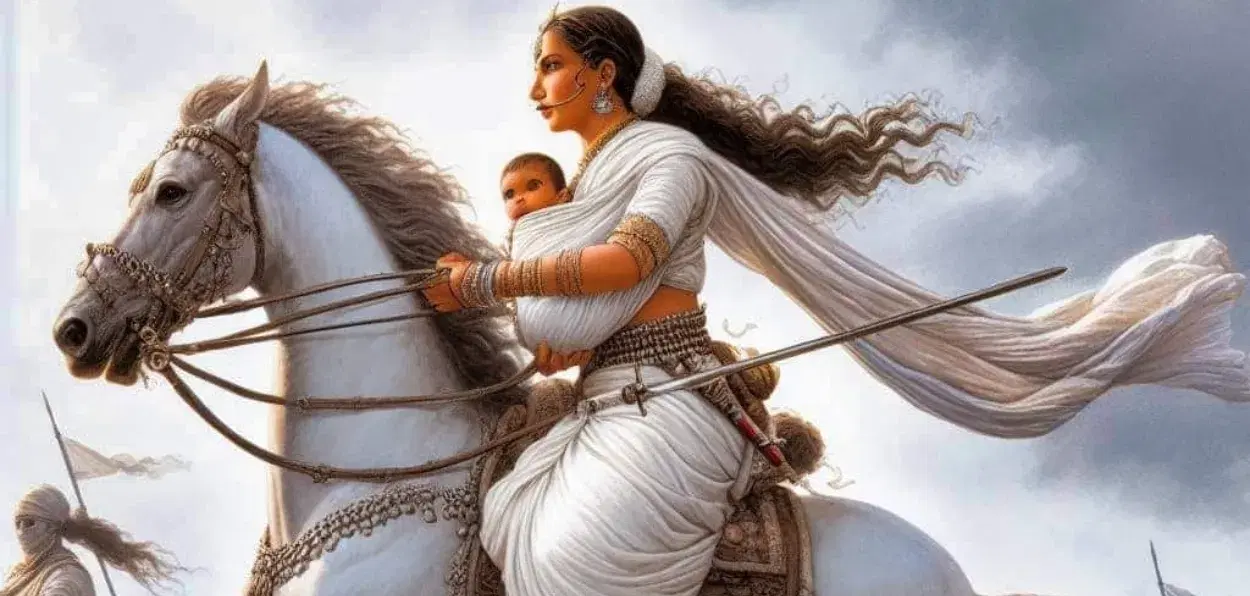
Rani Lakshmibai, popularly known as the Queen of Jhansi, was one of the most courageous women in Indian history. She became a symbol of bravery, patriotism and resistance during the Indian Rebellion of 1857. At a time when women had limited opportunities to participate in public life, she emerged as a fearless military leader who challenged British rule.
Her determination to protect Jhansi, her leadership during the rebellion and her sacrifice at a young age made her an unforgettable figure in India's freedom struggle. Even today, her story inspires generations to stand against injustice and fight for their rights.
In this article, we explore Rani Lakshmibai's biography, childhood, marriage, major battles, role in the Revolt of 1857 and the legacy she left behind.
Who Was Rani Lakshmibai?
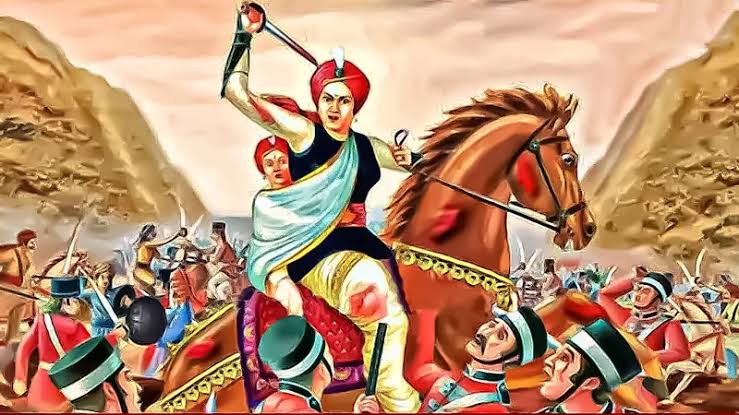
Rani Lakshmibai was the queen of the princely state of Jhansi in northern India. She was born on 19 November 1828 in Varanasi, then known as Kashi. Her childhood name was Manikarnika Tambe, and she was affectionately called Manu.
She became widely known for her resistance against the British East India Company during the uprising of 1857. Unlike many rulers who surrendered their territories, Lakshmibai organised resistance and personally took part in military operations.
Her courage during the struggle made her one of the most recognised figures of India's early resistance against British colonial rule.
Early Life and Childhood of Rani Lakshmibai
Rani Lakshmibai was born into a Marathi Karhade Brahmin family. Her father, Moropant Tambe, worked in the court of the Peshwa of Bithoor, while her mother, Bhagirathi Bai, passed away when she was still young.
After her mother's death, Manikarnika grew up under her father's care in Bithoor, near Kanpur.
Her childhood was different from that of many girls of her time. Instead of receiving only traditional education, she learned horse riding, sword fighting, archery and other physical skills.
She was also associated with the Peshwa's household, where she grew up alongside children who later became important figures in the events of 1857.
These early experiences helped develop the confidence and physical skills that would later become important during her military leadership.
Marriage and Becoming the Queen of Jhansi
In 1842, Manikarnika married Maharaja Gangadhar Rao Newalkar, the ruler of Jhansi. After her marriage, she received the name Lakshmibai.
She became the queen of Jhansi and began participating in the responsibilities of royal life.
In 1851, the couple welcomed a son, but unfortunately, the child died in infancy. Later, they adopted a boy named Damodar Rao in 1853.
However, the adoption became a major political issue after Maharaja Gangadhar Rao's death in November 1853. The British East India Company refused to recognise Damodar Rao as the legitimate heir to the throne under its Doctrine of Lapse.
This decision changed the course of Lakshmibai's life and brought her into direct conflict with British authorities.
Why Did the British Take Over Jhansi?
The British takeover of Jhansi was connected to a policy known as the Doctrine of Lapse, introduced under Governor-General Lord Dalhousie.
According to this policy, the British East India Company could annex certain princely states if their rulers died without a recognised natural male heir. Adopted sons were not automatically accepted as successors under this policy.
When Maharaja Gangadhar Rao died in 1853, the British refused to recognise Damodar Rao as the rightful successor. In 1854, Jhansi was annexed by the British.
Lakshmibai strongly opposed this decision. She submitted petitions and tried to protect her adopted son's inheritance, but the British authorities rejected her appeals.
Her dispute with the British eventually became one of the important political issues behind her resistance.
Rani Lakshmibai's Role in the Revolt of 1857
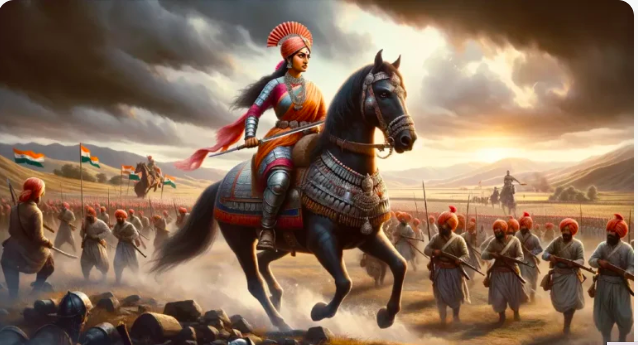
The Revolt of 1857 began as a rebellion among Indian soldiers against the British East India Company and soon spread across several parts of northern and central India.
Jhansi also became involved in the uprising when soldiers rebelled against British officers in June 1857.
Following the departure of the British authorities, Lakshmibai took responsibility for maintaining order and administering the region. She organised military forces, strengthened the security of Jhansi and prepared to defend her kingdom.
Her role during the uprising was not limited to protecting the royal throne. She became one of the most prominent leaders resisting British expansion.
Historians have debated her exact involvement in the initial killings of British residents at Jhansi. It is important to distinguish those disputed events from her clearly documented military resistance against British forces in 1858.
Major Battles Fought by Rani Lakshmibai
Rani Lakshmibai became famous for her military leadership during the final stages of the Revolt of 1857. Three major episodes highlight her courage and determination.
1. The Battle and Siege of Jhansi (1858)
In March 1858, British forces under General Sir Hugh Rose attacked Jhansi.
Lakshmibai organised the defence of the fort and led her soldiers against the advancing British army. Her forces resisted the attack for several days despite facing a well-equipped enemy.
Tatya Tope also attempted to help Jhansi by bringing a relief force, but the British defeated his army.
As the situation became increasingly difficult, Lakshmibai escaped from the fort and continued her struggle from Kalpi.
2. The Battle of Kalpi (1858)
After leaving Jhansi, Lakshmibai reached Kalpi, where she joined other important leaders of the rebellion, including Tatya Tope and Rao Sahib.
Together, they organised resistance against British forces.
However, the rebel army was defeated at Kalpi in May 1858. Despite this setback, Lakshmibai did not surrender.
She and her fellow leaders decided to move towards Gwalior and continue their fight against British rule.
3. The Battle of Gwalior (1858)
The events at Gwalior became the final major chapter of Lakshmibai's military struggle.
In June 1858, Lakshmibai and other rebel leaders captured Gwalior from the forces of Maharaja Jayajirao Scindia, who supported the British.
The British army soon launched a counterattack to regain control of the city.
Lakshmibai fought near Kotah-ki-Serai, outside Gwalior, where she was killed on 18 June 1858.
Her death marked the end of the journey of one of the most courageous leaders of the 1857 uprising.
How Did Rani Lakshmibai Die?
Rani Lakshmibai died on 18 June 1858 while fighting British forces near Kotah-ki-Serai in Gwalior.
She was approximately 29 years old at the time of her death. Historical accounts differ on the precise circumstances of her final moments, but they agree that she died during the fighting.
According to accounts of the battle, her companions arranged for her cremation so that her body would not fall into British hands.
Her sacrifice became an important part of India's historical memory. Rather than surrendering to the British, she continued fighting until the end.
Rani Lakshmibai's Legacy and Contribution to Indian History
Rani Lakshmibai's contribution to Indian history goes beyond her role in the Revolt of 1857. She became a powerful symbol of women's courage, leadership and resistance against colonial rule.
Some important aspects of her legacy include:
The Legacy of Rani Lakshmibai
Her courage, leadership and sacrifice continue to inspire generations.
Symbol of Courage
Her resistance against a powerful colonial army made her an enduring symbol of bravery and determination.
Women's Leadership
She challenged traditional expectations by taking an active role in military and political affairs.
Inspiration for Freedom Fighters
Her fearless struggle inspired later generations who participated in India's independence movement.
Literary Legacy
Poet Subhadra Kumari Chauhan immortalised her story through the famous Hindi poem Jhansi Ki Rani.
Military Recognition
Subhas Chandra Bose's Indian National Army named its women's military unit the Rani of Jhansi Regiment in her honour.
Her story continues to be remembered through books, films, historical monuments, educational programmes and cultural celebrations.
10 Interesting Facts About Rani Lakshmibai
Here are ten interesting facts about the Queen of Jhansi that help us understand her life beyond the familiar stories.
Her Childhood Name Was Manikarnika: She was named after Manikarnika Ghat in Varanasi and was affectionately called Manu.
She Was Trained in Martial Skills: Her childhood training included horse riding, sword fighting and shooting.
She Married at a Young Age: She married Maharaja Gangadhar Rao Newalkar in 1842.
Her Adopted Son Became a Political Issue: The British refusal to recognise Damodar Rao as the heir led to the annexation of Jhansi.
She Was an Administrator: Apart from military leadership, she also managed the administration of Jhansi during a difficult period.
She Worked With Tatya Tope: The two leaders joined forces during the later stages of the 1857 uprising.
Jhansi Was Not Her Final Battlefield: After escaping Jhansi, she continued fighting at Kalpi and Gwalior.
She Died Near Gwalior: Her final battle took place near Kotah-ki-Serai on 18 June 1858.
Her Story Inspired a Famous Poem: Subhadra Kumari Chauhan's Jhansi Ki Rani helped make her story popular across India.
A Women's Regiment Was Named After Her: The Rani of Jhansi Regiment of the Indian National Army honoured her courage and leadership.
Why Is Rani Lakshmibai Still Remembered Today?
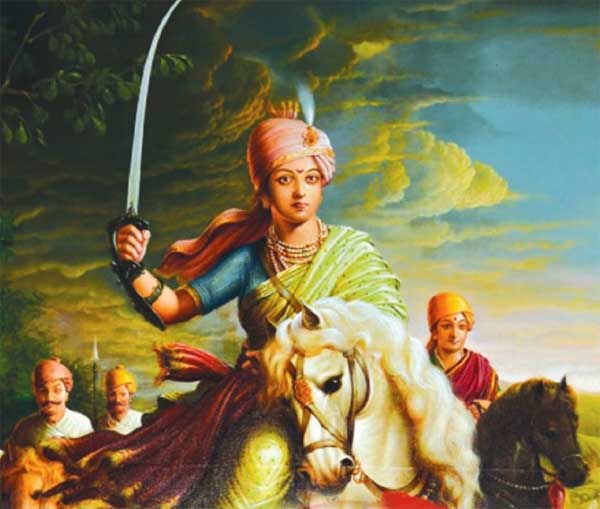
Rani Lakshmibai is remembered because her life represents much more than a historical battle. She challenged the political authority of the British East India Company at a time when resisting colonial expansion required extraordinary courage.
Her story also changed how generations viewed women's participation in leadership, administration and warfare.
Even though the Revolt of 1857 did not end British rule, Lakshmibai's resistance became an important chapter in the history of India's struggle against colonialism.
Her courage continues to inspire people to stand up for justice, defend their rights and face difficult situations with determination.
Conclusion
Rani Lakshmibai's biography is a story of courage, leadership and determination. From her childhood as Manikarnika to becoming the Queen of Jhansi, she demonstrated that bravery is not determined by gender or position.Her fight against British rule during the Revolt of 1857 remains one of the most memorable chapters in Indian history. Although she lost her life on the battlefield, her courage ensured that her name would never be forgotten.Rani Lakshmibai continues to inspire generations as one of India's most fearless historical figures.
FAQ'S
Rani Lakshmibai was born on 19 November 1828 in Varanasi, India. Her childhood name was Manikarnika Tambe.
She was married to Maharaja Gangadhar Rao Newalkar, the ruler of Jhansi, in 1842.
She opposed the British annexation of Jhansi under the Doctrine of Lapse, which refused to recognise her adopted son Damodar Rao as the rightful heir.
She died on 18 June 1858 while fighting British forces near Kotah-ki-Serai in Gwalior.
The famous Hindi poem Jhansi Ki Rani was written by Subhadra Kumari Chauhan.
Sources and notes
Links the author listed for this post.
Historical information cross-checked with the Government of India's Dictionary of Martyrs, Oxford Dictionary of National Biography and historical research on the Revolt of 1857.


Discussion
0 comments
No comments yet
Discussion will appear here once it loads.