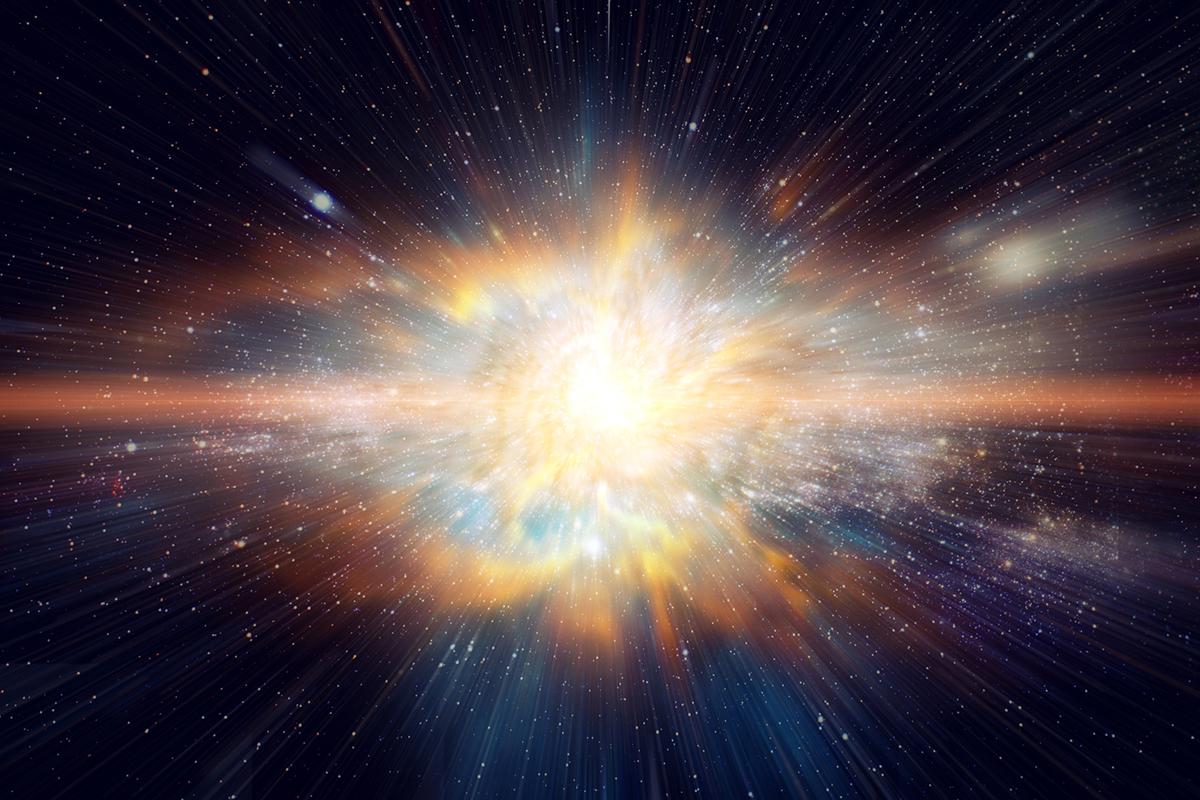
Step outside on a clear night, away from city lights, and look up. Those tiny, steady pinpricks of light look remarkably peaceful—almost frozen in time. It is easy to assume they just sit there, quietly glowing forever.
In reality, every single star you see is a massive, raging nuclear reactor. Deep inside its core, unimaginable amounts of gas are being crushed and fused together every second, generating the heat and light that travel across space to reach your eyes.
But like anything that burns fuel, stars eventually run out. While smaller stars fade away quietly, massive stars go out in one of the most violent, breathtaking events the universe has to offer: a supernova.
If you have ever wondered how a star dies, what actually happens during the explosion, and why that chaos is the very reason you exist today, let’s break down the fascinating story of supernovae.
What Exactly Is a Supernova?
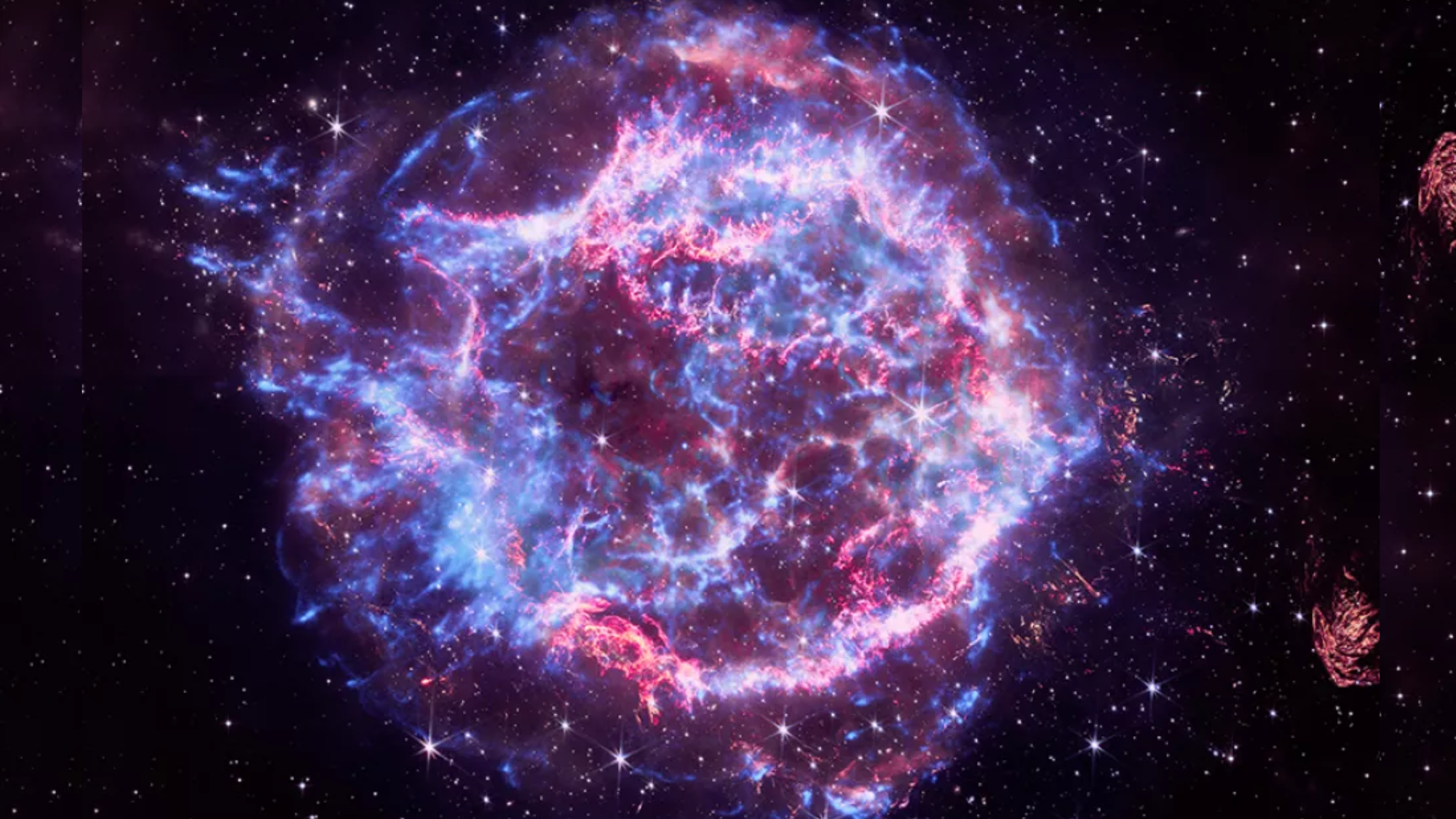
At its simplest, a supernova is the colossal explosion of a star at the end of its life cycle.
To put the scale of this event into perspective, a single exploding star can briefly shine brighter than an entire galaxy containing hundreds of billions of other stars. If a supernova went off in our own cosmic neighborhood—say, within a few dozen light-years—it would be visible in broad daylight from Earth and light up the night sky like a second moon.
Fortunately, supernovae in our own Milky Way galaxy are relatively rare, happening roughly once or twice every century (though thick clouds of space dust often block our view of them). Because they are so dazzlingly bright, however, astronomers spot hundreds of them every year in distant galaxies across the universe.
The most remarkable thing about a supernova isn't just the destruction—it is the aftermath. Far from being a cosmic dead end, a supernova acts like a giant recycling engine, scattering the raw ingredients for future stars, rocky planets, and living organisms out into space.
Why Do Stars Explode in the First Place?
To understand why a star blows apart, you have to understand the lifelong tug-of-war happening inside it.
Every star is caught between two massive, opposing forces:
Gravity is constantly trying to crush the star inward toward its center.
Nuclear fusion in the star’s core creates intense heat and outward pressure, pushing back against gravity.
For millions or even billions of years, these two forces stay in a delicate, balanced standoff. The star maintains its round shape and shines steadily because its core is busy fusing hydrogen atoms into helium, releasing massive amounts of energy in the process.
However, when a star that is at least eight times more massive than our Sun runs out of hydrogen, things start to escalate. Gravity squeezes the core tighter, raising the temperature so high that the star begins fusing helium into carbon. Once the helium runs out, it fuses carbon into neon, then oxygen, then silicon. Inside the dying star, layers of different elements build up like the rings of an onion.
Eventually, the core turns into iron—and that is where the star hits a cosmic brick wall.
Fusing lighter elements releases energy, which keeps the star inflated. Fusing iron, however, absorbs energy instead of producing it. The moment the star's core becomes packed with iron, the outward nuclear engine shuts off completely. With nothing left to push back, gravity wins in a fraction of a second.
Step-by-Step: What Happens During a Supernova Explosion?
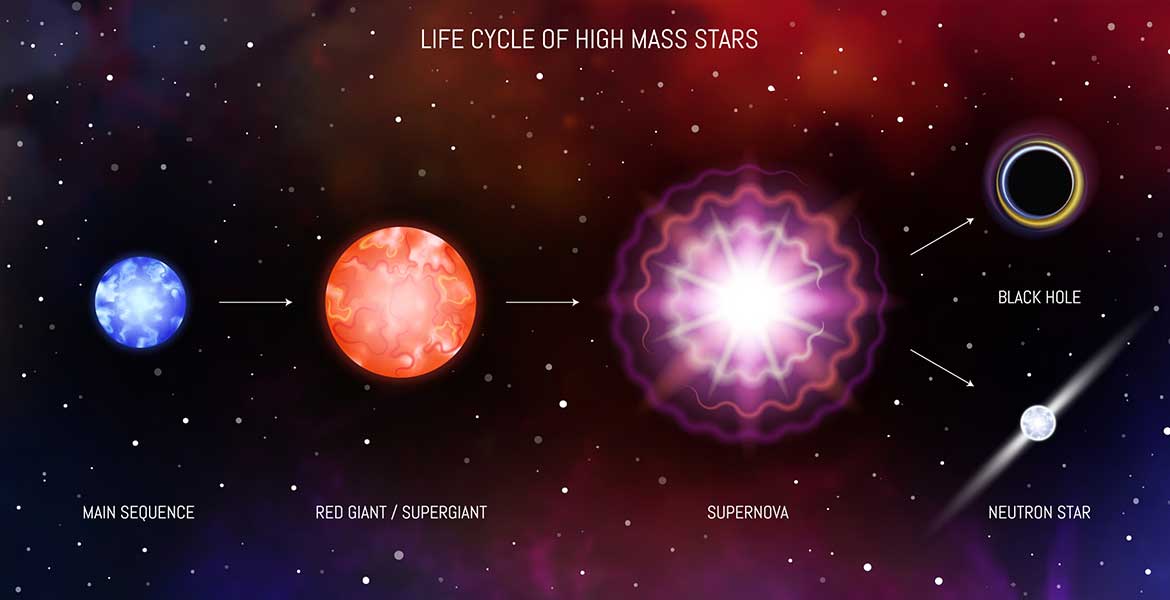
A core-collapse supernova happens faster than you can blink, even though its aftermath lasts for tens of thousands of years. Here is how the drama unfolds:
1. The Star Swells and Runs Out of Fuel
Before the final collapse, the dying massive star bloats into a red supergiant. Betelgeuse, the bright reddish star in the shoulder of the constellation Orion, is a famous example of a star in this late, unstable stage. Inside, the core has run out of usable fuel, and internal pressure drops precipitously.
2. The Core Collapses at Incredible Speed
Once the iron core gives way, the star’s outer layers come crashing inward. The collapse happens at roughly 25% of the speed of light—around 45,000 miles per second. In less than a quarter of a second, a core roughly the size of Earth is crushed down into a ball just 12 miles wide.
3. A Shockwave Rebounds Outward
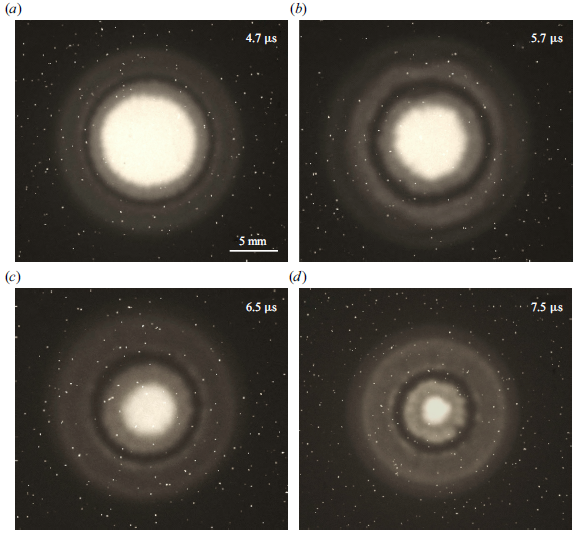
The crushed core becomes so unimaginably dense that it suddenly stiffens, acting like a solid brick wall. The incoming material slams into this ultra-dense core and bounces back outward, creating a titanic shockwave. Supercharged by a flood of ghostly subatomic particles called neutrinos, this shockwave rips through the star's outer layers, heating them to billions of degrees.
4. The Star Blasts Apart
The shockwave blows the star’s outer gas layers out into space at tens of millions of miles per hour. During this moment, the explosion unleashes more energy in a few seconds than our Sun will produce over its entire 10-billion-year lifetime. This blinding flash of light, X-rays, and radiation is what telescopes on Earth detect as a new supernova.
5. A Glowing Remnant Expands Into Space
Over the centuries that follow, the blasted-out guts of the star keep rushing outward, slamming into surrounding interstellar gas. This creates a glowing, tangled cloud of superheated gas and dust known as a supernova remnant, which can span dozens of light-years and remain visible for thousands of years.
The Two Main Types of Supernovae
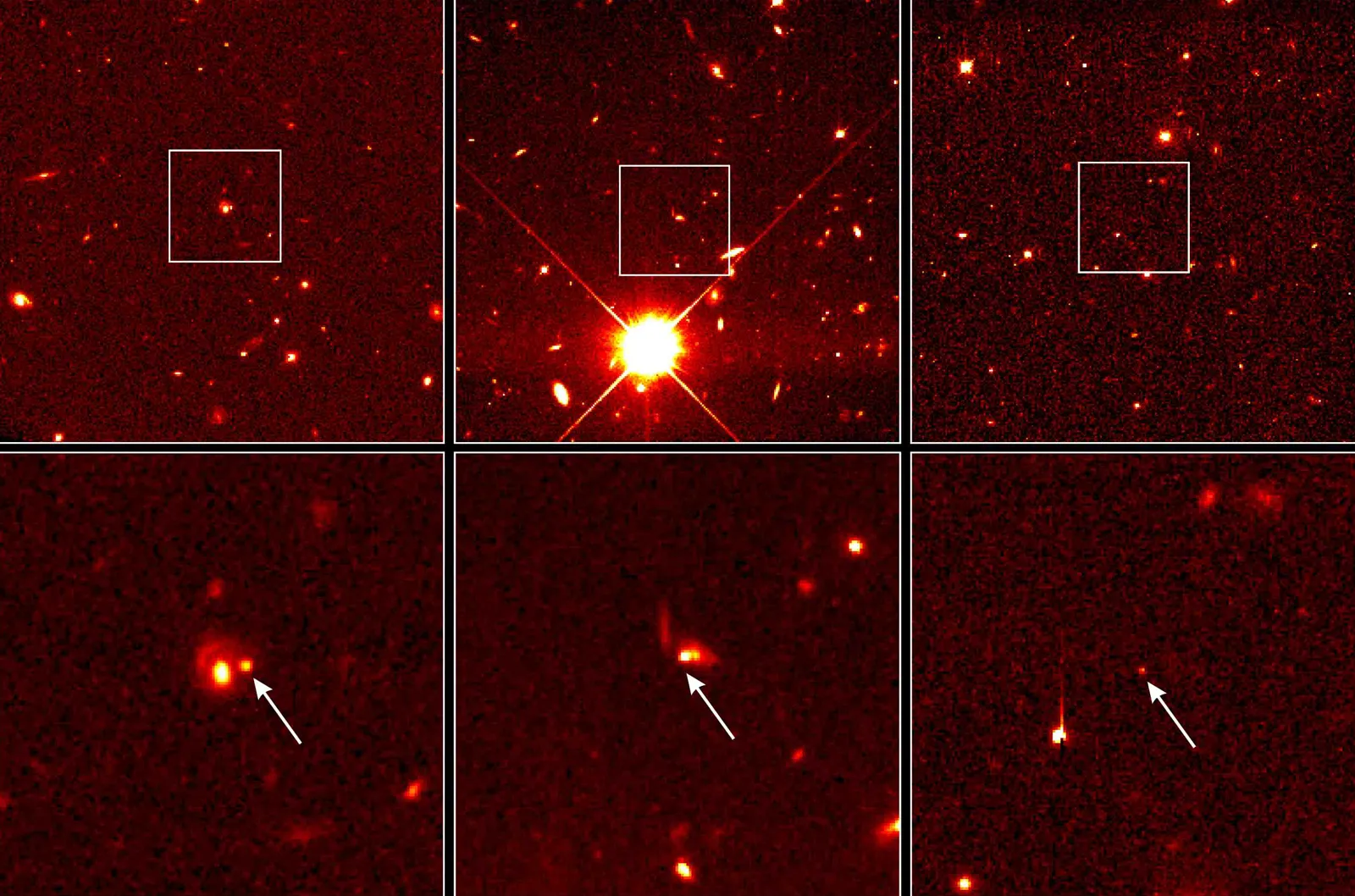
Not every supernova happens because a massive star runs out of fuel. Astronomers divide these explosions into two main categories based on what triggers them:
Feature | Core-Collapse Supernova (Types II, Ib, Ic) | Thermonuclear Supernova (Type Ia) |
Type of Star | A single massive star (8+ times the Sun's mass) | A white dwarf in a two-star (binary) system |
What Triggers It | The iron core runs out of fuel and collapses | The white dwarf steals too much gas from its partner |
What Happens to the Core | Leaves behind a neutron star or black hole | Completely destroyed—nothing is left behind |
Why Scientists Love Them | Shows how massive stars die and make heavy elements | Acts as a "standard candle" to measure cosmic distances |
Core-Collapse Supernovae
This is the classic massive-star death described above. Depending on how much of its outer hydrogen and helium gas the star lost before exploding, astronomers sub-classify these into Type II (which still have hydrogen) or Types Ib and Ic (which shed their outer layers early).
Type Ia Supernovae (The Cosmic Measuring Sticks)
A Type Ia supernova involves a completely different kind of star: a white dwarf, which is the small, dense, burned-out ember left behind by a Sun-like star.
On its own, a white dwarf just cools down quietly. But if it orbits close to a companion star, its gravity can siphon gas off its neighbor like a cosmic vampire. Once the white dwarf piles on enough stolen mass to hit a strict limit—about 1.4 times the mass of our Sun, known as the Chandrasekhar limit—the pressure inside triggers a runaway nuclear explosion that blows the entire white dwarf to smithereens.
Because every Type Ia supernova explodes at almost the exact same mass, they all shine with roughly the same true brightness. Astronomers use them as "standard candles"—much like knowing the exact wattage of a distant lightbulb—to calculate how far away distant galaxies are and how fast the universe is expanding.
What Is Left Behind After the Explosion?

Once the dust settles, the original star is gone forever. However, in a core-collapse supernova, the crushed heart of the star survives in one of two exotic forms:
A Neutron Star: If the remaining core is between roughly 1.4 and 3 times the mass of our Sun, gravity crushes protons and electrons together until they merge into neutrons. The result is an object the size of a city (about 12 miles across) that packs more mass than our entire Sun. A single teaspoon of neutron star material would weigh about a billion tons on Earth. Some spin hundreds of times per second and sweep beams of radio waves across space like cosmic lighthouses—we call these pulsars.
A Black Hole: If the leftover core is heavier than roughly three solar masses, not even densely packed neutrons can hold back gravity. The core keeps collapsing infinitely until it punches a hole in the fabric of space-time, creating a stellar-mass black hole—an object whose gravity is so intense that not even light can escape it.
You Are Literally Made of Stardust
Here is the part of supernova science that tends to give people goosebumps: you could not exist without them.
Right after the Big Bang, the early universe contained almost nothing except hydrogen and helium. There was no carbon for DNA, no oxygen to breathe, no calcium for bones, and no iron to carry oxygen in your blood.
Stars spent billions of years cooking up lighter elements like carbon, nitrogen, and oxygen in their cores. When massive stars exploded as supernovae, the extreme heat and pressure of the blast forged even heavier elements—like gold, silver, zinc, and uranium—and flung all of those atoms across space.
Over millions of years, those enriched clouds of stardust clumped together under gravity to form new stars, new planets, and eventually Earth. Every time you take a breath or look at your hands, you are looking at atoms forged inside ancient stars that died long before our solar system was born.
Will Our Sun Ever Go Supernova?
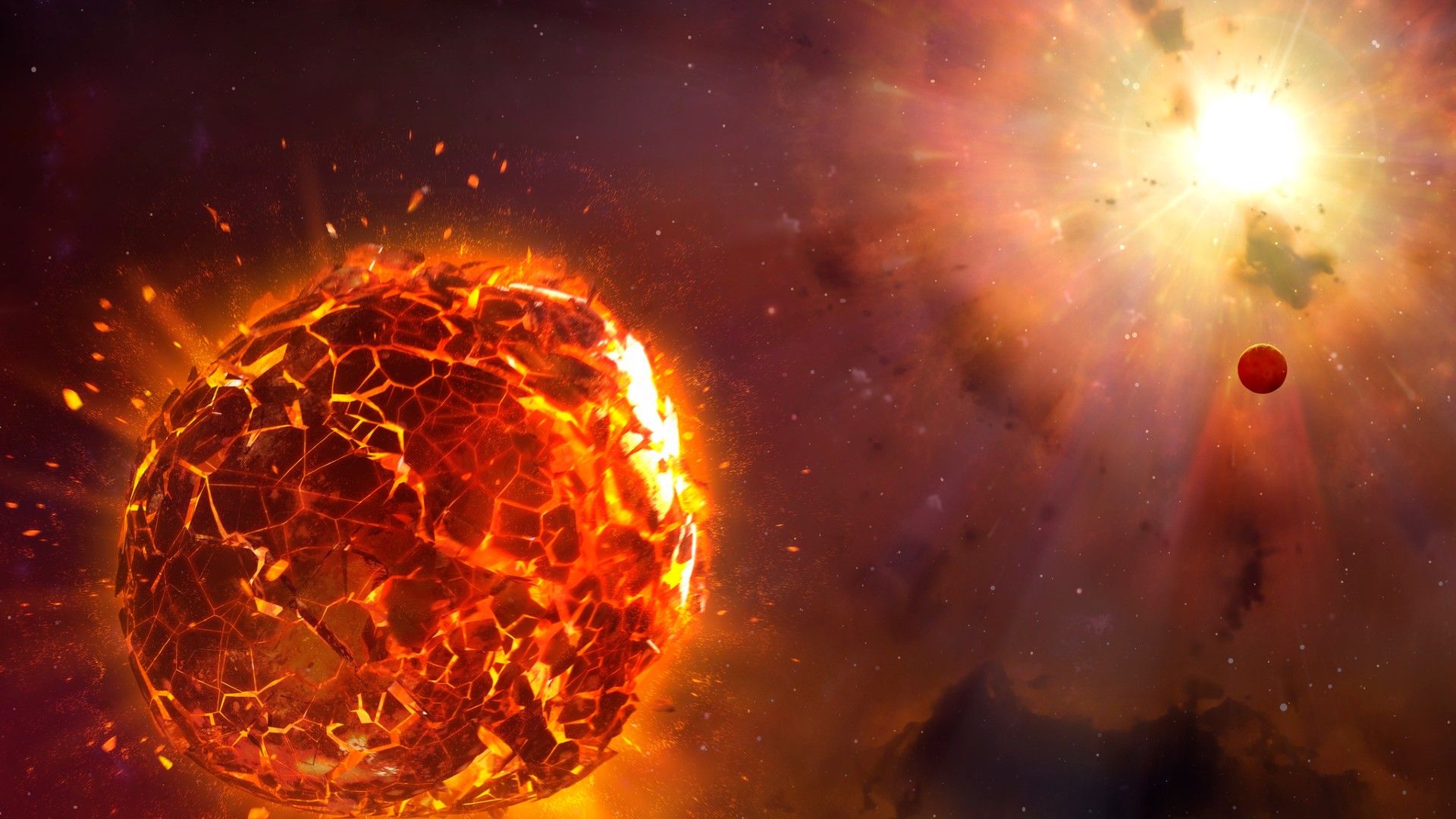
If you are worrying about our Sun suddenly blowing up, you can breathe easy: it simply isn't big enough.
Our Sun is an average, middle-weight star. It has only about one-eighth of the mass required to trigger a core-collapse supernova, and it does not have a companion star feeding it extra gas for a Type Ia explosion.
Instead, in about 5 billion years, our Sun will run out of hydrogen in its core and swell into a red giant, growing large enough to swallow Mercury and Venus (and likely scorch Earth to a cinder). Eventually, it will gently puff its outer gas layers away into space, creating a glowing shell called a planetary nebula, while its core settles down as a quiet, Earth-sized white dwarf.
Famous Supernovae You Can Still Study Today
Even though supernovae happen light-years away, humans have been witnessing and recording them for centuries:
The Crab Nebula (SN 1054): In July of the year 1054, Chinese astronomers recorded a "guest star" so bright it could be seen during the daytime for three weeks. Today, pointing a backyard telescope at that spot in the constellation Taurus reveals the Crab Nebula—an expanding web of glowing gas with a rapidly spinning pulsar at its heart.
Tycho’s Supernova (SN 1572): Spotted in 1572 by the famous Danish astronomer Tycho Brahe, this Type Ia supernova proved to Renaissance scientists that the heavens weren't fixed and unchanging, challenging centuries of old philosophical beliefs.
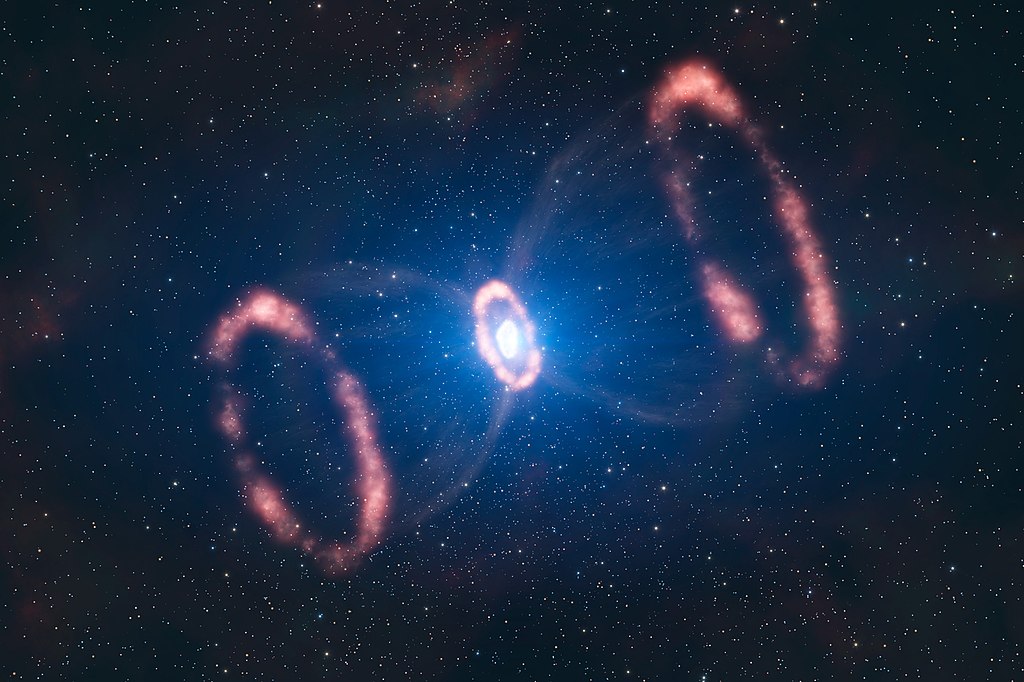
Supernova 1987A: Discovered in February 1987 in a nearby satellite galaxy called the Large Magellanic Cloud, SN 1987A was the closest supernova observed since the invention of the telescope. It allowed modern astronomers to watch a star's death and its expanding shockwave evolve in real time over the past four decades.
Why Studying Supernovae Matters
Today, automated sky surveys and space observatories—like NASA's James Webb Space Telescope, Hubble, and the Chandra X-ray Observatory—watch supernovae across multiple wavelengths of light, from invisible X-rays to infrared heat.
By studying these stellar explosions, scientists aren't just satisfying curiosity about exploding stars. They are mapping out how galaxies grow, measuring the mysterious dark energy accelerating the expansion of our universe, and tracing the exact cosmic recipe that turned simple hydrogen gas into a living, breathing planet.
A supernova may look like the ultimate act of cosmic destruction, yet in the grand story of the universe, it is really just a spectacular new beginning.
A supernova is the massive, bright explosion that happens when a giant star runs out of fuel and dies.
No, our Sun is far too small to go supernova and will instead fade away quietly as a white dwarf in about 5 billion years.
Depending on the star's original size, the explosion leaves behind either a super-dense neutron star or a black hole.
They scatter essential elements like oxygen, iron, and calcium into space, which later form new planets and living things.
In our Milky Way galaxy, a supernova happens roughly once or twice every hundred years.
Sources and notes
Links the author listed for this post.
Based on scientific research and astronomy information from NASA and other trusted space science resources. The article explains the science behind supernovae, their different types, and their role in creating elements and transforming galaxies.
More on AltFTool
- AltFTool (opens in a new tab)
altftool.com


Discussion
0 comments
No comments yet
Discussion will appear here once it loads.