Have you ever wanted to pick up a new skill—maybe graphic design, Python coding, or digital marketing—only to get stuck trying to find a local class that fits your schedule and budget? Traditional classrooms often come with high fees, rigid timings, and long commutes. If you are looking for flexible ways to learn from home, Explore Udemy's online courses to discover practical lessons in programming, graphic design, digital marketing, business, and many other subjects. These courses make it easier to find learning opportunities that match your interests, experience level, and personal schedule.
Online learning has changed that completely. Today, you can learn almost anything from your living room, during your lunch break, or late at night after work. Among the many platforms available, Udemy remains one of the most popular places for self-paced, practical education.
Whether you are a college student looking to build your resume, a working professional aiming for a promotion, or someone who simply wants to learn guitar on the weekends, Udemy offers thousands of courses under one roof. However, because it operates as an open marketplace rather than a traditional university, the experience can vary wildly from one course to the next.
In this complete 2026 guide, we will explore how Udemy works, what subjects you can study, how pricing and certificates function, and how to separate genuinely great courses from average ones before you spend your money.
What Is Udemy and How Does It Work?
Unlike traditional universities or platforms that partner exclusively with academic institutions, Udemy is an online learning marketplace. It connects independent instructors—many of whom are working industry professionals—with students around the world.
Instead of attending live lectures at a set hour, you learn through pre-recorded video lessons, downloadable worksheets, coding exercises, and practice quizzes. Once you enrol in a course, you control the pace. You can binge-watch a module over a rainy weekend or squeeze in a ten-minute lesson during your daily commute.
Here is how the typical learning journey looks on the platform:
Search and Filter: You type a skill or topic into the search bar and filter the results by rating, skill level (beginner to expert), duration, and language.
Preview the Content: Before paying anything, you can read the full syllabus, check the instructor’s background, and watch a few free preview videos to see if you like their teaching style.
Enrol: You can either buy the single course outright or access it through a subscription plan (if the course is included in the subscription catalogue).
Learn and Practise: You watch the lessons on your laptop, tablet, or smartphone, complete the included assignments, and ask questions in the course Q&A forum if you get stuck.
Because instructors come from real-world workplaces rather than just academia, many courses skip heavy theory and jump straight into practical tools you will actually use on the job. The trade-off is that anyone who meets Udemy’s baseline quality standards can publish a course, which means doing a little research before buying is essential.
Explore the Main Course Categories on Udemy

One of Udemy’s biggest strengths is sheer variety. Instead of juggling accounts across five different niche websites, you can learn coding, public speaking, and sourdough baking using a single login.
Development and Programming
Technology is the backbone of Udemy’s catalogue. Whether you have never written a single line of code or you are a senior developer learning a new framework, you will find thousands of options here. Popular topics include Python, JavaScript, Java, C++, HTML, CSS, React, and mobile app development for Android and iOS. Most top-rated coding courses are project-based, guiding you step by step as you build real websites, games, or web applications from scratch.
Business and Entrepreneurship
If you are planning to launch a startup, manage a team, or improve your workplace efficiency, the business category covers everything from financial modelling and agile project management to leadership and negotiation. Small business owners often use these courses to learn bookkeeping basics, customer relationship management, and operations without hiring expensive consultants.
Marketing and Digital Marketing
As businesses compete for attention online, practical digital marketing skills have become valuable for freelancers, entrepreneurs, and corporate teams alike. Udemy offers comprehensive courses in Search Engine Optimisation (SEO), Google Ads, social media marketing, email automation, copywriting, and analytics. If you run a blog or a WordPress site, a solid SEO or content strategy course can teach you how to research keywords, understand search intent, and bring in organic traffic.
IT and Software
This category focuses on the infrastructure behind modern technology: cloud computing, cybersecurity, networking, Linux administration, and ethical hacking. Many learners come here specifically to prepare for industry-recognised certifications from Amazon Web Services (AWS), Microsoft Azure, Cisco, and CompTIA.
Artificial Intelligence and Data Science
AI has shifted from a niche tech topic to an everyday workplace tool, and Udemy’s catalogue reflects that shift. Beginners can take non-technical courses on generative AI, prompt engineering, and using tools like ChatGPT to speed up daily tasks. Meanwhile, technical learners can dive into machine learning, deep learning, AI agents, SQL, and Python-based data analysis.
Design and Creative Arts
Visual creators can find step-by-step tutorials for industry-standard software like Adobe Photoshop, Illustrator, Premiere Pro, After Effects, Figma, Blender, and Canva. Courses range from foundational graphic design principles—such as colour theory and typography—to specialised skills like UI/UX prototyping, 3D animation, and video editing for YouTube.
Personal Development and Communication
Technical knowledge only gets you so far if you struggle to communicate your ideas. Udemy has a large library of soft-skills courses covering public speaking, interview preparation, time management, emotional intelligence, and critical thinking. These are especially helpful for students transitioning into their first corporate roles or professionals preparing for leadership positions.
Language, Music, and Lifestyle
Learning does not always have to be tied to your resume. If you want to pick up a weekend hobby, Udemy offers courses in spoken languages (Spanish, French, German, Japanese, and English fluency), musical instruments (guitar, piano, music production), photography, cooking, fitness, and drawing.
High-Demand Skills and Certification Prep

If you are browsing with career growth in mind, certain evergreen skills consistently attract the highest number of learners on Udemy:
Data & Office Productivity: Microsoft Excel (from basic formulas to VBA macros), Power BI, Tableau, and SQL.
Tech & Cloud: Python, Full-Stack Web Development, AWS, and Docker/Kubernetes.
Management & Marketing: Project Management (PMP/Scrum), Digital Marketing, and Product Management.
A quick note on certification prep: Many IT and project management courses on Udemy are designed to help you pass official exams (such as AWS Certified Solutions Architect or CompTIA Security+). While these courses and their practice tests are great study aids, completing a Udemy course does not grant you the official industry certification. You still need to register and pass the proctored exam through the official certifying body.
What Is the Learning Experience Like?
A good online platform should make studying easier, not frustrating. Udemy includes several built-in features designed to keep self-paced learners on track:
Structured Curriculums: Courses are divided into clear sections and bite-sized lectures—usually 5 to 15 minutes each—making it easy to fit a lesson into a busy day.
Downloadable Resources: Many instructors attach cheat sheets, source code files, PDF guides, and design templates that you can save to your computer for future reference.
Hands-On Practice: Depending on the subject, courses may include multiple-choice quizzes, browser-based coding exercises (where you write and test code without installing software), and full-length practice exams.
Cross-Device Syncing: You can start watching a lecture on your desktop browser, pause it, and pick up at the exact same second on the Udemy mobile app (available on iOS and Android). The mobile app also allows you to download lectures for offline viewing when you are travelling or have unstable internet.
Udemy Pricing: Individual Courses vs. Subscriptions
Understanding how Udemy charges for content can save you a lot of money, as the platform offers both one-time purchases and recurring subscriptions.
Access Option | Best For | How Access Works | Key Things to Know |
Individual Course Purchase | Learners who want to master one or two specific skills at their own pace. | Pay once and receive lifetime access to that specific course. | Prices fluctuate frequently due to sales; you own access even if you take six months off. |
Personal Plan (Subscription) | Curious learners who want to explore multiple subjects or take several courses in a short window. | Monthly or annual subscription giving access to a curated catalogue of thousands of top courses. | Access ends if you cancel; not every course on Udemy is included in the subscription library. |
Udemy Business (Team & Enterprise) | Companies training employees across departments. | Group subscription with admin dashboards, analytics, and curated learning paths. | Built for organisations rather than individual buyers. |
Important pricing tip for Indian learners: Udemy uses regional pricing, meaning course fees vary depending on your country, currency, and active promotional discounts. If you are browsing from India, always check the final INR price displayed while logged into your account rather than relying on USD prices mentioned in international reviews. Also, avoid paying full list price if a course happens to be between promotions—Udemy runs frequent sales throughout the year.
Do Udemy Certificates Actually Help Your Career?
When you finish all the lectures and required exercises in a paid Udemy course, the platform generates a Certificate of Completion with your name, the course title, the instructor's name, and the total course hours. You can download it as a PDF or add it directly to your LinkedIn profile.
It helps to have realistic expectations about what this certificate represents:
What it IS: Proof that you took the initiative to learn a skill independently and completed a structured training programme. It works well as a conversation starter during job interviews—especially when paired with a portfolio project you built during the course.
What it is NOT: An accredited university degree or a regulated professional licence. Employers value the skills you gained from the course far more than the certificate itself.
(Note: Free courses and courses made up strictly of practice tests do not issue certificates of completion.)
How to Choose the Right Course (Without Wasting Money)
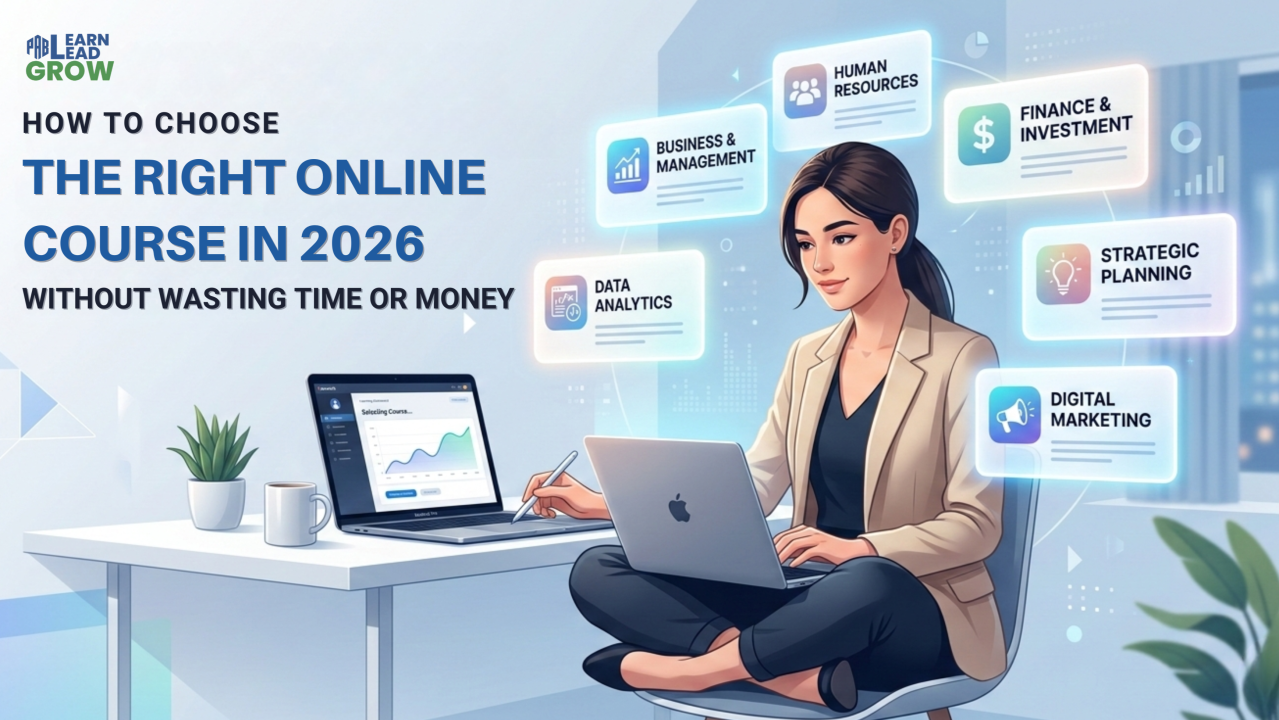
Because Udemy has multiple courses on almost every topic, picking the right one takes a little smart filtering. Before clicking "Buy Now," run through this quick checklist:
Check the "Last Updated" Date: In fast-moving fields like AI, web development, digital marketing, and cloud software, a course from three years ago may teach outdated interfaces or deprecated code. Look for courses updated within the last 6 to 12 months.
Read Recent Reviews, Not Just the Star Rating: A 4.6-star rating is great, but sort the reviews by "Most Recent." Sometimes a once-great course stops being maintained, and recent students will warn you in the comments if the instructor has stopped answering questions.
Watch the Free Preview Videos: Spend five minutes watching two or three preview lectures. Pay attention to the instructor's audio quality, pacing, and teaching style. Even the best syllabus will feel painful if you find the instructor's voice or explanations hard to follow.
Inspect the Curriculum: Expand all the sections in the course syllabus. Make sure the course actually covers the specific subtopics you need rather than spending three hours on absolute basics you already know.
Look for Practical Projects: Passive video watching rarely sticks. Prioritise courses that include assignments, real-world case studies, or step-by-step projects you can build alongside the instructor.
Who Gets the Most Value Out of Udemy?
College Students: Classroom syllabi often lag behind what companies actually use. Students can use Udemy to learn practical tools—like Git, Excel, Figma, or React—that bridge the gap between textbook theory and their first internship.
Job Seekers: If you are switching careers or preparing for interviews, targeted courses in resume building, aptitude tests, communication, or role-specific software can help you build confidence quickly.
Working Professionals: When your manager asks you to take on a new tool—like Power BI for reporting or AI tools for workflow automation—a focused 10-hour Udemy course can get you up to speed over a single weekend.
Freelancers and Small Business Owners: Instead of outsourcing every small task, freelancers and founders can learn how to design basic graphics, edit promotional videos, manage ad campaigns, or maintain their own websites.
Teaching on Udemy: How Instructors Use the Platform
Udemy is a two-sided marketplace, which means anyone with deep expertise in a subject can apply to become an instructor.
The process involves planning a structured syllabus, recording clear video and audio lessons (meeting Udemy’s technical quality guidelines), uploading supplementary resources, and publishing the course to the marketplace. Instructors earn revenue whenever students buy their courses or watch them through a subscription plan.
For knowledgeable professionals, it can be a rewarding way to share expertise and build an additional income stream. However, it is rarely "easy passive income"—successful instructors spend significant time updating their lessons, answering student questions, and promoting their courses to stand out in a crowded marketplace.
Pros and Cons of Learning on Udemy
What Works Well
Massive topic variety: Everything from enterprise cloud architecture to watercolour painting is available in one place.
True self-paced flexibility: No deadlines, attendance rules, or fixed class hours.
Lifetime access on individual purchases: You can revisit reference material months or years after finishing a course.
Affordable entry point: Frequent regional discounts make high-quality instruction accessible without taking on student debt.
What to Watch Out For
Inconsistent course quality: Because courses are independently created, depth and production value vary significantly.
No formal accreditation: Certificates show completion, not academic credit.
Requires self-discipline: Without a teacher checking your homework, it is easy to buy courses and leave them unfinished.
📚 ✏️ 💡 🧠 🎓Start Learning Something New Today
Explore thousands of beginner-friendly courses on Udemy and build new skills at your own pace.
Explore Udemy Courses →🎓 📚 ✏️ 💡🎓 Udemy FAQ
Is Udemy good for complete beginners?+
Yes, most Udemy courses start from scratch and let you filter specifically for beginner-level lessons before buying.Do I get lifetime access to Udemy courses?+
If you buy an individual course outright, you get lifetime access, whereas subscription access ends when you cancel.Are Udemy certificates recognised by employers?+
They prove you completed practical training and show initiative, though they are not accredited university degrees or official licences.How can I avoid buying an outdated Udemy course?+
Always check the "Last Updated" date on the course page and read the most recent student reviews before paying.Can I download Udemy videos to watch offline?+
Yes, the Udemy mobile app for iOS and Android lets you download lectures so you can study without internet access.
Sources and notes
Links the author listed for this post.
Information is based on Udemy's official website, including its course marketplace, learning resources, subscription options, and instructor features.
More on AltFTool
- AltFTool (opens in a new tab)
altftool.com
Discussion
0 comments
No comments yet
Discussion will appear here once it loads.