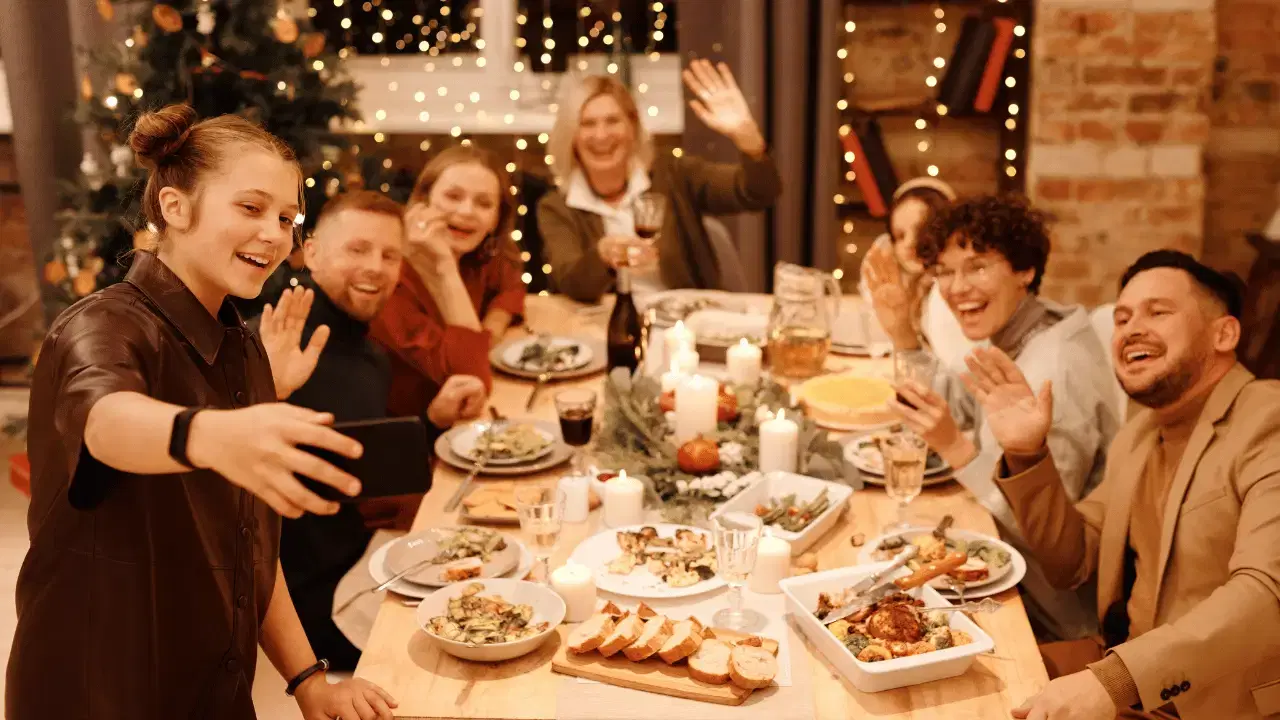
Every year, as November arrives, millions of Americans begin preparing for one of the country's most meaningful celebrations: Thanksgiving. It is a day filled with delicious food, family gatherings, football games, colourful parades, and moments of gratitude.
For many families, Thanksgiving means spending time with loved ones, preparing traditional recipes, decorating the dining table, and taking a break from everyday responsibilities. Some people travel hundreds of miles to reunite with their families, while others celebrate with friends, neighbours, and local communities.
But Thanksgiving is much more than a holiday centred around a large meal. Its history stretches back several centuries and reflects a complicated story involving early European settlers, Indigenous communities, harvest traditions, and the development of American national identity.
Although the celebration is commonly associated with a harvest feast in 1621, the story behind Thanksgiving is more complex than many people realise. Over time, it developed from regional days of gratitude into a nationally recognised holiday.
In 2026, Thanksgiving will be celebrated on Thursday, November 26.
Whether you are learning about American culture, exploring the history of traditional holidays, or simply curious about why families celebrate Thanksgiving, this guide explores its origins, historical meaning, traditions, food, and modern-day importance.
When Is Thanksgiving 2026?
Thanksgiving is celebrated every year on the fourth Thursday of November in the United States.
In 2026, the holiday falls on November 26, giving families an opportunity to come together before the busy Christmas and New Year season begins.
Here are the important dates:
Event | Date |
|---|---|
Thanksgiving 2026 | Thursday, November 26 |
Black Friday 2026 | Friday, November 27 |
Small Business Saturday | Saturday, November 28 |
Cyber Monday 2026 | Monday, November 30 |
Thanksgiving is a federal public holiday in the United States. Government offices, many schools, and numerous businesses close for the occasion, although some essential services and retail businesses continue operating.
The holiday also marks the beginning of one of America's busiest shopping periods, with Black Friday and Cyber Monday following immediately afterwards.
What Is Thanksgiving and Why Do Americans Celebrate It?
Thanksgiving is an annual American holiday dedicated to expressing gratitude for the positive things in life.
Traditionally, people celebrate by sharing a special meal with family and friends. However, the meaning of Thanksgiving goes beyond food and festive decorations.
It is a time to appreciate relationships, recognise personal achievements, remember difficult experiences, and acknowledge the support received from others.
For some families, Thanksgiving has a strong religious meaning. They begin the day with prayers or blessings before enjoying their meal. Others celebrate it as a cultural tradition without any particular religious connection.
The holiday also encourages people to think about those who may be struggling. Community organisations, food banks, and volunteers often arrange meals and donation drives for people who need support.
At its heart, Thanksgiving represents three important ideas:
Gratitude: Appreciating the people, opportunities, and experiences that make life meaningful.
Togetherness: Spending quality time with family, friends, and communities.
Generosity: Sharing food, helping others, and supporting people who may be facing difficult circumstances.
These values have helped Thanksgiving remain an important part of American culture for generations.
The History of Thanksgiving: Where Did It Begin?
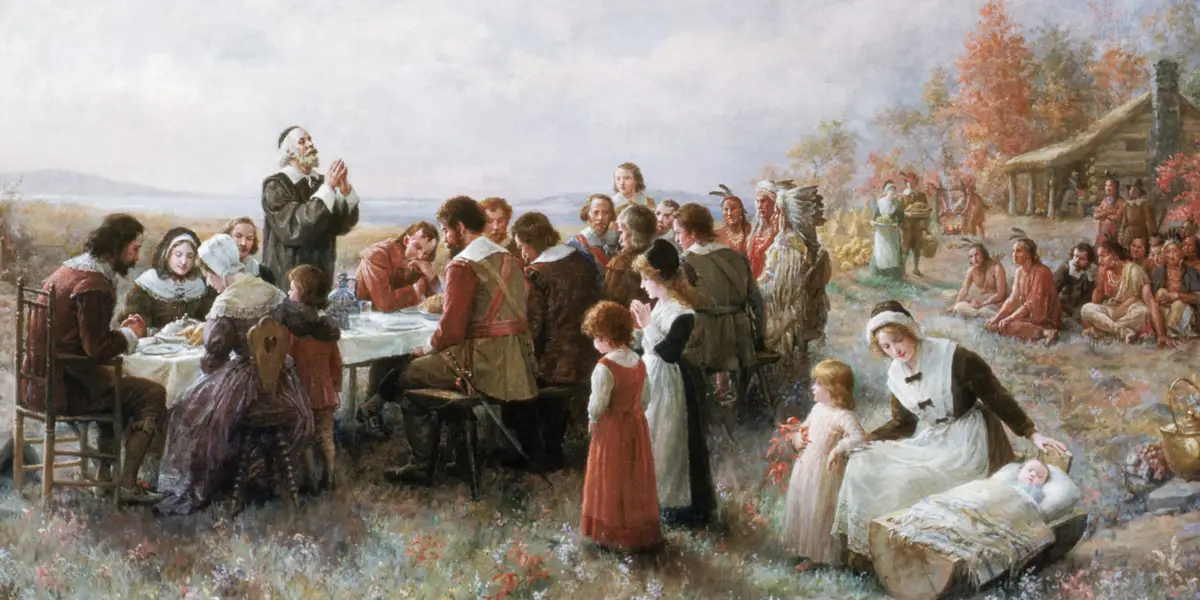
The history of Thanksgiving is usually connected with the year 1621, when English settlers and members of the Wampanoag community shared a harvest celebration in Plymouth, Massachusetts.
However, the tradition of giving thanks for a successful harvest existed long before that gathering.
Indigenous communities across North America had their own harvest celebrations, ceremonies, and practices of expressing gratitude for the natural world. European settlers also brought religious traditions of thanksgiving and harvest festivals with them.
The 1621 gathering became an important part of the historical story that eventually shaped the modern American holiday.
1. The Arrival of the Pilgrims in America
In September 1620, a ship called the Mayflower departed from Plymouth, England, carrying approximately 102 passengers.
Many of these passengers were English religious separatists who wanted greater freedom to practise their beliefs. Others were seeking economic opportunities and a new beginning.
After a difficult Atlantic journey lasting approximately 66 days, the ship reached the coast of North America.
The passengers eventually established a settlement at Plymouth, in present-day Massachusetts.
Their first winter was extremely difficult. Cold weather, illness, food shortages, and poor living conditions caused many settlers to lose their lives.
The surviving settlers faced an uncertain future and struggled to establish a stable community.
2. The Role of the Wampanoag People
The story of Thanksgiving cannot be understood without recognising the Indigenous communities who already lived in the region.
The Wampanoag people had inhabited the area for thousands of years before the English settlers arrived.
They possessed extensive knowledge of the land, local agriculture, fishing, hunting, and seasonal food supplies.
One important historical figure was Tisquantum, commonly known as Squanto. He was a member of the Patuxet community and had experienced kidnapping and forced travel across the Atlantic before returning to his homeland.
He helped the struggling settlers communicate with local communities and understand agricultural practices.
The Wampanoag leader Ousamequin, also known as Massasoit, played an important role in establishing relations with the Plymouth settlers.
The relationship between the communities was influenced by diplomacy, political interests, survival, and the changing conditions of the region. It should not be reduced to a simple story of friendship.
3. The Famous Harvest Feast of 1621
In the autumn of 1621, the Plymouth settlers successfully gathered their first substantial harvest.
To mark the occasion, Governor William Bradford organised a celebration.
Members of the Wampanoag community, including their leader Massasoit and approximately 90 men, joined the gathering.
The celebration reportedly lasted three days and included food, outdoor activities, and other festivities.
The gathering is widely remembered as America's first Thanksgiving, although there is no evidence that the people involved called it by that name.
There is also no complete record of the original menu. Historical accounts suggest that the gathering included wildfowl and venison, along with other locally available foods.
Interestingly, the traditional Thanksgiving dinner familiar to modern Americans, including pumpkin pie, mashed potatoes, and cranberry sauce, was not the exact meal served in 1621.
The popular Thanksgiving story developed over many generations, and historians continue to examine the event through historical documents and Indigenous perspectives.
How Did Thanksgiving Become a National Holiday?
The transformation of Thanksgiving from a regional tradition into an official national holiday took many years.
Although the 1621 harvest gathering became an important historical reference, Americans did not immediately begin celebrating Thanksgiving every November.
George Washington's Thanksgiving Proclamation in 1789
In 1789, President George Washington issued a proclamation recommending November 26 as a national day of thanksgiving and prayer.
This was an important moment because it introduced an official national observance under the newly established United States Constitution.
However, Thanksgiving was not yet an annual national holiday. Different presidents and states continued to recognise days of thanksgiving at different times.
Sarah Josepha Hale's Campaign
One of the most influential people in establishing the modern Thanksgiving holiday was Sarah Josepha Hale.
She was a writer and magazine editor who spent decades campaigning for Thanksgiving to become a nationally recognised annual celebration.
Hale believed that a shared holiday could help bring Americans together, especially during a period of political and social division.
For approximately 36 years, she wrote editorials and contacted political leaders to encourage the creation of a national Thanksgiving holiday.
Her efforts eventually gained the attention of President Abraham Lincoln.
Abraham Lincoln Makes Thanksgiving a National Holiday
In 1863, during the American Civil War, President Abraham Lincoln issued a proclamation establishing a national Thanksgiving observance.
He encouraged Americans to come together, reflect on their blessings, and remember those affected by the ongoing conflict.
Lincoln's proclamation designated the last Thursday of November as a national day of thanksgiving.
This decision helped establish the foundation of the modern American Thanksgiving tradition.
Why Is Thanksgiving Celebrated on the Fourth Thursday of November?
For many years, Thanksgiving was traditionally observed on the last Thursday of November.
However, in 1939, President Franklin D. Roosevelt moved the holiday one week earlier to extend the Christmas shopping season and support economic activity during the Great Depression.
The decision created disagreement because some states followed the new date while others continued celebrating on the original date.
The disagreement became popularly known as the "Franksgiving" controversy.
In 1941, Congress passed legislation establishing Thanksgiving as the fourth Thursday of November. President Roosevelt signed the measure into law in December of that year.
Since then, the fourth Thursday of November has remained the official date of Thanksgiving in the United States.
Traditional Thanksgiving Foods: What Is Served at the Dinner Table?
Food is one of the biggest parts of Thanksgiving celebrations.
For many families, preparing the holiday meal is a tradition that begins several days before Thanksgiving itself. Some households follow recipes passed down through generations, while others introduce new dishes every year.
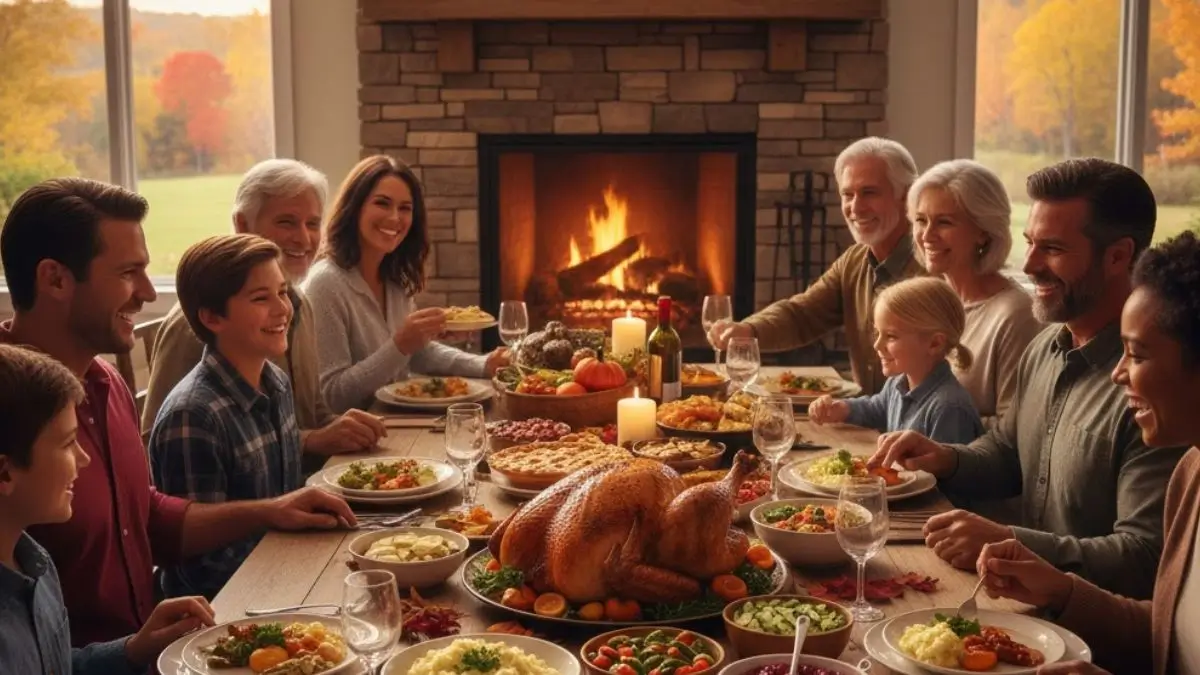
The traditional Thanksgiving table often includes roasted turkey, side dishes, desserts, and seasonal ingredients.
Here are some of the most popular foods associated with the celebration.
1. Roast Turkey
Roast turkey is perhaps the most recognisable Thanksgiving dish.
A whole turkey is commonly seasoned with herbs, spices, butter, and other ingredients before being roasted until the skin becomes golden and crisp.
Families often serve it with gravy, stuffing, and vegetables.
Turkey has become so closely connected with Thanksgiving that the holiday is sometimes informally called Turkey Day.
2. Mashed Potatoes
Mashed potatoes are another popular Thanksgiving side dish.
They are prepared by boiling potatoes and mashing them with butter, milk, cream, and seasoning.
Many people enjoy them with turkey gravy, making them a regular feature of the holiday meal.
3. Pumpkin Pie
Pumpkin pie is one of the most recognisable Thanksgiving desserts.
It is usually made with pumpkin puree, eggs, milk or cream, sugar, and warm spices such as cinnamon, ginger, and nutmeg.
The filling is baked inside a pastry crust and often served with whipped cream.
Its connection with autumn ingredients makes pumpkin pie a popular seasonal dessert.
4. Cranberry Sauce
Cranberry sauce provides a sweet and slightly tangy contrast to the savoury dishes served during Thanksgiving.
It is commonly prepared using fresh or frozen cranberries, sugar, and water.
Some families prefer homemade cranberry sauce, while others use ready-made versions.
5. Stuffing
Stuffing is another traditional holiday dish, often prepared using bread cubes, onions, celery, herbs, and seasoning.
Depending on family traditions, it may be cooked separately or inside the turkey.
Recipes can vary considerably between regions and households.
6. Sweet Potato Casserole
Sweet potato casserole is a popular side dish in many American homes.
It is usually made with mashed sweet potatoes, butter, and sweet seasonings. Some recipes include marshmallows or a crunchy pecan topping.
Its sweet flavour makes it a favourite addition to the Thanksgiving table.
Popular Thanksgiving Traditions Across America
Thanksgiving is not celebrated in exactly the same way by every American family.
Some people prefer a traditional dinner at home, while others travel, volunteer, watch sporting events, or attend public celebrations.
Nevertheless, several traditions have become closely associated with the holiday.
1. Family Gatherings and Thanksgiving Dinner
For many Americans, the most important part of Thanksgiving is spending time with loved ones.
Families travel from different cities and states to enjoy a meal together.
Some households prepare everything themselves, while others organise potluck dinners where each guest brings a dish.
It is also common for families to share what they are thankful for before beginning their meal.
2. Macy's Thanksgiving Day Parade
The Macy's Thanksgiving Day Parade is one of the most famous Thanksgiving events in the United States.
It takes place in New York City and features enormous character balloons, colourful floats, marching bands, performers, and musical entertainment.
The parade began in 1924 and has developed into a major holiday tradition.
Millions of people watch the event in person or through television broadcasts.
For many families, watching the parade has become part of their Thanksgiving morning routine.
3. Watching American Football
Football is another major part of Thanksgiving culture.
Many families spend part of the holiday watching NFL games while enjoying their meals.
The tradition of Thanksgiving football has developed over many decades, with special games becoming an expected part of the holiday schedule.
For sports fans, it adds excitement to an already busy celebration.
4. The Presidential Turkey Pardon
One of the more unusual Thanksgiving traditions is the annual presidential turkey pardon.
During this event, the US president ceremonially spares a turkey from becoming part of the holiday dinner.
The tradition became an established White House event during the presidency of George H. W. Bush in 1989.
It is now a familiar part of Thanksgiving celebrations and attracts considerable media attention.
5. Black Friday Shopping
Thanksgiving also marks the beginning of one of the busiest shopping periods in America.
Black Friday takes place on the day after Thanksgiving and is known for discounts on electronics, clothing, home products, toys, and many other items.
Some shoppers visit physical stores, while others prefer online shopping.
Retailers frequently introduce special promotions, making the period popular for holiday gift shopping.
The Deeper Meaning of Thanksgiving: Gratitude, Family and Giving Back
Although Thanksgiving is commonly associated with a festive meal, its deeper meaning is connected with appreciation and human relationships.
In modern life, people often become busy with work, education, financial responsibilities, and personal commitments.
Thanksgiving provides an opportunity to slow down and recognise the things that matter beyond everyday routines.
Appreciating Family and Relationships
Family relationships are an important part of Thanksgiving.
The holiday encourages people to spend time with parents, grandparents, children, siblings, relatives, and close friends.
For people who live far away from their families, the occasion can also be a reason to reconnect through phone calls or video conversations.
Practising Gratitude
Gratitude does not always have to involve major achievements or expensive experiences.
It can be about appreciating good health, supportive friendships, a comfortable home, personal progress, or even small everyday moments.
Some families make gratitude lists or ask each person to share one thing they appreciate.
These simple activities can make the celebration more meaningful.
Helping People in Need
Thanksgiving also inspires acts of kindness and generosity.
Food banks, charities, community centres, and volunteers organise food distribution programmes and holiday meals for people who need assistance.
Many individuals donate money, prepare meals, or spend time helping their local communities.
This reflects the idea that a celebration becomes more meaningful when its benefits extend beyond one's own household.
A More Complete History: Indigenous Perspectives on Thanksgiving
The history of Thanksgiving is often presented through the familiar story of the Pilgrims and the Wampanoag people.
However, this version does not explain the entire historical experience of Indigenous communities.
For Native Americans, the arrival of European settlers eventually brought major changes, including the loss of ancestral lands, disease, political conflict, forced displacement, and cultural disruption.
The relationship between the Plymouth settlers and the Wampanoag community was also more complicated than the popular story suggests.
Some Indigenous people view Thanksgiving as a reminder of colonisation and the suffering experienced by Native communities.
Since 1970, an annual National Day of Mourning gathering has taken place in Plymouth, Massachusetts, organised by Indigenous activists and supporters.
The event provides an opportunity to remember Indigenous history, honour Native ancestors, and raise awareness about historical injustices.
Understanding these perspectives does not mean ignoring the importance of gratitude or family traditions. Instead, it offers a more complete understanding of the holiday and the different experiences connected with its history.
A meaningful Thanksgiving discussion can include both the familiar traditions and the historical experiences that are sometimes left out of popular celebrations.
Interesting Facts About Thanksgiving 2026
Thanksgiving has developed many interesting traditions over the years.
Here are some facts worth knowing:
Thanksgiving 2026 falls on November 26: The holiday is observed on the fourth Thursday of November.
The 1621 harvest gathering lasted three days: The celebration included English settlers and members of the Wampanoag community.
George Washington issued a Thanksgiving proclamation in 1789: He recommended November 26 as a national day of thanksgiving.
Sarah Josepha Hale helped establish the holiday: She campaigned for a national Thanksgiving celebration for approximately 36 years.
Abraham Lincoln made Thanksgiving a national observance in 1863: His proclamation helped establish the modern holiday.
The Macy's parade started in 1924: It has become one of the best-known Thanksgiving traditions.
Thanksgiving inspired the term Franksgiving: The nickname emerged after Roosevelt moved the celebration in 1939.
The fourth Thursday became official in 1941: Congress established the date through federal legislation.
Thanksgiving is followed by Black Friday: The next day is associated with major retail promotions.
The holiday has different meanings for different communities: For many it is a day of gratitude, while some Indigenous communities also use it to remember historical injustice.
How to Celebrate Thanksgiving 2026: Simple Ideas for Families
You do not need an elaborate celebration to make Thanksgiving memorable.
Sometimes, the most meaningful moments come from spending time with people you care about and creating simple traditions.
Here are some ideas for celebrating Thanksgiving 2026:
1. Organise a Family Dinner
Prepare a special meal and invite family members or friends. Everyone can contribute a favourite dish to make the gathering more enjoyable.
2. Create a Gratitude Jar
Place a jar on the dining table and ask everyone to write down something they are thankful for.
Read the notes together during dinner. It is a simple activity that can make the celebration more personal.
3. Volunteer in Your Community
Consider helping a local food bank, charity, or community kitchen. Donating food or volunteering your time can make a positive difference.
4. Watch the Thanksgiving Parade
If you enjoy festive entertainment, watch the Macy's Thanksgiving Day Parade with your family.
The colourful balloons, performances, and floats make it a fun holiday activity.
5. Prepare Homemade Desserts
Thanksgiving is a great opportunity to try seasonal recipes such as pumpkin pie, apple pie, pecan pie, or homemade cookies.
6. Reconnect With Loved Ones
If travelling is not possible, arrange a video call or phone conversation with family members who live far away.
A thoughtful message can also make someone feel remembered and appreciated.
Final Thoughts
Thanksgiving 2026 is more than another date on the American holiday calendar. It represents centuries of history, changing traditions, cultural identity, and the importance of gratitude.
From the 1621 harvest gathering in Plymouth to Abraham Lincoln's national proclamation in 1863, Thanksgiving has evolved into a celebration that brings millions of people together every November.
Its history also reminds us that the familiar story of Thanksgiving has different perspectives, particularly for Indigenous communities whose experiences are an important part of America's past.
Today, families celebrate through shared meals, parades, football games, volunteering, and simple moments of togetherness.
Whether you celebrate with a traditional turkey dinner, enjoy a quiet day with loved ones, or spend time helping your community, the central message remains meaningful: appreciate what you have, value the people around you, and find opportunities to give back.
As Thanksgiving arrives on November 26, 2026, it is a wonderful opportunity to reflect on the past while creating new memories with the people who matter most.
FAQ's
Thanksgiving 2026 will be celebrated on Thursday, November 26, in the United States.
Thanksgiving is celebrated to express gratitude for blessings, family, food, and togetherness.
Thanksgiving is commonly traced to a 1621 harvest gathering between English settlers and the Wampanoag people.
Traditional dishes include roast turkey, stuffing, mashed potatoes, cranberry sauce, and pumpkin pie.
A 1941 US law officially established the fourth Thursday of November as Thanksgiving Day.
Sources and notes
Links the author listed for this post.
This article is based on historical records and information from trusted sources, including the National Archives, the Library of Congress, History.com, and official US government resources.


Discussion
0 comments