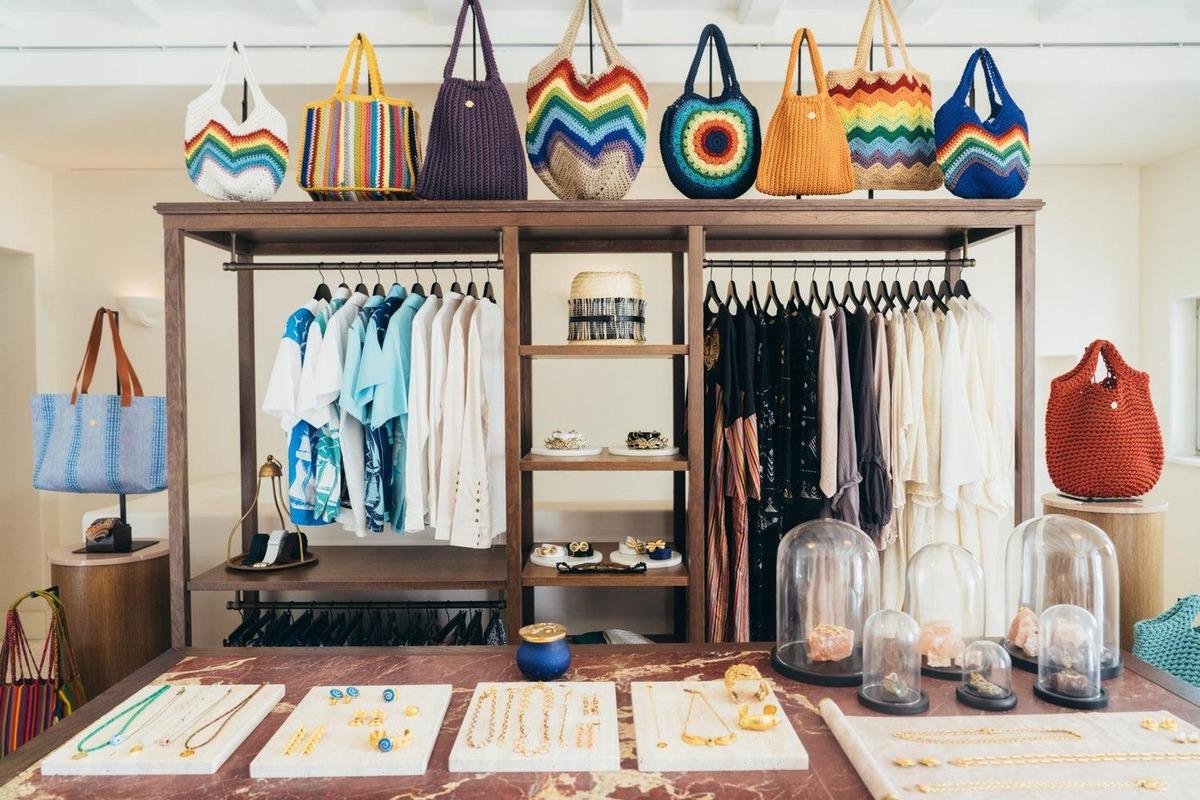
Running a small retail store isn't just about keeping products on shelves and waiting for customers to walk in. It's about knowing what people want, finding products they can't easily get everywhere and giving them a reason to come back. With big retail chains and online platforms offering thousands of choices, standing out has become a real challenge for independent retailers. Many shop owners feel this pressure every single day. They watch customers compare prices on their phones right inside the store. It can be tiring, but there are smart ways to stay ahead.
One practical way to create a different shopping experience is to work with independent brands and explore reliable wholesale marketplaces. Instead of stocking the same mass-produced items customers see in every other shop, small retailers can find interesting collections from emerging businesses, local makers and specialised suppliers. Customers often remember a store because they found something unexpected there. It could be handmade jewellery, thoughtfully designed home accessories, natural skincare or stationery from a small creative brand. Products like these give a store its own identity.
But finding the right products takes more than flipping through supplier catalogues. Retailers need to understand their customers, compare wholesale options, check quality and make sensible buying decisions.
Why Small Retailers Need Unique Products
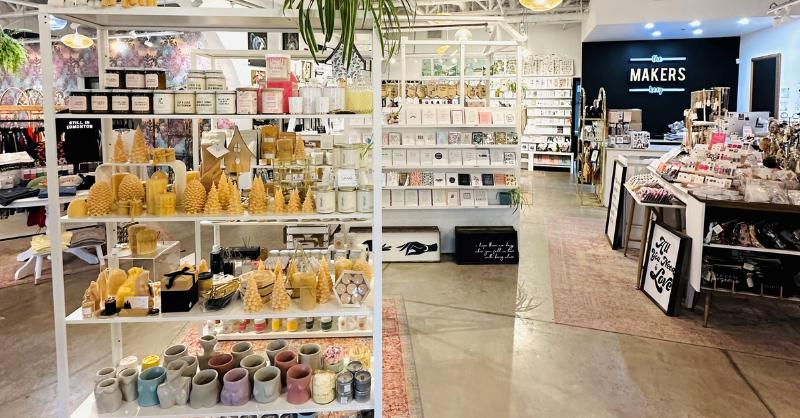
Customers have plenty of choices today. They can compare prices online, visit shopping malls or order everyday items from large e-commerce platforms. For independent retailers, competing only on price is rarely comfortable. Distinctive products give people another reason to pick a smaller store.
A gift shop that stocks ordinary mugs, photo frames and greeting cards may look just like several others nearby. But add handmade candles, personalised accessories and products from independent designers, and the shopping experience becomes far more interesting. Unique products can help small retailers:
Build a recognisable store identity
Attract customers looking for something different
Reduce direct competition with large retailers
Create chances for repeat purchases
Develop relationships with independent brands
Offer more thoughtful gifting options
The goal isn't to stock unusual items just to be different. Every product should connect clearly with your customers and your store's overall style.
How a Wholesale Marketplace Helps Retailers Discover Products
Finding suppliers used to mean visiting trade exhibitions, calling distributors and relying on tips from other business owners. Those methods still work, but online wholesale marketplaces have made discovery much easier. A marketplace brings brands, manufacturers, distributors and product collections together in one place, so you can explore many categories without contacting every supplier one by one. That saves time, especially for owners who handle purchasing, customer service, inventory and daily operations themselves.
Explore Different Product Categories
Don't limit your search to what you already sell. Related categories can reveal new opportunities. A clothing boutique might find accessories from independent jewellery designers, and a home décor shop could expand into handmade planters, decorative lighting or sustainable kitchen products. Some categories worth a look include:
Handmade and personalised gifts
Home décor and lifestyle accessories
Sustainable everyday products
Fashion and independent jewellery
Beauty and personal care
Stationery and creative supplies
Children's gifts and educational products
Exploring doesn't mean buying everything. It simply helps you see what's available and spot products that fit your existing collection.
Compare Independent Brands
A wholesale marketplace can introduce you to independent brands that rarely appear in mainstream stores. These businesses often focus on a particular style, material, audience or design approach, and some specialise in handcrafted or sustainable products. Before choosing a brand, look at its product range, pricing, packaging, minimum order quantity and wholesale policies. A beautiful product isn't automatically a good business purchase, because it should also offer reasonable margins and meet customer expectations.
What Makes Independent Brands Worth Exploring?
The Beauty of Independent Brands
Four reasons to bring something different to your store.
01 / CREATIVITY
Original Designs
Creative products that make your retail collection stand apart.
Explore artistic jewellery, original accessories and distinctive home décor.
02 / PERSONAL TOUCH
Handmade Treasures
Personalised gifts and handmade pieces add meaning to shopping.
Explore handmade candles, customised stationery and engraved gifts.
03 / MINDFUL LIVING
Sustainable Choices
Thoughtful materials and reusable packaging offer fresh choices.
Explore products made with recycled materials and responsible sourcing.
04 / COMMUNITY
Support Small Brands
Build connections with creative makers and emerging businesses.
Build lasting supplier relationships and discover fresh collections.
✦ UNIQUE FINDS · CREATIVE BRANDS · BETTER RETAIL ✦
Independent brands bring variety and personality to a small store. Many build their collections around one clear idea instead of trying to please everyone, which helps retailers who want a more distinctive selection.
Original Designs and Product Variety
One big advantage is finding designs that are less common in mass-market collections. A jewellery brand might use unusual combinations of materials, while a home décor business may create small-batch decorative pieces. Products like these make a store feel carefully selected instead of filled with standard merchandise.
Personalised and Handmade Products
Personalised products have a special place in gifting. Customers love items that feel connected to a person or an occasion. Handmade accessories, customised notebooks and engraved gifts can attract shoppers who want something more meaningful. Just confirm production timelines and customisation options before accepting customer orders.
Sustainability and Responsible Production
Many shoppers now pay attention to materials, packaging and how products are made. Independent brands using recycled materials, reusable designs or responsible production may appeal to people who want to shop more thoughtfully. Check sustainability claims instead of trusting marketing descriptions alone, because clear details about materials, sourcing and packaging make it easier to explain a product honestly.
Practical Ways to Find the Right Wholesale Products
Discovering new products is exciting, but choosing what to buy needs care. A small retailer usually has limited storage and can't afford to hold large amounts of slow-moving stock. A planned approach makes selection easier.
1. Understand What Your Customers Actually Buy
Start by watching customer behaviour. Which products do people ask about most? What sells quickly? Are customers after affordable gifts, premium accessories, practical household items or locally made collections? Even casual chats at the checkout counter can reveal a lot. If customers often ask for affordable birthday gifts, you could explore independent brands offering personalised stationery, small gift sets or handmade accessories. Let customer demand guide you, not just your own taste.
2. Research Suppliers Before Ordering
Once you find an interesting brand, learn about the supplier. Check its business details, product descriptions, customer feedback, wholesale terms and how it communicates. A reliable supplier should give clear information about:
Wholesale prices and minimum order quantities
Shipping charges and delivery timelines
Payment terms
Return and damaged-product policies
Product availability
Packaging and labelling requirements
If anything important is missing, contact the supplier before placing an order.
3. Order Samples Whenever Possible
Photos can make almost anything look attractive, but what customers experience is the real quality. If samples are available, check the material, finishing, packaging, size and overall look. A handmade candle may look lovely online, yet its fragrance strength, packaging and burn quality matter just as much. Testing samples helps you avoid products that look better in pictures than in person.
4. Calculate the Complete Cost
The wholesale price is only part of the picture. Consider shipping, packaging, taxes, storage, payment charges and other expenses when working out the final cost. A product that seems cheap at first may become less profitable once extra costs are added. Compare the final cost with the expected selling price and the margin your business needs.
How to Build a Distinctive Product Collection
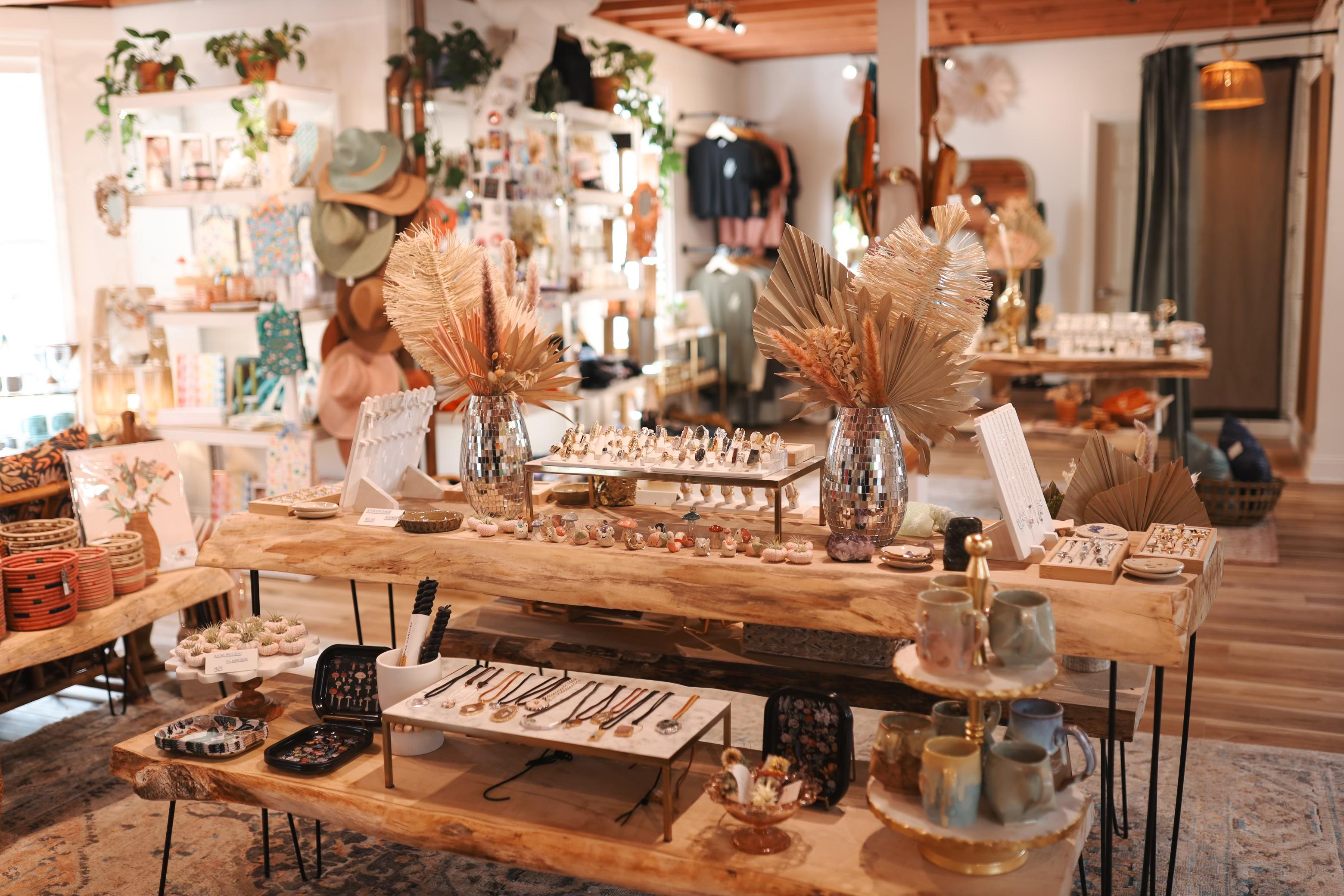
A store doesn't need hundreds of unusual products to create a strong identity. Sometimes a smaller, carefully chosen collection works much better, as long as the products connect with each other.
Choose Products That Complement Each Other
Think about how customers shop in your store. A clothing boutique could add scarves, handmade earrings and small lifestyle accessories, while a bookstore might bring in creative stationery, reading lights, bookmarks and literary gifts. These items make sense together because they serve similar interests. Cross-category collections can also lead customers to discover things they weren't planning to buy.
Mix Established Suppliers With Emerging Brands
You don't have to replace your existing suppliers. A balanced collection can include reliable everyday products alongside smaller collections from independent brands. Established suppliers bring consistency, while emerging brands add fresh designs. This also manages risk, since you can test a few new products without changing your whole buying strategy.
Introduce Small Seasonal Collections
Seasonal collections keep a store interesting. You can explore festive gifts, summer accessories, winter home products or back-to-school stationery. Instead of buying large quantities right away, start with a limited range and watch how customers respond. Products that get good feedback can join your regular range.
Common Mistakes Small Retailers Should Avoid
Finding attractive products is only the beginning, and some buying mistakes can hurt cash flow and leave you with unnecessary stock.
Buying too much stock: A new product may look promising, but there's no guarantee customers will buy it. Start small whenever possible.
Choosing products only because they're trending: Trends change quickly. A product should suit your customer base and pricing, not just be popular online.
Ignoring supplier reliability: Late deliveries, inconsistent quality and unclear return policies cause problems. Check supplier details before bigger commitments.
Overlooking profit margins: A product may sell well and still earn little if purchase and delivery costs are too high.
Offering too many unrelated products: A store packed with random merchandise can confuse customers. Keep your collection connected to your identity.
How Technology Is Changing Product Discovery
Digital wholesale platforms are changing how small businesses buy. Retailers can now explore collections, compare suppliers and discover independent brands without spending every day at physical markets. Filters, search tools, supplier profiles and online catalogues help narrow down options, and some platforms share details about minimum orders, availability and delivery that support better decisions.
Still, technology should support your judgement, not replace it. You still need to check product quality, understand customer demand and talk to suppliers directly when needed. The best approach combines online research with real-world product testing and customer feedback.
Final Thoughts
For small retailers, finding distinctive products is about creating a store customers can recognise and remember. Independent brands offer fresh designs, handmade collections, specialised products and interesting alternatives to mass-produced merchandise.
A reliable wholesale marketplace can make the search easier by bringing suppliers and categories together. Still, successful buying depends on understanding customers, checking quality, comparing costs and choosing suppliers carefully.
Rather than trying to stock everything, focus on products that fit your store's identity and serve a real customer need. A thoughtful collection, even a small one, can make a shop feel more personal and give shoppers a reason to return.
Independent brands are businesses that create and sell their own products.
They offer unique products and help local businesses grow.
Through wholesale markets, online platforms, and trade fairs.
Yes, they can offer good margins and product variety.
Check product quality, pricing, demand, and supplier reliability.
Sources and notes
Links the author listed for this post.
Based on retail industry insights, independent brand trends, and small business product sourcing practices.


Discussion
0 comments