On my first trip to Rajasthan, I did everything a tourist is supposed to do. I took photos of the forts, bought a magnet from a gift shop and ate at a restaurant that had an English menu with pictures. It was a lovely trip, and yet when I got home, I couldn’t tell you a single thing about the people who lived there.
Two years later I went back, and a guesthouse owner changed that. On the second evening, she knocked on my door and said, “Come, we are making dal baati. Sit with us.” I ended up on a low stool in her kitchen, burning my fingers on hot baati, while her mother told stories about her wedding in a village I’d never heard of. That one evening taught me more than the entire first trip.
That’s what exploring local culture really means. It isn’t a checklist. It’s slowing down enough to let a place show you how it lives. Here’s how you can do that on your own trips, without being awkward, intrusive or disrespectful.
Start Before You Leave

A little homework goes a long way. You don’t need to become an expert, but knowing the basics makes you more confident and less likely to make mistakes.
Read about the place beyond the usual attractions. Look up the main religions, festivals, food habits and common languages. Check whether your trip overlaps with a local festival or a period of mourning, since both can change what’s open and how people behave. Learn a few phrases too, such as hello, thank you, please and excuse me. People notice the effort, even if your pronunciation is terrible, and they usually smile and help you out.
It also helps to read books, blogs or watch films made by people from that region, not only travel guides written by outsiders. They show you what daily life feels like.
Learn the Unwritten Rules
Every place has small rules that nobody writes on signboards. Some are about clothing, some about greetings, some about eating or taking photos.
Dress and Behaviour
At temples, mosques, gurdwaras and many rural areas, modest clothing is expected. Carry a scarf or shawl, and be ready to remove your shoes. In some places, covering your head or avoiding certain colours matters too. If you’re unsure, watch what locals wear and follow their lead.
Greetings and Gestures
A gesture that’s friendly in one country can be rude in another. Pointing with your finger, touching someone’s head, showing the soles of your feet or using your left hand to pass food can all carry meaning. A quick search before you go, or a polite question to your host, can save you from an uncomfortable moment.
Photography
Always ask before photographing people, especially women, elders, children and anyone at a religious ceremony. Some places don’t allow photos at all. A smile and a gesture asking “Can I?” usually works, and if the answer is no, accept it gracefully. A good memory is worth more than a photo taken without consent.
Eat Like the People Who Live There
Food is the easiest doorway into any culture. Every dish has a story, whether it’s about the local weather, a religious practice, a trade route or a family recipe.
Skip the restaurants that only cater to tourists for at least a couple of meals. Try small family-run eateries, street food stalls (choosing busy, clean-looking ones), local markets and community canteens. Ask the owner what they recommend instead of ordering the safest item. Many cooks love explaining how a dish is made.
If you can, take a cooking class or a market walk with a local guide. You’ll learn about ingredients you’d never notice alone, and you’ll bring home a skill, not just a souvenir. Be mindful of dietary customs too. In some places, certain foods are not eaten at all, and in others, meals follow specific rituals.
Stay With the Community, Not Just Near It
Where you sleep shapes what you see. A large chain hotel could be anywhere in the world. A homestay, a family-run guesthouse or a small local inn gives you a window into daily life.
Hosts often share tips you’ll never find online: a quiet temple at sunrise, the best time to visit a market, a festival happening in the next village. Treat them with respect, follow house rules and, if invited to join a meal or ceremony, accept politely, since it’s usually a gesture of warmth. A small gift from your home city, like sweets or a regional snack, is a lovely way to say thank you.
Spend Money Where It Reaches People
Support Local Shops
Choose nearby stores and small businesses for everyday needs.
✨ Tap to Reveal a Tip
Buy from local sellers whenever possible to help money circulate in your community.
Choose Meaningful Causes
Support charities and community projects that create real impact.
✨ Tap to Reveal a Tip
Check an organisation's work and transparency before donating.
Invest in Education
Help people access learning resources and useful skills.
✨ Tap to Reveal a Tip
Consider supporting scholarships, books, school supplies, or skill training.
Create Lasting Impact
Spend thoughtfully on services and projects that benefit others.
✨ Tap to Reveal a Tip
Focus on long-term benefits instead of spending only for short-term attention.
How you spend your money matters. Buying from local artisans, family-run shops and community cooperatives helps preserve crafts and keeps income in the area. Look for handmade textiles, pottery, woodwork, spices, tea or local music, and ask about the story behind the item.
Be a little careful with bargaining. A friendly negotiation is part of the culture in many markets, but pushing for the lowest possible price from someone who earns a tiny income isn’t a win. If the price is fair, pay it. And be wary of products that claim to be “traditional” but are mass-produced, or of anything made from protected animals, plants or antiques that shouldn’t be sold.
Join Festivals, Workshops and Local Events

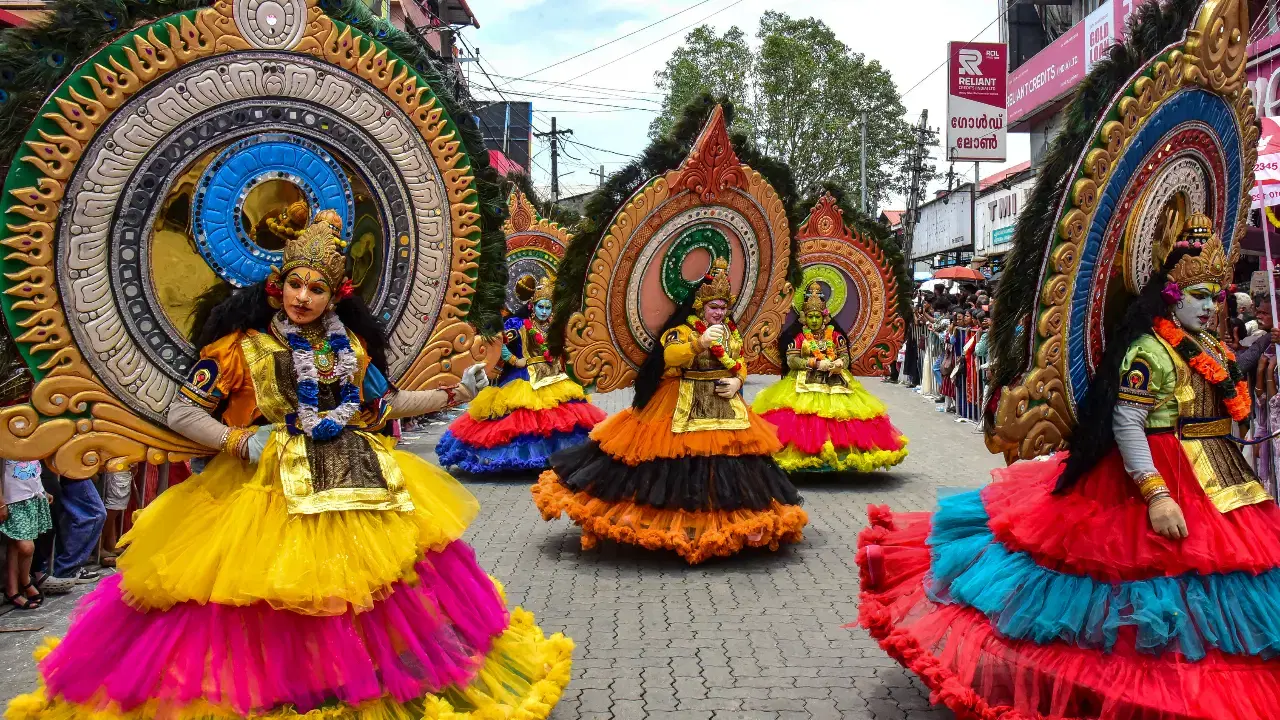
Festivals are a beautiful way to see culture in motion, with music, food, dance and rituals that have been repeated for generations. Check local calendars, but remember that dates can change with lunar calendars and local decisions, so confirm closer to your trip.
Workshops are another good option. You might try block printing, pottery, folk dance, weaving, classical music or a language class. These experiences are usually led by locals, and they let you take part instead of just watching. Choose organisers who are open about where the money goes and who treat their participants and staff fairly.
Some ceremonies are private or sacred. If you’re not sure whether visitors are welcome, ask. If you are allowed to watch, stay quiet, keep a respectful distance and put your phone away unless photos are clearly permitted.
Talk to People, and Listen More Than You Talk
The most meaningful moments often come from simple conversations. Chat with a shopkeeper, a tea seller, a rickshaw driver, a guide or a fellow traveller who lives nearby. Ask open questions like “What’s your favourite local dish?” or “What festival do you enjoy most?” Then actually listen.
Don’t rush to compare everything with your own home. Avoid phrases like “this is so backward” or “why don’t they just...”. Customs have reasons, even if you don’t see them at first. Curiosity works far better than judgement, and people can tell the difference immediately.
If there’s a language barrier, a translation app, a few gestures and a patient smile can take you surprisingly far.
A Quick Look at Ways to Connect
Here’s a simple guide to different ways to experience a place, depending on your time, comfort and budget.
Way to Connect | What You Experience | Good For | Things to Keep in Mind |
|---|---|---|---|
Homestay or guesthouse | Daily life, family meals, local advice | Travellers who want a closer view | Respect house rules and privacy |
Local food and market visits | Flavours, ingredients and cooking habits | Almost every traveller | Choose clean, busy places and ask about ingredients |
Cooking or craft workshops | Hands-on skills and stories | Curious, short-stay travellers | Pick fair, transparent organisers |
Festivals and community events | Music, rituals, dance and celebration | People who enjoy lively settings | Dates and rules vary, so confirm locally |
Guided walks with locals | History, neighbourhood stories and hidden spots | First-time visitors to a city | Book trusted guides and ask about fees upfront |
Be a Respectful Visitor
Exploring culture comes with responsibility. You’re a guest, and your behaviour shapes how locals see travellers. A few simple habits help a lot.
Follow local dress codes and religious customs
Ask before taking photos of people or sacred places
Avoid littering and keep natural and heritage sites clean
Don’t touch, climb or remove artefacts and monuments
Be patient with different ideas of time, queues and personal space
Support local businesses fairly, and avoid exploiting poverty for photos
It’s also wise to respect safety advice, especially in remote or sensitive areas. Check official travel guidance and local rules before visiting, particularly in regions with restrictions or unrest.
Mistakes Many Travellers Make
A few errors show up again and again, and almost all of them come from rushing. Trying to see too many places in too few days leaves no room for real encounters. Treating people like props for photos is disrespectful. Assuming one village or city represents the whole country gives you a narrow picture. And expecting everything to work the way it does at home will only frustrate you.
Leave some gaps in your schedule. Some of the best moments happen when nothing is planned, like an unexpected invitation, a wedding procession passing by or a quiet chat over tea.
Bring the Experience Home

When you return, don’t let the trip fade into a photo album. Cook a dish you learned, stay in touch with people you met and keep learning about the place. Share what you discovered with friends and family, and recommend local businesses you enjoyed. Leave honest reviews that mention the people and communities, not just the views.
Final Thoughts
Exploring local culture isn’t about collecting exotic experiences. It’s about showing up with curiosity, humility and a bit of time. Eat the food, learn a few words, ask before you click, spend your money fairly and say yes when someone kindly invites you in. You may not remember every monument, but you’ll remember the woman who handed you a hot baati and laughed at your face. That’s the part of a journey that stays. Customs, festival dates and rules change from place to place, so always check local guidance before you go.
FAQ's
Visit local markets, try regional food, and participate in cultural activities.
It helps them understand a destination's history, lifestyle, and community values.
Talk with residents, visit museums, and join guided cultural tours.
It involves travelling to experience the traditions, heritage, art, and lifestyle of different communities.
Follow local customs, dress appropriately, and ask permission before taking photographs.
Sources and notes
Links the author listed for this post.
Information is based on general travel practices, cultural tourism resources, and responsible travel recommendations.
- 1
cultural
More on AltFTool
- altftool.com (opens in a new tab)
altftool.com
Discussion
0 comments
No comments yet
Discussion will appear here once it loads.