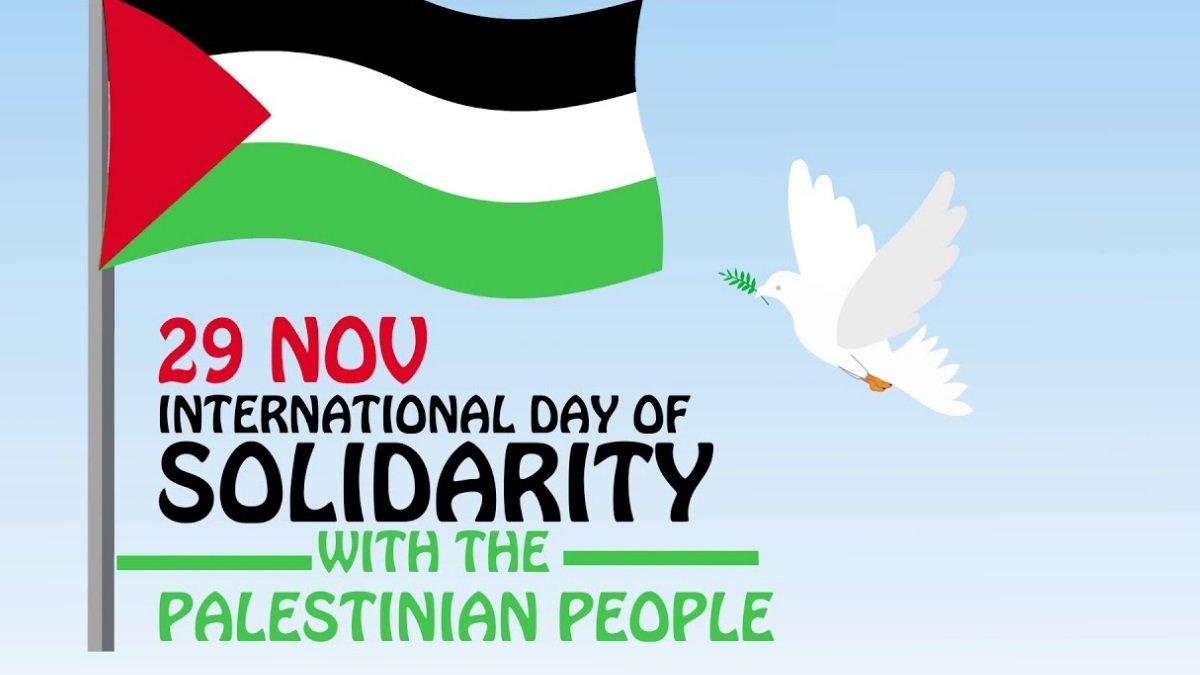
Every year, November 29 is observed as the International Day of Solidarity with the Palestinian People. It is a significant occasion that brings attention to the history, rights, identity, and challenges faced by Palestinian people. The day also encourages governments, international organisations, communities, and individuals to understand the Palestinian experience and recognise the importance of human rights, dignity, freedom, and peace.
Established by the United Nations, this observance is more than a date on the international calendar. It provides an opportunity to reflect on a long-standing political and humanitarian issue that continues to influence conversations around international relations, displacement, national identity, and the search for a lasting peace.
For many people, the day represents an opportunity to learn about Palestinian history, recognise the importance of cultural identity, and show support for the rights and well-being of civilians. It also reminds the international community that meaningful peace requires dialogue, respect for international law, and attention to the needs of people affected by conflict.
In this article, we explore the history of the International Day of Solidarity with the Palestinian People, why November 29 was selected, its global significance, and how people around the world observe this important day.
What Is the International Day of Solidarity with the Palestinian People?
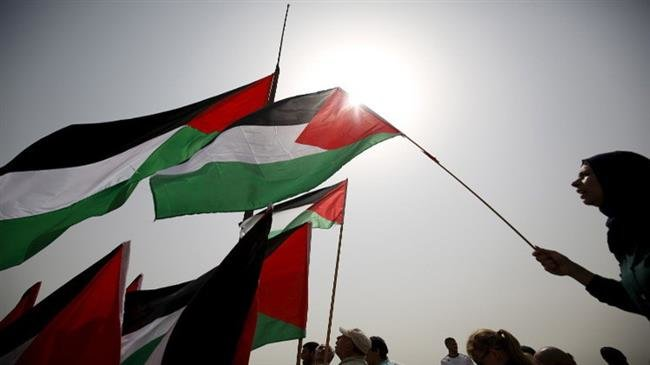
The International Day of Solidarity with the Palestinian People is an annual United Nations observance held on or around November 29. It highlights the Palestinian people's long-standing struggle for self-determination, national independence, sovereignty, and the right to return to homes from which they have been displaced.
The United Nations General Assembly established this observance in 1977 through Resolution 32/40 B. The purpose was to encourage the international community to pay attention to the unresolved question of Palestine and the rights of its people.
The day also creates space for discussions about humanitarian concerns, displacement, access to education, cultural preservation, and the importance of finding a peaceful and lasting solution.
Rather than focusing only on political developments, the observance also recognises the everyday experiences of Palestinian families, children, students, artists, and communities whose lives have been affected by decades of uncertainty.
According to the United Nations, the observance encourages international awareness and continued attention to the rights of the Palestinian people.
History of the International Day of Solidarity with the Palestinian People
To understand why this day matters, it is important to look back at the historical events that shaped the Palestinian question.
1. The 1947 United Nations Partition Resolution
One of the most important dates in this history is November 29, 1947. On this day, the United Nations General Assembly adopted Resolution 181 (II), commonly known as the Partition Plan.
The resolution recommended dividing British Mandate Palestine into two independent states: one Jewish and one Arab. It also proposed placing Jerusalem under a special international administration.
The plan was accepted by the Jewish leadership but rejected by Arab Palestinian leaders and neighbouring Arab states, who opposed its terms and considered the proposed division unjust.
The resolution became a major turning point in the history of the region. However, the proposed Arab state was never established under the plan, while Israel declared independence in May 1948.
The events surrounding the partition, the 1948 war, and the displacement of hundreds of thousands of Palestinians continue to shape the political and humanitarian situation today.
2. The Establishment of the Observance in 1977
Three decades after the partition resolution, the United Nations General Assembly adopted Resolution 32/40 B on December 2, 1977.
Through this resolution, the UN called for November 29 to be observed annually as the International Day of Solidarity with the Palestinian People.
The date was selected because of its direct connection to the 1947 partition resolution. It provided an opportunity for the international community to reflect on the unresolved Palestinian question and discuss the rights and aspirations of Palestinian people.
Since then, the observance has become an important part of the United Nations' annual calendar.
3. Growing International Recognition
Over the years, the observance has developed into an international platform for discussions, educational activities, cultural programmes, and public awareness campaigns.
Governments, civil society organisations, educational institutions, and international agencies participate in activities that highlight Palestinian history, identity, and humanitarian concerns.
In 2005, the UN General Assembly adopted Resolution 60/37, which called for the continuation of an annual exhibition on Palestinian rights or a cultural event connected with the observance.
These activities help introduce people to Palestinian culture and history while encouraging informed conversations about peace, justice, and human rights.
Why Is November 29 Chosen for This Day?
November 29 is not an arbitrary date. It carries historical and political significance for the Palestinian people.
On November 29, 1947, the United Nations General Assembly adopted Resolution 181 (II), which proposed the partition of Palestine into separate Arab and Jewish states.
Although the plan did not lead to the establishment of both proposed states, the date became closely associated with the unresolved question of Palestine.
By choosing November 29 for the annual observance, the United Nations created a recurring opportunity to revisit the historical background, recognise Palestinian aspirations, and encourage international attention towards a peaceful resolution.
The date therefore connects an important historical decision with present-day discussions about Palestinian rights, identity, and self-determination.
Global Significance of the International Day of Solidarity with the Palestinian People
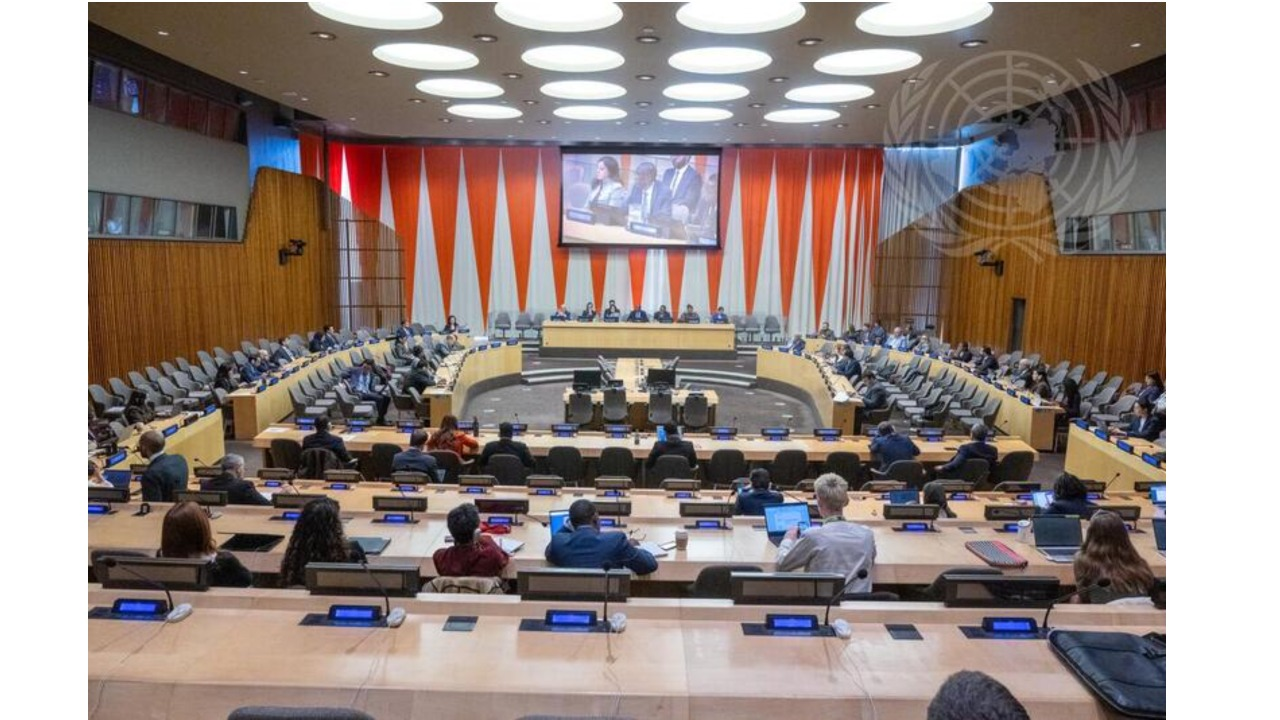
The importance of this day extends beyond the Middle East. It connects with wider international discussions about human rights, national identity, humanitarian protection, and the responsibility of the global community.
Here are some major reasons why this observance holds international significance.
1. Raising Awareness About Palestinian Rights
One of the main purposes of this day is to increase awareness of the rights and aspirations of Palestinian people.
The United Nations has repeatedly highlighted three important rights:
The right to self-determination without external interference.
The right to national independence and sovereignty.
The right of Palestinian refugees to return to their homes and property, in accordance with relevant international resolutions.
These issues remain central to international discussions about Palestine.
The observance encourages people to understand these rights and the historical circumstances surrounding them rather than viewing the issue only through daily news headlines.
2. Highlighting Humanitarian Challenges
Humanitarian concerns are an important part of the global conversation surrounding Palestine.
Many Palestinian communities have experienced displacement, restricted access to essential services, damaged infrastructure, and difficulties accessing healthcare and education.
The situation in Gaza and the West Bank, including East Jerusalem, has drawn considerable international attention.
For families living through conflict and instability, humanitarian needs are not abstract political subjects. They involve everyday necessities such as safe housing, food, clean water, medical treatment, education, and protection.
This day encourages greater awareness of these challenges and the importance of protecting civilian lives.
3. Promoting Peace and International Cooperation
Peace requires more than temporary agreements or political statements. It involves addressing the concerns of affected communities and creating conditions in which people can live with security and dignity.
The International Day of Solidarity with the Palestinian People encourages governments, international organisations, and civil society groups to support diplomatic dialogue and peaceful solutions.
It also provides an opportunity to discuss the role of international law, cooperation, and negotiations in addressing long-standing disagreements.
4. Protecting Palestinian Culture and Identity
Palestinian culture has a rich history reflected in its traditional clothing, embroidery, food, music, poetry, architecture, and storytelling.
Traditional Palestinian embroidery, known as tatreez, is particularly recognised as an important cultural expression. It carries patterns and designs associated with different communities and generations.
Food traditions, including dishes such as musakhan and maqluba, also reflect the region's cultural heritage and family traditions.
Preserving these traditions is important because cultural identity connects people with their history, families, and sense of belonging.
The observance provides an opportunity to recognise Palestinian heritage and encourage the protection of cultural and historical sites.
UNESCO
5. Supporting Education and Awareness
Education plays an important role in helping people understand complex international issues.
Students, teachers, researchers, and journalists can use this day to explore Palestinian history, the role of the United Nations, international humanitarian concerns, and the importance of peaceful dialogue.
Learning from reliable historical records and humanitarian reports also helps people distinguish verified information from misinformation.
Greater awareness can encourage more thoughtful discussions and help younger generations understand why international cooperation and human rights matter.
How Is the International Day of Solidarity with the Palestinian People Observed?
The observance takes place through different activities organised by the United Nations, governments, educational institutions, and civil society organisations.
Although activities vary from country to country, several common approaches help bring attention to the day.
1. United Nations Meetings and Discussions
The United Nations organises special meetings and commemorative programmes where representatives, diplomats, and civil society organisations discuss the Palestinian question.
These gatherings provide opportunities to review historical developments, discuss humanitarian concerns, and highlight international efforts towards a peaceful solution.
2. Cultural Exhibitions and Events
Cultural programmes help people learn about Palestinian traditions, art, literature, and history.
Exhibitions may feature traditional embroidery, photographs, paintings, handicrafts, and other cultural materials that reflect Palestinian identity.
3. Educational Programmes
Schools, universities, and research institutions may organise discussions, lectures, film screenings, and awareness sessions.
These programmes help students explore the historical background of Palestine and understand the importance of human rights and international relations.
4. Social Media Awareness Campaigns
Social media has become another way for people to participate in international observances.
Individuals and organisations share educational resources, historical information, cultural stories, and humanitarian updates.
The hashtag #PalestineDay is also used to join conversations and increase the visibility of the observance.
5. Humanitarian Awareness and Community Support
Some organisations use this occasion to highlight humanitarian needs and encourage responsible support for affected communities.
This may include sharing verified information about humanitarian assistance, education programmes, medical support, and initiatives that protect vulnerable civilians.
The Role of the United Nations in Supporting Palestinian Rights
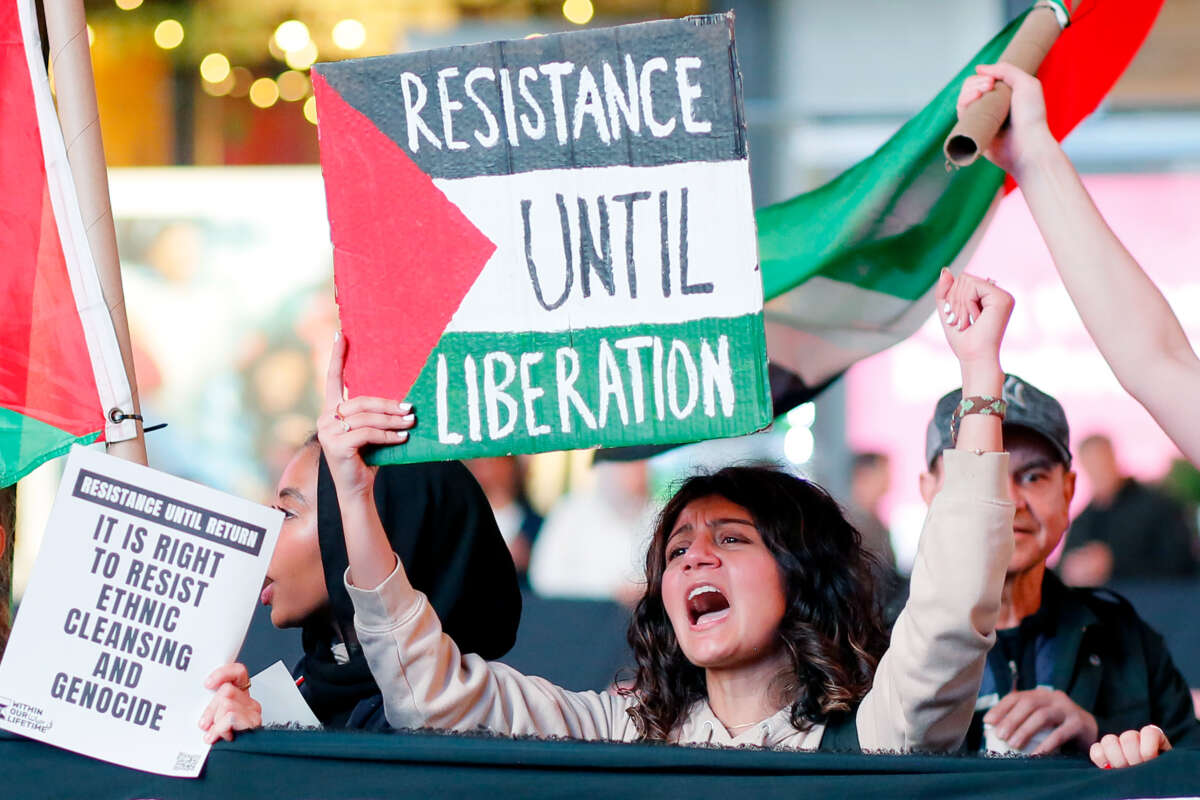
The United Nations has played a central role in bringing the Palestinian question to international attention.
Several UN bodies and agencies work on issues connected with Palestinian rights, humanitarian assistance, development, education, and cultural preservation.
Some important organisations include:
1. UNRWA (United Nations Relief and Works Agency for Palestine Refugees in the Near East)
UNRWA provides essential services to eligible Palestine refugees, including education, healthcare, relief, and social support, subject to its mandate and operational conditions.
2. UNESCO (United Nations Educational, Scientific and Cultural Organization)
UNESCO supports education, cultural heritage protection, and efforts to preserve important historical and cultural sites in Palestine.
3. UN OCHA (United Nations Office for the Coordination of Humanitarian Affairs)
OCHA coordinates humanitarian response efforts and provides information about humanitarian conditions and needs in the occupied Palestinian territory.
4. UN Committee on the Exercise of the Inalienable Rights of the Palestinian People
This committee works to promote awareness and international support for the rights of the Palestinian people.
Together, these organisations contribute to international efforts addressing humanitarian, educational, cultural, and political concerns.
United Nations+2
Why Does This Day Matter in 2026?
The International Day of Solidarity with the Palestinian People remains relevant in 2026 because the situation continues to raise serious questions about civilian protection, displacement, humanitarian assistance, and the future of Palestinian communities.
Developments in Gaza and the West Bank, including East Jerusalem, continue to influence international discussions about security, access to essential services, settlements, and the prospects for a lasting political settlement.
For civilians, these issues have direct consequences. Families need access to safe housing, children need opportunities to learn, and communities need the conditions required to rebuild their lives.
The United Nations' 2026 observance highlights the importance of renewing international commitment to the Palestinian people and pursuing a just and lasting peace.
United Nations
The day also reminds people that international awareness should not disappear when media attention moves to another subject. Understanding history, listening to affected communities, and supporting humanitarian principles remain important throughout the year.
How Can Individuals Show Solidarity?
People do not need to attend an international conference or organise a large event to participate meaningfully in this observance.
There are several thoughtful ways to show awareness and solidarity.
Learn Palestinian history: Read reliable historical sources and understand the events that shaped the region.
Share verified information: Use trustworthy sources when discussing humanitarian developments and Palestinian rights.
Explore Palestinian culture: Learn about traditional embroidery, food, literature, music, and art.
Support humanitarian organisations: Consider contributing to established organisations providing essential services to affected communities.
Encourage peaceful dialogue: Participate in respectful discussions that recognise human dignity and the rights of civilians.
Educate younger generations: Share age-appropriate educational resources that explain the importance of peace, equality, and human rights.
Even small efforts to improve understanding can contribute to more informed conversations and responsible public awareness.
The Importance of Human Rights, Dignity, and Peace
At its heart, the International Day of Solidarity with the Palestinian People is connected to broader principles that matter to people everywhere.
Every individual deserves dignity, safety, access to basic services, and the opportunity to build a future. These principles are particularly important for communities affected by conflict, displacement, and political uncertainty.
The observance also reminds the international community that lasting peace cannot be achieved without addressing the concerns and rights of the people directly affected.
Meaningful progress requires humanitarian protection, respect for international law, diplomatic engagement, and a commitment to a future in which Palestinians and Israelis can live with security and dignity. It is an opportunity to move beyond headlines and understand the human experiences behind a long-standing international issue.
It is observed every year on November 29.
It marks the date in 1947 when the UN General Assembly adopted the Partition Plan for Palestine.
The United Nations established it in 1977 through Resolution 32/40 B.
Its purpose is to raise global awareness about Palestinian rights, identity, self-determination, and humanitarian concerns.
People can participate by learning Palestinian history, attending educational events, sharing reliable information, and supporting humanitarian initiatives.
Sources and notes
Links the author listed for this post.
This article is based on information from official United Nations and UNESCO resources, including historical records, General Assembly resolutions, and reports on Palestinian history, cultural heritage, human rights, and humanitarian concerns.


Discussion
0 comments