
A website is often the first place where people meet a brand. Before visiting a store, calling a business, or making a purchase, customers usually check its website to understand what the brand offers and whether it feels trustworthy.
But there is a big difference between a website that simply provides information and one that actually feels like the brand.
A basic online brochure may list products, services, prices, contact details, and company information. A strong brand website goes much further. It communicates personality, builds trust, creates an emotional connection, and gives visitors an experience they can remember.
In my view, the best brand websites feel almost like walking into the company's physical space. The colors, words, images, layout, interactions, and even small details all tell the same story.
What Is a Brand's Digital Identity?
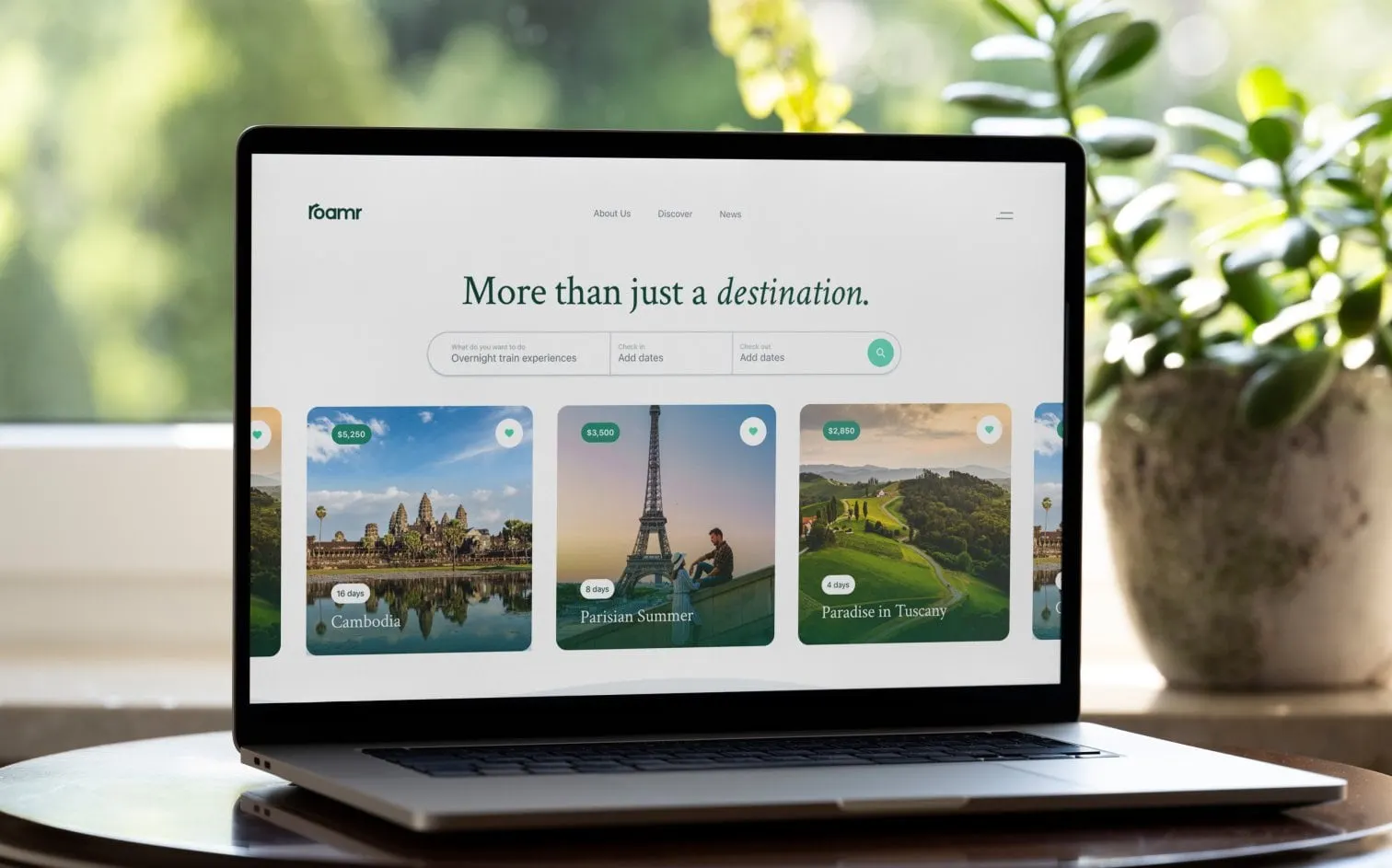
A brand's digital identity is the way a business presents itself online. It includes much more than a logo.
It can include:
Website design
Brand colors
Typography
Photography and graphics
Writing style
Product presentation
Navigation
Customer experience
Social media presence
Interactive features
Overall tone and personality
Think of it this way: your logo tells people who you are, but your website shows them what it feels like to interact with you.
A website becomes a digital identity when all these elements work together consistently.
Website vs Digital Brand Experience
Online Brochure | Digital Brand Identity |
|---|---|
Mainly provides information | Creates an experience |
Focuses on company details | Focuses on brand personality |
Mostly static | Interactive and engaging |
Generic design | Distinctive visual identity |
Product-focused | Customer and story-focused |
Limited emotional connection | Builds emotional connection |
One-way communication | Encourages interaction |
1. Start With a Strong Visual Identity
The first thing visitors notice is usually the visual design.
Colors, fonts, images, spacing, icons, buttons, and layouts should feel like they belong to the same brand. When these elements are carefully selected, visitors can recognize the brand even before reading its name.
For example, a luxury brand may use elegant typography, generous white space, and high-quality photography. A playful children's brand may use brighter colors, friendly illustrations, and energetic layouts.
The important thing is not simply to make a website attractive. It should look recognizably yours.
Keep Branding Consistent
Your website should match the visual language customers see elsewhere.
Brand Element | What It Communicates |
|---|---|
Colors | Mood and personality |
Fonts | Style and character |
Images | Lifestyle and positioning |
Logo | Brand recognition |
Icons | Visual language |
Buttons | Interaction style |
Layout | Overall experience |
Consistency helps customers feel that they are interacting with one company rather than several disconnected platforms.
2. Give the Brand a Distinctive Voice
Design gets attention, but words create personality.
A website should sound like the brand. The writing style should remain consistent across the homepage, product pages, About page, FAQs, and calls to action.
A financial company may use a reassuring and professional tone. A fashion label might use a more expressive and trend-focused voice. A food brand may choose warm and conversational language.
Avoid Generic Website Copy
Statements such as:
"We provide high-quality solutions for all your needs."
can appear on almost any business website.
Instead, explain what makes the company different and why customers should care.
Good website copy should answer three basic questions:
Who are you?
What do you offer?
Why should customers choose you?
When these answers sound authentic, the website begins to feel like a real brand rather than a template.
3. Make the Homepage Tell a Story
The homepage should not feel like a collection of random sections.
It should guide visitors through a simple story.
For example:
Who we are → What problem we solve → How we help → Why customers trust us → What to do next
This structure makes the website easier to understand.
Your hero section is particularly important because it creates the first impression. Instead of simply saying "Welcome to Our Website," use the space to communicate the brand's main promise.
A Strong Homepage Can Include
Clear brand message
Strong visual
Short value proposition
Key products or services
Customer benefits
Social proof
Brand story
Testimonials
Clear call to action
The goal is not to put everything on the homepage. The goal is to make visitors curious enough to explore further.
4. Use Images That Feel Original
Images can instantly change how a website feels.
Stock photography can be useful, but relying too heavily on generic images can make a website look similar to thousands of others.
Original product photography, behind-the-scenes images, team photographs, customer stories, illustrations, and branded graphics can make the experience much more personal.
For example, a restaurant can show its actual kitchen and dishes instead of generic food photos. A clothing brand can show its own collections through a consistent photography style.
Real visuals often make a brand feel more believable.
5. Make User Experience Part of the Brand
Brand identity is not only about appearance. It is also about how easy and enjoyable the website is to use.
Imagine a beautifully designed website where visitors cannot find the product they want. The design may look impressive, but the experience is frustrating.
A strong digital brand makes navigation feel natural.
Important UX Elements
Simple navigation
Fast-loading pages
Mobile-friendly design
Clear buttons
Easy search
Logical page structure
Accessible content
Simple checkout or enquiry process
A smooth experience communicates something about the brand too.
If a website is easy to use, customers may naturally assume the company itself is organized and customer-friendly.
6. Add Personality Through Small Details
Sometimes the smallest details make a website memorable.
These could include:
Custom icons
Unique button text
Small animations
Personalized messages
Interesting loading screens
Branded illustrations
Helpful microcopy
Creative error pages
Interactive product features
For example, instead of a generic "Submit" button, a brand could use a more natural phrase that matches its personality.
These details should not become distracting. Their purpose is to make the experience feel intentional.
7. Build Trust Before Asking for a Sale
A website should not immediately push visitors toward buying something.
People often need reassurance first.
Trust can be created through:
Customer reviews
Testimonials
Case studies
Awards
Certifications
Media mentions
Transparent pricing
Return policies
Contact information
Secure payment options
Real customer stories
Why Social Proof Matters
When visitors see that other people have had positive experiences, uncertainty can decrease.
A strong website doesn't simply say "Trust us."
It provides reasons for visitors to trust the brand.
8. Make the About Page Actually Interesting
The About page is often treated as an afterthought, but it can be one of the strongest parts of a brand website.
Instead of filling it with corporate language, explain the story behind the business.
You can share:
Why the company started
The problem it wanted to solve
What the founders believe
Important milestones
The people behind the brand
The company's values
Its vision for the future
Customers increasingly want to know the story behind the products and services they use.
A good About page turns a business from an unfamiliar name into something more human.
9. Personalization Can Make the Website Feel Alive

Modern websites can provide more personalized experiences than traditional brochures ever could.
For example, a website can recommend products based on browsing behavior, remember preferences, show location-specific information, or provide customized content.
Even simple personalization can make visitors feel understood.
However, personalization should be useful rather than intrusive.
Good Personalization Should Feel Like:
"This website understands what I need."
Not:
"This website is watching everything I do."
The balance between usefulness and privacy is important for maintaining trust.
10. Create Interactive Experiences
A brochure is mostly something people read. A digital brand can invite people to interact.
Depending on the business, this could include:
Product configurators
Calculators
Quizzes
Interactive galleries
Virtual tours
Size guides
Comparison tools
Booking systems
Live chat
Product recommendations
These features give visitors a reason to spend more time with the brand.
The interaction itself becomes part of the brand experience.
11. Connect the Website With Social Media
A website should not exist in isolation.
Customers may discover a brand through Instagram, YouTube, Facebook, LinkedIn, search engines, advertisements, or other platforms.
The experience should remain consistent when they move between these channels.
Channel | Brand Consistency |
|---|---|
Website | Main digital experience |
Visual personality | |
YouTube | Storytelling and education |
Direct communication | |
Search | First discovery |
Online ads | First impression |
When the same tone, visuals, and message appear across platforms, customers are more likely to recognize the brand.
12. Design for Mobile First
Today, many visitors experience a brand through a smartphone.
That means mobile design cannot simply be an adjusted version of desktop design.
Menus should be easy to use, text should be readable, buttons should be comfortable to tap, and pages should load quickly.
A website that works beautifully on mobile tells customers that the brand understands modern digital behavior.
13. Measure What Visitors Actually Do
A brand website should evolve over time.
Analytics can help businesses understand:
Which pages attract visitors
Where people leave
Which products receive attention
Which buttons get clicks
How visitors find the website
How mobile users behave
Which pages lead to conversions
These insights can help improve both usability and brand experience.
The goal is not to redesign the website every few months. It is to continuously make the experience more useful and meaningful.
What Makes a Website Truly Memorable?
A memorable website usually combines several elements rather than relying on one impressive feature.
The Brand Website Formula
Strong identity + useful content + smooth UX + authentic storytelling + consistent communication = memorable digital brand experience
If one part is missing, the experience can feel incomplete.
A beautiful website with confusing navigation can frustrate visitors. A useful website with generic branding may be forgotten. A stylish website without trust signals may struggle to convert.
The strongest websites bring everything together.
Common Mistakes That Make Websites Feel Like Brochures
Some businesses unintentionally make their websites feel outdated or overly generic.
Common mistakes include:
Using too much corporate language
Copying competitor website layouts
Depending entirely on stock images
Hiding important information
Creating complicated navigation
Focusing only on products
Ignoring mobile users
Using inconsistent branding
Having weak calls to action
Forgetting the customer journey
A website should not simply tell visitors what the business does. It should help them experience what the brand stands for.
Conclusion
A website is much more than an online brochure. When its design, content, visuals, tone, and user experience work together, it becomes a powerful digital identity for the brand. A memorable website helps customers understand what a business stands for, builds trust, and creates an experience they want to return to. In the end, the best brand websites do not just tell visitors about a company—they make them feel the brand.
FAQ's
A digital brand identity is how a business presents itself online through its design, content, voice, visuals, and customer experience.
Consistent visuals, authentic content, distinctive messaging, smooth navigation, and a recognizable personality make a website feel like a brand.
Website design creates the first impression and helps communicate a company's personality, values, and professionalism.
Yes. Small businesses can create strong identities through consistent branding, original content, clear messaging, and a user-friendly website.
Yes. A modern website can educate, interact, personalize experiences, build trust, generate leads, and create a lasting connection with customers.
Sources and notes
Links the author listed for this post.
This article is based on general principles of website branding, user experience, digital marketing, and customer engagement.


Discussion
0 comments