
Seasonal shopping has a special feeling that regular shopping often does not. Whether it is Diwali, Christmas, Valentine’s Day, winter sales, summer collections, or back-to-school season, retailers get a limited window to attract customers and make an impression.
But today, customers are not only looking for products. They want an experience that feels special, convenient, personal, and worth remembering.
This is why successful seasonal retail brands focus on more than discounts and attractive packaging. They create a complete shopping journey—from the first advertisement to the moment a customer receives the product and even what happens after the purchase.
What Makes Seasonal Retail Different?
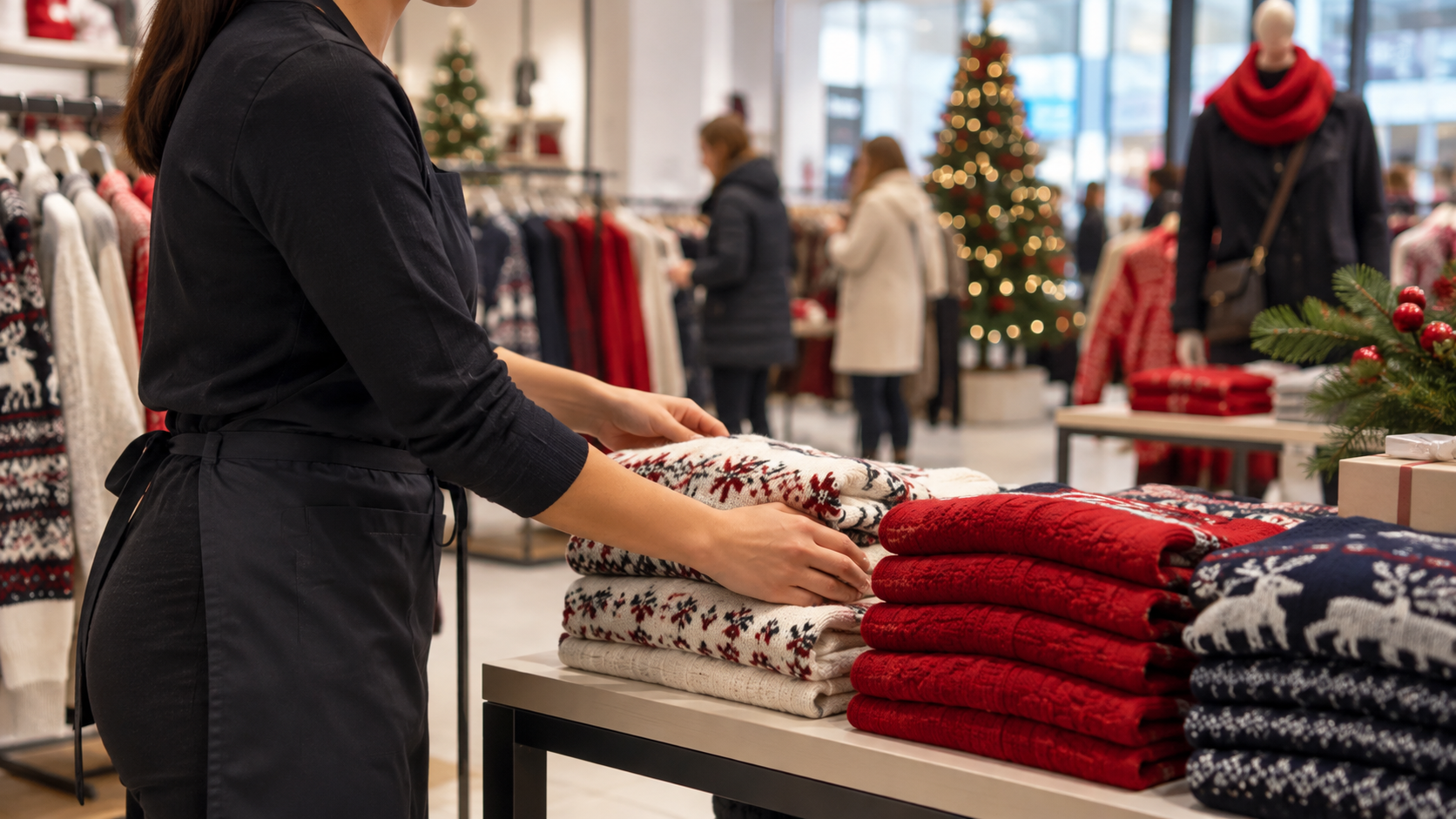
Seasonal retail works around a specific period when customer interest increases. People may shop because of a festival, holiday, weather change, special event, or annual tradition.
For example, during Diwali, customers may look for ethnic clothing, gifts, sweets, home décor, and electronics. During winter, they may search for jackets, skincare products, warm accessories, and home essentials.
The opportunity is limited because the season eventually ends. This creates urgency for both brands and customers.
Seasonal Period | Common Customer Needs | Experience Opportunity |
|---|---|---|
Diwali | Gifts, clothing, décor | Festive packaging and gift options |
Christmas | Gifts, fashion, décor | Personalized recommendations |
Valentine’s Day | Gifts, flowers, fashion | Emotional campaigns |
Summer | Clothing, travel, skincare | Seasonal collections |
Winter | Apparel, beauty, home products | Comfort-focused shopping |
Back-to-school | Stationery, bags, clothing | Easy bundles and checklists |
The brands that perform well understand that seasonal shopping is often emotional as well as practical.
1. Seasonal Storytelling Makes Shopping More Memorable
One of the strongest ways a retail brand can create a lasting experience is through storytelling.
Instead of simply saying, “Buy our new collection,” brands can build a story around the season.
For example, a winter campaign could focus on cozy evenings, family gatherings, warm clothing, and comfort. A Diwali campaign could highlight togetherness, gifting, celebration, and decorating the home.
This makes the product part of a bigger experience.
Why Storytelling Works
Customers may forget a discount after a few weeks, but they are more likely to remember a campaign that created an emotion.
A good seasonal story can:
Create an emotional connection
Make products feel more meaningful
Increase brand recognition
Encourage social sharing
Give customers a reason to return
The important thing is to keep the story natural. Customers can quickly notice when a campaign feels forced or overly promotional.
2. Limited-Time Collections Create Excitement
Seasonal products naturally have a limited lifespan. Smart retailers use this limitation to create excitement.
A brand might introduce a special Diwali collection, limited-edition packaging, winter capsule collection, or holiday gift box.
The idea is simple: customers know that the product may not be available in the same form later.
Limited Collections Can Create:
Urgency: Customers feel encouraged to make a decision.
Exclusivity: Limited products can feel more special.
Conversation: Customers may share new collections with friends and family.
Seasonal identity: Products become connected with a particular occasion.
However, brands should avoid creating artificial scarcity. The experience should feel exciting rather than manipulative.
3. Personalization Makes Customers Feel Valued
Customers increasingly expect brands to understand their preferences.
Seasonal shopping provides a great opportunity for personalization because customer needs are often easier to predict.
For example, an online fashion store could recommend:
Party outfits
Winter accessories
Gift ideas
Matching family outfits
Products based on previous purchases
A beauty retailer could create personalized holiday gift suggestions based on skin type, product history, or budget.
Simple Personalization Ideas
Customer Need | Personalization Idea |
|---|---|
Gift shopping | “Gifts under ₹1,000” |
Fashion | Occasion-based recommendations |
Home décor | Room-based suggestions |
Beauty | Personalized product bundles |
Kids | Age-based collections |
Budget shoppers | Price-based categories |
Personalization does not always require complicated technology. Even well-organized categories and useful recommendations can make shopping feel more personal.
4. Seasonal Packaging Turns Delivery Into an Experience
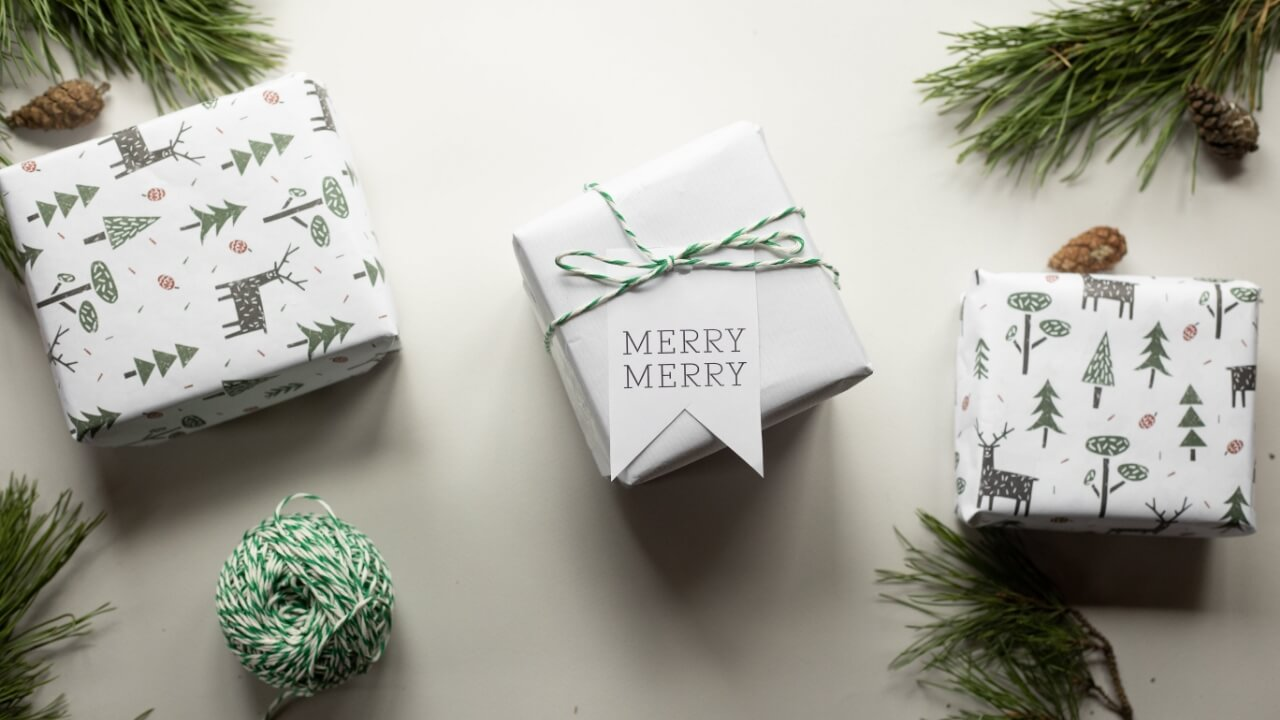
Packaging is often the first physical interaction customers have with an online brand.
During seasonal periods, packaging can become part of the celebration.
A simple box can be transformed with:
Seasonal colors
Festive stickers
Greeting cards
Gift-ready wrapping
Thank-you notes
Reusable packaging
Small surprise items
For example, receiving a beautifully packed Diwali gift can make the customer feel that the brand understands the occasion.
This small moment can also encourage customers to share their unboxing experience online.
5. Discounts Should Not Be the Entire Strategy
Seasonal sales are popular, but competing only on price can become difficult.
If every brand offers “50% off,” customers may simply choose the cheapest option.
Instead, retailers can combine discounts with additional value.
Better Than a Basic Discount
A brand could offer:
Free gift wrapping
Free shipping above a certain amount
Personalized gift notes
Buy-one-get-one offers
Seasonal bundles
Early-access shopping
Loyalty rewards
Exclusive member offers
This creates a stronger reason to choose the brand.
A customer may remember getting a beautifully packaged gift with free delivery more than simply receiving a small price reduction.
6. Creating a Smooth Omnichannel Experience
Modern customers may discover a product on Instagram, compare it on a website, visit a physical store, and finally purchase through a mobile app.
Seasonal brands need to make this journey smooth.
The customer should ideally see a consistent experience across different channels.
Channel | What Customers Expect |
|---|---|
Attractive seasonal inspiration | |
Website | Easy browsing and checkout |
Mobile app | Personalized offers |
Physical store | Festive atmosphere |
Useful recommendations | |
Customer service | Quick seasonal support |
When these channels work together, customers do not feel like they are interacting with completely different versions of the same brand.
7. Physical Stores Can Become Seasonal Destinations
For brick-and-mortar retailers, seasonal decoration can completely change the shopping environment.
A store can use lighting, music, displays, colors, product arrangements, and interactive sections to create a seasonal mood.
But decoration alone is not enough.
The experience should also help customers shop more easily.
For example, instead of placing hundreds of products randomly, a store could create sections such as:
Gifts for Family
Gifts Under ₹500
Party Wear
Festive Home Décor
Last-Minute Gifts
This combination of atmosphere and convenience can make shopping more enjoyable.
8. Interactive Experiences Encourage Customer Participation
Customers enjoy being part of a campaign rather than simply seeing advertisements.
Retailers can create simple interactive experiences such as:
Seasonal photo booths
Gift recommendation quizzes
Personalized cards
Social media challenges
In-store workshops
Festive contests
Digital wish lists
Virtual product try-ons
These activities can create memorable moments while also giving customers reasons to interact with the brand.
A Simple Example
Imagine a fashion retailer creating a festive styling corner where customers can select an outfit, accessories, and footwear and see the complete look.
The customer is not simply buying a dress anymore. They are experiencing how the brand can help them prepare for the occasion.
9. Customer Service Becomes Even More Important During Seasonal Rush
Seasonal shopping can create stress.
Customers may need products before a festival, birthday, wedding, or holiday. A delayed delivery or confusing return policy can quickly damage the experience.
This is why customer service needs extra attention during busy seasons.
Brands should clearly communicate:
Delivery dates
Return policies
Exchange conditions
Stock availability
Customer support hours
Gift-wrapping options
Order tracking
Clear communication can prevent disappointment.
10. Fast and Reliable Delivery Builds Trust

A beautiful campaign means little if the product arrives late.
Seasonal customers often shop with a deadline. They may need a gift before a festival or an outfit before an event.
Retailers can improve the experience by offering:
Accurate delivery estimates
Order tracking
Multiple delivery options
Local pickup
Same-day or next-day delivery where possible
Clear notifications
The key is not necessarily to promise the fastest delivery. It is to provide a realistic promise and keep it.
The Formula for a Memorable Seasonal Retail Experience
A strong seasonal retail strategy does not depend on one element.
It combines several small experiences.
Experience Element | Purpose |
|---|---|
Storytelling | Creates emotion |
Product selection | Meets seasonal needs |
Personalization | Makes shopping relevant |
Packaging | Adds excitement |
Convenience | Reduces customer effort |
Customer service | Builds trust |
Loyalty | Encourages repeat purchases |
Sustainability | Adds long-term value |
Follow-up | Keeps the relationship alive |
When these elements work together, the customer remembers the brand—not just the product.
Common Mistakes Seasonal Retail Brands Should Avoid
Not every seasonal campaign creates a positive experience.
Some common mistakes include:
Focusing only on discounts
Using the same campaign every year
Ignoring customer service
Making delivery promises that cannot be met
Overloading customers with messages
Using poor-quality seasonal packaging
Creating complicated return policies
Making campaigns feel too sales-focused
The best seasonal campaigns balance business goals with customer needs.
How Small Retail Brands Can Create Big Experiences
Creating memorable experiences does not always require a huge marketing budget.
Small retailers can focus on simple details.
For example, a local clothing store could offer free festive gift wrapping. A small gift shop could add handwritten thank-you cards. An online seller could create curated gift bundles based on different budgets.
These small touches can make a brand feel more thoughtful.
Conclusion
Seasonal retail brands have a limited window to capture attention, but the best ones focus on creating experiences that customers remember long after the season ends. From attractive store displays and personalized offers to festive packaging, smooth shopping, and meaningful customer service, every small detail can make a difference.
The key is to make customers feel connected to the season and the brand at the same time. When seasonal retailers combine creativity, convenience, personalization, and emotion, they can turn short-term seasonal shoppers into loyal customers who return year after year.
FAQ's
Seasonal retail means selling products, collections, or promotions around specific seasons, festivals, holidays, or events.
A good customer experience can make shopping easier, create emotional connections, and encourage repeat purchases.
Small retailers can use personalized recommendations, gift wrapping, thank-you notes, seasonal displays, and excellent customer service.
Not always. Customers may also value convenience, product quality, personalization, packaging, and reliable delivery.
Brands can follow up after purchases, offer loyalty rewards, personalize future recommendations, and provide consistent customer service.
Sources and notes
Links the author listed for this post.
This article is based on general retail, e-commerce, customer experience, and seasonal marketing practices.


Discussion
0 comments