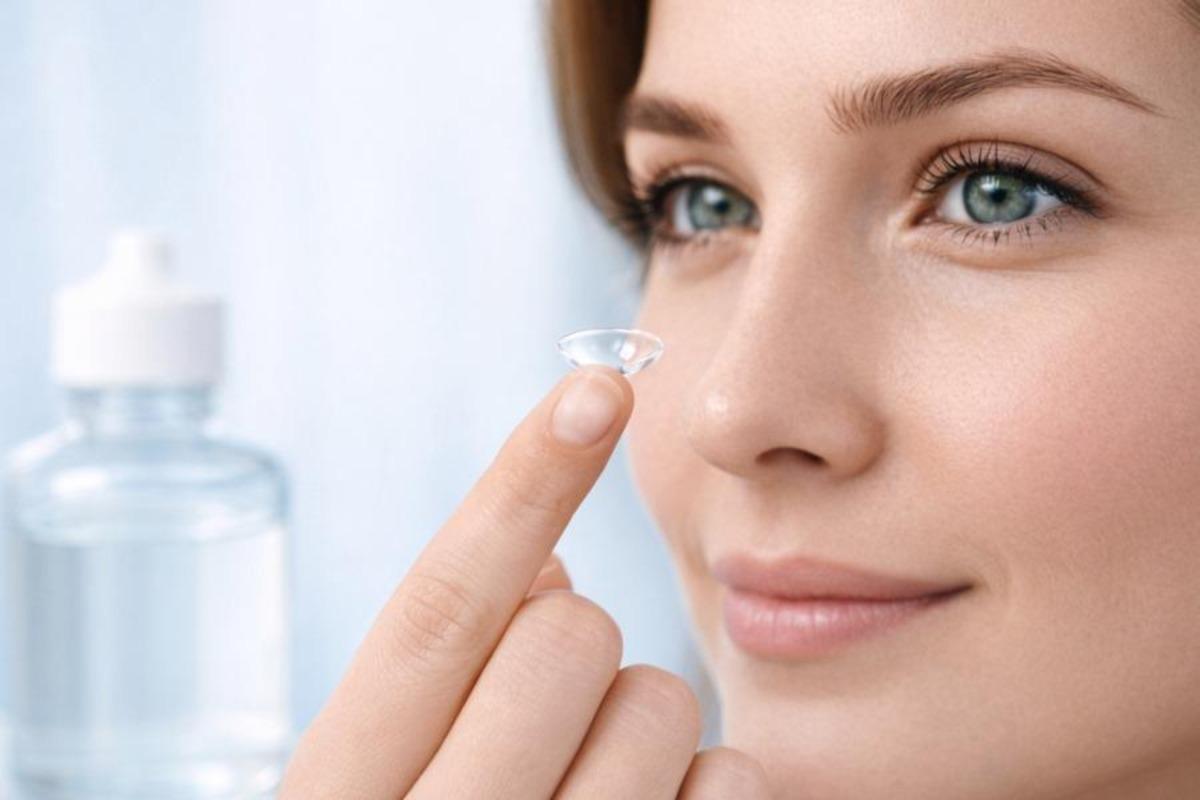
Contact lenses have made daily life so much easier for people who need vision correction. Whether you're working on a laptop, travelling, dressing up for a special occasion or enjoying the outdoors, they offer a great alternative to glasses. They sit right on the surface of your eye and give you clear vision without changing how your face looks. Many people love the freedom of not having frames on their nose all day. But that freedom comes with a responsibility that a lot of new users don't think about at first. Your eyes are delicate, and they need a bit of care every single day.
Wearing contact lenses isn't just about popping them in and heading out. Proper cleaning, careful handling and regular eye care are what keep your eyes comfortable and healthy. Many new users focus only on choosing the right lens, but everyday habits matter just as much. Wearing lenses too long, sleeping in them or skipping the cleaning can raise the risk of infections and irritation. These small mistakes seem harmless, yet they can cause real trouble over time.
If you plan to use contact lenses regularly in 2026, a few basic safety habits can make a big difference. Here's what every wearer should know.
1. Choose Contact Lenses According to Your Prescription
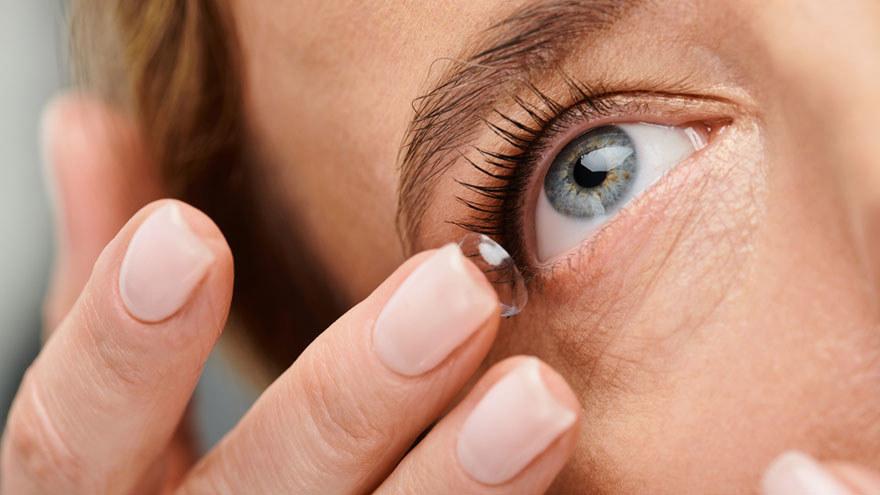
The first step toward safe use is getting the right prescription from an eye care professional. Contact lenses aren't the same as glasses, and their measurements and fitting needs are different. Even if you already wear spectacles, don't assume the same prescription will work for lenses.
An eye exam helps determine the correct lens power, base curve and diameter, so the lenses fit comfortably and correct your vision properly.
Why Professional Fitting Matters
A poorly fitted lens may slide around, feel uncomfortable or irritate your eyes. In some cases, an unsuitable lens can even affect the health of the cornea. Talk to your optometrist about your daily routine before buying. Someone who spends hours at a computer may need different comfort features from someone who plays sports outdoors. And never buy prescription lenses just because a friend uses the same brand.
2. Understand Different Types of Contact Lenses
👁️ Daily Disposable Lenses
Designed for single-day use.
Use a fresh pair every day and discard them after use. Never reuse daily disposable lenses.
✨ Monthly Contact Lenses
Made for scheduled reusable wear.
Clean, disinfect and store these lenses properly after every use. Follow the prescribed replacement schedule.
🔵 Toric Contact Lenses
Designed for astigmatism.
These specially designed lenses help correct blurred vision associated with astigmatism.
Lenses come in several varieties, and knowing the differences helps you pick one that suits your vision and lifestyle.
Daily Disposable Lenses
These are made for single-day use. You put in a fresh pair each morning and throw them away at night. They're great if you don't want to deal with cleaning and storage, but they should never be reused.
Monthly Contact Lenses
Monthly lenses can be worn for the period your eye care professional and the manufacturer specify. They need proper cleaning, disinfection and storage after every use, so they suit people who can follow a steady routine.
Toric Contact Lenses
Toric lenses correct astigmatism. Their special shape helps people with this condition see clearly.
Multifocal Contact Lenses
Multifocal lenses help people who need correction at different distances, both near and far. The right type depends on your prescription, eye health and personal needs, and your eye care professional can guide you.
3. Always Wash Your Hands Before Handling Lenses
Hand hygiene is one of the simplest but most important habits. Your hands touch phones, keyboards, door handles, money and countless other surfaces all day. Handling lenses with unwashed hands can pass dirt, oils and germs straight onto them.
Before inserting or removing your lenses, wash your hands well with soap and clean water. Dry them with a clean, lint-free towel, and don't leave water droplets on your fingers, since ordinary water isn't suitable for lens care. It only takes a few moments, yet it greatly reduces the risk of contamination.
4. Follow the Correct Cleaning Routine
Cleaning needs depend on the type of lens you use. Reusable lenses must be cleaned and disinfected with a solution your eye care professional recommends. Never use tap water, bottled water, saliva or homemade saline, because none of them can replace a proper disinfecting product.
Important Cleaning Habits
Use fresh lens solution every time
Never reuse old solution in the case
Don't mix fresh solution with leftover solution
Rub and rinse lenses as the manufacturer instructs
Keep the case clean and let it air-dry
Replace the case as recommended
Multipurpose solutions and hydrogen peroxide systems have different instructions, and hydrogen peroxide solutions need a specific neutralisation step before you wear the lenses. Following the instructions carefully matters far more than saving a few minutes.
5. Avoid Sleeping or Napping With Contact Lenses
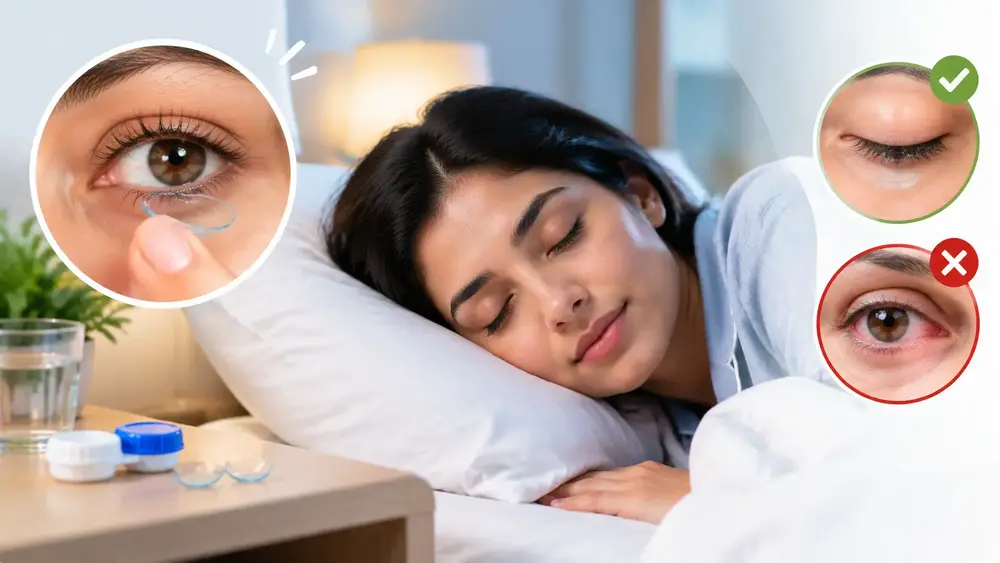
One common mistake is falling asleep with lenses still in. After a long day, heading straight to bed feels easy, but sleeping in lenses that aren't approved for overnight wear can raise the risk of serious eye infections.
Your cornea gets oxygen from the air and your tears. Wearing lenses during sleep cuts down the oxygen available and can affect the normal condition of your eye. Even a short nap can cause problems, especially if your eyes are already dry or irritated. Unless your eye care professional has specifically prescribed lenses for overnight use, take them out before sleeping. Making lens removal part of your bedtime routine is an easy way to protect your eyes.
6. Don't Exceed the Recommended Wearing Time
Lenses are designed to be worn for a certain period, which depends on the material, the type and your own eye condition. Wearing them longer than advised doesn't save money. It can increase dryness, discomfort and the chance of complications.
Someone who wears lenses through a long office day may start feeling irritation by evening. Instead of ignoring it, take the lenses out and switch to your glasses if needed. There's no single schedule that suits everyone, so follow your eye care professional's advice and the manufacturer's instructions. Never stretch the replacement schedule of daily, biweekly or monthly lenses.
7. Take Extra Care While Using Screens
Many of us spend hours on computers, phones and tablets. While looking at screens, we blink less often, which can lead to dry eyes. Lens wearers may notice this more, especially in air-conditioned offices or rooms with low humidity. A few simple habits help:
Take regular breaks from screens
Remember to blink normally
Keep your screen at a comfortable distance
Avoid pointing fans or air conditioners at your face
Use only eye drops approved for contact lens use, when recommended
If your eyes often feel dry, talk to an eye care professional. You may need a different lens material, a different wearing schedule or suitable lubricating drops.
8. Be Careful While Showering and Swimming
Water exposure is a serious concern for lens wearers. Swimming, showering and using hot tubs with lenses in can expose your eyes to germs found in water. Some infections, including Acanthamoeba keratitis, are hard to treat and can threaten your vision.
It's safest to remove your lenses before swimming, showering or getting into a hot tub. If you need vision correction while swimming, ask your eye care professional about options like prescription swimming goggles. And never rinse your lenses or your lens case with tap water.
9. Recognise Signs of Eye Irritation and Infection
Contact lenses shouldn't cause ongoing pain or serious discomfort. Sometimes users brush off redness or blurred vision as simple tiredness, but these symptoms shouldn't be taken lightly. Watch for warning signs like:
Red or unusually irritated eyes
Eye pain or a burning feeling
Blurred or reduced vision
Unusual sensitivity to light
Excessive watering or discharge
A feeling that something is stuck in the eye
If you notice any of these, remove your lenses right away and don't put them back in. Get prompt advice from an eye care professional. Severe pain, light sensitivity or sudden vision changes need urgent care. And don't try to fix a possible infection by just changing your lens solution.
10. Keep Prescription Eyewear as a Backup
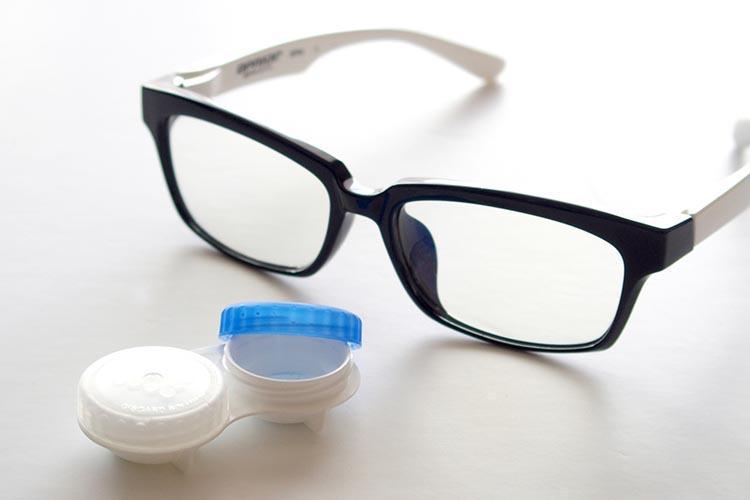
Even if you prefer lenses, keep a good pair of prescription glasses. Some days your eyes will feel tired, you may get irritation or you simply won't feel like wearing lenses. Having glasses ready lets you take a break without compromising your vision.
Glasses also help during illness, travel and situations where cleaning facilities are limited. If you wear lenses regularly, keeping your spectacle prescription up to date is a sensible part of your eye care routine.
11. Store and Replace Contact Lenses Properly
Storage matters just as much as cleaning. Keep reusable lenses in a clean case with fresh disinfecting solution, and follow the storage instructions. Avoid using an old or dirty case, and never put lenses in random containers.
Watch the replacement date on the packaging. A monthly lens shouldn't be used for extra weeks just because it still looks clear. Check the expiry date and packaging condition before opening a new pair too. If a lens is damaged, torn or contaminated, don't use it.
Final Thoughts
Contact lenses can make daily activities more comfortable, but safe use depends on steady eye care habits. Getting the right prescription, washing your hands, cleaning reusable lenses properly and following the recommended wearing schedule are all essential.
It's equally important to avoid sleeping in lenses unless they're prescribed for overnight use, to keep them away from water and to spot early signs of irritation. Whether you're a first-time user or have worn lenses for years, never treat eye care as optional. Keep your glasses handy, attend regular eye exams and contact an eye care professional whenever something feels off.
The real convenience of contact lenses comes from using them responsibly. A few careful habits every day can help you enjoy clear vision while protecting your long-term eye health.
Follow the wearing schedule recommended by your eye care professional.
Avoid sleeping in lenses unless specifically prescribed for overnight use.
No, use only the recommended contact lens solution.
Replace them according to the manufacturer's recommended schedule.
Yes, some users experience dryness and irritation.
Sources and notes
Links the author listed for this post.
This article is prepared using general eye care guidance, contact lens safety recommendations, lens hygiene practices and information about prescription eyewear.
- 1
If a lens is damaged, torn or contaminated, don't use it. If a lens is damaged, torn or contaminated, don't use it.


Discussion
0 comments