A healthy lifestyle does not have to mean following a strict diet, spending hours at the gym, or completely changing your daily routine. In my experience, the habits that actually last are usually the simple ones that fit naturally into everyday life. Health and wellness are about much more than avoiding illness. They include how we eat, sleep, move, manage stress, spend our time, and take care of our mental health. Even small improvements can make a noticeable difference when we follow them consistently.
The good thing is that you do not need to start everything at once. Choosing two or three healthy habits and gradually building from there can be a much more realistic approach.
What Does a Healthy Lifestyle Really Mean?
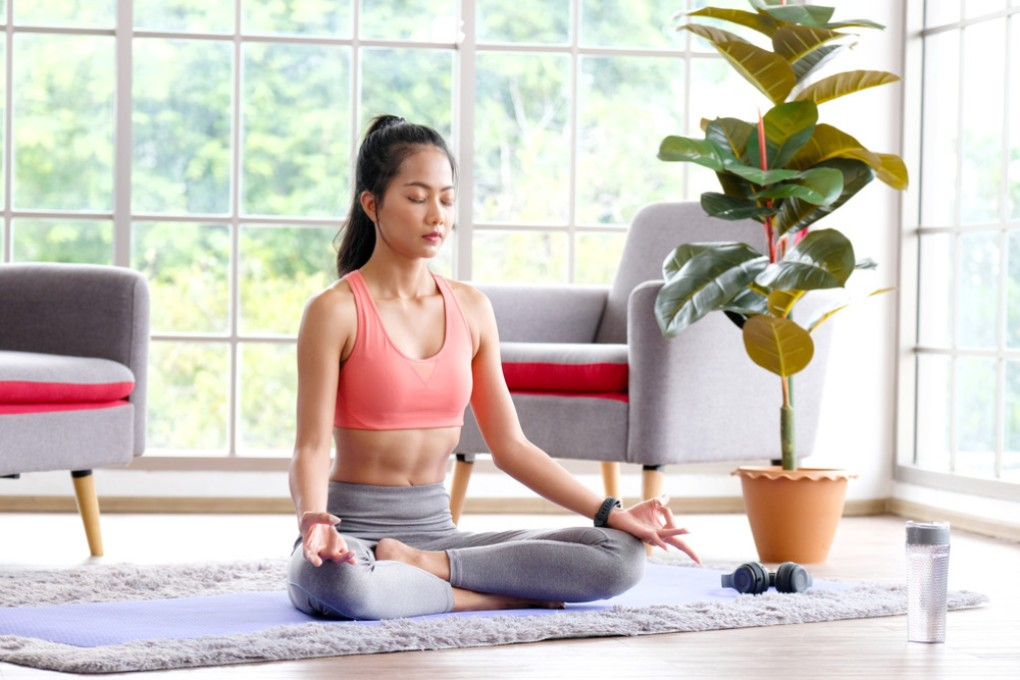
A healthy lifestyle means taking regular care of both your body and mind. It includes nutritious food, physical activity, good-quality sleep, stress management, personal hygiene, social connections, and regular health checkups.
There is no single routine that works for everyone. Your age, work schedule, food preferences, activity level, and personal needs all matter.
Wellness Area | Healthy Habit |
|---|---|
Nutrition | Eat a balanced and varied diet |
Exercise | Stay physically active regularly |
Sleep | Maintain a consistent sleep schedule |
Mental Health | Make time for relaxation |
Hydration | Drink enough fluids |
Hygiene | Follow good personal hygiene |
Social Wellness | Stay connected with people |
Preventive Care | Keep up with recommended checkups |
The goal is not perfection. Consistency is much more useful than an occasional burst of healthy activity.
1. Start Your Day With a Healthy Routine
How you begin your morning can influence how you feel throughout the day.
You do not need a complicated morning routine. Start with simple actions such as drinking water, getting some natural light, stretching, eating a nutritious breakfast if you normally eat breakfast, and avoiding immediately scrolling through your phone.
A simple morning could look like this:
Wake up at a consistent time.
Drink water.
Open the curtains or spend some time outdoors.
Do light stretching or movement.
Eat a balanced meal when appropriate.
Plan the important tasks for your day.
The idea is to create a calm beginning rather than rushing from the moment you wake up.
2. Eat a Balanced and Varied Diet
Food plays a major role in overall wellness. Instead of focusing on one "perfect" food, it is better to include a variety of nutritious foods.
Try to include vegetables, fruits, whole grains, pulses, beans, nuts, seeds, and appropriate sources of protein. Depending on your dietary preferences, dairy or fortified alternatives can also contribute useful nutrients.
Simple Healthy Eating Rule
When planning meals, think about variety and balance rather than strict restrictions.
Include More Often | Limit When Possible |
|---|---|
Vegetables | Highly processed snacks |
Fruits | Excess added sugars |
Whole grains | Excess refined grains |
Pulses and beans | Excessively salty foods |
Nuts and seeds | Frequent sugary drinks |
Protein-rich foods | Excess saturated fat |
This does not mean you can never enjoy your favourite foods. A healthy eating pattern can still include occasional treats.
3. Make Physical Activity Part of Your Day
Exercise does not always have to mean going to the gym.
Walking, cycling, dancing, swimming, household activities, sports, yoga, and strength exercises can all contribute to an active lifestyle.
The key is finding something you actually enjoy.
Easy Ways to Move More
Take short walking breaks.
Use stairs when practical.
Walk while talking on the phone.
Try a beginner workout.
Stretch after sitting for long periods.
Go for an evening walk.
Choose an activity you genuinely enjoy.
If you have been inactive for a long time, start gradually rather than suddenly doing intense workouts.
4. Protect Your Sleep
Sleep is one of those healthy habits that is easy to ignore when life becomes busy. But getting enough quality sleep is an important part of overall health.
A consistent sleep schedule can make it easier to establish a healthy sleep routine.
Build a Better Night Routine
Try these simple habits:
Go to bed and wake up around the same time each day.
Keep your bedroom comfortable and quiet.
Reduce bright screens close to bedtime.
Avoid heavy meals immediately before sleeping.
Give yourself time to relax before bed.
If you regularly have difficulty sleeping or feel excessively tired during the day, it is worth discussing the issue with a healthcare professional.
5. Drink Enough Water
Hydration is another basic habit that can easily get forgotten during a busy day.
Your fluid needs can vary depending on factors such as weather, physical activity, age, diet, and individual health needs.
Instead of waiting until you feel extremely thirsty, keep water accessible throughout the day.
Simple Hydration Ideas
Keep a reusable water bottle nearby.
Drink water with meals.
Drink more during hot weather or physical activity as needed.
Choose water instead of sugary beverages more often.
Include water-rich foods such as fruits and vegetables.
People with certain medical conditions may have specific fluid requirements, so individual medical advice should take priority.
6. Take Care of Your Mental Wellness
Health is not only physical. Mental wellness deserves just as much attention.
Stress is a normal part of life, but constant stress can make everyday activities feel much harder. Building small moments of relaxation into your day can help you manage daily pressure.
You could try:
Deep breathing
Meditation
Journaling
Reading
Gentle yoga
Spending time outdoors
Listening to music
Talking to someone you trust
You do not need to spend an hour meditating every day. Even a few quiet minutes can give you a chance to pause and reset.
7. Spend Less Time Sitting
Many people spend a large part of the day sitting at a desk, using a computer, watching television, or looking at their phone.
Even if you exercise regularly, adding more movement throughout the day can be helpful.
If your work involves long periods of sitting, try standing up and moving around periodically.
Small movement breaks count.
Walk around your home, stretch your legs, refill your water bottle, or take a short walk outside.
8. Build Strong Social Connections
Wellness also includes relationships and social connection.
Spending time with family, friends, colleagues, or community groups can provide emotional support and a sense of belonging.
You do not need a huge social circle. A few meaningful relationships can be valuable.
Try making time for:
Family conversations
Catching up with friends
Shared meals
Outdoor activities
Hobbies with others
Community activities
If you are feeling persistently lonely or emotionally overwhelmed, reaching out for professional support can also be an important step.
9. Maintain Good Personal Hygiene
🧼 Keep Your Body Clean
Take regular baths or showers and keep your skin clean to remove sweat, dirt, and germs.
🪥 Care for Your Teeth
Brush your teeth twice a day and clean your tongue regularly to support good oral hygiene.
👐 Wash Your Hands
Wash your hands with soap before eating and after using the toilet to help prevent the spread of germs.
10. Make Preventive Healthcare a Habit
One of the most overlooked wellness habits is preventive healthcare.
Routine checkups can help you discuss concerns with a healthcare professional and understand which screenings or vaccinations may be appropriate for you.
The right schedule depends on factors such as age, sex, family history, lifestyle, and individual health needs.
Do not wait until you feel seriously unwell before paying attention to your health.
12. Create a Healthy Routine You Can Actually Maintain
This is probably the most important habit of all.
A wellness routine should fit your real life.
If you work long hours, have children, study, travel frequently, or have other responsibilities, your routine may look different from someone else's.
Instead of asking, "What is the perfect healthy lifestyle?", ask:
"What healthy habits can I realistically continue?"
A Simple Daily Wellness Plan
Time | Simple Habit |
|---|---|
Morning | Water + natural light + light movement |
Breakfast | Balanced nutritious meal if appropriate |
Daytime | Regular movement and hydration |
Lunch | Include vegetables and protein |
Afternoon | Short movement or relaxation break |
Evening | Light activity and time with loved ones |
Night | Reduce screens and follow a calming routine |
Bedtime | Consistent sleep schedule |
Common Mistakes to Avoid
Sometimes the biggest problem is trying to become "healthy" too quickly.
Avoid:
Following extremely restrictive diets.
Exercising intensely without preparation.
Comparing your routine with influencers online.
Trying to change ten habits at once.
Ignoring rest and recovery.
Feeling guilty after an occasional unhealthy meal.
Treating social media health advice as a substitute for medical guidance.
A healthy lifestyle should support your life, not make you constantly stressed about food, exercise, or routines.
This list highlights practical options for Best Health & Wellness Habits for a Healthy Lifestyle, with a focus on speed, usefulness, and how easy each option is to apply.
Top picks
Best overall: Choose this when you want the simplest reliable workflow.
Best for speed: Choose this when the task is urgent and low-risk.
Best for control: Choose this when formatting, privacy, or accuracy matters most.
Selection criteria
Useful result without unnecessary setup.
Clear output that readers can check quickly.
Good fit with related AltFTool tools and guides.
Final recommendation
Pick the option that matches your task size and risk level. When in doubt, start with the simplest workflow and move up only if you need more control.
FAQ's
Eating well, exercising regularly, sleeping adequately, managing stress, staying hydrated, and maintaining social connections are key habits.
Start with one or two realistic changes, such as walking daily and improving your sleep schedule.
Regular physical activity is an important part of overall health, but the type and amount should suit your individual circumstances.
Good-quality sleep supports physical and mental well-being and is an important part of a healthy routine.
No. A balanced and varied eating pattern is generally more practical than following an unnecessarily restrictive diet.
Sources and review notes
References used to check facts, freshness, and reader-safe recommendations in this guide.
General health and wellness guidance based on established recommendations from reputable public-health and medical organizations, including the World Health Organization (WHO) and U.S. Centers for Disease Control and Prevention (CDC). Individual health needs can vary, so medical concerns should be discussed with a qualified healthcare professional.
- 1
Discussion
0 comments
No comments yet
Discussion will appear here once it loads.