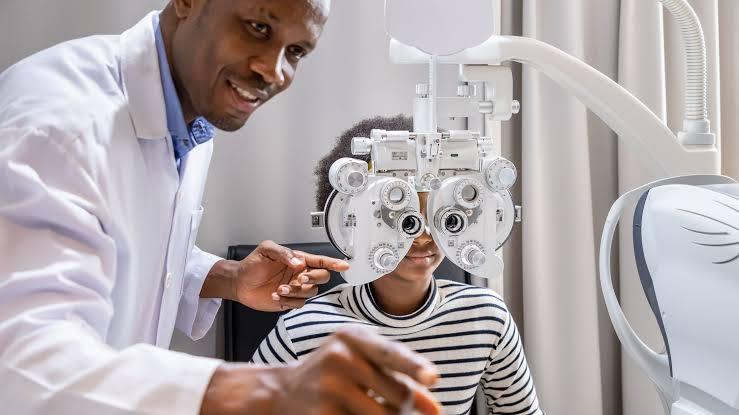
Eye health is an important part of overall well-being, yet it is often overlooked in everyday life. Many people pay attention to their diet, physical fitness, and general health but forget that their eyes also need regular care. Healthy vision supports almost every daily activity, from reading and driving to working on digital devices, recognising faces, and enjoying the world around us.
Eye care is not limited to wearing glasses or visiting an eye specialist when vision becomes blurry. It includes regular eye examinations, healthy lifestyle habits, proper screen use, protection from harmful sunlight, and awareness of possible eye problems. Taking small steps consistently can help people maintain comfortable vision and recognise potential concerns before they become more serious.
As modern lifestyles increasingly involve smartphones, computers, televisions, and other digital screens, caring for the eyes has become even more important. Understanding common eye conditions, knowing when to seek professional advice, and making eye-friendly choices can support better vision at different stages of life.
Understanding the Importance of Eye Care
The eyes are complex organs that work together with the brain to help us understand our surroundings. They allow us to recognise colours, judge distances, notice movement, and respond to changes in light. Because vision plays such a major role in daily life, maintaining eye health should be a regular part of personal healthcare.
Some vision changes happen gradually, making them difficult to notice at first. A person may start holding a book farther away, increasing the brightness of a screen, or experiencing headaches after reading. These small changes can sometimes indicate a need for an eye examination.
Eye care also involves looking beyond eyesight alone. An eye examination can help identify certain eye diseases that may not produce noticeable symptoms during their early stages. Regular professional check-ups are therefore important even when vision seems normal.
Common Types of Eye Care Professionals
Choosing the right eye care professional depends on the reason for the appointment. Some people need a routine vision test, while others may require medical treatment for an eye condition. Understanding the different roles can make it easier to arrange appropriate care.
Optometrists
Optometrists provide primary vision care. They perform eye examinations, assess vision, prescribe glasses or contact lenses, and identify certain eye conditions. Depending on their qualifications and local regulations, they may also provide treatment for some common eye problems.
Ophthalmologists
Ophthalmologists are medical doctors who specialise in eye health. They diagnose and treat eye diseases, prescribe corrective lenses, provide medical treatment, and perform eye surgery when required. People with complex eye conditions or symptoms that need specialised medical attention may need an ophthalmologist.
Opticians
Opticians help people select and fit eyeglasses or contact lenses based on a prescription provided by an eye care professional. They can help with frame selection, lens options, fitting, and adjustments, but they do not replace an eye examination.
Eye Care Professional | Main Responsibility | Common Services | When to Consider |
|---|---|---|---|
Optometrist | Primary vision care | Eye tests and lens prescriptions | Routine vision checks |
Ophthalmologist | Medical and surgical eye care | Diagnosis, treatment, and surgery | Complex eye conditions |
Optician | Eyewear fitting | Glasses and contact lens fitting | Selecting corrective eyewear |
Retina Specialist | Retina-related care | Retinal examinations and treatment | Specific retinal problems |
Understanding these differences can help patients select a professional according to their needs. The services and permitted responsibilities of eye care professionals may vary by country and local regulations.
Why Regular Eye Examinations Matter
Regular eye examinations are one of the most useful ways to monitor vision and overall eye health. Many people schedule appointments only after noticing blurry vision or discomfort. However, certain eye conditions can develop without obvious early warning signs.
A comprehensive eye examination may include several checks, depending on a person's age, medical history, symptoms, and risk factors. The professional may assess how clearly each eye sees, examine the front and back of the eyes, and recommend additional tests when necessary.
Routine examinations can help identify changes in vision and conditions such as glaucoma, cataracts, and diabetic eye disease. Detecting problems early may provide more opportunities for appropriate treatment and ongoing management.
The recommended frequency of eye examinations is not identical for everyone. Children, older adults, people with diabetes, individuals with a family history of eye disease, and people experiencing vision changes may need different examination schedules. An eye care professional can suggest an appropriate timetable.
Common Eye Problems People Should Understand
Eye problems can affect people of different ages and may develop for several reasons. Some conditions are related to changes in the shape of the eye, while others involve the lens, retina, optic nerve, or eye surface.
Recognising common conditions can help people understand why professional assessment matters. However, symptoms alone cannot confirm a diagnosis.
Nearsightedness
Farsightedness
Astigmatism
Dry Eyes
Cataracts
Glaucoma
Glaucoma refers to a group of conditions that can damage the optic nerve. Some forms develop gradually and may not cause noticeable symptoms at first. Professional examinations are important because early detection can help protect remaining vision.
Eye Condition | Common Symptoms | Possible Impact | Professional Care |
|---|---|---|---|
Nearsightedness | Blurry distance vision | Difficulty seeing distant objects | Vision assessment |
Farsightedness | Difficulty focusing nearby | Reading discomfort | Eye examination |
Astigmatism | Distorted or blurry vision | Reduced visual clarity | Prescription assessment |
Dry Eyes | Burning or irritation | Eye discomfort | Evaluation and management |
Cataracts | Cloudy or faded vision | Difficulty with everyday tasks | Ophthalmic assessment |
Glaucoma | Often no early symptoms | Possible optic nerve damage | Regular eye examinations |
These conditions require different approaches to care. Anyone experiencing persistent or worsening symptoms should seek an appropriate professional evaluation.
How Digital Screens Affect Eye Comfort
Digital devices have become part of everyday routines. People use smartphones for communication, computers for work, and tablets for reading or entertainment. Spending long periods looking at screens can contribute to digital eye strain.
Digital eye strain is commonly associated with symptoms such as tired eyes, temporary blurred vision, headaches, dryness, and difficulty focusing after extended screen use. People may also blink less frequently when concentrating on a screen, which can contribute to dryness.
A few practical habits can improve screen comfort:
Follow the 20-20-20 rule by looking at something approximately 20 feet away for 20 seconds every 20 minutes.
Adjust screen brightness according to the surrounding lighting.
Keep the screen at a comfortable viewing distance.
Avoid using devices in extremely dark surroundings for long periods.
Take short breaks during extended computer work.
Remember to blink regularly.
Adjust text size to avoid unnecessary eye strain.
These habits may help reduce discomfort, but they do not replace an eye examination. Persistent headaches, blurry vision, or eye pain should be discussed with an eye care professional.
Healthy Daily Habits for Better Vision

Eye care is not limited to medical appointments. Everyday habits can also support general eye health and comfort. A balanced lifestyle, suitable protection, and awareness of changes in vision can contribute to long-term well-being.
Eat a Balanced Diet
A varied diet containing leafy green vegetables, colourful fruits, fish, nuts, and other nutritious foods supports overall health. Nutrients such as vitamins A, C, and E, along with omega-3 fatty acids and other essential nutrients, contribute to normal body functions, including eye health.
No single food can guarantee perfect vision or prevent every eye condition. A balanced eating pattern is more useful than relying on one particular ingredient or supplement.
Wear Suitable Sun Protection
Bright sunlight can make outdoor activities uncomfortable. Sunglasses that provide proper ultraviolet protection help reduce exposure to harmful UV rays. A wide-brimmed hat can provide additional protection when spending time outside.
Maintain Contact Lens Hygiene
Contact lenses need careful handling. Wash and dry your hands before touching lenses, follow the recommended cleaning instructions, and avoid wearing them longer than advised. Never use water as a substitute for the recommended lens cleaning solution.
Avoid Rubbing Your Eyes
Rubbing irritated eyes can increase discomfort and may introduce dirt or germs. If the eyes feel itchy or dry, it is better to identify the possible cause and seek professional advice when symptoms continue.
Manage General Health
Some health conditions, including diabetes and high blood pressure, can affect the eyes. Managing these conditions and following recommended medical check-ups can form an important part of eye care.
What Happens During a Comprehensive Eye Examination?
An eye examination may involve several simple tests. The exact process depends on the person's symptoms, age, health history, and the type of appointment.
The professional usually begins by asking questions about vision changes, previous eye problems, medications, family history, and whether the patient uses glasses or contact lenses.
A visual acuity test may follow. During this test, the patient reads letters or symbols from a chart to assess how clearly they can see at different distances.
The professional may also check eye movement, pupil response, and the health of the front part of the eye. Some appointments include measuring eye pressure or examining the retina and optic nerve.
In certain cases, dilating eye drops are used to widen the pupils. This allows the professional to examine structures at the back of the eye more clearly. Temporary light sensitivity and blurred near vision can occur after dilation, so patients may wish to bring sunglasses and arrange transportation if needed.
Examination Step | What Is Checked | Why It Matters | Possible Outcome |
|---|---|---|---|
Medical History | Symptoms and health background | Identifies relevant risk factors | Personalised examination |
Visual Acuity Test | Clarity of vision | Checks distance and near vision | Vision assessment |
Eye Movement Test | Coordination of eye muscles | Evaluates eye movement | Further testing if needed |
Eye Pressure Test | Pressure inside the eye | Helps assess glaucoma risk | Additional monitoring |
Retinal Examination | Retina and optic nerve | Looks for signs of eye disease | Follow-up or treatment advice |
Not every patient needs every test. The eye care professional decides which examinations are appropriate.
American Academy of Ophthalmology+2
How to Choose the Right Eye Care Professional
Finding an appropriate eye care professional is an important step in maintaining vision health. The right choice depends on the reason for the visit, the type of care required, and practical factors such as location and appointment availability.
Start by identifying the purpose of the appointment. Someone who needs a routine vision test may begin with an optometrist, while a person with a complex eye condition may require an ophthalmologist. Sudden or severe symptoms should not be delayed while comparing routine appointment options.
Consider the following points when choosing a provider:
Qualifications and Experience: Check the professional's relevant qualifications, licence, and experience with the type of eye care required.
Location and Availability: A conveniently located clinic and suitable appointment hours can make regular follow-ups easier.
Insurance and Costs: Confirm whether the provider accepts your insurance, if applicable, and ask about consultation fees, tests, and possible additional costs.
Patient Feedback: Reviews may provide insight into communication, appointment experiences, and clinic organisation. They should be considered alongside professional qualifications rather than used as the only measure of quality.
Communication: Choose a professional who explains examination results, answers questions, and discusses available options clearly.
Online healthcare directories such as Zocdoc can help people in supported locations search for eye care professionals, review provider information, consider insurance details, and explore appointment availability. Patients should still verify the provider's qualifications, appointment details, and coverage directly before making healthcare decisions.
Preparing for an Eye Care Appointment
Preparing before an eye examination can make the visit more organised and useful. Patients sometimes forget important details during appointments, especially when they are experiencing multiple symptoms.
Before visiting an eye care professional, consider making a short list of concerns. Include when the symptoms started, whether they affect one or both eyes, and whether they become worse during specific activities.
It can also be helpful to carry:
Current eyeglasses or contact lenses.
Previous eye prescriptions, if available.
A list of medications and supplements.
Details of existing medical conditions.
Relevant family history of eye diseases.
Insurance information, if applicable.
Questions about symptoms, tests, or treatment options.
Patients should mention any sudden vision changes, eye injuries, pain, flashes of light, or new floaters. This information can help the professional decide whether urgent assessment is needed.
Eye Care for Different Age Groups
Eye care requirements can change throughout life. Children, adults, and older people may experience different vision concerns, making age-appropriate examinations important.
Children
Children may not always recognise or explain vision difficulties. Problems with reading, frequent squinting, sitting very close to screens, or difficulty seeing classroom boards may indicate a need for an eye examination. Early assessment can help identify issues that may affect learning and daily activities.
Adults
Adults often spend long hours working on screens, reading, driving, or performing tasks that require sustained focus. Routine examinations can help monitor prescription changes and identify possible eye health concerns.
Older Adults
Ageing can increase the likelihood of conditions such as cataracts, glaucoma, and age-related macular degeneration. Older adults may benefit from regular professional monitoring based on their health history and individual risk factors.
Age Group | Common Eye Care Focus | Helpful Approach | When to Seek Advice |
|---|---|---|---|
Children | Vision development | Age-appropriate eye checks | Learning or vision difficulties |
Teenagers | Changing prescriptions | Regular vision monitoring | Blurry distance vision |
Adults | Screen-related discomfort | Breaks and routine examinations | Persistent eye strain |
Older Adults | Age-related eye conditions | Individualised monitoring | New or worsening vision changes |
A suitable eye care schedule should be discussed with a qualified professional rather than following the same timetable for everyone.
Warning Signs That Should Not Be Ignored
Some eye symptoms need prompt medical attention. Sudden changes in vision should never be treated as an ordinary result of tiredness or screen use.
Seek urgent medical evaluation if you experience sudden loss of vision, severe eye pain, a serious eye injury, a sudden increase in floaters, flashes of light, or a shadow that appears across your field of vision. These symptoms can be associated with serious conditions that require immediate assessment.
Persistent redness, swelling, discharge, discomfort, or blurred vision also deserves professional attention, particularly when symptoms are getting worse.
Avoid using someone else's prescription eye drops or starting treatment without appropriate advice. The correct response depends on the cause of the symptoms, and delaying care can sometimes increase the risk of complications.
Building a Long-Term Eye Care Routine
Maintaining eye health becomes easier when care is included in everyday routines. Rather than waiting until vision problems become noticeable, people can make regular examinations, healthy habits, and symptom awareness part of their overall healthcare plans.
A practical eye care routine may include taking breaks during screen use, wearing suitable sunglasses outdoors, following contact lens instructions, eating a balanced diet, and attending recommended examinations.
It is also useful to keep copies of previous prescriptions and examination results. These records can help an eye care professional understand how vision has changed over time.
People with diabetes, high blood pressure, a family history of eye disease, or existing vision problems should discuss an appropriate monitoring schedule with their healthcare provider. Regular follow-up can be particularly important when an eye condition requires ongoing management.
FAQ's
Sources and notes
Links the author listed for this post.
This article is based on publicly available eye health information, general healthcare guidance, and educational resources about vision care. Explore AltFTool for useful online tools, calculators, and digital resources.
More on AltFTool
- AltFTool (opens in a new tab)
altftool.com


Discussion
0 comments