
Last year, I bought a jacket that had a small tag inside saying it was made from recycled plastic bottles. My first thought was that it would feel scratchy and plasticky. Instead, it was soft, light and warm, and I've worn it almost every week since. It made me curious about how much of what we wear is already made from things that were once waste.
Recycled materials are changing the way people choose and wear everyday fashion. From cotton T-shirts and denim jeans to stylish jackets and comfortable dresses, many clothing brands are exploring fabrics made from reused materials. Recycled polyester, cotton, wool, and nylon are becoming popular choices for creating modern outfits. These materials help reduce textile waste and encourage more responsible clothing production. As sustainable fashion continues to grow, shoppers can enjoy stylish designs while making thoughtful choices for the environment.
Recycled materials are no longer a niche idea for eco-minded shoppers. They're showing up in sneakers, jeans, coats, swimwear and even the buttons on your shirt. Let's look at what's actually happening, what's good about it and where we should stay a little sceptical.
Why Fashion Is Turning to Recycled Materials

Fashion uses huge amounts of water, energy and raw material, and it produces a lot of waste. Brands are under pressure from shoppers, investors and regulators to reduce that footprint. Using materials that already exist, instead of making new ones from scratch, is one of the most practical steps.
Less demand for new raw materials like oil-based fibres
Fewer items sent to landfill or burned
Lower energy use in many (not all) recycling processes
A story that customers increasingly care about
Shoppers also want proof, not slogans. That's why many labels now explain what their recycled content is made from and how much of it is in each product.
The Main Recycled Materials You'll See
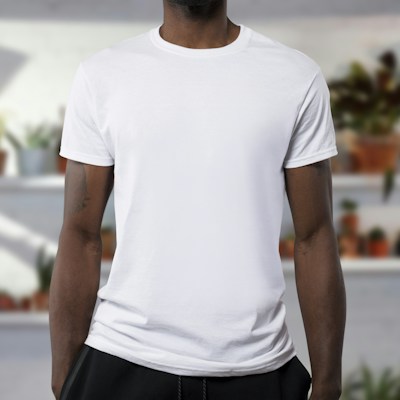
🌿 Recycled Cotton Wear
1. Casual cotton T-shirts.
2. Comfortable everyday outfits.
3. Soft fabric choices.
4. Simple stylish looks.
5. Easy to pair with jeans.
6. Great for daily fashion.
💡 Trick: Choose recycled cotton basics.

♻️ Recycled Polyester Wear
1. Stylish sportswear outfits.
2. Lightweight clothing.
3. Comfortable activewear.
4. Modern jacket styles.
5. Useful for outdoor looks.
6. Easy-care clothing options.
💡 Trick: Check recycled polyester labels.
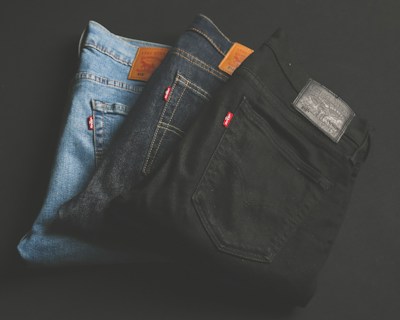
👖 Recycled Denim Wear
1. Everyday denim jeans.
2. Trendy denim jackets.
3. Reused denim designs.
4. Casual streetwear looks.
5. Easy outfit combinations.
6. Timeless fashion style.
💡 Trick: Try upcycled denim outfits.
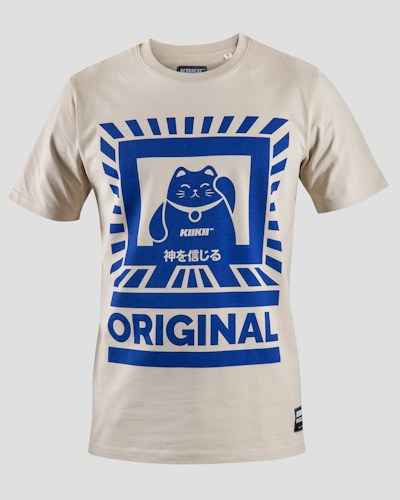
🧶 Recycled Wool Wear
1. Warm knitted sweaters.
2. Comfortable winter outfits.
3. Classic wool cardigans.
4. Soft layered clothing.
5. Stylish cold-weather looks.
6. Useful seasonal fashion.
💡 Trick: Look for recycled wool blends.

🧥 Recycled Nylon Wear
1. Lightweight fashion jackets.
2. Sporty outerwear styles.
3. Practical rainwear options.
4. Modern streetwear looks.
5. Durable clothing choices.
6. Useful for travel outfits.
💡 Trick: Check recycled nylon content.

🪡 Upcycled Fashion
1. Creative patchwork outfits.
2. Reworked old clothing.
3. Unique colour combinations.
4. One-of-a-kind designs.
5. Stylish casual looks.
6. Less textile waste.
💡 Trick: Try clothing made from reused fabrics.
Recycled polyester
This is the most common one. It's usually made from used plastic bottles that are cleaned, shredded and spun into new fibre. You'll find it in sportswear, fleece jackets, linings and everyday T-shirts. It performs just like regular polyester, so you get the same durability and quick-drying feel.
Regenerated nylon
Nylon can be made from old fishing nets, carpet fibres and fabric scraps. It's popular in swimwear, activewear, bags and puffer jackets because it's strong and stretchy. Several well-known brands use regenerated nylon in their collections.
Recycled cotton and wool
Cotton and wool garments can be shredded back into fibres and spun again. Because the fibres get shorter in the process, they're often blended with some new fibre for strength. Recycled wool is a classic in warm coats and knitwear, and recycled cotton is appearing in denim and tees.
Material | What It's Made From | Common Uses |
|---|---|---|
Recycled polyester | Plastic bottles, old polyester garments | Sportswear, fleece, linings |
Regenerated nylon | Fishing nets, carpet, fabric waste | Swimwear, bags, puffer jackets |
Recycled cotton | Cotton offcuts and old clothes | Denim, T-shirts, hoodies |
Recycled wool | Old woollens and mill waste | Coats, sweaters, scarves |
Recycled rubber and foam | Used tyres, factory scraps | Shoe soles, sandals, insoles |
Where You'll See These Materials in Everyday Style
The best news is that recycled fashion doesn't look "different." It fits right into everyday trends. Chunky sneakers often use recycled mesh and foam. Puffer jackets are filled and covered with recycled fibres. Gym leggings, tote bags, raincoats and beach shorts commonly use them too.
Denim is a good example of the trend. Many brands now blend recycled cotton into their jeans, and some use dye and washing methods that need less water. Even luxury labels have started using recycled cashmere and regenerated nylon in their lines, which shows the idea isn't limited to budget ranges.
Quick card: Check the tag
Look for the exact percentage of recycled content on the label. "Made with recycled materials" could mean 5 percent or 95 percent, and the number tells you what's real.
The Honest Limits of Recycled Fashion
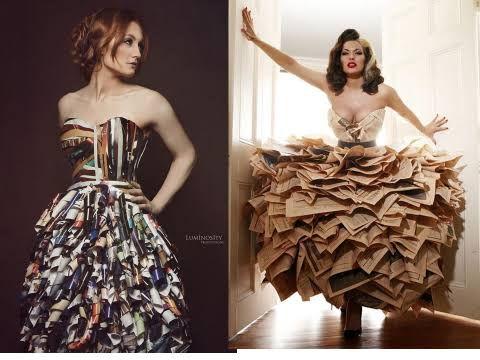
It would be easy to say recycled equals perfect, but that's not the full story. A few challenges are worth knowing about.
Most recycled polyester still comes from plastic bottles, not from old clothes. That's helpful, but it means clothes aren't yet looping back into new clothes at scale. Turning old garments into new fibre, called textile-to-textile recycling, is growing but remains small compared with how much clothing the world makes.
Mixed fibres are another problem. A shirt made from cotton, polyester and elastane is very hard to separate and recycle. And synthetic fabrics, recycled or not, can shed tiny plastic fibres in the wash, which end up in water systems.
The greenwashing problem
Some brands advertise a tiny recycled content to look green while the rest of their business stays the same. Be careful with vague words like "eco," "conscious" or "green" with no numbers or certification behind them.
How to Shop Smarter for Recycled Clothing

🌿 1. Check Fabric Labels
Tap to reveal tips ↓
2. Check recycled polyester.
3. Read fabric percentages.
4. Review material details.
5. Avoid unclear claims.
6. Compare product labels.
💡 Trick: Always read the fabric composition.

👖 2. Focus on Quality
Tap to reveal tips ↓
2. Feel the fabric texture.
3. Inspect buttons and zips.
4. Look for strong seams.
5. Choose comfortable fits.
6. Check washing instructions.
💡 Trick: Choose durable clothing over short-lived trends.
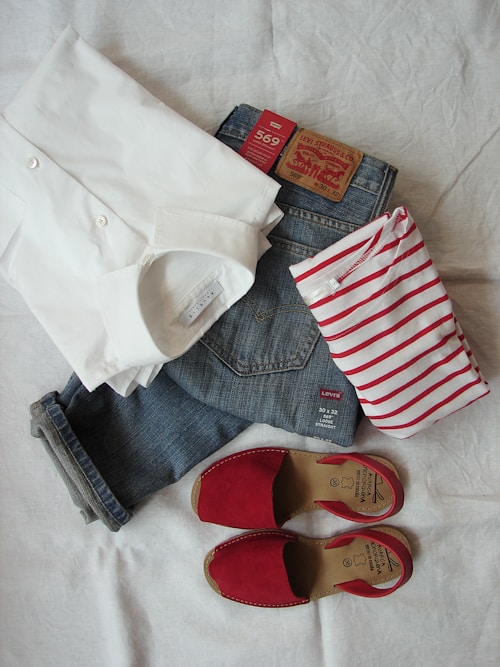
🛍️ 3. Compare Brands
Tap to reveal tips ↓
2. Read brand information.
3. Check sustainability claims.
4. Compare product prices.
5. Explore customer reviews.
6. Look for transparency.
💡 Trick: Compare materials before buying.

✨ 4. Buy What You Need
Tap to reveal tips ↓
2. Choose versatile clothing.
3. Pick your correct size.
4. Avoid unnecessary purchases.
5. Prefer timeless designs.
6. Consider long-term use.
💡 Trick: Buy pieces you can style in multiple ways.
You don't need to be an expert, just a bit curious. A few habits help you pick better and avoid being misled.
Check the percentage of recycled content on the label
Look for recognised certifications on recycled materials
Choose pieces you'll actually wear for years
Prefer simple fabric blends that are easier to recycle later
Wash synthetic clothes less often, in cold water, and use a laundry bag that catches fibres
What to Check | Why It Matters | Quick Tip |
|---|---|---|
Recycled percentage | Shows how much is genuinely recycled | Aim for higher numbers, not just a token amount |
Certifications | Gives outside proof of claims | Look for recognised recycled-content standards |
Fabric blend | Pure fabrics are easier to recycle | Avoid long, complicated blends when possible |
Durability | A long-lasting piece beats a cheap one | Check seams and fabric quality |
Brand transparency | Honest brands share details | Read the sustainability page, not only the tag |
The Best Recycled Item Is the One You Already Own
It's worth remembering that the most sustainable garment is usually the one already in your wardrobe. Recycled materials help, but they don't cancel out buying too much. Repairing, swapping, renting and buying second-hand all reduce waste further.
When your clothes finally wear out, look for take-back programmes, textile recycling bins or local charities rather than putting them in general waste. Some brands now accept old items in-store and feed them into new products.
Final Thoughts
Recycled materials are quietly shaping everyday fashion, from the sneakers on your feet to the jacket on your shoulders. They offer a real way to cut waste and reduce the demand for new resources, as long as we stay honest about their limits. Read labels, choose quality and wear your clothes for as long as you can.
My recycled-bottle jacket is still going strong, and each time I put it on, I'm reminded that good fashion doesn't have to start from scratch. Sometimes it starts with something that was almost thrown away.
FAQ's
They are reused fabrics and fibres turned into new clothing.
Recycled cotton, polyester, denim, wool, and nylon are common options.
Yes, many recycled clothing products offer good comfort, durability, and style.
Check fabric labels, recycled-content percentages, and brand information.
It can help reduce textile waste and the demand for new raw materials.
Sources and notes
Links the author listed for this post.
Information based on sustainable fashion industry resources, textile recycling information, and environmental guidance.


Discussion
0 comments