
For many men, building a wardrobe can slowly become a cycle of buying more clothes without necessarily having more useful outfits. A new shirt looks appealing, a seasonal sale makes another pair of trousers difficult to ignore, and suddenly the wardrobe is full—but choosing what to wear is still surprisingly difficult.
This is where the idea of buying fewer, better-made clothes becomes interesting.
Instead of constantly adding new pieces, the focus shifts toward buying clothes that fit well, work with existing items, and can be worn for years. It does not mean every item has to be expensive or that men need a minimalist wardrobe with only a few pieces.
The idea is much simpler: buy with purpose rather than buying just because something is new.
What Does “Fewer, Better-Made Clothes” Really Mean?
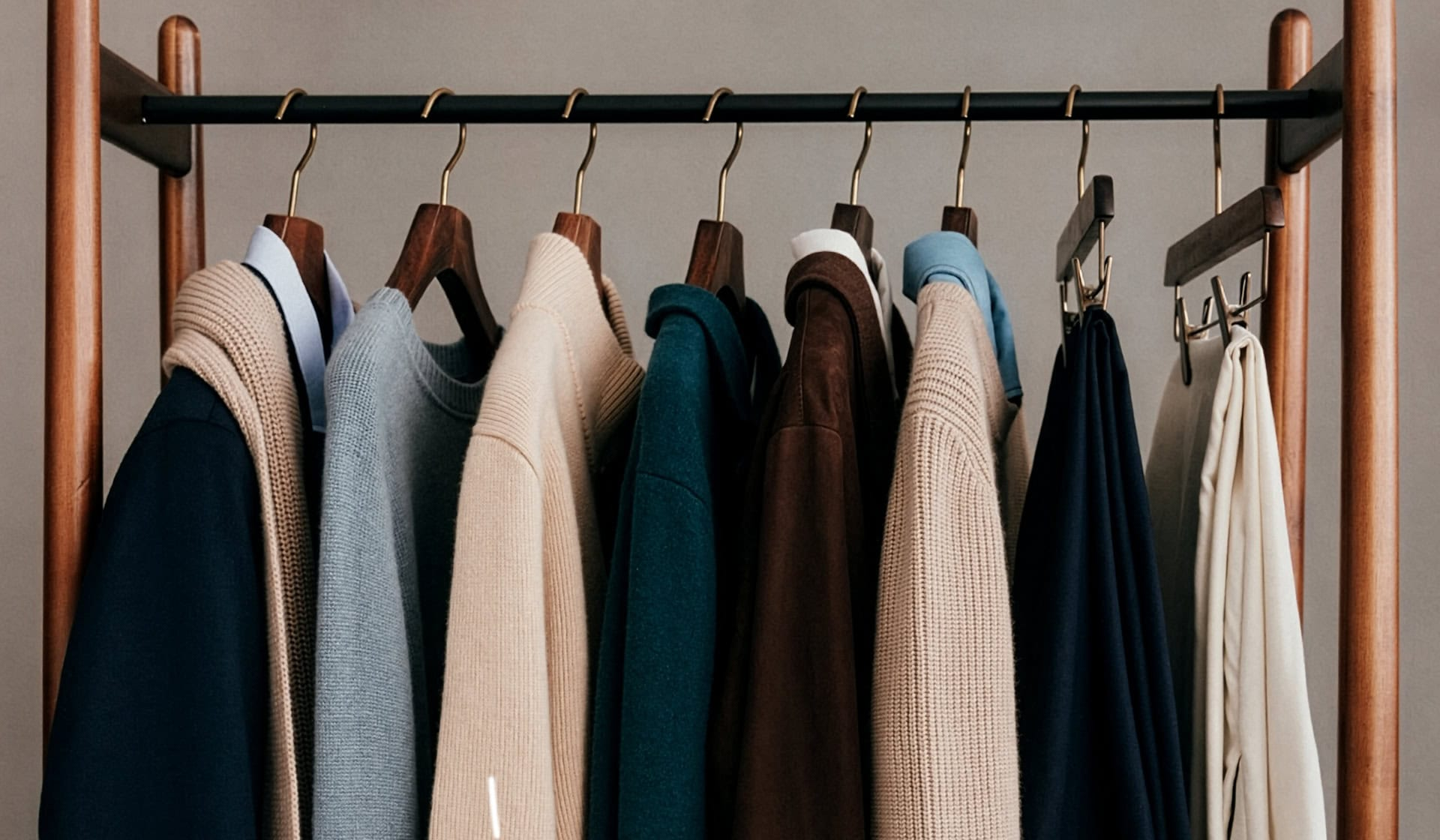
Buying fewer clothes does not mean sacrificing style. It means becoming more selective about what enters your wardrobe.
A better-made piece may have stronger fabric, cleaner stitching, better construction, and a design that does not feel outdated after one season.
But quality is not only about price.
A ₹5,000 shirt that you rarely wear may be a worse purchase than a reasonably priced ₹1,500 shirt that fits perfectly and gets worn every week.
The Basic Idea
Buying More | Buying Better |
|---|---|
Focus on quantity | Focus on usefulness |
Frequent trend purchases | Timeless and versatile pieces |
More impulse buying | More thoughtful buying |
Short-term excitement | Long-term value |
Crowded wardrobe | Easier outfit selection |
Frequent replacement | Longer use |
The goal is to create a wardrobe where most pieces have a purpose.
Why Men Often End Up With Too Many Clothes
Shopping has become extremely easy.
With online stores, social media trends, seasonal sales, and constant new collections, there is always another reason to buy something.
A common problem is buying clothes individually without considering the wardrobe as a whole.
You might buy a great pair of trousers but have very few shirts that work with them. Then you buy another shirt, followed by shoes to match it.
Eventually, the wardrobe grows without becoming more practical.
The Better Question
Instead of asking:
“Do I like this?”
try asking:
“How many outfits can I actually create with this?”
That small change can make shopping much more intentional.
1. Start With the Clothes You Already Own
Before buying anything new, take a proper look at your existing wardrobe.
Separate your clothes into simple groups:
Everyday basics
Workwear
Casual wear
Occasion wear
Seasonal clothing
Clothes you rarely wear
You may discover that you already own several useful pieces that simply get overlooked.
Try a Wardrobe Audit
Take out your clothes and ask:
Do I wear this?
Does it fit properly?
Can I style it easily?
Is it comfortable?
Is it still in good condition?
If the answer is "no" to most of these questions, the item may not deserve valuable wardrobe space.
2. Prioritize Fit Over Trends
One of the easiest ways to improve a wardrobe is to focus on fit.
A simple, well-fitting shirt can look much better than an expensive shirt that is too loose, too tight, or has an awkward shoulder fit.
The same applies to trousers, jackets, T-shirts, and shirts.
Good Fit Usually Means:
Shoulders sit correctly
Sleeves are comfortable
Shirt length works for the intended style
Trousers sit comfortably at the waist
Trouser length suits the footwear
Clothing allows natural movement
Trends change quickly, but good fit remains useful.
3. Choose Versatile Colours
A wardrobe becomes easier to manage when clothes work together.
Neutral shades such as navy, white, black, grey, beige, olive, and brown can provide a strong foundation.
That does not mean your wardrobe needs to be boring.
You can still add brighter colours and patterns. The trick is to make sure they work with the rest of your clothes.
Example of a Versatile Wardrobe
Clothing | Useful Colours |
|---|---|
T-shirts | White, black, grey, navy |
Shirts | White, blue, beige, subtle patterns |
Trousers | Navy, charcoal, khaki, black |
Jeans | Dark blue, medium blue |
Jacket | Navy, olive, brown |
Shoes | White, brown, black |
A versatile colour palette can create many combinations without requiring a huge wardrobe.
4. Look at Fabric and Construction
If you are trying to buy fewer clothes, quality becomes more important.
Before purchasing, look beyond the label and examine the actual garment.
Check:
Fabric composition
Stitching
Seams
Buttons
Zippers
Collar construction
Pocket finishing
Lining
Overall feel of the fabric
A well-constructed garment can often handle regular wear better than a poorly made one.
But Don't Assume Expensive Means Better
Price is not a guaranteed measure of quality.
A high price may reflect branding, marketing, design, or other costs.
Instead, look at the actual construction and usefulness of the garment.
5. Think About Cost Per Wear
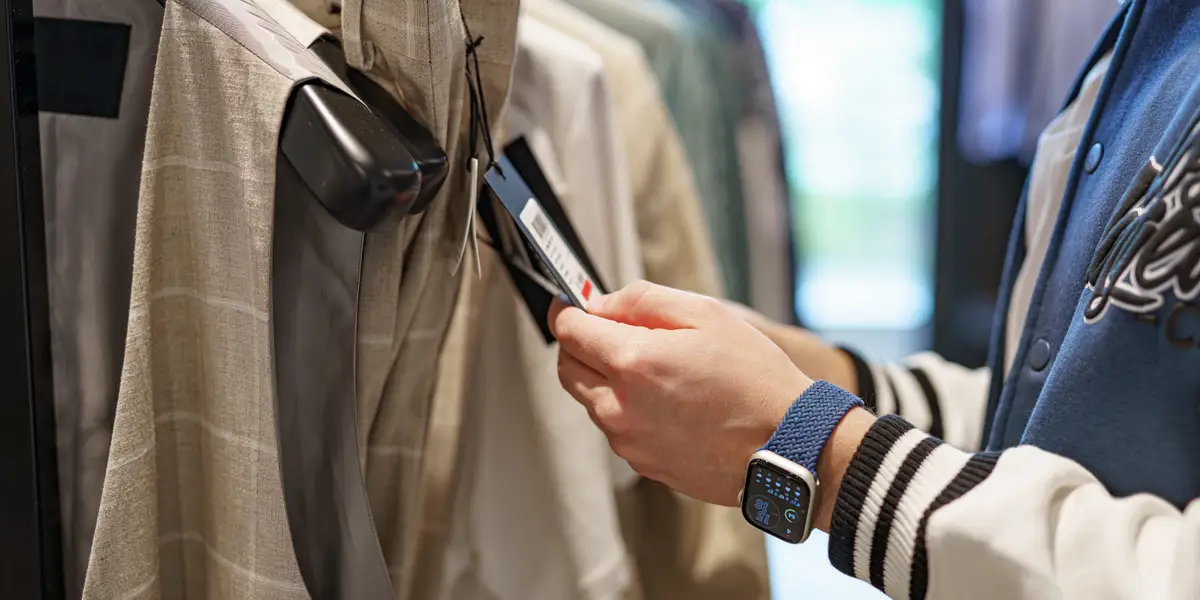
One of the most useful ways to judge clothing value is cost per wear.
Imagine you buy a ₹1,500 T-shirt and wear it 30 times.
That works out to:
₹1,500 ÷ 30 = ₹50 per wear
Now imagine buying a ₹4,000 jacket that you wear 80 times.
₹4,000 ÷ 80 = ₹50 per wear
The jacket costs more initially, but its cost per use is similar.
This way of thinking can help you move beyond the simple question of “How much does it cost?”
Instead ask:
“How much use will I get from it?”
6. Build Around Wardrobe Essentials
A strong wardrobe does not need hundreds of pieces.
It needs the right foundation.
Useful Wardrobe Essentials
Well-fitting white T-shirt
Dark jeans
Neutral trousers
Casual shirt
Formal shirt
Lightweight jacket
Simple sweater
Versatile sneakers
Formal shoes
Everyday belt
The exact list depends on your lifestyle.
Someone working from home will have different requirements from someone who wears formal clothing every day.
Your wardrobe should match your real life, not an imaginary lifestyle.
7. Stop Buying for an Imaginary Version of Yourself
This is one of the biggest wardrobe mistakes.
Sometimes we buy clothes for the person we hope to become.
You may buy expensive formalwear despite rarely attending formal events. Or you may buy trendy streetwear even though your everyday style is simple and comfortable.
Before buying, ask:
“Would I actually wear this during a normal month?”
If the answer is no, it may not be worth buying.
8. Give Clothes a Longer Life
Buying better clothes only makes sense if you take care of them.
Simple habits can extend the useful life of clothing.
Try These Habits:
Follow washing instructions
Avoid unnecessary washing
Use suitable detergents
Air-dry when appropriate
Store clothes properly
Repair small problems early
Fold knitwear instead of hanging it
Rotate frequently worn pieces
A loose button or small tear does not always mean a garment needs to be thrown away.
Sometimes a simple repair can keep it useful for years.
9. Learn Basic Clothing Care
You do not need to become an expert tailor.
Knowing a few basics can make a significant difference.
For example, learning how to sew a button, remove small stains properly, or store different fabrics correctly can reduce unnecessary replacement.
Small Care Habits Add Up
Habit | Potential Benefit |
|---|---|
Proper washing | Helps protect fabric |
Correct storage | Reduces damage |
Prompt repairs | Prevents small issues becoming bigger |
Less unnecessary washing | Reduces wear |
Seasonal storage | Protects unused clothing |
A good wardrobe is not only about buying well. It is also about maintaining what you already own.
10. Reduce Impulse Shopping
Sales can make almost everything look like a good deal.
But a discount is not a saving if you would never have bought the item without the discount.
Before purchasing something on sale, ask:
Would I buy this at full price?
Do I already own something similar?
What will I wear it with?
How often will I use it?
Does it fill a genuine gap?
If you cannot answer these questions, wait.
A 24-hour pause can sometimes prevent an unnecessary purchase.
11. Better Wardrobes Can Save Money

Buying fewer clothes may seem more expensive initially if you choose better-quality pieces.
But over time, the financial effect can be different.
Suppose someone buys five inexpensive shirts every few months because they wear out or stop being appealing.
Another person buys two durable shirts that they wear regularly for several years.
The second person may spend more per item but potentially spend less overall.
Quality vs Quantity
Factor | Quantity Approach | Quality Approach |
|---|---|---|
Initial spending | Often lower | May be higher |
Number of items | Higher | Lower |
Replacement | More frequent | Less frequent |
Outfit planning | Can be difficult | Often easier |
Long-term use | Varies | Potentially longer |
Of course, quality varies widely between brands, so smart shopping still matters.
12. Consider Your Personal Style
The best wardrobe is not necessarily the smallest one.
If you love colourful shirts, keep them. If you prefer classic clothing, build around that. If you enjoy experimenting with fashion, leave space for creative pieces.
The goal is not to follow a strict minimalist rule.
It is to create a wardrobe where most purchases feel intentional.
Your clothes should reflect your lifestyle, personality, work, climate, and social life.
The 30-Second Buying Test
Before buying a new piece, ask these five questions:
1. Does it fit me properly?
2. Can I create at least three outfits with it?
3. Will I realistically wear it often?
4. Is the quality appropriate for the price?
5. Am I buying it because I need it or because I am tempted?
If the item passes most of these questions, it has a better chance of becoming a useful wardrobe addition.
Can Buying Fewer Clothes Really Change Your Wardrobe?
Yes, but the biggest change may not be the number of clothes you own.
It can change the way you think about clothing.
Instead of constantly searching for something new, you start paying attention to fit, comfort, versatility, fabric, and personal style.
You may also find that getting dressed becomes easier because your clothes work together.
The wardrobe becomes less about having more choices and more about having better choices.
Conclusion
Buying fewer, better-made clothes can completely change the way men build and use their wardrobes. Instead of filling the closet with items that are rarely worn, choosing well-fitting, versatile, and durable pieces can make everyday dressing easier and more practical. The goal is not to own fewer clothes just for the sake of minimalism, but to make every purchase more meaningful. A well-planned wardrobe is ultimately about quality, comfort, personal style, and getting more value from every piece you own.
FAQ's
It can, especially when you avoid impulse purchases and choose items that you will wear regularly for a long time.
No. Price does not automatically guarantee quality. Check the fabric, construction, fit, and durability.
There is no universal number. The right wardrobe depends on your lifestyle, work, climate, and personal style.
Check the fit, fabric, construction, versatility, comfort, and how often you expect to wear the item.
No. The goal is not to own as little as possible. It is to own clothes that are genuinely useful and meaningful to you.
Sources and notes
Links the author listed for this post.
This article is based on general principles of wardrobe planning, clothing quality, personal style, and mindful shopping.


Discussion
0 comments