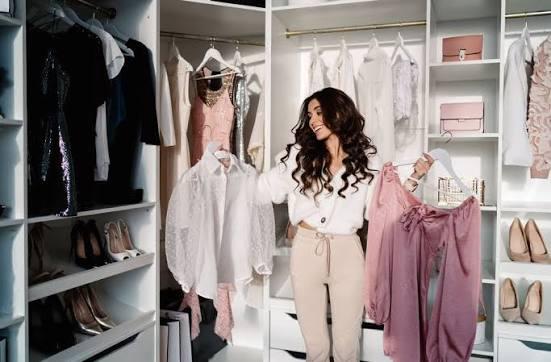
Fashion is something most people enjoy, but keeping up with changing trends can sometimes become expensive. New collections, seasonal styles, celebrity-inspired outfits, and social media recommendations often encourage people to buy more clothes than they actually need. However, looking stylish does not always require spending a large amount of money.
Affordable fashion is changing the way people think about their wardrobes. Instead of focusing only on expensive labels or the latest trends, shoppers are becoming more interested in comfort, quality, versatility, and value for money. They want clothes that look good, feel comfortable, and can be worn on different occasions.
A smarter wardrobe is not about owning hundreds of outfits. It is about choosing the right pieces that suit everyday needs without putting unnecessary pressure on the budget.
What Does Affordable Fashion Really Mean?
Affordable fashion refers to clothing, footwear, and accessories that are available at reasonable prices while still offering useful quality, comfort, and style.
It does not necessarily mean buying the cheapest products available. A low-priced outfit that loses its shape after two washes may not be a good deal. Similarly, a slightly more expensive item that lasts for several years can offer better value.
The idea is to find a balance between price, quality, and personal style.
Some common features of affordable fashion include:
Budget-friendly clothing for everyday use.
Simple designs that are easy to style.
Comfortable fabrics suitable for regular wear.
Versatile pieces that work for different occasions.
Seasonal discounts and practical shopping offers.
Clothing options for different age groups and preferences.
Why Are More People Choosing Affordable Fashion?
People are becoming more thoughtful about how they spend their money. Rising living expenses, changing shopping habits, and greater awareness of unnecessary consumption have encouraged shoppers to reconsider their fashion choices.
Rather than purchasing every trending outfit, many people now prefer clothes that fit their lifestyle and remain useful beyond a single season.
Here are some reasons behind this shift.
1. Better Control Over Shopping Budgets
Clothing is an important expense, but it should not take away money needed for other priorities.
Affordable fashion allows people to refresh their wardrobes without spending too much. Students, working professionals, families, and budget-conscious shoppers can find clothing options that suit their financial situations.
It also makes it easier to plan purchases instead of buying something simply because it looks attractive at the moment.
2. More Choices Without Overspending
Affordable fashion offers a wide variety of designs, colours, patterns, and styles.
Shoppers can experiment with different looks without making expensive commitments. For example, someone interested in casual fashion can try different combinations of shirts, jeans, trousers, and jackets while keeping spending under control.
3. Practical Clothing for Everyday Life
Not every outfit needs to be suitable for a special occasion. Most people need comfortable clothes for work, shopping, travelling, social gatherings, and daily activities.
Affordable fashion makes it easier to build a wardrobe around these everyday requirements.
4. Less Pressure to Follow Every Trend
Fashion trends change quickly. Something popular today may become less noticeable within a few months.
Buying every trending item can lead to unnecessary spending and an overcrowded wardrobe. Affordable fashion encourages people to choose styles they genuinely enjoy instead of following every new trend.
How Affordable Fashion Helps Build a Smarter Wardrobe
A smart wardrobe is built through thoughtful decisions. The goal is to have enough clothing options for different situations without purchasing items that rarely get used.
Affordable fashion supports this approach in several ways.
1. Focus on Versatile Clothing
Versatile clothing can be styled in multiple ways. These pieces are especially useful because they reduce the need to purchase separate outfits for every occasion.
For example:
A basic white shirt can work with jeans, skirts, or formal trousers.
Black trousers can be paired with casual tops or office shirts.
A denim jacket can add style to simple dresses and everyday outfits.
Neutral-coloured T-shirts can be combined with different bottoms.
Comfortable sneakers can complement casual and travel outfits.
The more combinations a clothing item offers, the more useful it becomes.
2. Choose Quality Over Quantity
Buying more clothes does not automatically make a wardrobe better.
Sometimes, purchasing five inexpensive items that wear out quickly costs more in the long run than investing in two durable pieces.
Before purchasing anything, check:
Fabric quality and thickness.
Stitching around the seams.
Button and zipper strength.
Comfort and fitting.
Washing and care instructions.
A little attention before buying can help avoid disappointment later.
3. Understand Personal Style
A common shopping mistake is purchasing clothes simply because they look attractive on someone else.
However, every person has different preferences, body proportions, comfort requirements, and daily routines.
Understanding personal style makes shopping easier because it helps narrow down suitable choices.
For instance, someone who prefers relaxed clothing may get more use from comfortable trousers, oversized shirts, and basic tops than from formal outfits they rarely wear.
4. Shop According to Actual Needs
Before purchasing new clothes, take a look at what is already available in the wardrobe.
Ask yourself:
Do I really need this item?
Can I create a similar outfit with clothes I already own?
Will I wear it regularly?
Does it match other pieces in my wardrobe?
Is the price reasonable for its expected use?
These simple questions can prevent unnecessary purchases.
Affordable Fashion vs. Expensive Fashion: What Makes More Sense?
Expensive clothing is not always better, and affordable clothing is not automatically poor in quality. What matters is how well an item meets the buyer's needs.
Comparison Factor | Affordable Fashion | Expensive Fashion |
Price | Generally budget-friendly | Usually higher |
Variety | Offers many accessible styles | May offer exclusive designs |
Shopping flexibility | Easier to experiment | Requires more spending |
Quality | Depends on the brand and fabric | Depends on the brand and construction |
Everyday use | Suitable for regular wardrobe needs | Can include everyday and occasion wear |
Value | Depends on durability and cost | Depends on durability and cost |
The smartest decision is to compare clothing based on its actual value rather than assuming that a higher price guarantees better quality.
The Role of Budget Planning in Fashion Shopping
Budget planning is one of the simplest ways to develop healthier shopping habits.
Without a clear spending limit, it is easy to purchase extra items during sales or seasonal promotions. A planned budget helps shoppers focus on what they need instead of getting distracted by attractive offers.
Simple Monthly Fashion Budget
Here is an example of how someone might divide a monthly clothing budget of ₹3,000.
Shopping Category | Suggested Budget |
Everyday clothing | ₹1,000 |
Work or formal wear | ₹700 |
Footwear and accessories | ₹500 |
Seasonal clothing | ₹500 |
Emergency fashion needs | ₹300 |
Total | ₹3,000 |
This is only an illustrative budget. Actual spending will depend on personal income, needs, and shopping priorities.
A budget does not mean avoiding fashion completely. It simply helps people enjoy shopping while remaining aware of their financial limits.
Smart Shopping Habits That Make a Difference
Building an affordable wardrobe requires more than finding low prices. It also involves knowing when to shop, what to purchase, and how to make better use of existing clothes.
Here are some practical habits worth developing.
1. Compare Prices Before Buying
The same or similar clothing items may be available at different prices across stores. Comparing options can help shoppers find reasonable deals.
However, always compare fabric, sizing, return policies, and product details instead of looking at price alone.
2. Take Advantage of Seasonal Sales
Seasonal sales can be useful when shoppers already know what they need.
End-of-season discounts, clearance events, and festive offers may provide opportunities to purchase clothing at lower prices.
A few things to remember:
Check the original and discounted prices.
Avoid buying items only because they are on sale.
Read the product description carefully.
Check return and exchange conditions.
Prioritise clothing that fits your existing wardrobe.
3. Avoid Impulsive Shopping
Social media advertisements and influencer recommendations can make certain outfits look irresistible.
However, not every attractive product deserves a place in your wardrobe.
Waiting for a day or two before completing a non-essential purchase can help determine whether the item is genuinely needed.
4. Reuse and Restyle Existing Clothes
Sometimes, a wardrobe feels boring simply because the same combinations are being repeated.
Instead of immediately buying something new, experiment with different styling ideas.
For example:
Add a belt to change the appearance of a simple dress.
Layer a jacket over a basic outfit.
Pair an old shirt with different trousers.
Use scarves to introduce new colours.
Combine existing accessories with everyday clothing.
Small changes can make familiar clothes feel fresh again.
How to Identify Clothing That Offers Better Value
A reasonable price is important, but shoppers should also understand what they are getting in return.
The following table highlights a few things worth checking before making a purchase.
What to Check | Why It Matters |
Fabric | Helps determine comfort and durability |
Stitching | Gives an idea of construction quality |
Fit | Makes clothing more comfortable to wear |
Colour | Helps ensure the item matches existing clothes |
Maintenance | Shows how much care the garment requires |
Price | Helps determine whether it fits the budget |
A good purchase should offer a combination of comfort, usefulness, and reasonable durability.
Affordable Fashion and Sustainable Shopping
Fashion and sustainability are increasingly connected. The way people purchase, use, and dispose of clothing can influence the amount of textile waste generated.
Affordable fashion can support more responsible shopping when people focus on buying useful items, wearing them regularly, and taking proper care of their clothes.
However, low prices alone do not guarantee sustainable fashion. Some inexpensive clothing may be poorly made or produced through practices that create environmental concerns.
A more thoughtful approach includes:
Purchasing fewer unnecessary items.
Choosing clothes that can be worn for several seasons.
Repairing minor damage instead of immediately replacing garments.
Donating wearable clothes that are no longer needed.
Exploring thrift stores and second-hand clothing.
Supporting brands that share clear information about their materials and manufacturing practices.
The idea is simple: make every clothing purchase count.
Common Mistakes to Avoid While Building an Affordable Wardrobe
Even budget-conscious shoppers can make mistakes that result in wasted money.
Here are some habits worth avoiding.
1. Buying Only Because Something Is Cheap
A low price is not a good reason to purchase clothing that will never be worn.
2. Ignoring Fabric Quality
Poor-quality materials may lose their shape, fade, or become uncomfortable after repeated washing.
3. Following Every Fashion Trend
Trends come and go, so building an entire wardrobe around temporary styles can become expensive.
4. Buying Clothes Without Checking the Fit
An attractive design may not be comfortable or suitable for everyday use.
5. Forgetting About Existing Clothes
Purchasing similar items repeatedly can create unnecessary clutter.
The Future of Affordable Fashion
Affordable fashion is likely to remain an important part of the clothing industry as shoppers become more conscious of price, convenience, and product value.
Online shopping platforms, digital fashion stores, and changing consumer preferences are making it easier to discover different clothing options. Customers can compare prices, explore new styles, read reviews, and make purchasing decisions from home.
At the same time, there is growing interest in versatile clothing, second-hand shopping, responsible production, and longer-lasting wardrobe essentials.
Brands that offer a reasonable balance of affordability, comfort, quality, and transparency may become increasingly appealing to shoppers.
The future of fashion is not necessarily about owning more clothes. It is about making better choices with the clothes people already have and the ones they decide to purchase.
Conclusion
Affordable fashion is not about compromising personal style or choosing the cheapest available clothing. It is about understanding what makes a purchase worthwhile.
A thoughtfully planned wardrobe can help people save money, reduce unnecessary shopping, and feel more confident about their everyday outfits. By choosing versatile pieces, checking quality, setting spending limits, and avoiding impulsive purchases, anyone can develop a wardrobe that suits their lifestyle.
Looking stylish does not have to come with an expensive price tag. Sometimes, the smartest fashion decision is simply buying less, choosing carefully, and making better use of what is already in the wardrobe.
FAQ's
Affordable fashion means choosing stylish, comfortable, and practical clothing at reasonable prices without compromising on essential quality.
It encourages planned shopping, fewer unnecessary purchases, and choosing versatile clothing that can be styled for different occasions.
No, affordable clothing can offer good quality. Checking fabric, stitching, fitting, and durability helps identify better options.
Choose basic wardrobe essentials, neutral colours, versatile outfits, and comfortable clothing that matches your daily lifestyle.
It can support responsible shopping when people avoid overbuying, reuse clothes, and choose durable pieces that last longer.
Sources and notes
Links the author listed for this post.
Content is based on general fashion industry knowledge, consumer shopping habits, wardrobe planning practices, and sustainable fashion principles.
- 1frouteclothing.com (opens in a new tab)
frouteclothing.com


Discussion
0 comments