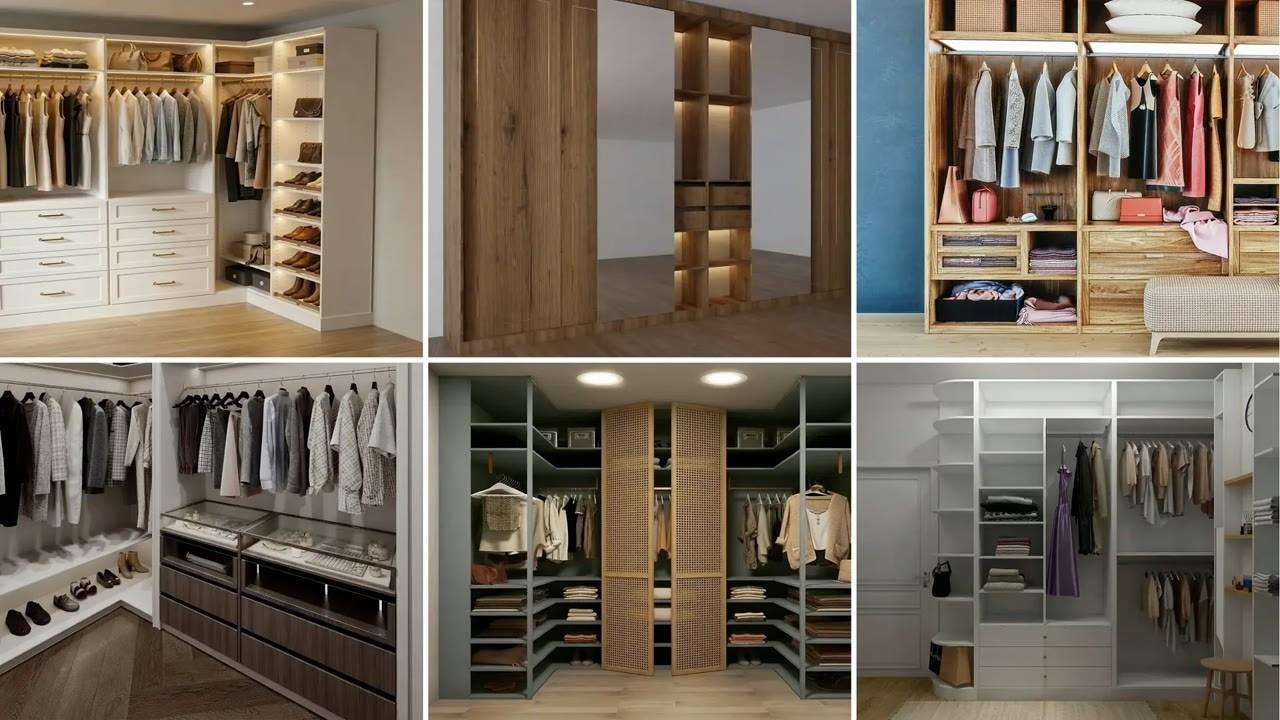
Have you ever opened your wardrobe, looked at a pile of clothes and still felt like you had nothing suitable to wear? It happens to a lot of people. We often buy new outfits because something looks great in a store or shows up in a fashion trend. After a few weeks, though, those clothes sit untouched because they're hard to style or only work for particular occasions. It's a frustrating cycle that wastes both money and space. That's one reason minimalist wardrobes are gaining so much attention. Instead of buying more, people are learning to make better use of what they already own.
A few well-chosen shirts, trousers, dresses, jackets and comfortable shoes can create more outfit combinations than a wardrobe full of random purchases. Building a minimalist wardrobe doesn't mean giving up fashion or following strict clothing rules. It's about choosing versatile clothes that match your lifestyle, feel comfortable and work for different occasions. With a little planning, you can build a wardrobe that looks stylish without feeling overcrowded.
In this guide, we'll walk through how to build a minimalist wardrobe step by step. You'll also learn how to organise it and which mistakes to avoid. Let's get started.
What Is a Minimalist Wardrobe?
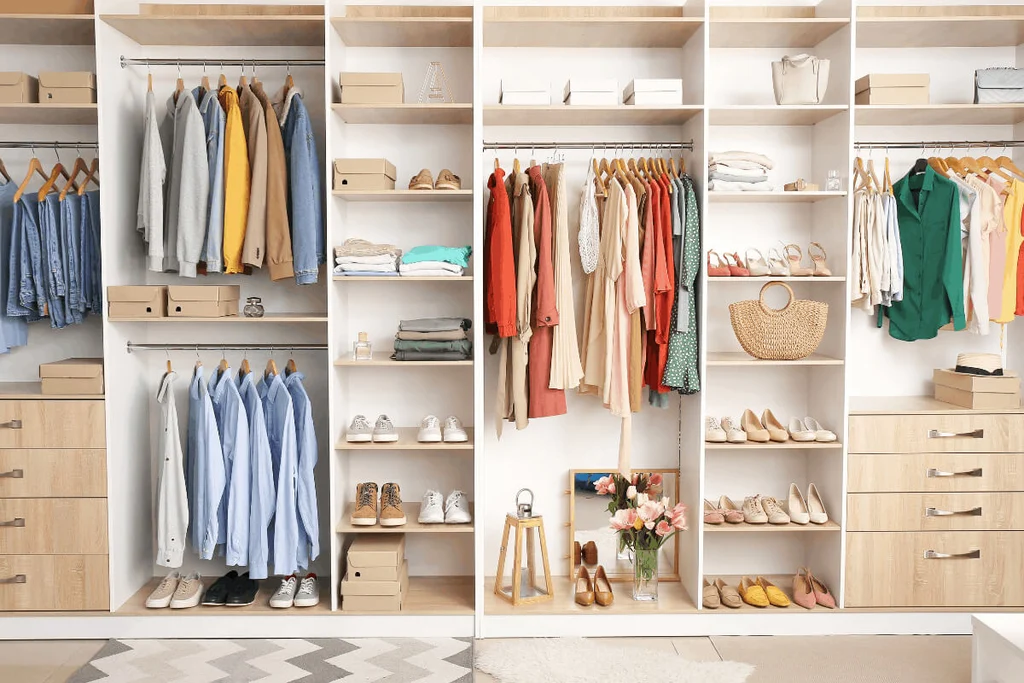
A minimalist wardrobe is a collection of carefully chosen clothes that are practical, comfortable and easy to combine. Each item has a purpose and can be worn in different ways.
A white shirt, for example, can go with blue jeans for a casual outing, black trousers for office wear or a skirt for an evening occasion. Instead of buying separate outfits for every event, you use the same piece to create different looks.
This idea is closely linked to the capsule wardrobe, which usually holds a limited selection of essential items that complement one another. The number of pieces isn't fixed, because everyone's lifestyle, fashion preferences and climate are different.
The purpose is simple: own clothes you genuinely enjoy wearing instead of filling your wardrobe with items that rarely get used.
Why Are More People Choosing Smaller Wardrobes?
Fashion habits are changing. People are becoming more thoughtful about their shopping decisions, their clothing expenses and the environmental impact of fast fashion.
1. Less Clutter and More Convenience
A crowded wardrobe can turn getting dressed into a daily challenge. People sometimes spend several minutes searching through clothes and still end up wearing the same favourite outfit.
A smaller wardrobe makes it easier to see what you own. When your clothes are organised and work well together, choosing an outfit gets much simpler. Someone getting ready for work, for example, can quickly combine a neutral shirt, comfortable trousers and a suitable pair of shoes without trying on multiple outfits.
2. Better Control Over Shopping Expenses
Buying clothes regularly can strain your monthly budget, especially when you shop for temporary trends.
A minimalist collection encourages you to think about how useful each purchase will be. Before buying another top, you can ask whether it goes with your existing trousers, jeans or skirts. This simple habit cuts down unnecessary shopping and leaves room for better-quality clothes you can wear again and again.
3. More Responsible Fashion Choices
Making clothes takes water, energy, raw materials and transportation. Replacing clothes frequently increases waste and puts extra pressure on natural resources.
Choosing durable garments, repairing damaged clothes, donating usable items and shopping second-hand are practical ways to support sustainable fashion. A smaller wardrobe can help you value what you already own instead of constantly chasing new collections.
How to Build a Minimalist Wardrobe with Versatile Pieces
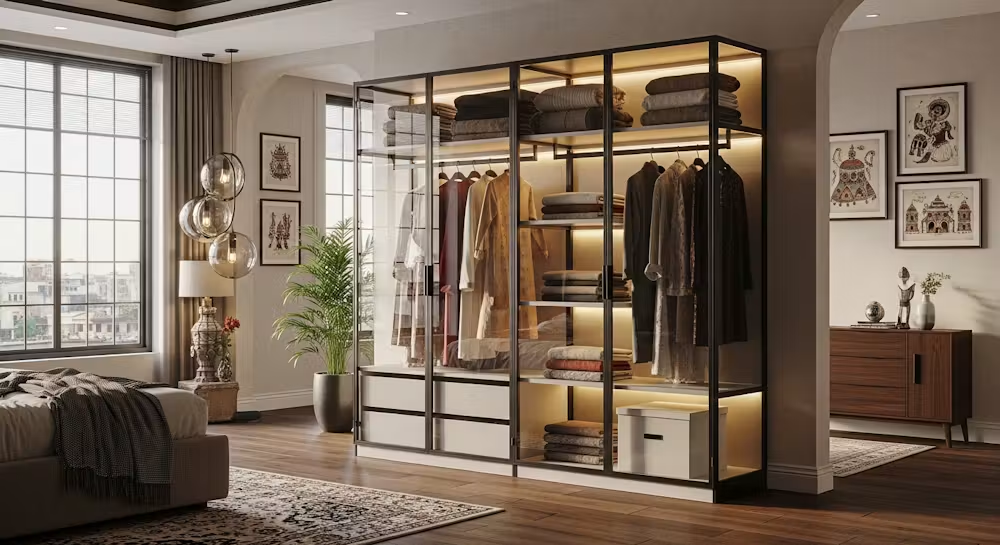
Creating a minimalist wardrobe doesn't need an expensive shopping trip. You can begin with your current clothes and improve things gradually.
1. Review Your Existing Wardrobe
Start by taking your clothes out and checking each item. Look at its condition, fit, comfort and how often you wear it. Sort everything into three groups: everyday favourites, occasional outfits and items you no longer need.
You may find that you already own several useful essentials. A comfortable pair of black trousers or a well-fitted denim jacket might work with more outfits than you realised.
Don't throw everything away at once, though. Seasonal clothing, traditional outfits and special occasion dresses can still have a place in a minimalist wardrobe.
2. Choose Colours That Are Easy to Mix and Match
Colour plays a big role in creating versatile outfits. Neutral shades like white, black, beige, grey, navy and brown are easy to combine.
Beige trousers, for instance, can go with a white shirt, a black top or a navy sweater. A black blazer works with jeans, formal trousers or a simple dress.
A minimalist wardrobe doesn't have to look boring, though. You can bring in your favourite colours through printed tops, scarves, handbags or statement accessories. What matters is choosing a colour combination that makes styling easier.
3. Invest in Essential Clothing Pieces
A versatile wardrobe starts with clothes that suit different situations. Some pieces are especially useful because they can be styled casually or formally. Consider adding these essentials:
White shirt: Works for office meetings, casual outings and evening styling.
Basic T-shirts: Comfortable for everyday wear and easy to layer.
Well-fitted jeans: Suitable for shopping, travelling and casual occasions.
Black trousers: Useful for professional and smart casual outfits.
Neutral blazer: Makes a simple outfit look more polished.
Classic dress: Can be styled with sneakers, sandals or heels.
Comfortable footwear: Neutral sneakers and everyday flats go with several outfits.
You don't have to buy everything at once. Choose pieces based on what you actually need.
4. Focus on Fabric and Clothing Quality
A stylish garment isn't always a practical purchase. Clothes sometimes look great in a store but become uncomfortable after a few hours of wearing them.
Before buying essentials, check the fabric, stitching, buttons, zippers and overall fit. Cotton is a popular choice for everyday comfort, while linen works well in warm weather. Wool and good knitwear are useful in colder months, and quality denim is a practical option for regular use.
Pay attention to washing instructions as well. Clothes that need complicated care may not suit your everyday routine.
5. Build a Wardrobe Around Your Lifestyle
Your wardrobe should reflect your own daily activities, not someone else's fashion choices. Someone working in an office may need formal shirts, trousers, blazers and comfortable work shoes. A person working from home may prefer relaxed clothing, basic T-shirts and lightweight layers.
Students may need casual outfits for college, while frequent travellers may like wrinkle-resistant clothes that are easy to combine.
Think about how you spend most of your time before deciding which items deserve space in your wardrobe.
6. Learn Different Ways to Style the Same Outfit
One of the biggest advantages of versatile clothing is that you can create different looks without buying more garments.
Take a simple white shirt. Wear it with jeans and sneakers for a weekend outing, pair it with black trousers and formal shoes for work, or layer it under a sweater or jacket in cooler weather. Accessories can change the look too. A belt, watch, handbag or scarf can make familiar clothes feel new.
Before buying a new garment, try creating at least three outfit combinations with it using your existing clothes. If it doesn't work with your collection, it may not be a useful purchase.
How to Organise a Minimalist Wardrobe
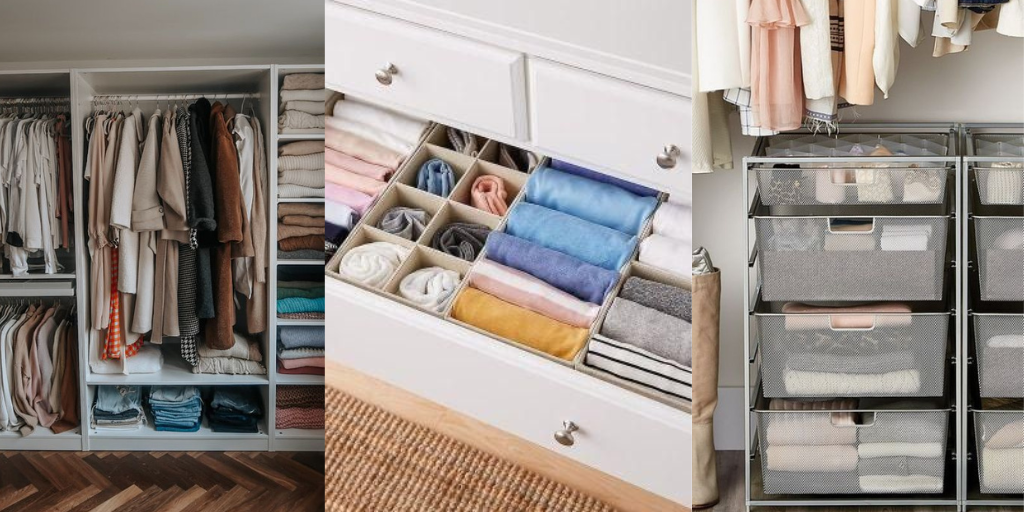
Once you've chosen your essentials, good organisation helps you get more value from them.
Arrange Clothes by Category
Keep shirts, jeans, trousers, dresses, jackets and accessories in separate sections. This makes it easier to find matching pieces. You can also arrange clothes by colour or by how often you wear them, and keep everyday favourites within easy reach.
Rotate Seasonal Clothing
Your whole clothing collection doesn't need to stay in your everyday wardrobe all year. In summer, keep cotton shirts, lightweight trousers and breathable dresses easy to reach. Store heavy sweaters, jackets and winter accessories properly until the weather changes.
Seasonal rotation creates more space without forcing you to discard useful garments.
Take Care of Your Favourite Clothes
Good care helps garments last longer. Follow washing instructions, avoid washing too often, use suitable storage methods and repair small damages when needed. Replacing a missing button or fixing a loose seam can make a favourite shirt wearable again.
Common Minimalist Wardrobe Mistakes to Avoid
01. Following Every Fashion Trend
Choose clothes that suit your personal style instead of buying every new trend.
02. Removing Too Many Clothes
Keep useful seasonal outfits and special occasion clothing.
03. Choosing Only Neutral Colours
Include shades and patterns that reflect your personality.
04. Ignoring Comfort
Select clothes that feel comfortable throughout the day.
05. Buying Without Planning
Check your existing wardrobe before purchasing new clothes.
Conclusion
Building a minimalist wardrobe with versatile pieces is a practical way to simplify everyday fashion. You don't need a large collection of expensive outfits to look stylish. A few comfortable basics, well-fitted essentials and personal statement pieces can create plenty of combinations.
Start by reviewing your existing clothes, work out what you actually need and choose garments that work well together. Give more attention to quality, comfort and long-term usefulness than to temporary trends.
A smaller wardrobe can help you save money, reduce clutter and make more responsible fashion choices. Most importantly, it lets you enjoy getting dressed without feeling that you always need something new.
A minimalist wardrobe includes a small collection of versatile clothes that are easy to mix and match.
There is no fixed number, but 30–40 carefully selected pieces can be a good starting point.
Basic T-shirts, jeans, trousers, shirts, neutral tops, jackets and comfortable footwear are essential.
Neutral colours like black, white, beige, grey and navy are easy to combine.
Choose versatile pieces that work well together and experiment with different combinations.
Sources and notes
Links the author listed for this post.
This article is based on general fashion knowledge, minimalist styling principles, and practical wardrobe recommendations to help readers build a versatile, comfortable, and budget-friendly wardrobe.


Discussion
0 comments