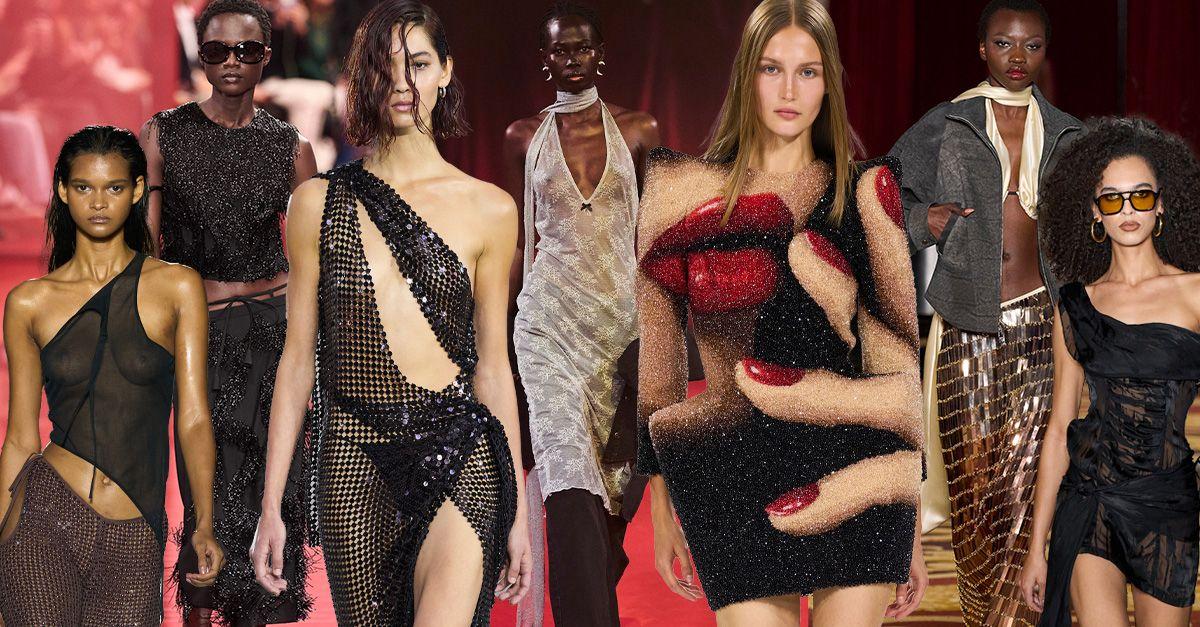
My aunt has a mustard-yellow cardigan that she bought almost twenty years ago. It has been through house moves, family weddings and at least three completely different fashion eras. Every time she wears it, someone asks where it's from. Meanwhile, my own wardrobe has a "safe" grey top I bought last year, and I can't remember a single time anyone noticed it.
That contrast made me wonder about something. We usually assume timeless fashion means black, white, beige and grey. But is that really true? Can colour, the thing we call "trendy," actually be the reason a piece stays in your wardrobe for years? Let's look at it properly.
The Myth That Timeless Means Neutral
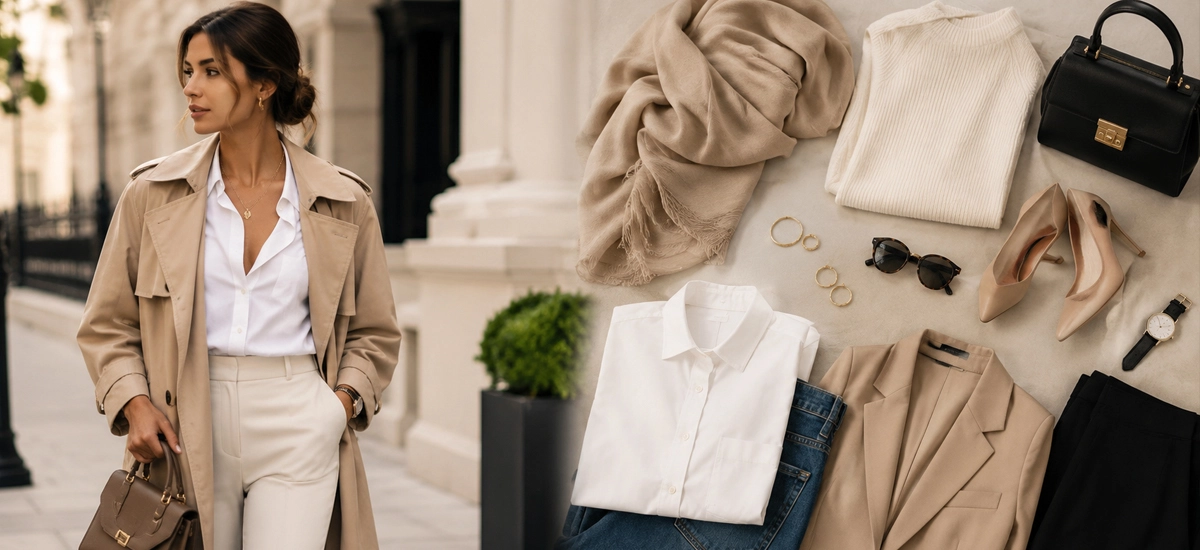
Ask most people what a timeless wardrobe looks like, and they'll describe a pile of black trousers, white shirts and beige coats. Neutrals are useful, and they do make mixing easier. But "timeless" and "neutral" are not the same thing.
A piece becomes timeless when you keep wearing it, year after year, because you still love it and it still suits you. A neutral item you feel nothing about ends up at the back of the cupboard. A colourful item you adore may stay in rotation for a decade.
Timeless is about how long you wear something, not how plain it is
A dull wardrobe often leads to buying more, not less
Colour you genuinely love is rarely regretted
Neutrals support a wardrobe, but they don't have to dominate it
In other words, the real enemy of a lasting wardrobe isn't colour. It's impulse. We tend to get tired of the things we bought without thinking.
Before you start
Collect the files, links, or details you need before using a tool.
What Actually Dates Clothes: Colour or Shape?


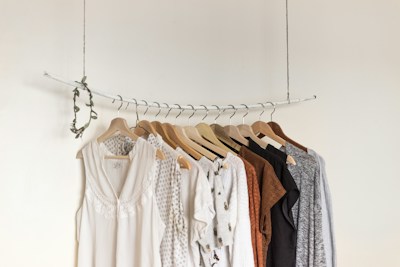

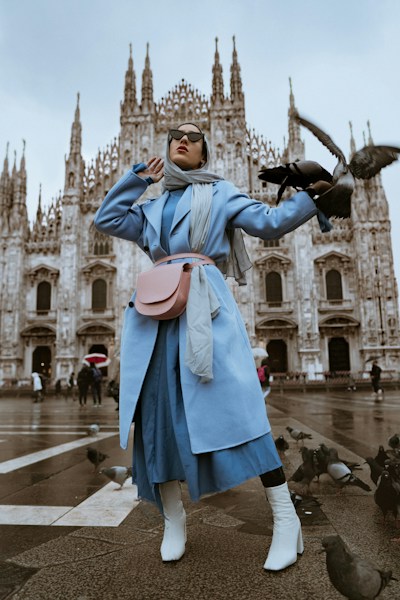
When we look at old photographs, what makes outfits look "of their time"? Usually it isn't the colour. It's the shape: the exaggerated shoulders, the extra-wide trousers, the very tight cuts or the very short hemlines. Silhouettes change quickly, while many colours keep coming back.
Deep blue, forest green, burgundy, mustard and rust have shown up in fashion for generations. They feel familiar and warm, so they don't scream a particular year. A simple, well-cut shirt in a rich colour can look as good ten years from now as it does today.
Trend colours are different
Not every colour has the same staying power. Ultra-bright or very specific shades that are pushed heavily for one season, such as a certain neon or a very particular pastel, can date faster. They can still be fun, but it helps to treat them as a one-time accent and not a big investment.
Classic colours are everywhere
Navy, bottle green, burgundy, camel, cream, rust, soft pink and cobalt blue have appeared in classic wardrobes for a long time. If you want colour that lasts, start with these.
Colour Type | Examples | Staying Power |
|---|---|---|
Classic deep shades | Navy, bottle green, burgundy | Very high, they look refined year after year |
Warm earth tones | Camel, rust, mustard, olive | High, easy to mix and age gracefully |
Soft and muted colours | Dusty pink, sage, powder blue | High, gentle and flattering |
Bright statement colours | Cobalt, red, emerald | Moderate to high if the cut is simple |
Seasonal fad shades | Neon or one-season "colour of the year" tones | Low, best as small accessories |
Why Colour Can Make a Wardrobe Last Longer
It sounds backwards, but a more colourful wardrobe can reduce waste. Here's why.
First, you enjoy getting dressed, which means you wear more of what you own. Second, colour helps you build a personal style that doesn't need constant updating. When you know what you love, you stop chasing every new trend. Third, interesting colours make simple clothes feel special, so you don't need to buy a new outfit for every occasion.
Colour creates a personal signature
People often remember others by their favourite colours. When your wardrobe leans toward shades that feel like "you," your style becomes consistent. Consistency is what makes a wardrobe feel timeless, because it doesn't depend on what's popular this month.
Colour keeps basics fresh
A plain white tee, jeans and sneakers can start to feel boring. Swap the white for a deep green or a warm terracotta, and the same outfit feels new. You haven't bought much, but you've changed the mood.
Quick card: The Colour You Keep Reaching For
Look at the clothes you wear most often, not the ones you think you should wear. Notice which colours repeat. That's your real palette, and the best place to start.
How to Find Colours That Suit You
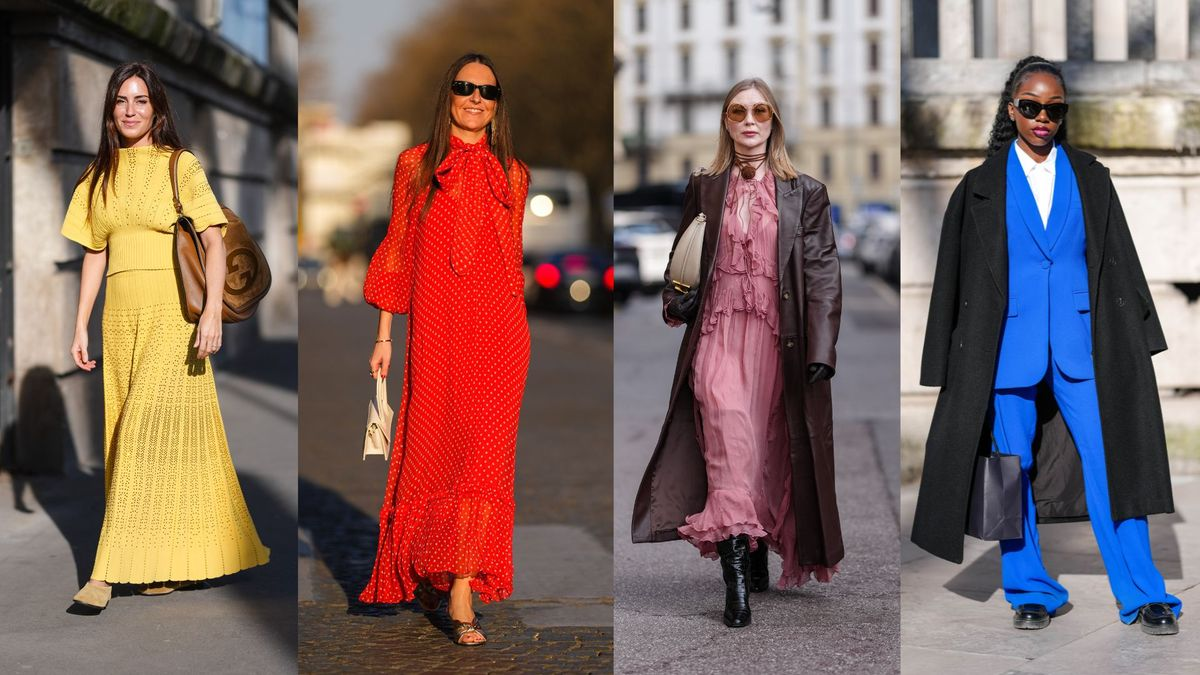
You don't need an expensive consultation to find your colours. A few simple tests are enough, and the point is to notice how you feel, not to follow strict rules.
Stand in natural daylight and hold different coloured tops near your face. Notice which ones make your skin look fresh and awake, and which ones make you look tired. Pay attention to compliments, too. If people often comment when you wear a certain shade, that's a clue. And think about your hair, eyes and skin tone, because warm tones like rust and mustard often flatter warmer complexions, while cool tones like navy and berry often suit cooler ones. Treat these as guides, not laws, since plenty of people break the rules beautifully.
Try colours near your face in daylight
Note which shades earn you the most compliments
Pick colours you feel confident and comfortable in
Don't force a colour just because it's trending
Build a Palette, Not a Pile
The easiest way to wear colour without chaos is to work with a small palette. Choose a few main colours that work well together, and let most of your clothes come from that group. This way, almost everything matches almost everything.
A simple plan is to choose two or three base colours, a couple of supporting colours and one or two accent colours. For example, navy and cream as the base, camel and olive as supporting shades, and rust as an accent. Every piece you add should work with at least a few of the others.
Use the rule of three
Try to keep each outfit to about three colours, including neutrals. It looks organised and intentional, and it stops colourful clothing from feeling busy.
Let one piece do the talking
If you're new to colour, start with one bold item per outfit, like a green coat over neutrals, and build confidence from there. You can add more as you feel ready.
How to use this guide
Start with the outcome. Decide what you need from this workflow.
Check the important details. Review the examples, warnings, and linked resources.
Take action. Apply the best option and save the result for later use.
Quality Matters More Than You Think

A colourful piece only lasts if it's made well. Cheap fabric fades, bobbles and loses its shape, and a faded shirt quickly looks tired, no matter how nice the colour was. If you want colour to stay timeless, choose materials that hold it.
Natural fibres like cotton, wool, linen and silk usually hold dye well and age gracefully, while good-quality blends can also work. Check the seams, the stitching and the feel of the fabric. Wash colourful clothes carefully, using cold water and gentle detergent, and dry them away from harsh sunlight so they don't fade.
Care Habit | Why It Helps Colour Last | Simple Tip |
|---|---|---|
Wash in cold water | Reduces fading | Turn clothes inside out |
Use gentle detergent | Protects dye and fabric | Avoid harsh bleach-based products |
Dry in the shade | Sunlight can bleach colours | Hang clothes away from direct sun |
Wash dark colours separately | Prevents colour bleeding | Group by colour family |
Follow the care label | Keeps fabric in good shape | Check temperature and drying advice |
A Smarter Way to Judge a Purchase
If you're afraid a colourful piece will go out of style, use a simple test. Ask yourself whether you can imagine wearing it at least thirty times. If you can picture it with several things you already own, it's likely a good buy.
This is sometimes called cost per wear. A bright jacket that costs a bit more but gets worn every week for years is cheaper in the long run than a cheaper item you wear twice. Colour you love tends to give you more wears, because you actually want to put it on.
Can I style it with at least three things I already own?
Do I love the colour in daylight, not just in the shop?
Is the cut simple enough to stay relevant?
Is the fabric good enough to last?
When to Keep It Neutral
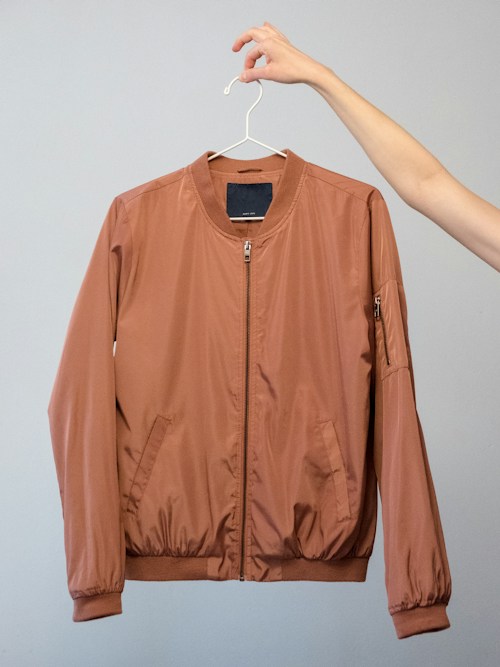
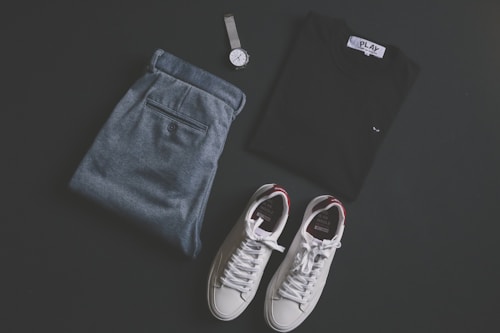
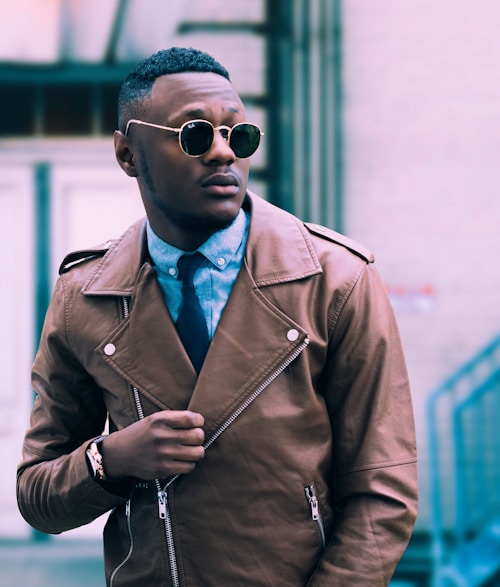
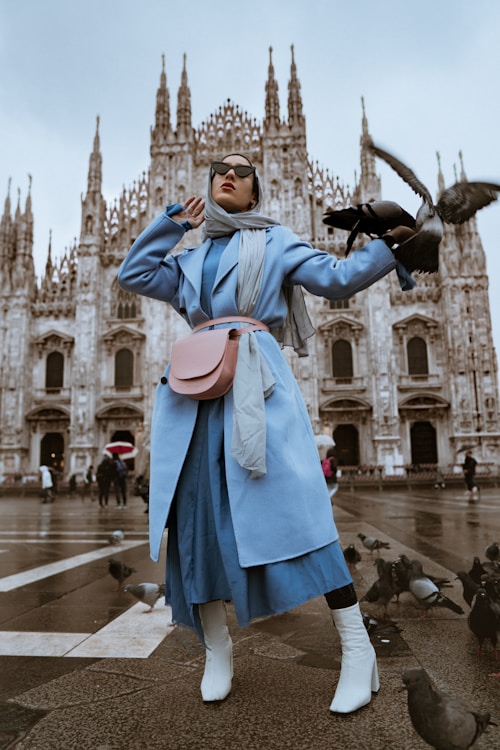
None of this means you should throw out your neutrals. Black, white, grey and beige have a job, and a good wardrobe usually has both. Neutrals are great for items you need to match with everything, like coats, trousers, shoes and bags.
A helpful way to think about it is this: keep your expensive, hard-to-replace basics neutral or in a classic deep shade, and use colour in tops, knitwear, scarves and accessories. That way, you can refresh your look without spending much, and your big pieces will continue to work for years.
Mistakes to Avoid
Even colour lovers fall into a few traps. These are the most common ones.
Buying a trend colour only because it's everywhere
Choosing colours that clash with most of your wardrobe
Ignoring fit and fabric because the shade looks great
Wearing too many bold colours at once
Forgetting that lighting in the shop can change how a colour looks
Final Thoughts
Colour doesn't make a wardrobe less timeless. In many cases, it makes it more so. A piece stays in your life when you love it, when it fits well and when it works with your other clothes, and colour can be a big part of that. Choose classic shades you're drawn to, build a small palette, invest in good fabric and treat neutrals as the supporting cast.
My aunt's mustard cardigan survives not because it's plain, but because it's loved. She told me she's never once thought about whether it's "in fashion." She just puts it on and feels like herself. If your wardrobe can make you feel that way, it's already timeless.
FAQ's
Yes, colourful clothing can create a timeless wardrobe when you choose versatile shades and classic designs.
Navy, burgundy, emerald green, mustard, red, and soft pastels can work well across different seasons.
Pair colourful pieces with neutral basics such as black trousers, white shirts, or beige jackets.
Some colour trends change, but well-chosen shades can remain stylish when paired with classic clothing.
Start with three to five colourful pieces that match your existing clothes and personal style.
Sources and notes
Links the author listed for this post.
Fashion industry insights, colour styling guides, wardrobe planning resources, and trusted fashion publications.


Discussion
0 comments