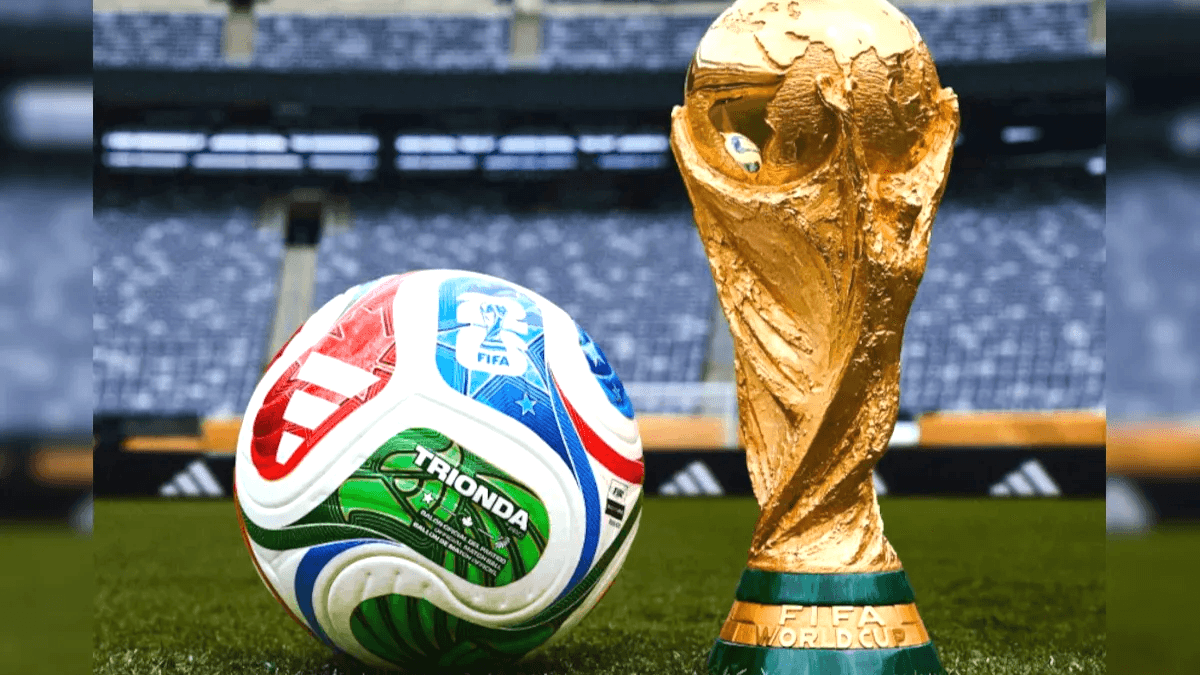
There is a specific kind of quiet that falls over a living room—or a crowded street café—right before a World Cup final kicks off. Billions of people, separated by oceans, languages, and time zones, are suddenly holding their breath at the exact same second. Football has always had a unique way of erasing borders, and every four years, the FIFA World Cup reminds us why it remains the biggest sporting spectacle on the planet.
When the 2026 tournament kicked off on June 11 and wrapped up with the final on July 19, fans knew they were watching something completely different from anything that had come before. After 39 days of drama, upset victories, and nonstop action across North America, Spain edged out Argentina 1–0 in a tense, tactical final to lift the trophy for the second time in their history.
Behind that single winning goal was a tournament that completely rewrote the rulebook for international football. From a massive jump in participating nations to three countries sharing hosting duties, the 2026 World Cup reshaped how the game is played, watched, and experienced around the world. Here is a closer look at what made this edition so historic—and what it means for the future of the sport.
What Made the 2026 FIFA World Cup So Different?
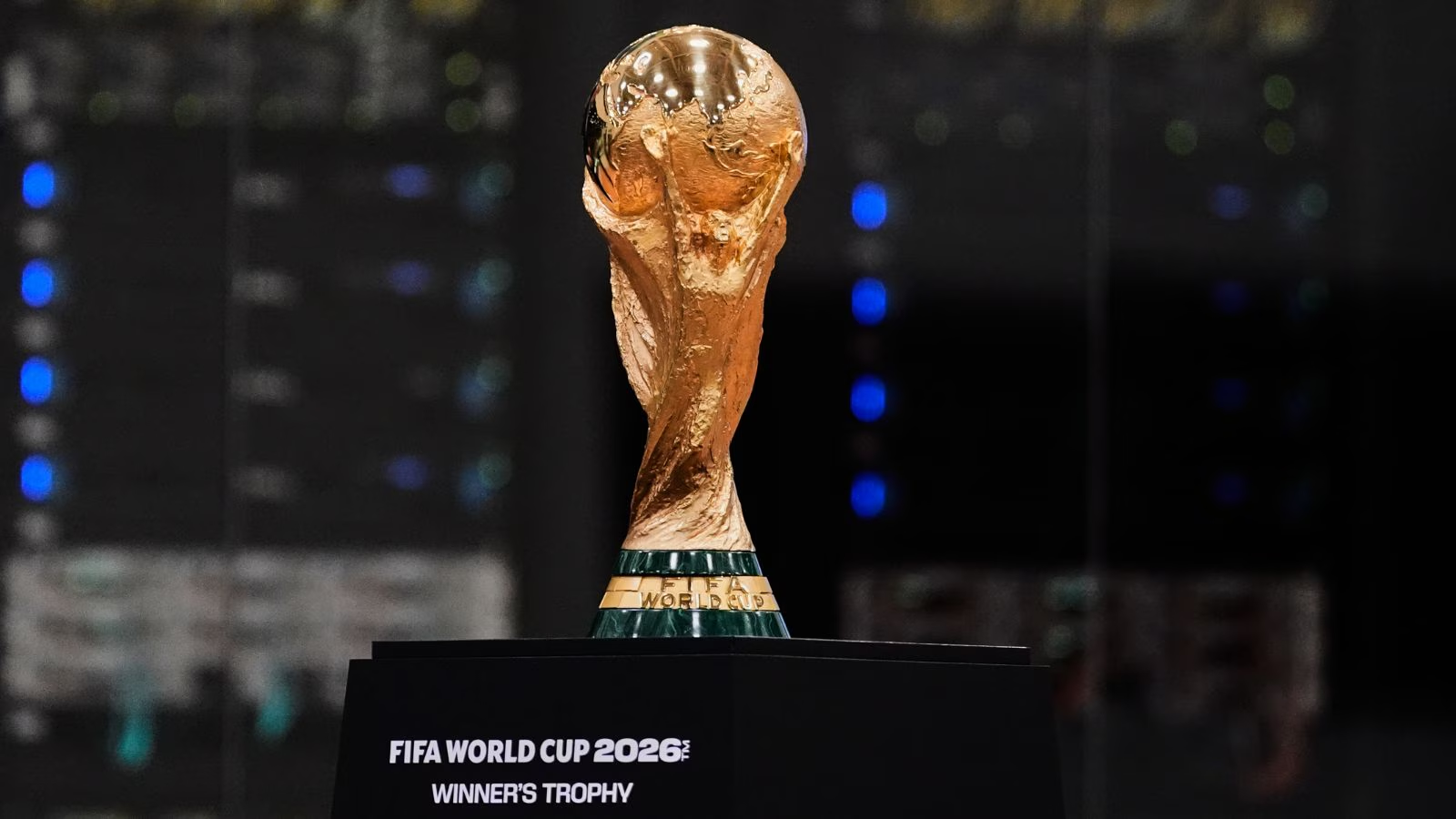
For nearly three decades—from France 1998 right through to Qatar 2022—the World Cup followed a familiar rhythm: 32 teams, 64 matches, and a single host nation (with the notable exception of South Korea and Japan in 2002). Fans knew the math by heart.
In 2026, FIFA threw out that blueprint and went bigger in every possible way:
48 National Teams: Sixteen extra spots opened the door for countries that had spent decades watching from the sidelines.
104 Matches: Instead of 64 games, fans got 40 additional fixtures, turning the tournament into a true summer marathon of football.
A Brand-New Round of 32: With 48 teams split into 12 groups of four, simply finishing in the top two was no longer the only way through. The eight best third-place finishers also advanced, kicking off the knockout phase with a high-stakes Round of 32.
That extra knockout round changed the psychology of the group stage completely. In previous tournaments, losing your opening match almost always meant packing your bags early. In 2026, teams stayed alive until the final whistle of Matchday 3, keeping fans on the edge of their seats and giving underdogs a realistic shot at making a deep run.
The 48-Team Gamble: Did Expansion Actually Work?
Before the tournament began, the move from 32 to 48 teams sparked fierce debate among pundits and lifelong supporters. Critics worried that expanding the field would water down the quality of the group stage, leading to lopsided scorelines and predictable matchups.
In reality, the tournament delivered a fascinating mix of both worlds. Yes, there were moments where the gap in experience and squad depth between traditional football powerhouses and newcomers was obvious. When a team packed with Champions League regulars faces a squad made up mostly of domestic league players, the difference in pace and tactical discipline shows.
At the same time, football has never been played on paper. Having 48 teams meant more styles of play, more unpredictable tactical battles, and far more drama. For smaller footballing nations, just stepping onto a World Cup pitch is a monumental milestone. It gives players priceless exposure against elite opposition and forces domestic football federations to invest in better coaching, nutrition, and youth academies back home.
Looking back, expanding the tournament was a smart bet. Competitive balance matters, of course, but growing the game globally matters just as much. When more countries have a genuine reason to dream every four years, the entire sport gets stronger.
Three Nations, 16 Cities: A Historic Co-Hosting Experiment
Another defining feature of the 2026 tournament was its sheer geographic scale. For the first time ever, three countries—Canada, Mexico, and the United States—teamed up to stage the event across 16 major host cities.
Host Country | Host Cities |
Canada | Toronto, Vancouver |
Mexico | Mexico City, Guadalajara, Monterrey |
United States | Atlanta, Boston, Dallas, Houston, Kansas City, Los Angeles, Miami, New York/New Jersey, Philadelphia, San Francisco, Seattle |
With this tournament, Mexico carved out a piece of history of its own, becoming the first country to host or co-host the men's FIFA World Cup three times—adding 2026 to its iconic turns in 1970 and 1986. Watching matches at the legendary Estadio Azteca alongside sleek, modern NFL-style arenas in cities like Dallas, Los Angeles, and Atlanta gave the tournament a rich visual and cultural contrast.
Co-hosting on a continental scale proved that huge sporting events no longer have to fall on the shoulders of a single nation. Each host country brought its own flavor, stadium atmosphere, and fan culture to the party, turning North America into one massive, interconnected festival of football.
Underdogs and Debutants Stealing the Spotlight
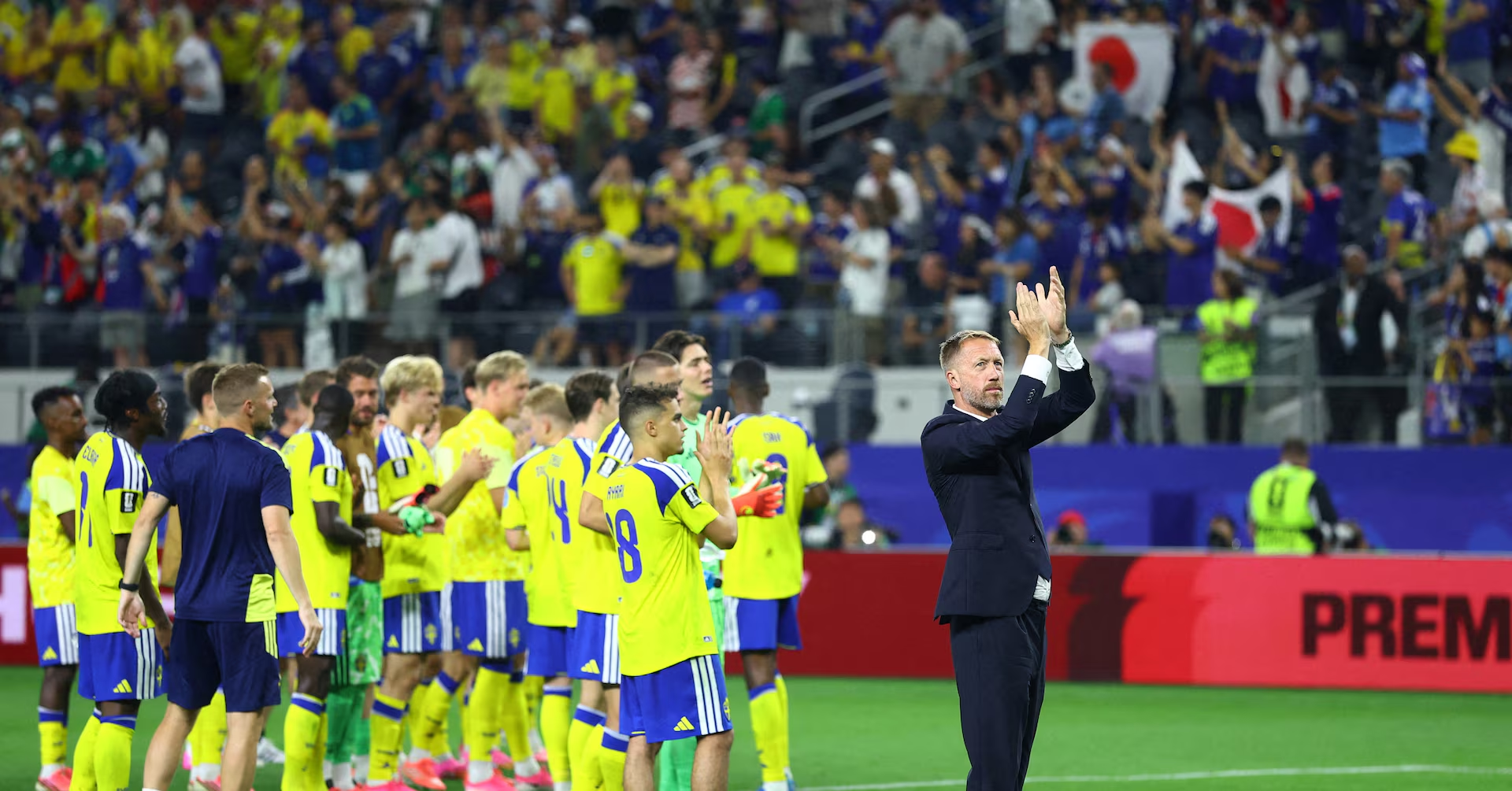
If you ask ten football fans what they remember most about a World Cup, nine of them will mention an underdog story before they mention a tactical formation. The 2026 edition gave us plenty to cheer about.
Two debutants in particular captured the imagination of neutral fans everywhere:
Cabo Verde: The island nation off the coast of West Africa finally broke through to make its first-ever World Cup appearance, showing fearless, energetic football that won over crowds immediately.
Curaçao: Making its tournament debut, Curaçao became the smallest nation by population ever to qualify for the men's FIFA World Cup—a remarkable achievement that proved talent and organization can punch far above a country's geographic size.
Beyond those debuts, the tournament underscored the steady rise of African and Asian football. With more qualification slots available, nations from both continents arrived with deeper squads, sharper tactical setups, and zero fear of traditional European or South American giants. Watching nations that rarely get global media attention hold their own on the biggest stage is one of the purest joys in sports. One gutsy 90-minute performance can inspire an entire generation of kids back home to lace up their boots.
How Modern Technology Shaped the Matches
Football has come a long way from the days when a referee's eyesight was the final word on every close call. In 2026, technology played a central role both on the pitch and in the way fans followed the action from home.
Semi-Automated Offside Technology: Using limb-tracking cameras and sensors inside the match ball, officials were able to make tight offside calls in seconds rather than minutes, keeping the flow of the game moving.
Video Assistant Referee (VAR): VAR continued to act as a safety net for clear and obvious errors on goals, penalties, and red cards.
Goal-Line Technology: Instant alerts to the referee's watch removed any doubt whenever a shot bounced off the crossbar and down near the line.
Connected Fan Platforms: Real-time tactical stats, multi-angle replays, and interactive second-screen apps allowed fans at home to analyze matches almost like broadcast pundits.
Of course, technology in football is always a balancing act. Fans want the right decisions made, especially when a World Cup knockout match is on the line, yet nobody wants a thrilling counterattack ruined by a three-minute pause while officials draw lines on a screen. In 2026, faster automated tools helped bridge that gap—proving that technology works best when it stays quietly in the background and lets the emotion of the game breathe.
A Digital Phenomenon: How Fans Experienced the Tournament
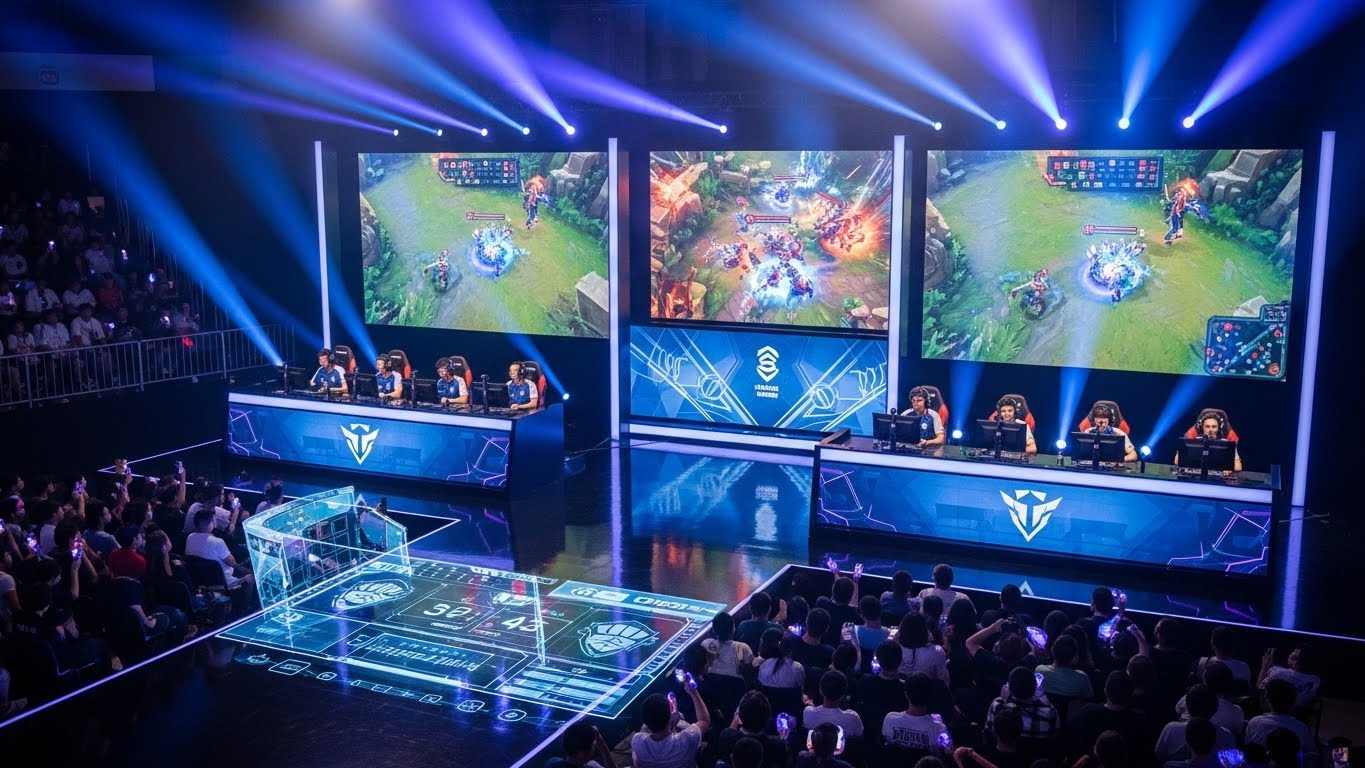
You did not need a stadium ticket to feel the pulse of the 2026 World Cup. While millions packed fan zones and stadiums across North America, billions more lived every minute of the tournament through their phones and televisions.
According to FIFA's official post-tournament figures, its digital platforms drew more than 260 million unique visitors, while World Cup social media content racked up an astonishing 43 billion impressions and 29 billion video views.
Those numbers tell a bigger story about how sports fandom has evolved. Watching a match is no longer a passive experience. Fans spent the summer clipping breathtaking goals seconds after they hit the net, debating referee decisions in real time, and connecting with supporters from opposing countries in the comments. Even if you were watching alone at 2:00 AM on the other side of the world, you were part of a live, global conversation.
Major Highlights and Records from FIFA World Cup 2026
From goal fests in the knockout rounds to record-breaking crowds in the stands, the numbers from 2026 speak for themselves:
Tournament Milestone | 2026 Result |
Participating Teams | 48 |
Total Matches Played | 104 |
Host Countries | 3 (Canada, Mexico, USA) |
Host Cities | 16 |
Tournament Dates | June 11 – July 19, 2026 |
Champions | Spain (2nd title) |
Runners-Up | Argentina |
Third Place | England |
Total Goals Scored | 308 |
Total Stadium Attendance | 6,810,966 |
Spain's 1–0 victory over Argentina in the final was a masterclass in composure and ball control, denying Argentina back-to-back titles and cementing a new golden era for Spanish football. Meanwhile, the third-place playoff delivered pure chaos and entertainment, with England outlasting France in a wild 6–4 thriller that fans will be rewatching for years.
In the stands, total attendance surged past 6.8 million spectators—more fans through the turnstiles than the 2018 and 2022 World Cups combined.
Economic Boosts and Real-World Host Challenges
Pulling off a 104-match tournament across three countries took an army of people behind the scenes. More than 43,000 volunteers worked alongside stadium crews and event staff representing over 100 nationalities to keep operations running smoothly across all 16 venues. For local hotels, restaurants, airlines, and small businesses, the influx of international visitors brought a massive summer economic wave.
Still, staging an event of this scale came with very real headaches that future organizers will have to study closely:
Grueling Travel Schedules: Flying across multiple time zones and climate zones between matches tested both squads and die-hard supporters following their teams from city to city.
Player Workload and Fatigue: Adding an extra knockout round pushed top players—many already coming off exhausting club seasons—to their physical limits, making sports science, squad rotation, and recovery protocols more critical than ever.
High Ticket and Travel Costs: With huge demand and long distances between host cities, attending matches in person remained expensive for everyday working-class fans.
Sustainability and Carbon Footprint: Moving 48 teams, media crews, and millions of fans across a continent raised tough questions about aviation emissions and environmental responsibility.
The true legacy of hosting a World Cup is never measured just by hotel bookings during those five weeks. It comes down to whether host cities turn that investment into better public transit, lasting youth sports facilities, and stronger local communities long after the final trophy is lifted.
Inspiring the Next Generation of Players
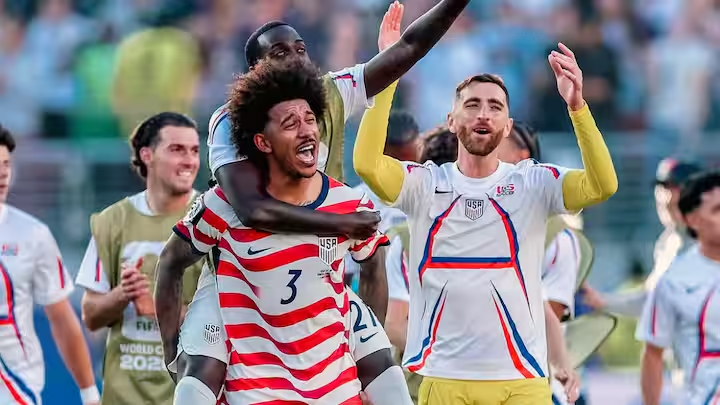
Long after the record books are filed away, the deepest impact of the 2026 World Cup will show up on dusty neighborhood pitches, schoolyards, and local training grounds around the globe.
When young kids watch players from countries like Cabo Verde or Curaçao go toe-to-toe with the biggest stars in world football, it changes what they believe is possible. Football suddenly stops feeling like a closed club reserved for a handful of traditional nations. Schools, grassroots clubs, and local coaches get a massive wave of fresh energy every four years—and the kid practicing free kicks against a wall today could easily be walking out under stadium lights in 2034 or 2038.
What Does the Future of International Football Look Like?
The FIFA World Cup 2026 proved that international football can evolve without losing its soul. Bigger tournaments, multi-nation hosts, smarter officiating technology, and hyper-connected digital fanbases are clearly here to stay.
Looking ahead, FIFA and continental confederations will need to fine-tune the balance—protecting player health from overcrowded calendars, keeping match tickets accessible to real fans, and making multi-country tournaments greener and easier to navigate. Yet if 2026 taught us anything, it is that when the whistle blows and the ball starts rolling, football still has the unmatched power to bring the entire world together.
Frequently Asked Questions
Spain defeated Argentina 1–0 in the final to win their second World Cup title.
A record 48 national teams competed in the tournament, up from the previous 32-team format.
The tournament was jointly hosted across 16 cities in Canada, Mexico, and the United States.
FIFA introduced a new Round of 32 knockout stage, expanding the tournament to 104 total matches.
Cabo Verde made its first appearance, while Curaçao became the smallest nation by population ever to qualify.
Sources and notes
Links the author listed for this post.
Information is based on FIFA announcements, official tournament updates and trusted sports journalism. The article covers tournament organisation, international participation, technology and the wider impact on global football.
More on AltFTool
- AltFTool (opens in a new tab)
altftool.com


Discussion
0 comments
No comments yet
Discussion will appear here once it loads.