
Sports have always brought people together. Whether it is a cricket match in India, a football final in Europe, a basketball game in the United States, or a Formula 1 race watched by fans around the world, the excitement of following a favourite team has never depended on geography alone.
However, the way people watch sports is changing rapidly. Not long ago, most fans depended on television channels, cable subscriptions, or radio commentary to keep up with important matches. If a game was not being broadcast in their region, watching it could be difficult. Today, streaming platforms, mobile applications, and social media have created more ways to follow sporting events.
Fans can now watch live matches on their phones, catch highlights during a lunch break, follow real-time scores while travelling, and revisit important moments whenever they want. They can also follow teams and competitions outside their home countries without depending entirely on traditional television schedules.
This change is not happening in the same way everywhere. Internet access, subscription prices, local broadcasting rights, popular sports, and viewing habits all influence how streaming is used in different countries.
So, how exactly is streaming changing the global sports experience? Let's explore the major changes, regional differences, opportunities, and challenges shaping the future of sports viewing.
1. The Shift from Traditional Television to Online Sports Streaming
For many years, television was the main way to watch professional sports. Broadcasters purchased rights to show major tournaments and leagues, while viewers tuned in at scheduled times.
This arrangement worked well, but it had limitations. Fans needed access to the right television channel, had less control over viewing schedules, and sometimes missed matches because of regional broadcasting restrictions.
Streaming has introduced a more flexible alternative.
Instead of relying only on traditional television, viewers can access sports through websites, mobile applications, smart TVs, and connected devices. Some platforms offer live matches, while others provide highlights, replays, interviews, documentaries, and expert analysis.
This flexibility has changed the relationship between fans and sporting events. People no longer need to plan their entire day around a television broadcast. They can watch from different locations and choose the type of sports content that suits their routine.
Traditional television has not disappeared, though. Many fans still prefer watching major matches on large screens, particularly when they are sharing the experience with family and friends.
The difference is that sports viewing is becoming a combination of television, streaming services, and digital platforms rather than depending on one medium alone.
2. How Sports Streaming Is Changing Fan Experiences Around the World
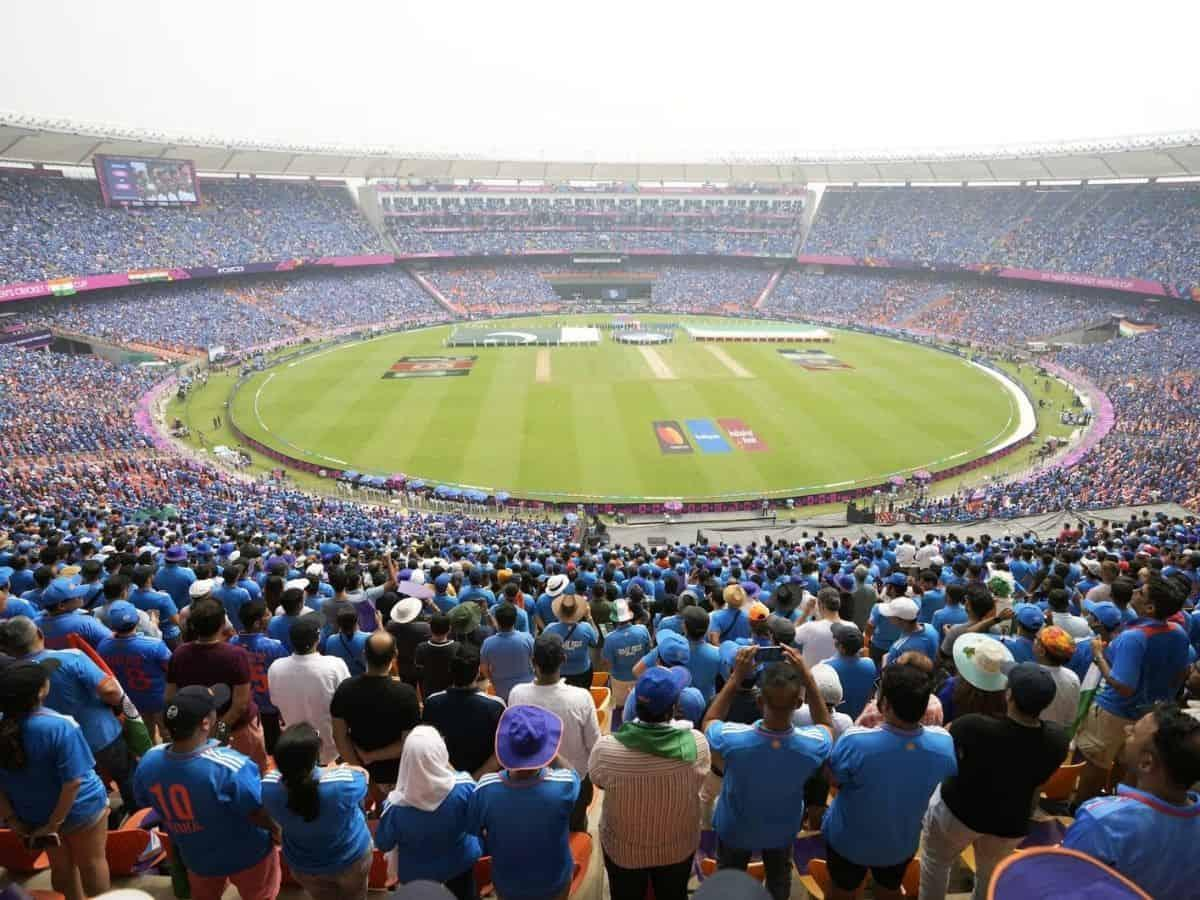
The growth of sports streaming is global, but every country has its own viewing culture. A cricket fan in India may have different expectations from a football supporter in the United Kingdom or a basketball follower in the United States.
Here is how streaming is influencing sports audiences across different regions.
India: Cricket Streaming and Mobile-First Sports Viewing
India has one of the world's most passionate cricket audiences. For many fans, following cricket is more than watching a sporting event. It is part of everyday conversations, family gatherings, celebrations, and national sporting culture.
Streaming has made cricket more accessible by allowing viewers to follow matches through smartphones, tablets, laptops, and smart televisions.
Fans can watch major cricket tournaments, follow domestic competitions, check live scores, and catch important moments without always needing a traditional television connection.
The popularity of mobile viewing is particularly important in a country where people often consume digital content while travelling, working, or taking breaks. Regional-language commentary and localised sports coverage can also make matches more accessible to viewers with different language preferences.
Cricket remains a major attraction, but digital platforms are also helping audiences discover football, badminton, kabaddi, hockey, and other sports.
The growing availability of sports content gives lesser-followed competitions more opportunities to reach viewers who might not have discovered them through traditional television.
United States: Football, Basketball, Baseball, and Multi-Platform Viewing
In the United States, professional sports have a strong connection with television broadcasting. The NFL, NBA, MLB, and other major competitions attract large audiences.
Streaming is adding another way for American fans to follow these events.
Viewers can use digital services to watch selected live games, access replays, follow team updates, and explore sports-related programmes. Some services also offer additional camera angles, commentary options, and personalised recommendations.
Another important change is the growing popularity of watching sports content outside live matches. Fans may watch a game recap, listen to a podcast, follow an athlete's social media account, or view analysis videos before the next fixture.
However, sports broadcasting rights in the United States are spread across different networks and streaming platforms. As a result, fans may need multiple subscriptions to follow all the competitions they enjoy.
This creates an interesting situation: streaming offers more choice, but finding the right service can sometimes become complicated.
United Kingdom: Football Fandom Beyond Television
Football has a special place in British sporting culture. Supporters closely follow domestic leagues, European competitions, international tournaments, and their favourite clubs.
Streaming has made it easier for fans to explore football coverage beyond traditional match broadcasts. They can access selected games, pre-match discussions, post-match analysis, interviews, documentaries, and highlights through digital platforms.
It also helps supporters living away from their hometowns stay connected with their clubs.
For example, someone who moves from Manchester to another country may continue following a favourite team through legally available international streaming services, depending on local broadcasting rights.
Digital coverage has also encouraged fans to follow women's football and lower-profile competitions that may receive less attention on traditional television.
However, live broadcasting rights remain important. Not every match is available on every platform, and the service carrying a competition can vary by season and location.
Europe: Following Multiple Leagues and International Competitions
European sports audiences have access to a wide range of competitions. Football leagues, Formula 1, tennis, cycling, rugby, basketball, and other sports attract viewers across different countries.
Streaming makes it easier to follow competitions that take place outside a fan's home market. A football supporter in Germany may be interested in Spanish football, while a viewer in Italy may regularly follow the English Premier League.
Digital platforms can bring this content together through live coverage, match replays, highlights, and related programmes.
However, Europe is not one uniform streaming market. Broadcasting arrangements differ between countries, and language preferences influence which services people choose.
A platform may offer a particular competition in one country but not another because sports media rights are often sold separately for different territories.
This means international access has improved, but it does not automatically mean that every event is available everywhere.
Australia: Growing Interest in International and Domestic Sports
Australia has a strong sporting culture, with cricket, Australian rules football, rugby, tennis, and football attracting dedicated audiences.
Streaming has created additional opportunities for viewers to follow domestic competitions as well as international events.
Fans can access selected matches, highlights, interviews, and sports news through digital services. It is particularly useful for people who want to follow competitions happening in different time zones.
For instance, an Australian viewer may want to watch an international tennis tournament or a football match taking place in Europe. Online services can make that content easier to access when the relevant rights are available.
The growth of digital viewing also gives sports organisations new ways to connect with younger audiences through mobile-friendly content and social media.
Middle East and Africa: Expanding Digital Access to Sports
The Middle East and Africa have diverse sports audiences, with football playing an important role in many countries. Cricket, athletics, basketball, motorsports, and other competitions also attract interest.
Streaming is creating new opportunities for fans to access sports coverage, especially where traditional television packages may offer limited choices.
Mobile devices are particularly important in markets where smartphones are a common way to access online content. Fans can follow scores, watch available match coverage, and receive updates through sports applications.
However, affordability and internet infrastructure remain significant factors.
High data costs, inconsistent network coverage, and subscription prices can prevent some viewers from enjoying uninterrupted live streaming. Free-to-watch digital content and advertising-supported services may therefore play an important role in expanding access.
3. Streaming Makes International Sports Easier to Discover
One of the biggest changes brought by streaming is the ability to discover sports beyond local television schedules.
In the past, viewers were often exposed mainly to competitions that broadcasters in their country considered popular. Today, digital platforms can help fans explore different leagues, teams, athletes, and sporting cultures.
For example:
A cricket supporter can follow international tournaments and selected domestic competitions.
A football fan can discover clubs from leagues outside their home country.
A basketball enthusiast can follow international leagues and major American competitions.
A motorsport fan can watch race highlights and behind-the-scenes coverage.
A tennis follower can keep up with tournaments taking place across different continents.
This wider discovery can help smaller competitions build international audiences.
It also creates opportunities for athletes and sports organisations to connect with fans who may never attend their events in person.
However, availability still depends on broadcasting agreements, regional restrictions, and the services operating in each market.
4. The Rise of Mobile Sports Streaming
Smartphones have become an important part of modern sports viewing.
Many fans use their phones to check scores, watch short clips, follow live commentary, and receive notifications about upcoming matches. Some also stream complete events on mobile devices when a television is unavailable.
This is particularly useful for people with busy schedules.
Imagine someone travelling home from work who wants to keep up with an important cricket match. Instead of waiting until they reach home, they can check the score or watch available coverage on their phone.
Mobile streaming also supports different viewing habits:
Live match access: Watch events while away from home.
Real-time notifications: Receive updates about goals, wickets, scores, and results.
Short highlights: Catch important moments without watching an entire match.
On-demand replays: Revisit matches or key performances later.
Personalised content: Discover updates related to favourite teams and competitions.
However, mobile viewing depends heavily on internet speed, battery life, data availability, and the quality of the streaming application.
5. Short Highlights Are Changing How Fans Consume Sports
Not every sports fan has enough time to watch a complete match.
A football game may last around two hours, while some cricket formats continue for several hours or even multiple days. For people balancing work, studies, and personal responsibilities, following every minute is not always practical.
This is one reason short-form sports content has become increasingly important.
Fans can now watch:
Match highlights
Best goals and wickets
Important saves and defensive moments
Player interviews
Post-match reactions
Tactical breakdowns
Memorable performances
Behind-the-scenes footage
A 10-minute highlight package can help viewers understand the most important moments of a match without spending hours watching the full event.
Social media has also made these clips easier to discover and share. A memorable goal or outstanding performance can reach millions of people shortly after it happens.
According to a 2026 global sports fan survey by Gracenote, 77% of respondents watched sports-related programming in addition to live events, while 38% said they preferred highlights to full games. This shows that sports fandom increasingly extends beyond the live broadcast.
PublicNow
The growing interest in highlights does not mean live sports are becoming irrelevant. Instead, fans are combining live viewing with shorter content that fits their schedules.
6. Social Media Is Becoming Part of the Sports Viewing Experience

Watching sports is no longer limited to the match itself.
Fans often discuss performances, share opinions, post reactions, and follow updates while an event is taking place. Platforms such as YouTube, Instagram, TikTok, and other social networks have become important spaces for sports-related conversations.
For example, after an exciting cricket match, fans may watch player interviews, share clips of important wickets, and discuss controversial decisions.
Football supporters may follow tactical analysis, club announcements, transfer updates, and post-match discussions.
This creates a more connected viewing experience. People can participate in conversations even when they are watching alone.
Social media also gives athletes and teams more direct ways to communicate with supporters. Behind-the-scenes videos, training updates, personal stories, and live interactions can help fans feel closer to their favourite players.
However, social media clips are not always complete or officially authorised broadcasts. Viewers should use legitimate sources for full matches and be careful about misleading information shared through unofficial accounts.
7. Personalised Recommendations Help Fans Find Their Favourite Sports
Streaming platforms collect information about viewing activity to recommend content that may interest each user.
For sports fans, this can make discovering relevant events easier.
Someone who regularly watches Formula 1 may receive recommendations for upcoming races, driver interviews, and motorsport documentaries. A person who follows badminton may see updates about tournaments, player profiles, and match highlights.
Personalisation can help fans discover competitions they might otherwise overlook.
Some platforms also allow users to follow favourite teams, receive match reminders, and access related content from one place.
Artificial intelligence may make these features more useful by improving recommendations, generating summaries, and helping viewers locate specific moments in a match.
However, personalisation also has limitations. Recommendations may repeatedly show similar competitions and reduce exposure to new sports. Platforms need to balance familiar content with opportunities for discovery.
8. Different Languages Are Bringing Sports Closer to Local Audiences
Language plays an important role in how people enjoy sports.
A viewer may understand the rules of a game but still prefer commentary in their native language. Local-language coverage can make competitions more engaging, especially for audiences who are not comfortable following English broadcasts.
Streaming services can support this through multiple commentary tracks, subtitles, regional-language programmes, and locally produced analysis.
In India, for example, regional-language sports coverage can help cricket and other competitions reach audiences across different states.
In multilingual European markets, viewers may prefer commentary in their own language even when watching an international competition.
The same principle applies across the Middle East, Africa, and Southeast Asia, where local languages and cultural references can influence how sports content is presented.
Localisation is not just about translating words. It can also involve understanding regional rivalries, sporting traditions, popular athletes, and the topics fans care about.
9. New Revenue Opportunities for Sports Leagues and Streaming Platforms
Streaming has changed not only how fans watch sports but also how sports organisations generate revenue.
Traditional broadcasting relied heavily on television advertising, sponsorships, and media rights agreements. Digital distribution has introduced additional business models.
Some of the major opportunities include:
Subscription-Based Services
Fans pay a monthly or annual fee to access live matches and related content. These services may focus on one sport, a particular league, or a broader collection of competitions.
Advertising-Supported Streaming
Some platforms offer free or lower-cost viewing options supported by advertisements. This can help reach viewers who do not want to pay for multiple subscriptions.
Sponsorship and Digital Advertising
Brands can reach audiences through digital advertisements, sponsored segments, branded highlights, and sports-related content.
Exclusive Sports Rights
Streaming platforms may purchase exclusive or shared broadcasting rights for major events. These agreements can attract subscribers and strengthen the platform's position in the sports market.
Premium Content and Additional Features
Some services offer extra camera views, expert analysis, exclusive interviews, documentaries, or other content as part of premium packages.
These models create new commercial possibilities, but they also raise questions about affordability and accessibility for ordinary fans.
10. The Challenges of Sports Streaming Across Different Countries
Although streaming has made sports more accessible in many ways, the experience is not perfect. Several challenges still affect viewers around the world.
1. Different Broadcasting Rights in Each Country
Sports media rights are often sold separately across countries and regions.
As a result, a competition available on one streaming service in the United States may be shown on another platform in India or Europe.
Fans who travel or live abroad may find that their usual service does not carry the same events in their new location.
2. Subscription Costs Can Add Up
Following multiple sports can become expensive.
A fan who enjoys football, cricket, basketball, and motorsports may need several subscriptions to watch all their preferred competitions.
This can make sports streaming less affordable, particularly when prices increase or platforms change their content offerings.
3. Internet Connectivity and Buffering
Live sports depend on reliable internet connections.
Slow speeds, network interruptions, and buffering can spoil important moments, particularly during high-demand matches.
This remains a bigger concern in areas where broadband and mobile internet infrastructure are still developing.
4. Too Many Platforms Can Create Confusion
More streaming options do not always make viewing easier.
Fans may struggle to identify which platform carries a particular match. They may also need to manage several applications, payment plans, and login details.
A 2026 Gracenote survey found that 26% of respondents were often or always unable to determine which service carried a specific sporting event.
PublicNow
This highlights the importance of better sports discovery tools and clearer information about where matches are available.
5. Unofficial Streaming and Copyright Issues
Some websites offer sports broadcasts without permission from rights holders. These services can expose viewers to misleading advertisements, harmful links, poor video quality, and potential security risks.
Watching through official broadcasters and authorised platforms is a safer way to enjoy sports while supporting the organisations responsible for producing and distributing coverage.
11. How Streaming Is Creating Opportunities for Smaller Sports
Major sports such as football, cricket, and basketball already attract large audiences. Smaller competitions, however, have historically struggled to receive consistent television coverage.
Streaming can help change that situation.
A local volleyball tournament, regional football league, badminton competition, or women's sporting event can reach viewers through digital distribution without relying entirely on a major television network.
This can benefit several groups:
Emerging athletes: More people can discover their performances.
Smaller leagues: Digital coverage can help build a dedicated audience.
Women's sports: More competitions can receive visibility and regular coverage.
Local communities: Supporters can follow teams from their own regions.
Sponsors: Brands can connect with audiences interested in specific sports.
Streaming does not automatically guarantee a large audience or financial success. Content quality, promotion, reliable coverage, and audience interest still matter.
Nevertheless, it gives smaller sports more ways to reach potential supporters.
12. How Technology Is Making Sports Streaming More Interactive
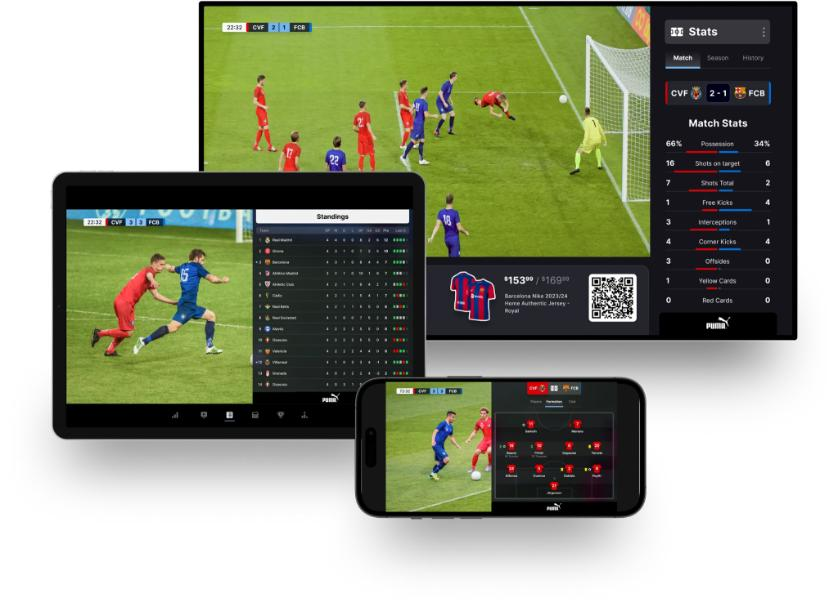
Sports streaming is gradually moving beyond simply showing a live video.
Modern platforms can combine match coverage with statistics, scorecards, commentary, and other interactive features.
Some of the developments shaping this experience include:
Multiple Camera Angles: Selected broadcasts allow viewers to switch between different camera views and follow particular parts of the game.
Real-Time Statistics: Fans can check player performance, possession, scores, and other match information while watching.
Interactive Features: Depending on the platform, viewers may participate in polls, access live discussions, or engage with other fans.
AI-Powered Highlights: Artificial intelligence can help identify important moments and organise clips into shorter viewing packages.
Connected Devices: Smart televisions, smartphones, tablets, and computers allow viewers to move between screens according to their needs.
These features can make sports coverage more informative and engaging. However, their availability depends on the broadcaster, event, and technology being used.
13. What the Future of Sports Streaming May Look Like
The future of sports viewing will probably involve a mixture of traditional broadcasting, subscription streaming, free digital services, and social media.
Instead of relying on one platform for every type of content, fans may use different services for live matches, highlights, analysis, interviews, and community discussions.
Several developments are worth watching.
More Flexible Subscription Options
Platforms may explore different pricing plans, sport-specific subscriptions, event passes, and bundled services to give viewers greater control over what they pay for.
Better Sports Discovery
Unified search and connected television features could make it easier to find upcoming matches and identify the official service carrying each event.
Greater Use of Artificial Intelligence
AI may support personalised match summaries, automatic highlight creation, improved search, and more detailed sports statistics.
Growth of Women's and Emerging Sports
Digital distribution can provide additional opportunities for women's leagues, regional competitions, and sports that receive limited traditional coverage.
More Interactive Viewing
Future services may offer improved statistics, alternative commentary, fan discussions, and viewing experiences that encourage participation.
Greater Importance of Affordable Access
As the number of platforms increases, affordability will remain an important issue. Free and advertising-supported services may help reach audiences who cannot justify multiple paid subscriptions.
A 2026 global sports media survey by Altman Solon found that weekly streaming sports viewing time was approaching the amount spent watching linear television, suggesting that digital distribution is becoming an increasingly important part of the sports media landscape.
The direction is clear: sports viewing is becoming more flexible, more digital, and increasingly spread across different platforms.
Final Thoughts
Streaming has changed the way sports fans connect with their favourite teams, athletes, and competitions. A viewer no longer needs to depend entirely on a television schedule to stay updated. They can watch available live matches, explore highlights, follow international competitions, and join conversations with supporters from different parts of the world.
The impact looks different in every country. Cricket streaming has become an important part of India's digital sports experience, football remains a major attraction across Europe, and American audiences are adapting to a growing mixture of television and online services. Meanwhile, mobile-first viewing is creating opportunities in several emerging markets.
There are still challenges, particularly around subscription costs, broadcasting rights, internet quality, and the growing number of platforms. Making sports content easier to find and more affordable will be important for the next stage of this transformation.
Ultimately, streaming is not simply replacing television. It is expanding the ways people experience sports. Whether someone watches an entire final, checks a live score, or catches a memorable moment on their phone, digital platforms are helping sports fandom become more connected across borders.
FAQ's
Streaming allows fans to watch live matches, highlights, replays, and sports updates through smartphones, computers, and smart TVs.
Sports streaming is growing because it offers flexible viewing, on-demand content, mobile access, and coverage of international competitions.
Football, cricket, basketball, tennis, motorsports, and American football are among the popular sports available through streaming services.
High subscription costs, regional broadcasting restrictions, internet connectivity issues, and multiple platforms can make sports streaming difficult.
The future may include AI-powered highlights, personalised recommendations, interactive viewing, and more flexible subscription options.
Sources and notes
Links the author listed for this post.
The article draws on research and industry reporting about global sports viewing habits, streaming platforms, and changing fan expectations.


Discussion
0 comments