
The FIFA World Cup 2026 marked a historic chapter in international football. Bringing together 48 national teams across Canada, Mexico and the United States, the tournament became the biggest edition in the competition's history. With 104 matches, 16 host cities and millions of supporters, it delivered football on an unprecedented scale.
Held from June 11 to July 19, 2026, the tournament introduced a new competition format and gave more nations the opportunity to compete on football's biggest stage. It also created memorable moments, unexpected results and a dramatic final between Spain and Argentina.
Readers can also explore free online tools on AltFTool to discover useful digital utilities for everyday tasks, productivity and creative activities.
FIFA World Cup 2026: Tournament Overview
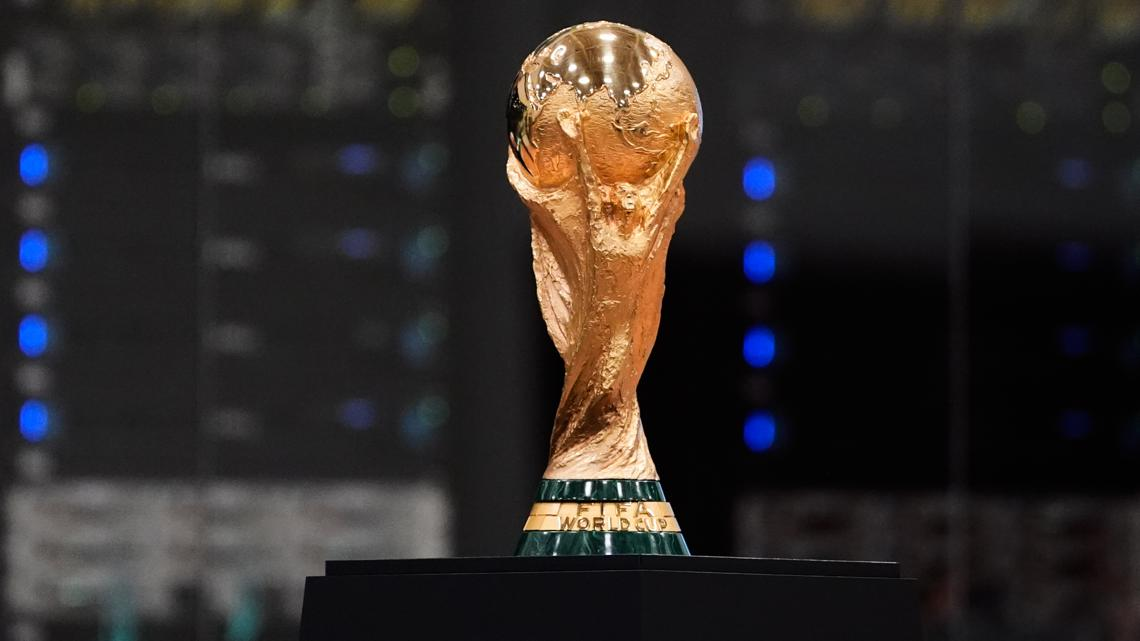
The 2026 World Cup was jointly hosted by three countries for the first time: Canada, Mexico and the United States. This shared hosting arrangement brought the competition to a wider geographical area and introduced supporters to different football cultures and stadium experiences.
The tournament featured 48 teams instead of the traditional 32-team format used in previous editions. This expansion increased the number of matches and provided more countries with an opportunity to participate.
Tournament Detail | Information | Tournament Detail | Information |
|---|---|---|---|
Competition | FIFA World Cup 2026 | Host Countries | Canada, Mexico, USA |
Start Date | June 11, 2026 | Final Date | July 19, 2026 |
Participating Teams | 48 | Total Matches | 104 |
Host Cities | 16 | Tournament Duration | 39 days |
Champion | Spain | Runner-up | Argentina |
Third Place | England | Final Score | Spain 1–0 Argentina |
The tournament concluded with Spain winning its second men's FIFA World Cup title. FIFA reported a record stadium attendance of 6,810,966 spectators across the competition.
How the 48-Team World Cup Format Worked
One of the biggest changes in 2026 was the expanded tournament structure. Instead of 32 teams divided into eight groups, the competition featured 48 teams split into 12 groups of four.
Each team played three group-stage matches. The top two teams from every group, along with the eight best third-placed teams, qualified for the newly introduced Round of 32.
This format created additional knockout matches and increased the number of opportunities for teams to progress.
Key Stages of the Tournament
Competition Stage | Teams Involved | Match Format | Main Objective |
|---|---|---|---|
Group Stage | 48 | 12 groups of four | Qualify for knockout rounds |
Round of 32 | 32 | Single elimination | Reach the Round of 16 |
Round of 16 | 16 | Single elimination | Secure a quarter-final place |
Quarter-finals | 8 | Single elimination | Reach the semi-finals |
Semi-finals | 4 | Single elimination | Qualify for the final |
Final | 2 | Championship match | Win the World Cup |
The expanded format meant that teams reaching the final had to play eight matches, one more than finalists in the previous 32-team format.
Three Host Countries: Canada, Mexico and the United States
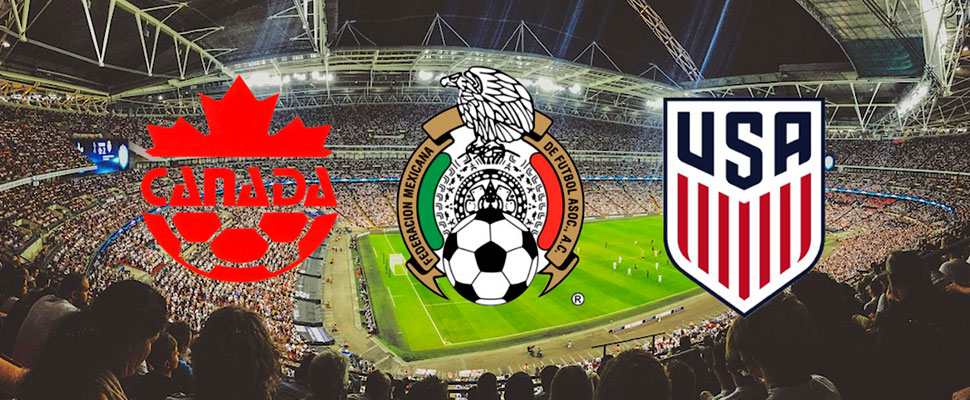
The 2026 World Cup was unique because three nations shared hosting responsibilities. Each country contributed stadiums, transport infrastructure, accommodation and fan experiences.
The United States hosted the majority of matches, while Canada and Mexico also welcomed international teams and supporters.
Canada
Canada hosted matches in Toronto and Vancouver. The tournament provided an important opportunity to strengthen the country's football profile and introduce more local supporters to international competition.
Mexico
Mexico became the first country to host men's FIFA World Cup matches across three separate editions, following its previous hosting roles in 1970 and 1986.
Its football history, passionate supporters and famous stadium atmosphere made it an important part of the tournament.
United States
The United States hosted 78 of the 104 matches across 11 host cities. Its large stadium infrastructure, established sports industry and international travel connections helped accommodate the competition's enormous scale.
Host Country | Host Cities | Matches Hosted | Main Contribution |
|---|---|---|---|
Canada | Toronto, Vancouver | 13 | Stadiums and fan experiences |
Mexico | Mexico City, Guadalajara, Monterrey | 13 | Football heritage and atmosphere |
United States | 11 cities | 78 | Major stadium and event infrastructure |
Together, the three countries created a tournament that connected North American cities with football audiences around the world.
FIFA World Cup 2026 Final: Spain Defeat Argentina
The final between Spain and Argentina was one of the tournament's defining moments. Played on July 19 at New York New Jersey Stadium, the match brought together two major international football nations.
The contest remained goalless after 90 minutes, with both sides competing intensely for the trophy. Spain eventually found the breakthrough in extra time.
Ferran Torres scored the winning goal in the 106th minute, securing a 1–0 victory and Spain's second men's World Cup title.
The result also made Spain the first nation to hold the men's and women's FIFA World Cup titles simultaneously.
Final Match Highlights
Match Detail | Information | Match Detail | Information |
|---|---|---|---|
Finalists | Spain vs Argentina | Date | July 19, 2026 |
Venue | New York New Jersey Stadium | Final Score | 1–0 |
Winning Team | Spain | Runner-up | Argentina |
Winning Goal | Ferran Torres | Goal Time | 106th minute |
The final represented the conclusion of 39 days of international football and confirmed Spain's position at the top of the global game.
Final Standings: Top Teams of FIFA World Cup 2026
Spain finished first, followed by Argentina and England. England secured third place after defeating France 6–4 in an exciting bronze-medal match.
The result gave England its strongest World Cup finish since winning the competition in 1966.
Position | National Team | Achievement | Key Tournament Moment |
|---|---|---|---|
1 | Spain | Champions | Defeated Argentina 1–0 |
2 | Argentina | Runners-up | Reached the final |
3 | England | Third place | Defeated France 6–4 |
4 | France | Fourth place | Reached the bronze final |
These results highlighted the competitive quality of the expanded tournament and the strength of established international football teams.
Major Award Winners of the 2026 World Cup
Individual performances also played a major role in the tournament. Players from different countries produced important goals, defensive contributions and match-winning displays.
FIFA recognised several standout performers through its individual awards.
Award | Player | National Team | Recognition |
|---|---|---|---|
Golden Ball | Rodri | Spain | Best overall player |
Silver Ball | Lionel Messi | Argentina | Second-best player |
Bronze Ball | Kylian Mbappé | France | Third-best player |
Golden Boot | Kylian Mbappé | France | Top goalscorer |
Golden Glove | Unai Simón | Spain | Best goalkeeper |
Young Player Award | Pau Cubarsí | Spain | Best young player |
These awards recognised the players whose contributions helped define the tournament.
Records and Statistics That Defined the Tournament
The 2026 edition created new benchmarks for international football. Its expanded format, global reach and stadium attendance demonstrated the growing scale of the competition.
According to FIFA's tournament review, 308 goals were scored across 104 matches, producing an average of approximately 2.96 goals per game.
Important World Cup 2026 Statistics
Statistic | Figure | What It Represents | Why It Matters |
|---|---|---|---|
Participating Teams | 48 | National teams | Largest tournament format |
Total Matches | 104 | Tournament fixtures | More competitive action |
Goals Scored | 308 | Across all matches | New tournament record |
Stadium Attendance | 6,810,966 | Total spectators | Record overall attendance |
Host Cities | 16 | Across three countries | Wider international reach |
Tournament Duration | 39 days | June–July 2026 | Extended competition |
These figures illustrate how the World Cup expanded beyond a traditional football competition into a major international sporting event.
How the FIFA World Cup 2026 Transformed Global Football
The impact of the 2026 tournament extended beyond the stadiums. Its expanded format and three-country hosting arrangement influenced several areas of international football.
1. More Opportunities for National Teams
The increase from 32 to 48 teams created additional opportunities for countries to qualify. More national football associations could compete at the highest level, giving players and supporters new experiences.
This expansion also increased international visibility for teams that previously had fewer opportunities to reach the World Cup.
2. Growth of Football in North America
Hosting the tournament across Canada, Mexico and the United States strengthened North America's position in international football.
The competition introduced more supporters to national teams, international rivalries and football traditions. It also offered local clubs, academies and young players greater exposure to the global game.
3. Greater Commercial and Tourism Opportunities
Major sporting events attract visitors, media organisations, sponsors and businesses. The World Cup created demand for hotels, restaurants, transport services, merchandise and local entertainment.
Host cities also gained international attention, helping showcase their tourism attractions and cultural identities.
4. Increased Digital and Social Media Engagement
Football supporters increasingly follow matches through mobile applications, live updates, social platforms and online video content.
The 2026 World Cup benefited from this digital environment, allowing fans to follow teams, discuss results and share memorable moments across different countries.
5. Stronger International Football Connections
The tournament brought together players and supporters from different backgrounds. It created opportunities for cultural exchange and encouraged conversations around teamwork, sportsmanship and national identity.
Football's ability to connect people remained one of the competition's most powerful features.
Technology's Growing Role in Modern Football

Technology has become an important part of professional football, influencing how matches are officiated, analysed and presented to audiences.
The 2026 World Cup continued the modern trend of combining sporting skill with advanced systems and digital coverage.
Some important areas of football technology include:
Video Assistant Referee (VAR): Helps match officials review important decisions.
Goal-line technology: Supports accurate decisions about whether the ball has crossed the goal line.
Performance analytics: Helps teams evaluate player movement, passing and tactical patterns.
Broadcast technology: Gives audiences multiple viewing options and match insights.
Digital fan platforms: Allow supporters to follow results, statistics and team updates.
These developments are changing how coaches prepare, referees make decisions and fans experience international football.
Challenges of Hosting a Three-Country World Cup
Although the tournament created major opportunities, organising an event across three countries also involved complex planning.
International travel, stadium operations, security, accommodation and coordination between host cities required extensive preparation.
Challenge | Area Affected | Main Concern | Importance |
|---|---|---|---|
Long-distance Travel | Teams and fans | Movement between host cities | Efficient scheduling |
Stadium Operations | Host venues | Crowd management and facilities | Safe matchdays |
Accommodation | Visitors | Demand for hotel rooms | Visitor experience |
Transport | Host cities | Traffic and public transit | Easy stadium access |
Security | All venues | Public and event safety | Safe tournament delivery |
Sustainability | Environment | Travel and event emissions | Responsible hosting |
These challenges demonstrate that organising a global sporting event requires cooperation between governments, football authorities, businesses and local communities.
What the 2026 World Cup Means for the Future of Football
The 2026 edition provided an important example of how international football can evolve. The 48-team format created a larger competition, while the three-country hosting arrangement demonstrated a new model for organising major sporting events.
Future tournaments may continue to explore ways to improve fan experiences, support developing football nations and use technology more effectively.
The competition also highlighted the importance of investing in youth development, grassroots football and accessible sporting facilities. More opportunities at international level can encourage young players to pursue football and inspire future generations.
Readers can also explore free online tools on AltFTool to discover useful digital utilities for everyday tasks, productivity and creative activities.
Frequently Asked Questions
Spain won the 2026 FIFA World Cup after defeating Argentina 1–0 in extra time in the final.
The tournament ran from June 11 to July 19, 2026.
Canada, Mexico and the United States jointly hosted the tournament.
A total of 48 national teams participated, making it the first men's World Cup with this expanded format.
Sources and notes
Links the author listed for this post.
This article is based on official FIFA tournament reports, match results, final standings and statistical updates from the FIFA World Cup 2026.
More on AltFTool
- AltFTool (opens in a new tab)
altftool.com


Discussion
0 comments
No comments yet
Discussion will appear here once it loads.