Beauty and personal care are important parts of an everyday self-care routine. From maintaining healthy-looking skin and strong hair to choosing suitable skincare products and practising good hygiene, small daily habits can make a meaningful difference in how you look and feel.
You do not need an expensive collection of products to care for yourself. Understanding your skin type, choosing products that suit your needs, maintaining a balanced routine, and following consistent hygiene practices can help you build a practical beauty and personal care routine.
In this guide, we will explore essential beauty tips, skincare basics, haircare advice, personal hygiene habits, makeup essentials, and ways to choose suitable beauty products.
What Is Beauty and Personal Care?
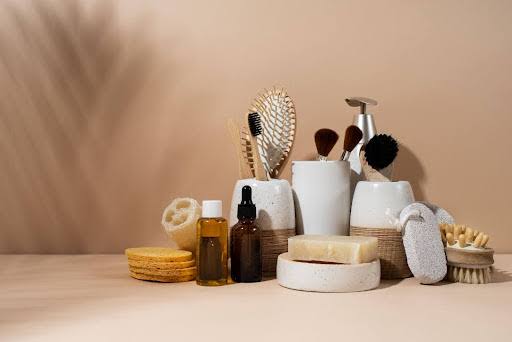
Beauty and personal care include the products, habits, and routines people use to maintain their appearance, hygiene, and general well-being. This category covers skincare, haircare, body care, oral hygiene, cosmetics, fragrances, and grooming products.
A good personal care routine focuses on cleanliness, comfort, and the specific needs of your skin and hair rather than following every beauty trend.
Common areas of beauty and personal care include:
Skincare: Cleansing, moisturising, sun protection, and caring for common skin concerns.
Haircare: Washing, conditioning, detangling, and protecting hair from excessive heat.
Body care: Bathing, moisturising, and maintaining comfortable skin.
Makeup: Choosing and applying cosmetics for everyday wear or special occasions.
Personal hygiene: Maintaining oral hygiene, clean clothing, and appropriate grooming habits.
Nail care: Keeping nails clean, trimmed, and properly maintained.
Essential Skincare Tips for Healthy-Looking Skin
Skincare is one of the most important parts of personal care. A consistent routine can help keep skin clean, hydrated, and protected from environmental damage.
1. Understand Your Skin Type
Before choosing skincare products, identify your skin's general characteristics.
Oily skin: May appear shiny and produce excess sebum.
Dry skin: May feel tight, rough, or flaky.
Combination skin: May have an oily T-zone and drier cheeks.
Sensitive skin: May react easily to certain ingredients or environmental conditions.
Normal skin: Generally feels comfortable without persistent excess oil or dryness.
Skin can change with weather, age, hormones, and other factors. Choose products based on how your skin currently feels rather than relying only on a label.
2. Cleanse Your Face Gently
Use a gentle cleanser that removes dirt, excess oil, and makeup without leaving your skin feeling excessively dry. Wash with lukewarm water and avoid aggressive scrubbing.
For many people, cleansing in the morning and evening is sufficient. If your skin is dry or sensitive, you may prefer a gentler morning routine.
3. Moisturise Regularly
Moisturiser helps reduce water loss and supports the skin barrier. Choose a lightweight formulation if you prefer a less greasy feel, or a richer cream if your skin tends to be dry.
Ingredients such as glycerin, ceramides, and hyaluronic acid can help support skin hydration.
4. Apply Sunscreen Daily
Broad-spectrum sunscreen with SPF 30 or higher helps protect exposed skin from UVA and UVB rays. Apply it to exposed areas and reapply approximately every two hours when outdoors, as well as after swimming or heavy sweating, according to the product instructions.
5. Avoid Overusing Active Ingredients
Exfoliating acids, retinoids, and other concentrated ingredients can be useful for certain skin concerns, but excessive use may cause irritation. Introduce new products gradually and follow their directions.
If you experience persistent redness, burning, swelling, or worsening irritation, stop using the suspected product and consider consulting a dermatologist.
Haircare Tips for Stronger, Healthier-Looking Hair
Healthy-looking hair starts with a routine suited to your scalp, hair texture, and styling habits.
Essential Haircare Tips
Build a simple haircare routine with practical habits that help keep your hair clean, manageable, and protected.
Choose the Right Shampoo
Select shampoo according to your scalp and hair needs. An oily scalp may need more frequent washing, while dry or curly hair may need less frequent washing and extra conditioning. Focus shampoo on the scalp and avoid very hot water.
Explore products at L’Oréal Paris.
Use Conditioner After Washing
Conditioner helps smooth hair, improve manageability, and reduce friction. Apply it mainly to the lengths and ends if your roots tend to become oily.
Explore options at TRESemmé.
Limit Heat Styling
Frequent use of straighteners, curling irons, and high-heat dryers can damage hair. Use lower heat settings, avoid repeated passes, and apply a suitable heat protectant before styling.
Explore styling tools at Philips.
Handle Wet Hair Carefully
Wet hair is more vulnerable to stretching and breakage. Gently squeeze out excess water with a soft towel and detangle carefully, starting at the ends.
Maintain a Balanced Diet
Include varied protein-rich foods, vegetables, fruits, and other nutrient-dense foods in your meals. If hair loss is significant or persistent, seek medical advice before starting supplements.
Body Care and Personal Hygiene
Personal care goes beyond facial skincare and haircare. Regular hygiene habits help keep you comfortable and support general health.
Bathe regularly: Choose a bathing frequency that suits your activity level, climate, and skin needs.
Moisturise your body: Apply body lotion after bathing if your skin feels dry.
Care for your hands and feet: Clean them regularly, moisturise dry areas, and trim nails carefully.
Maintain oral hygiene: Brush twice daily with fluoride toothpaste and clean between your teeth daily.
Wear clean clothing: Change sweaty clothing and wash towels and bedding regularly.
Choose suitable deodorant: Use a product that works for your needs, and discontinue it if it causes irritation.
Avoid harsh soaps, excessive scrubbing, and heavily fragranced products if they irritate your skin.
Everyday Makeup Tips for Beginners
Makeup can help you create anything from a natural everyday look to a more defined appearance for special occasions. Beginners can start with a few versatile products.
Basic Makeup Products
Moisturiser: Helps prepare the skin and improve makeup application. Explore NIVEA skincare products.
Foundation or Tinted Moisturiser: Can even out the appearance of skin tone. Browse L’Oréal Paris makeup.
Concealer: Provides targeted coverage where desired. Explore complexion products from Maybelline New York.
Blush: Adds colour to the cheeks. Discover makeup options from Maybelline.
Mascara: Defines the appearance of eyelashes. Explore eye makeup at Lakmé.
Lip Colour: Adds a finishing touch to your look. Browse lip makeup from Lakmé.
Makeup Remover: Helps remove makeup gently at the end of the day. Explore skincare products from Garnier.
Simple Makeup Application Tips
Start with clean, moisturised skin. Explore NIVEA skincare options.
Apply sunscreen as part of your daytime skincare routine. Browse sun protection products from L’Oréal Paris.
Use small amounts of base makeup and blend evenly.
Choose shades and finishes that suit your preferences.
Remove makeup before sleeping and cleanse gently.
Clean makeup brushes and sponges regularly, and avoid sharing eye makeup.
How to Choose the Right Beauty and Personal Care Products
With so many products available, choosing the right options can feel confusing. Use these practical checks before buying.

Read the Ingredient List
Check the ingredients and product instructions, especially if your skin is sensitive or you have known allergies.

Match Products to Your Needs
Consider your skin type, scalp condition, hair texture, and specific concerns instead of buying products solely because they are trending.

Check Expiry Dates and Packaging
Check the expiry date, packaging condition, instructions, and storage requirements. Avoid products with altered smells, colours, or textures.

Start With a Simple Routine
Introduce new products one at a time. Patch testing can help identify some reactions, although it cannot guarantee that a product will never cause irritation.
Beauty and Personal Care Routine for Busy People
A practical routine does not have to take a long time. Start with essential habits and add other steps only when they serve a clear purpose.
Morning Routine
Cleanse gently if needed.
Apply moisturiser suited to your skin.
Finish with broad-spectrum SPF 30 or higher sunscreen.
Comb and style your hair as desired.
Night Routine
Remove makeup and sunscreen gently.
Apply moisturiser to help maintain hydration.
Brush your teeth and follow your usual oral care routine.
Keep your routine comfortable and avoid unnecessary harsh treatments.
Common Beauty and Personal Care Mistakes to Avoid
Even well-intentioned habits can cause problems if they are too harsh or unsuitable for your needs.
Using too many new products at once: Makes it harder to identify what is causing irritation.
Skipping moisturiser: Can leave dry skin feeling uncomfortable.
Ignoring sunscreen: Increases exposure to damaging ultraviolet radiation.
Scrubbing aggressively: May irritate the skin and worsen sensitivity.
Using excessive heat on hair: Can contribute to dryness and breakage.
Sleeping with makeup on: May leave makeup, oil, and debris on the skin.
Following every online trend: A popular product may not suit your skin or hair.
Expecting instant results: Many cosmetic changes require consistent use, and results vary from person to person.
Benefits of a Consistent Personal Care Routine
A routine tailored to your needs can offer several practical benefits:
Helps keep skin clean and hydrated.
Supports the skin's natural protective barrier.
Helps hair remain manageable and reduces avoidable breakage.
Encourages good hygiene habits.
Makes everyday grooming more organised.
Helps you make more informed choices about products and spending.
Beauty and personal care are not about achieving a particular appearance. They are about finding sustainable habits that support comfort, hygiene, and confidence.
Conclusion
Beauty and personal care are built on simple, consistent habits. Understanding your skin and hair, cleansing gently, moisturising regularly, protecting your skin from the sun, and maintaining good hygiene can help you create a routine that fits your lifestyle.
Choose products based on your individual needs rather than trends, and give your routine time to work. If you experience persistent skin irritation, unusual hair loss, or other ongoing concerns, consult an appropriate healthcare professional.
FAQ'S
It includes skincare, haircare, body care, cosmetics, oral hygiene, nail care, fragrances, and everyday grooming.
A basic routine includes gentle cleansing, moisturising, and daily broad-spectrum sunscreen. Additional products can be introduced based on individual needs.
Choose shampoo and conditioner suited to your scalp and hair type, reduce excessive heat styling, detangle gently, and maintain a balanced diet.
Consider your skin type, hair needs, ingredient sensitivities, budget, and product instructions. Introduce new skincare products gradually.
Not necessarily. A simple routine with suitable products and consistent habits can be more useful than purchasing many expensive products that do not meet your needs.
Who should use Beauty
Beauty and Personal Care: Tips for Healthy Skin & Hair is built for readers who want a faster way to finish everyday web tasks. The main goal is shorter workflows, clearer outputs, and reusable tool habits, so the guide focuses on practical choices instead of broad theory.
Use it when you need one of these outcomes:
- testing a task before choosing a heavier app
- saving time on a repeated browser workflow
- combining a guide with a related AltFTool utility
How to get a better result
- Read the core use case and decide what output you need.
- Open the related AltFTool utility and test it with a small sample.
- Review the result, adjust settings, and repeat only if needed.
- Continue with related tools or guides for the next step in the workflow.
Start small, check the first output, and only then repeat the workflow with the full file, text, media, or game session. That gives you a quick quality check before you spend more time.
Quality checks before you trust the output
- the input is clean before running the tool
- the output matches the format you need
- private details are removed before sharing or downloading
Do not overcomplicate a simple task. Start with the smallest sample that proves the workflow, then scale up once the output looks right.
Continue your workflow
If you want to try the workflow now, open the related AltFTool tool area. For more reading, continue through the Beauty archive or the AltFTool tools directory.
This creates a cleaner path from explanation to action: read the guide, test the tool, compare the output, and move into the next related AltFTool resource only when it helps the task.
Sources and review notes
References used to check facts, freshness, and reader-safe recommendations in this guide.
American Academy of Dermatology Association — Skin care, sunscreen, and hair care guidance.
- 1AltFTool https://www.altftool.com/
altftool.com
- 2Allegro https://allegro.pl
allegro.pl
Discussion
0 comments
No comments yet
Discussion will appear here once it loads.