Your skin may feel unusually dry, tight, red, or sensitive even when you follow a regular skincare routine. Sometimes, the problem is not that you need more skincare products but that your skin needs a break from harsh ingredients and excessive exfoliation.
The skin barrier is the outermost layer of your skin. It helps retain moisture and protects against environmental irritants. When this protective layer becomes compromised, your skin may lose moisture more easily and become more sensitive to products you previously tolerated.The good news is that a simple, consistent skincare routine can support skin barrier recovery. In this guide, you will learn how to recognise possible signs of a damaged skin barrier, which ingredients to look for, what to avoid, and how to build a gentle daily routine.
What Is the Skin Barrier?
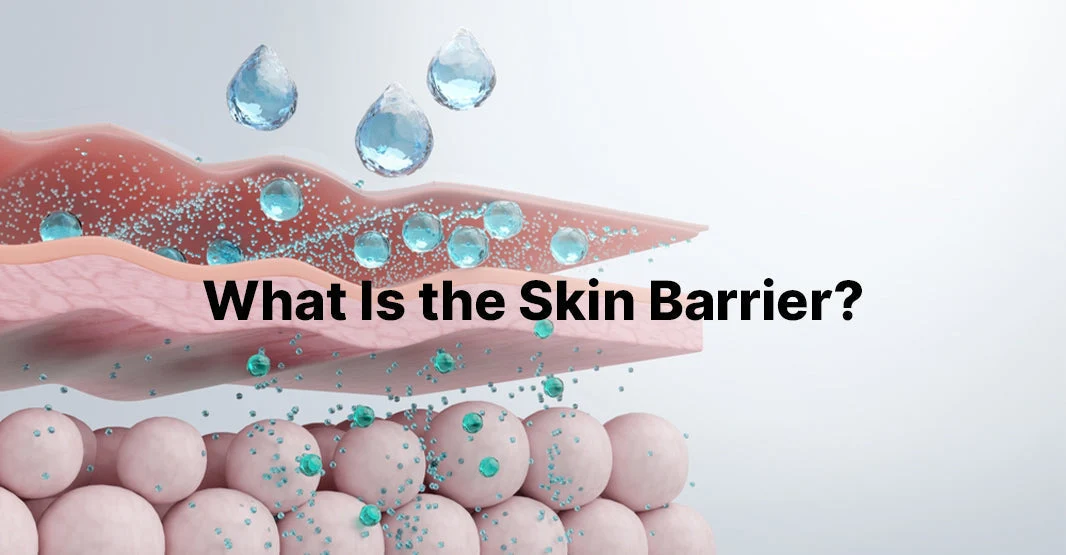
The skin barrier is part of the outermost layer of your skin, known as the stratum corneum. You can think of it as a protective wall: skin cells act like bricks, while lipids such as ceramides help hold them together.
A healthy skin barrier helps keep water inside the skin and reduces exposure to potential irritants. When it is disrupted, moisture can escape more easily, leading to dryness, flaking, discomfort, and increased sensitivity.
Maintaining this barrier is important for all skin types, including oily, dry, combination, and sensitive skin.
Signs Your Skin Barrier May Be Damaged

Dryness and Flaking
Your skin may feel rough, look flaky, or become tight shortly after washing, even when you use moisturiser.

Redness and Irritation
Your face may appear red or feel uncomfortable after using skincare products, cleansing, or spending time in harsh weather.

Stinging or Burning Sensation
Products that previously felt comfortable may begin to sting or cause irritation.

Increased Sensitivity
Your skin may react more easily to fragrances, exfoliating products, or changes in temperature.
These signs can occur when the skin barrier is compromised, but they may also be caused by eczema, contact dermatitis, rosacea, or other skin conditions. Persistent symptoms should not automatically be attributed to barrier damage.
Best Simple Skincare Tips to Repair Your Skin Barrier
The first step is to reduce irritation and help your skin retain moisture. You do not need a complicated routine or a large collection of products. Start with a few gentle essentials and give your skin time to respond.


Best Ingredients for Skin Barrier Repair
When choosing skincare products, focus on ingredients that hydrate the skin, reduce moisture loss, or support the outer protective layer.
Ceramides
Lipids naturally found in the skin that help maintain the skin barrier and reduce moisture loss.
Glycerin
A humectant that attracts water and helps keep the skin hydrated.
Petrolatum
Helps form a protective layer that reduces water loss, especially on very dry areas.
Panthenol
Helps condition the skin and may improve hydration and comfort in suitable formulations.
Squalane
An emollient that helps soften the skin and improve the feel of dryness.
These ingredients can be helpful, but the complete formula matters. Even a product containing a beneficial ingredient may irritate some people. Check the label and introduce new products cautiously.
A Simple Morning and Night Routine
You can support your skin barrier without following a lengthy 10-step routine. Start with the essentials below and adjust them to your skin's needs.
Morning Routine
- Cleanse gently with lukewarm water and a mild cleanser, if needed.
- Apply a suitable moisturiser to help retain hydration.
- Finish with broad-spectrum SPF 30 or higher sunscreen.
Night Routine
- Gently remove sunscreen, makeup, and daily dirt with a mild cleanser.
- Apply a moisturiser that supports your skin's hydration.
- If certain areas are very dry, consider a thin layer of petrolatum over those areas if your skin tolerates it.
What Should You Avoid When Your Skin Barrier Is Damaged?
Some skincare habits can worsen irritation or slow improvement. While your skin is sensitive, focus on reducing unnecessary triggers.
Harsh exfoliation: Avoid facial scrubs and frequent use of exfoliating acids while your skin is irritated.
Strong active ingredients: Temporarily pause retinoids and other products that cause stinging or burning. If prescribed by a clinician, ask them how to adjust treatment.
Fragranced products: Fragrance can trigger irritation in some people, particularly those with sensitive skin.
Over-cleansing: Washing too often or using harsh cleansers can strip away protective oils.
Frequent product changes: Trying several new serums and creams at once makes it harder to identify what is irritating your skin.
DIY skincare remedies: Lemon juice, baking soda, and rough homemade scrubs can irritate the skin and are best avoided.
Once your skin has settled, reintroduce optional active ingredients one at a time and gradually. If irritation returns, stop the new product and reassess your routine.
How Long Does Skin Barrier Repair Take?
There is no single recovery timeline for everyone. Mild irritation may improve after you remove the trigger and use gentle skincare, while more persistent dryness or an underlying skin condition may take longer to settle.
Your recovery may depend on:
What caused the irritation in the first place.
How severe the symptoms are.
Whether you continue using irritating products.
Your skin type and any underlying skin conditions.
How consistently you follow a suitable skincare routine.
Look for gradual improvements in comfort, dryness, flaking, and sensitivity rather than expecting overnight results. If your skin does not improve, keeps worsening, or repeatedly becomes irritated, consult a dermatologist.
When Should You See a Dermatologist?
Home skincare may help with mild dryness and irritation, but not every skin problem is caused by a damaged skin barrier.
Seek professional advice if you experience persistent redness, severe burning, significant swelling, painful cracks, bleeding, oozing, or symptoms that continue despite simplifying your routine. A dermatologist can assess whether eczema, contact dermatitis, rosacea, an allergy, or another condition needs specific treatment.
Get urgent medical attention for a severe reaction, especially if you develop difficulty breathing or swelling of the lips, tongue, or throat.
Conclusion
Repairing your skin barrier starts with a simple principle: reduce irritation, restore moisture, and protect your skin consistently. Choose a gentle cleanser, use a suitable moisturiser, apply sunscreen daily, and take a break from products that worsen sensitivity.
You do not need an expensive or complicated routine to care for your skin. Give it time, pay attention to how it responds, and seek professional advice if symptoms persist or become severe.
FAQ'S
Use a gentle cleanser, apply moisturiser regularly, wear broad-spectrum sunscreen, and avoid harsh scrubs or irritating skincare products.
Recovery time varies depending on the cause and severity. Mild irritation may improve within days to a few weeks, while more persistent problems may take longer.
Ceramides, glycerin, petrolatum, panthenol, and squalane can help support hydration and reduce moisture loss.
Consider pausing potentially irritating products, such as exfoliating acids and retinoids, until your skin feels comfortable. Reintroduce them gradually if appropriate.
Yes. Broad-spectrum SPF 30 or higher sunscreen helps protect skin from UV damage while the barrier recovers.
Who should use Beauty
How to Repair Your Skin Barrier: Best Simple Skincare Tips is built for readers who want a faster way to finish everyday web tasks. The main goal is shorter workflows, clearer outputs, and reusable tool habits, so the guide focuses on practical choices instead of broad theory.
Use it when you need one of these outcomes:
- testing a task before choosing a heavier app
- saving time on a repeated browser workflow
- combining a guide with a related AltFTool utility
How to get a better result
- Read the core use case and decide what output you need.
- Open the related AltFTool utility and test it with a small sample.
- Review the result, adjust settings, and repeat only if needed.
- Continue with related tools or guides for the next step in the workflow.
Start small, check the first output, and only then repeat the workflow with the full file, text, media, or game session. That gives you a quick quality check before you spend more time.
Quality checks before you trust the output
- the input is clean before running the tool
- the output matches the format you need
- private details are removed before sharing or downloading
Do not overcomplicate a simple task. Start with the smallest sample that proves the workflow, then scale up once the output looks right.
Continue your workflow
If you want to try the workflow now, open the related AltFTool tool area. For more reading, continue through the Beauty archive or the AltFTool tools directory.
This creates a cleaner path from explanation to action: read the guide, test the tool, compare the output, and move into the next related AltFTool resource only when it helps the task.
Sources and review notes
References used to check facts, freshness, and reader-safe recommendations in this guide.
American Academy of Dermatology — Skin care and moisturising guidance. Publisher: American Academy of Dermatology Association
- 1AltFTool https://www.altftool.com/
altftool.com
Discussion
0 comments
No comments yet
Discussion will appear here once it loads.