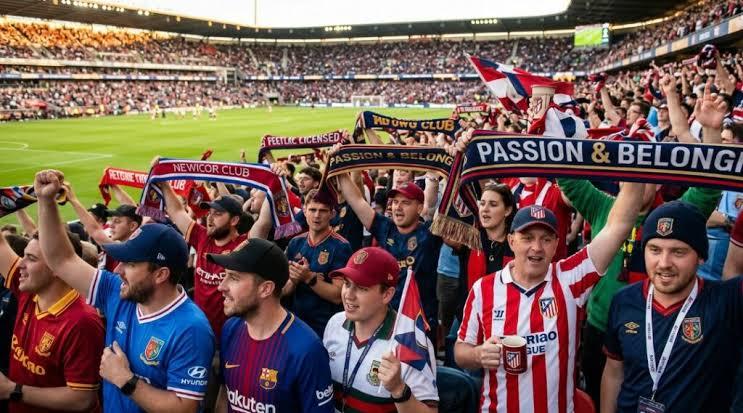
Sports are about much more than winning or losing a match. For millions of people, supporting a team is connected to personal memories, family traditions, friendships, local identity, and emotional experiences. A favourite jersey, cap, scarf, hoodie, or signed collectible can represent all these feelings. This is why sports merchandise has become an important part of fan culture.
Explore AltFTool for useful online tools and digital resources that make everyday tasks easier, helping sports fans stay informed and organised.
Many sports fans purchase merchandise not simply because they want to show which team they support, but because the items represent something meaningful in their lives. A jersey might remind someone of their first live match, while a cap could represent a memorable championship season. Some fans collect merchandise to celebrate their favourite athletes, while others use it to feel connected to a wider community.
Sports merchandise has also developed into a form of personal expression. Fans can communicate their interests, values, memories, and sporting loyalties through the clothes and accessories they choose. This emotional connection helps explain why people continue purchasing sports-related products even when they already own several items representing the same team.
Sports Merchandise Is More Than Just Team Clothing
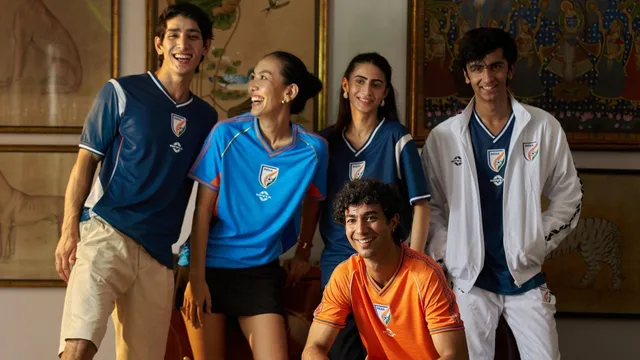
Sports merchandise is often associated with jerseys, T-shirts, caps, and other clothing featuring team colours or logos. However, its meaning goes beyond everyday fashion. For many supporters, these products represent memories, achievements, and emotional connections that cannot easily be expressed through ordinary clothing.
A football jersey may remind a supporter of an exciting final, while a basketball hoodie might represent years of following a particular player. Even a simple keychain or coffee mug can become meaningful when it is connected to a favourite sporting moment.
Sports merchandise allows fans to carry a small part of their sporting interests into everyday life. They can wear their favourite team's colours at home, while travelling, at social gatherings, or when watching a match with friends.
The value of these products is therefore not limited to their design or practical use. Their emotional significance often makes them more meaningful than ordinary consumer items.
Emotional Connections Make Merchandise Meaningful
One of the biggest reasons people purchase sports merchandise is emotional attachment. Supporting a sports team can create strong feelings of excitement, pride, disappointment, hope, and belonging. Merchandise provides fans with a physical way to express these emotions.
A supporter who has followed a team for many years may associate its jersey with important memories. It might remind them of watching matches with their parents, celebrating a historic victory, or attending their first stadium event.
These memories can make a particular item valuable even if it is no longer fashionable or connected to the team's current season.
Sports merchandise can also represent personal milestones. Someone might purchase a jersey after attending an important match or receive a team scarf as a gift from a family member. Over time, the item becomes connected to an experience rather than simply representing a sports organisation.
This emotional connection encourages fans to keep their merchandise, display it, and sometimes purchase additional items to celebrate new memories.
Merchandise Creates a Sense of Belonging
Sports fandom often brings people together. Supporters may live in different cities, belong to different age groups, or have completely different backgrounds, but their shared interest in a team creates an immediate connection.
Wearing team merchandise can make this connection visible. A jersey or cap can help fans recognise one another at stadiums, public events, sports bars, and even while travelling.
For many supporters, merchandise creates a sense of belonging to something larger than themselves. It communicates that they are part of a community with shared traditions, experiences, and expectations.
This feeling is particularly meaningful for people who live far away from their favourite team's home city. Wearing the team's colours can help them maintain a connection with a place, culture, or community they care about.
Merchandise Type | Fan Connection | Common Use | Emotional Meaning |
|---|---|---|---|
Team Jersey | Team identity | Matches and casual wear | Loyalty and pride |
Team Cap | Shared fan culture | Everyday outfits | Belonging |
Scarf | Match-day traditions | Stadium events | Support and unity |
Hoodie | Personal fandom | Daily clothing | Comfort and connection |
Collectible Item | Sporting memories | Display and collection | Nostalgia |
Sports Merchandise Reflects Personal Identity
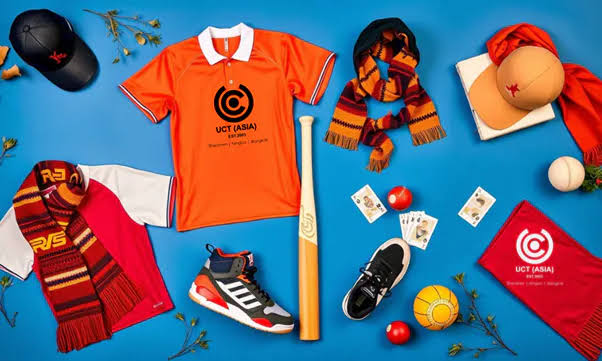
People often use clothing and accessories to communicate their personalities. Sports merchandise provides another way to express individual interests and preferences.
A fan wearing a vintage basketball jersey may enjoy both sports and retro fashion. Someone choosing a particular player's shirt might admire that athlete's performance, discipline, or personality. Another supporter may prefer merchandise featuring a team's historic logo because it represents a long-standing connection with the sport.
These choices allow fans to communicate more than their favourite team's name. They can reveal which athletes they admire, which sporting eras they remember, and what kind of fan culture they identify with.
Sports merchandise can also become part of an individual's everyday style. Jerseys can be paired with jeans, caps can complement casual outfits, and team-inspired jackets can be worn outside sporting events.
This combination of fashion and fandom makes merchandise attractive to people who enjoy expressing their interests through what they wear.
Favourite Players Influence Merchandise Purchases
Teams are an important part of sports culture, but individual athletes also have a powerful influence on merchandise choices. Fans often develop personal connections with players because of their skills, achievements, personalities, and memorable performances.
A player-specific jersey can represent admiration for an athlete who has inspired a supporter. For younger fans, wearing the number of a favourite player may create a sense of connection with someone they follow closely.
Some supporters purchase merchandise to celebrate an athlete's career milestones, such as winning a championship, breaking a record, or achieving an important personal accomplishment.
Player merchandise can also carry sentimental value when an athlete retires, changes teams, or becomes associated with a historic sporting period. A jersey from that time may become a reminder of a particular season or generation.
The following factors often influence player-related merchandise purchases:
Performance: Exceptional performances can increase interest in an athlete's merchandise.
Personality: Fans may admire an athlete's attitude, leadership, or sportsmanship.
Inspiration: Some players motivate supporters to follow their own goals and interests.
Memorable achievements: Championships and record-breaking moments create lasting memories.
Personal preference: Fans may simply enjoy supporting a particular player.
Major Sporting Moments Turn Merchandise Into Memories
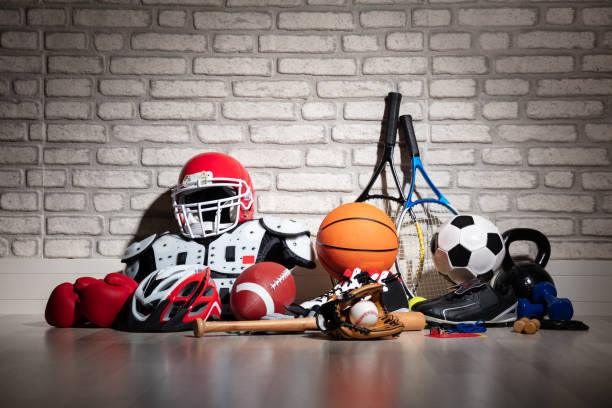
Important sporting events often create moments that fans remember for years. A championship victory, dramatic comeback, record-breaking performance, or unexpected result can become part of a team's history.
Merchandise connected to these moments allows supporters to preserve those experiences in a physical form.
For example, a championship T-shirt may remind a fan of the season when their team finally won an important title. A special-edition cap might represent a memorable tournament, while a commemorative jersey may celebrate a historic achievement.
These products are sometimes purchased immediately after an event because supporters want something that captures the excitement of the moment.
The emotional value can remain long after the competition ends. Even when the team enters a difficult season, the merchandise continues to represent a positive memory.
This is one reason sports merchandise is not always purchased according to current team performance. Fans may continue valuing products associated with successful or meaningful periods in sporting history.
Nostalgia Encourages Fans to Collect Merchandise
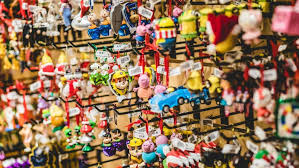
Nostalgia plays a major role in sports merchandise collecting. Many fans enjoy remembering earlier sporting seasons, legendary athletes, classic uniforms, and important competitions.
Vintage jerseys and retro-inspired designs are especially meaningful because they connect supporters with different periods of sports history.
An older fan might collect merchandise from the era when they first started following a team. A younger supporter may become interested in retro products after learning about a legendary player or historic championship.
Collecting also provides an opportunity to preserve sporting memories. Some people keep their merchandise in display cabinets, while others arrange signed items, photographs, scarves, and jerseys in dedicated spaces.
For collectors, the appeal often comes from the story behind each product. An item connected to a significant match or a particular sporting era may feel more special than a newly released product.
However, collecting habits differ from person to person. Some fans prefer affordable everyday items, while others focus on limited editions or products connected to specific sporting achievements.
Family Traditions Pass Sports Loyalty Between Generations
Sports fandom is frequently introduced through family relationships. Parents, grandparents, siblings, and other relatives often influence which teams younger family members begin supporting.
A child might receive their first team jersey as a birthday present or attend a stadium match with a parent. These early experiences can become important memories that influence their sporting interests for years.
Merchandise plays a role in preserving these traditions. Families may purchase matching jerseys for important matches, give team merchandise as gifts, or pass older collectibles to younger generations.
Sometimes, a particular team becomes part of a family's identity. Supporting it is not just an individual preference but a tradition shared across different generations.
Family Tradition | Merchandise Example | How It Connects Generations | Possible Memory |
|---|---|---|---|
First Match Experience | Team Jersey | Introduces young fans to the team | First stadium visit |
Birthday Celebration | Team Cap | Makes fandom part of family occasions | Special gift |
Championship Celebration | Commemorative Shirt | Shares an important sporting moment | Historic victory |
Collecting Tradition | Signed Memorabilia | Encourages shared interests | Family collection |
Match-Day Routine | Team Scarf | Creates repeated experiences | Watching games together |
Sports Merchandise Combines Fashion With Fan Culture
Sports-inspired fashion has become a familiar part of everyday clothing. Many people wear team jerseys, athletic jackets, caps, and sweatshirts even when they are not attending sporting events.
This trend reflects the growing connection between sports culture and personal style.
Sports merchandise can be comfortable, recognisable, and easy to combine with casual outfits. A classic jersey can be worn with jeans, while a team hoodie may become a regular choice for relaxed weekends.
Some fans prefer traditional team designs, while others enjoy modern collections, vintage-inspired styles, or products featuring subtle team branding.
The attraction is not limited to dedicated supporters. People who enjoy streetwear and sports-inspired clothing may also purchase these items because of their design and appearance.
As a result, sports merchandise can appeal to different groups of consumers, including regular match viewers, collectors, fashion enthusiasts, and people who simply enjoy comfortable clothing.
Limited-Edition Merchandise Creates a Special Connection

Limited-edition merchandise can attract fans because it is associated with a particular event, season, player, or achievement. These products may feature special colours, commemorative designs, unique graphics, or details that distinguish them from regular collections.
For some supporters, owning a limited-edition item feels like having a small piece of sporting history.
A special jersey released for a championship celebration, for example, may represent a moment that fans do not expect to experience again. Similarly, a commemorative product connected to a retirement or anniversary can carry personal meaning.
The appeal of limited editions is not necessarily about financial value. Many fans purchase them because they want to remember an occasion or celebrate something important to their favourite team.
However, limited availability can also encourage rushed purchasing decisions. Fans should consider whether they genuinely like the product, whether the price fits their budget, and whether the item has lasting personal value before buying it.
Merchandise Helps Fans Celebrate Their Sporting Communities
Sports communities exist in many forms. They include local supporters' groups, international fan clubs, online communities, stadium audiences, and groups of friends who regularly watch matches together.
Merchandise can help these communities develop a shared identity.
For example, supporters may wear matching scarves during important games or choose team shirts when attending a public viewing event. These small details make group experiences more memorable.
Online communities also contribute to merchandise culture. Fans often share photographs of new jerseys, discuss collectible items, display their collections, and exchange opinions about different designs.
These interactions can encourage people to discover merchandise they might not have considered purchasing otherwise.
The social value of merchandise is therefore connected to communication and shared experiences. It gives fans something recognisable that helps them participate in a wider sporting culture.
Why Fans Buy Merchandise Beyond Their Favourite Team
Sports supporters do not always limit their purchases to one team. Some enjoy following several leagues, competitions, athletes, or sporting traditions.
A football fan might also purchase basketball merchandise because they admire a particular player. Someone who follows motorsport may collect caps from different racing teams. Another supporter might buy national team merchandise to celebrate an international tournament.
These purchases reflect broader sporting interests rather than exclusive loyalty to one organisation.
Purchase Motivation | What Fans Look For | Example Product | Main Attraction |
|---|---|---|---|
Team Loyalty | Team colours and logos | Official jersey | Supporting a team |
Player Admiration | Athlete name and number | Player shirt | Celebrating an athlete |
Fashion Interest | Attractive designs | Sports hoodie | Everyday styling |
Collecting | Special or historic items | Commemorative merchandise | Preserving memories |
Community Connection | Shared team symbols | Supporter scarf | Feeling included |
Some fans also purchase merchandise connected to sports they are only beginning to explore. A major tournament or popular athlete can introduce new audiences to a sport and its associated products.
This makes merchandise an expression of wider sporting curiosity and cultural interest.
Gifts Make Sports Merchandise More Personal
Sports merchandise is a popular gift because it can reflect the recipient's interests. A team jersey, player shirt, cap, or collectible can show that the person giving the gift understands what the recipient enjoys.
Unlike a generic present, sports merchandise can be connected to a specific memory, favourite athlete, or long-standing interest.
For example, a supporter may appreciate receiving a jersey from the season when they first started watching their team. A child might remember receiving their favourite player's shirt as a birthday gift, while an adult fan may value a collectible connected to an important sporting event.
Personalisation can make these gifts even more meaningful. Choosing the right team, player, colour, or design shows attention to the recipient's preferences.
However, selecting merchandise as a gift requires some thought. Clothing sizes, preferred teams, player transfers, and product styles can vary. Understanding these details can help make the gift more suitable.
FAQ's
Fans collect sports memorabilia to preserve important memories, celebrate sporting achievements, remember favourite athletes, and connect with different periods of sports history.
Sports merchandise makes a thoughtful gift because it reflects the recipient's interests and can represent a favourite team, player, memorable match, or special sporting occasion.
Popular sports merchandise includes team jerseys, T-shirts, hoodies, caps, scarves, sports accessories, signed memorabilia, and collectible items.
Sports merchandise allows people to display their interests, favourite teams, admired athletes, and personal fashion preferences through clothing and accessories.
Sports fans purchase merchandise to express their personal identity, celebrate memorable sporting moments, support favourite athletes, and feel connected to a wider fan community.
Sources and notes
Links the author listed for this post.
This article is based on general sports industry knowledge, consumer behaviour trends, sports fan culture, merchandise collecting habits, and the growing connection between sports, fashion, and personal identity.
More on AltFTool
- AltFTool (opens in a new tab)
altftool.com

Discussion
0 comments