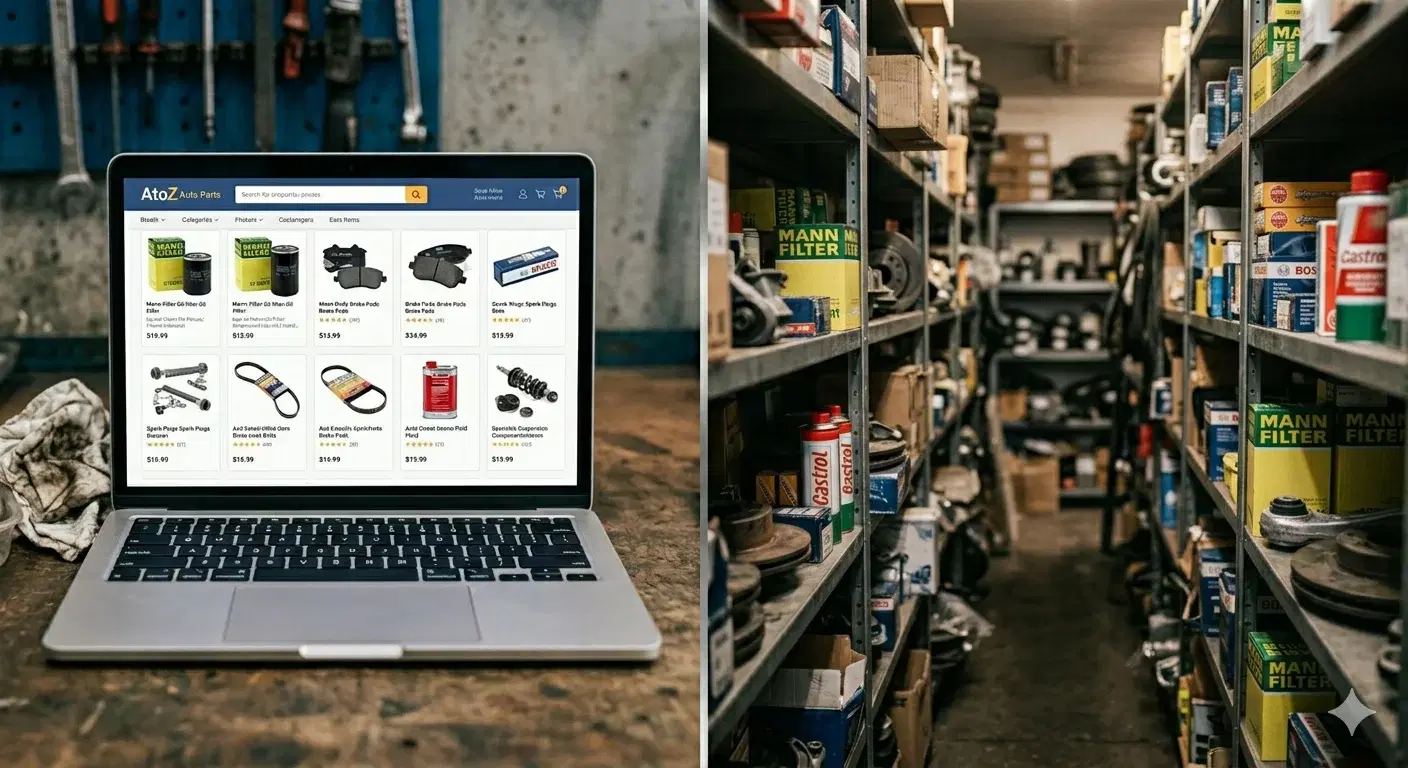
Ordering replacement car parts online has become a convenient option for vehicle owners who want to maintain their cars without spending unnecessary time visiting multiple automotive stores. Online platforms provide access to a wide selection of components, making it easier to compare different products, explore specifications, and find parts suitable for particular vehicle models.
However, buying automotive components is not the same as purchasing ordinary household products. Every vehicle has specific technical requirements, and even a small difference in a component can affect installation, performance, safety, and long-term reliability. A replacement part that looks correct in a product photograph may not necessarily fit the vehicle.
Explore AltFTool for free online tools, useful calculators, and digital resources that simplify everyday tasks and make your work faster and easier.
Before placing an order, car owners should understand their vehicle's specifications, identify the exact component, check compatibility, review product descriptions, and consider the seller's return conditions. Taking these steps can help prevent incorrect purchases and unnecessary expenses.
Whether someone needs new brake pads, filters, headlights, suspension components, or engine-related parts, careful research makes the buying process more reliable.
Understand Your Vehicle Before Searching for Parts
The first step in ordering a replacement part online is understanding the vehicle for which the component is required. Different vehicles can have different engines, manufacturing years, body styles, and equipment configurations.
Even two cars from the same manufacturer may use different components depending on their model year or engine version. Therefore, selecting a replacement part based only on the vehicle's brand is not enough.
Car owners should collect important vehicle information before beginning their search.
Some useful details include:
Vehicle manufacturer and model name
Manufacturing year and registration year
Engine capacity and fuel type
Engine code, if available
Vehicle identification number (VIN)
Transmission type
Body style and equipment version
The VIN is particularly useful because it provides vehicle-specific identification information. Depending on the parts platform, entering the VIN may help narrow down compatible products.
For example, a replacement air filter designed for one engine configuration may not fit another version of the same vehicle. Checking the complete vehicle details reduces the possibility of ordering an unsuitable component.
Identify the Exact Replacement Part You Need
Choosing the correct component is more important than simply finding a product with a similar appearance.
Before searching an online automotive store, car owners should identify which part needs replacement and understand its purpose.
Sometimes, a vehicle develops a problem that can be associated with several different components. For instance, unusual braking sounds may be related to brake pads, brake discs, calipers, or another issue within the braking system.
Replacing a component without identifying the actual problem can result in unnecessary purchases.
It is helpful to consult a qualified mechanic when the cause of a problem is unclear. A professional inspection can identify the faulty component and help determine whether replacement is necessary.
The following table explains some commonly replaced car components and their general purposes.
Replacement Part | Main Purpose | Common Replacement Reason | Important Consideration |
|---|---|---|---|
Brake Pads | Create friction to slow the vehicle | Wear and reduced braking performance | Check brake system compatibility |
Air Filter | Prevent dust and debris from entering the engine | Dirt accumulation and restricted airflow | Match engine specifications |
Oil Filter | Remove contaminants from engine oil | Regular maintenance intervals | Check thread and filter dimensions |
Headlight Bulb | Provide visibility during driving | Reduced brightness or bulb failure | Verify bulb type and voltage |
Cabin Filter | Filter air entering the passenger cabin | Dust, odour, and reduced airflow | Match the ventilation system |
Spark Plugs | Support ignition in petrol engines | Wear and ignition problems | Check heat range and specifications |
Understanding the purpose of each component helps buyers search more accurately and avoid confusing similar-looking products.
Check Compatibility Before Placing an Order

Compatibility is one of the most important factors when purchasing replacement car parts online.
A product may be advertised as suitable for a particular vehicle manufacturer but still be incompatible with the exact model or engine version. This happens because manufacturers sometimes introduce technical changes during a model's production period.
For example, a car manufactured in two different years may have different brake systems, electrical connections, or engine components.
Before purchasing, carefully review the compatibility information provided in the product description.
Important details to check include:
Vehicle make and model
Production year and model generation
Engine type and engine code
Fuel type
Left-hand or right-hand installation position
Front or rear component placement
Dimensions and connection specifications
Some online automotive stores offer vehicle selection tools that allow customers to enter their car information. These tools can make product searches easier, but buyers should still review the individual product specifications.
If compatibility information is incomplete, contacting the seller or checking with a mechanic is a better decision than assuming the product will fit.
Understand OEM, Original, and Aftermarket Parts
When shopping for replacement components, car owners may come across terms such as OEM, original equipment, genuine parts, and aftermarket parts.
These terms describe different types of automotive products, and understanding their differences can help buyers make informed purchasing decisions.
Original equipment manufacturer (OEM) parts are produced by the manufacturer that supplies components according to the vehicle manufacturer's requirements. Genuine parts are typically sold through the vehicle manufacturer's authorised parts network and may carry its branding.
Aftermarket parts are manufactured by companies other than the original vehicle manufacturer. Their quality, design, specifications, and pricing can vary considerably.
An aftermarket product is not automatically inferior, just as an expensive genuine part is not automatically the best choice for every situation. Buyers should evaluate the manufacturer's reputation, technical specifications, quality certifications where applicable, and suitability for their vehicle.
Part Category | General Meaning | Potential Advantage | What to Check |
|---|---|---|---|
Genuine Parts | Sold under the vehicle manufacturer's brand | Manufacturer-specific product support | Authenticity and part number |
OEM Parts | Produced by original equipment suppliers | Designed to meet specified requirements | Manufacturer and specifications |
Aftermarket Parts | Produced by independent manufacturers | Wider selection and price options | Quality and vehicle compatibility |
Remanufactured Parts | Previously used components professionally restored | May offer a lower-cost alternative | Restoration standards and warranty |
For safety-critical components, buyers should prioritise verified quality and correct specifications rather than choosing a product based only on its price.
Compare Prices Without Compromising Quality

One of the main advantages of online automotive shopping is the ability to compare several products before making a decision.
Different manufacturers may offer compatible components at different prices. However, the cheapest product is not necessarily the most economical option in the long run.
A low-priced replacement part may have a shorter service life, limited warranty coverage, or uncertain manufacturing quality. If it fails prematurely, the buyer may need to pay for another component and additional installation labour.
When comparing prices, consider the complete value of the purchase.
Look at the following factors:
Product manufacturing quality
Brand reputation
Compatibility with the vehicle
Warranty coverage
Delivery charges
Return and replacement conditions
Expected service life
It is also important to compare identical product specifications. Two products may look similar but have different materials, dimensions, performance characteristics, or intended applications.
A slightly more expensive component from a recognised manufacturer may provide better long-term value when it offers appropriate quality and reliable support.
Read Product Descriptions Carefully
Product descriptions contain important information that helps customers determine whether a replacement part is appropriate for their vehicle.
Many buyers focus mainly on product photographs and prices. However, photographs alone cannot confirm whether a component meets the vehicle's technical requirements.
A detailed product description may include the manufacturer's name, product number, dimensions, material, installation position, operating specifications, and compatible vehicle models.
For example, two brake pads may appear almost identical in photographs but have different dimensions or fitting arrangements.
Before ordering, review the complete product information rather than relying on the product title.
Pay attention to:
Manufacturer part numbers
Dimensions and measurements
Technical specifications
Installation location
Included accessories
Material composition
Compatibility details
Product condition
If the description contains unclear or conflicting information, avoid making assumptions. Confirm the specifications before completing the purchase.
Use Part Numbers to Find the Correct Component
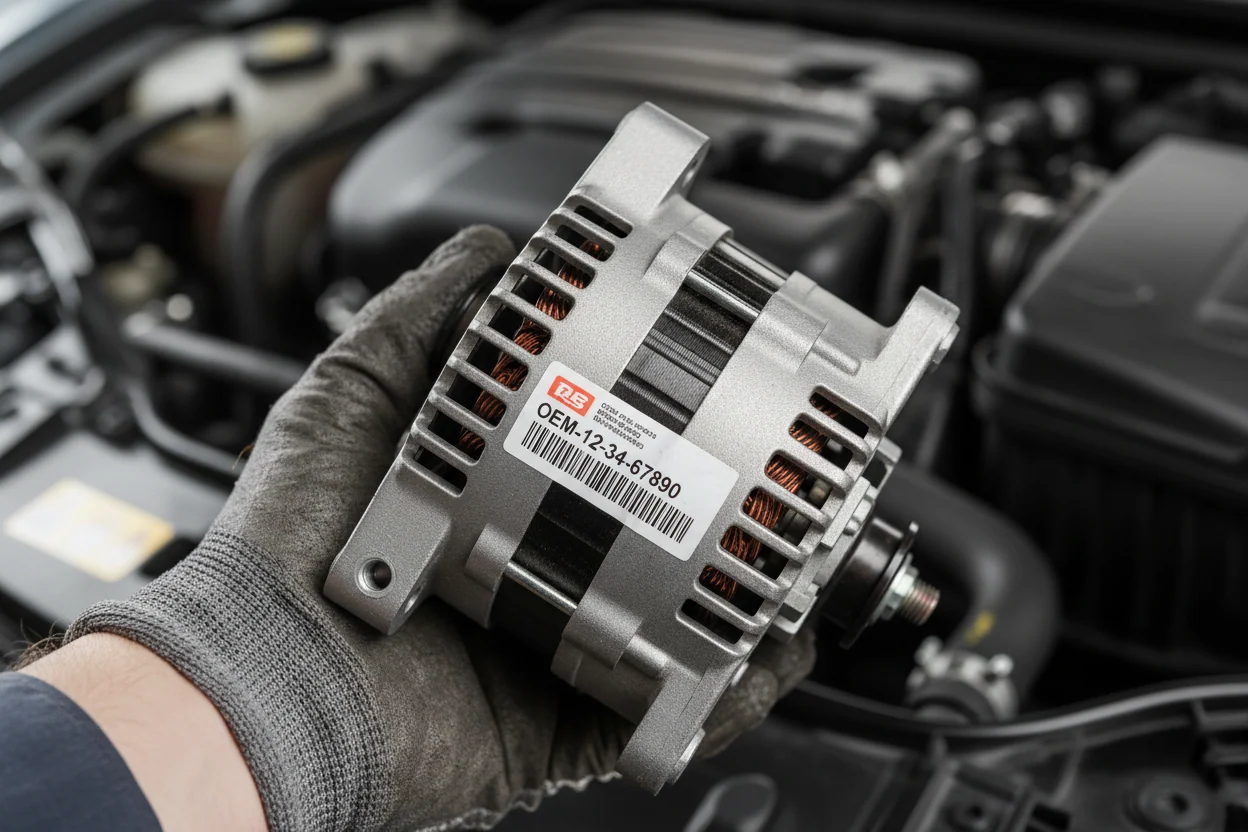
Part numbers are among the most useful tools for identifying automotive replacement components.
Vehicle manufacturers and parts suppliers assign specific identification numbers to individual products. These numbers help distinguish between components that may look similar but have different technical specifications.
If the original component is still available, its part number may be printed or engraved on the product.
Car owners can use this information to search for an identical replacement or an approved alternative.
However, a part number should still be checked against the vehicle's specifications. Some components have replacement or superseded numbers, meaning a newer product may replace an older version.
Before ordering, compare the part number with the information supplied by the seller. If the numbers do not match, verify whether the replacement is officially compatible.
Check Product Reviews and Seller Reputation
Customer reviews can provide useful information about the quality, packaging, delivery, and overall buying experience associated with an automotive product.
However, online reviews should be evaluated carefully. Not every review provides accurate or vehicle-specific information.
A customer may report that a particular component fitted perfectly, but their vehicle could have a different engine or production year.
Instead of focusing only on star ratings, look for detailed feedback that explains the actual experience.
Useful review information includes:
Whether the product matched its description
Whether the component fitted the specified vehicle
Whether packaging protected the product
Whether the product arrived in good condition
Whether the seller handled problems appropriately
Whether customers received warranty support
It is also worth checking the seller's reputation and customer service arrangements.
A reliable seller should provide clear product descriptions, transparent purchase conditions, and a reasonable process for handling incorrect or damaged orders.
Understand Delivery Time and Shipping Conditions

Delivery is another important consideration when ordering car parts online.
Some replacement components are available for immediate dispatch, while others may need to be sourced from another warehouse or supplier.
Delivery times can vary depending on product availability, location, shipping arrangements, and the type of component.
Before placing an order, check the estimated delivery date and whether additional shipping charges apply.
This becomes especially important when the vehicle is not usable without the replacement part.
For example, if a car requires a replacement alternator or an essential braking component, a long delivery delay may create practical difficulties.
Customers should also check whether the seller provides shipment tracking and how damaged packages are handled.
Large or fragile automotive components may require additional packaging protection. When the package arrives, inspect it for visible damage before installation.
Review the Return, Refund, and Warranty Policies
Even after careful research, there may be situations where an ordered component is incorrect, damaged, defective, or unsuitable for the vehicle.
This is why buyers should understand the seller's return and refund policies before making a purchase.
Some automotive parts retailers have specific conditions for returning electrical components, special-order products, installed parts, or products with damaged packaging.
A return policy may also require customers to report problems within a particular period.
Important points to review include:
Return eligibility
Return request deadlines
Refund processing time
Replacement availability
Return shipping costs
Conditions for unused products
Warranty duration and coverage
Required proof of purchase
Warranty coverage is particularly important for expensive components.
A warranty may cover manufacturing defects but exclude damage caused by incorrect installation, misuse, or normal wear and tear.
Buyers should understand exactly what is covered instead of assuming that every product includes complete protection.
Keeping the invoice, order confirmation, packaging, and warranty information can make it easier to resolve future issues.
Consider Installation Requirements Before Buying

Not every automotive replacement part can be installed easily at home.
Some components require specialised tools, technical knowledge, diagnostic equipment, or professional calibration.
For example, replacing a basic air filter may be relatively straightforward for someone familiar with routine vehicle maintenance. However, installing certain braking, steering, suspension, or electronic components can require professional expertise.
Before ordering a part, consider how it will be installed.
Ask yourself whether:
The installation requires specialised tools.
The component needs electronic programming.
Vehicle settings must be recalibrated.
Additional components are required.
A professional inspection is necessary.
Installation labour should be included in the total budget.
Buying a replacement component without understanding the installation requirements can lead to unexpected expenses.
For safety-critical repairs, professional installation is generally the more appropriate choice.
Avoid Counterfeit and Poor-Quality Automotive Parts
Counterfeit automotive parts are a serious concern because they may not meet the required manufacturing or safety standards.
Some imitation products use packaging, logos, and product descriptions that resemble those of recognised manufacturers.
However, their internal construction, materials, durability, and performance may be significantly different.
Using poor-quality components can affect vehicle reliability and, in certain cases, create safety risks.
Buyers should pay attention to signs that may indicate an unreliable product.
These include unusually low prices, unclear manufacturer details, inconsistent packaging, missing identification information, and descriptions that make unrealistic performance claims.
Whenever possible, purchase from established retailers and authorised sellers.
For important components such as brake pads, steering parts, suspension components, and electrical safety systems, prioritise verified product quality.
A genuine-looking product photograph should never be treated as proof of authenticity.
Understand Which Parts Require Immediate Attention
Not all replacement parts need to be purchased at the same time. Some components are part of routine maintenance, while others require immediate attention when they develop a fault.
Understanding the difference helps car owners prioritise repairs and manage maintenance expenses.
For example, a dirty cabin filter may affect interior air quality, whereas damaged brake components can directly affect vehicle safety.
The following table provides a general overview of common replacement priorities.
Component | Typical Warning Sign | Priority Level | Recommended Action |
|---|---|---|---|
Brake Pads | Grinding or reduced braking response | High | Arrange prompt inspection |
Tyres | Low tread depth or visible damage | High | Check condition and replace when necessary |
Engine Oil Filter | Scheduled maintenance requirement | Routine | Replace according to service schedule |
Battery | Slow starting or electrical problems | Medium to High | Test battery condition |
Air Filter | Dirt accumulation or restricted airflow | Routine | Inspect and replace when required |
Headlight Bulb | Reduced visibility or bulb failure | High | Replace promptly |
Cabin Filter | Dusty air or unpleasant smell | Routine | Inspect and replace periodically |
These priorities are general guidance rather than a substitute for vehicle-specific maintenance recommendations. The owner's manual and professional inspection should determine the appropriate replacement schedule.
Check Whether Additional Parts Are Required
Some automotive repairs involve replacing more than one component.
For example, changing brake pads may also require checking the condition of brake discs, fitting hardware, and related components. Similarly, replacing a timing belt may involve additional parts depending on the vehicle manufacturer's recommended service procedure.
Ordering only one component without checking the complete repair requirement can delay the job.
Before purchasing, ask a mechanic whether additional components are necessary.
You should also check whether the product listing includes everything required for installation.
Some listings contain only the main replacement component, while others include accessories, mounting hardware, seals, or fittings.
Understanding what is included helps prevent unexpected additional purchases.
Avoid Common Mistakes When Ordering Replacement Parts Online
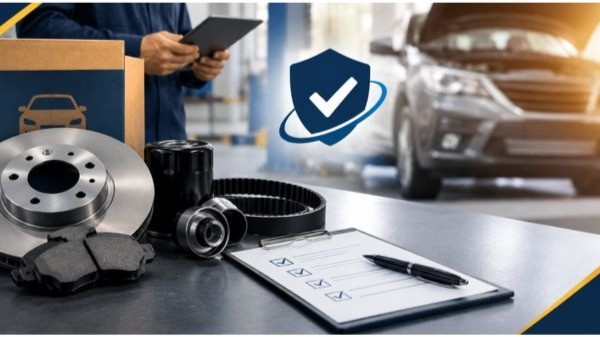
Even experienced car owners can make mistakes when buying automotive components online. Many problems happen because buyers rush through the selection process or overlook important product information.
One common mistake is selecting a product based only on the vehicle's model name. Compatibility can depend on the manufacturing year, engine type, and other technical specifications.
Another mistake is purchasing the cheapest available product without checking the manufacturer or quality information.
Ignoring return conditions can also create problems if the component turns out to be unsuitable.
Here are some mistakes worth avoiding:
Ordering without checking vehicle compatibility
Ignoring the original part number
Assuming similar-looking parts are interchangeable
Buying from an unfamiliar seller without checking credibility
Overlooking delivery and return charges
Ignoring warranty conditions
Purchasing safety-critical components based only on price
Installing a part without confirming its specifications
A few additional minutes spent reviewing these details can help avoid unnecessary costs and delays.
FAQ's
Some basic components may be suitable for DIY installation, but complex or safety-critical parts may require specialised tools and professional expertise. Always follow vehicle-specific instructions.
Start by checking your vehicle's make, model, manufacturing year, engine details, and VIN. You can also compare the original component's part number with the product specifications.
OEM parts are produced by original equipment suppliers according to specific requirements, while aftermarket parts are manufactured by independent companies. Both options should be evaluated for quality and compatibility.
Review vehicle compatibility, product descriptions, part numbers, manufacturer details, customer reviews, delivery conditions, and return policies before placing an order.
Different vehicles may require different components depending on their model, manufacturing year, engine type, and specifications. Checking compatibility helps prevent incorrect purchases.
Sources and notes
Links the author listed for this post.
This article is based on general automotive maintenance knowledge, replacement parts buying practices, vehicle compatibility requirements, and online auto parts shopping considerations.
More on AltFTool
- AltFTool (opens in a new tab)
altftool.com

Discussion
0 comments