
A friend of mine, Neha, once told me she had the "perfect" self-care routine. She had a face mask on Sundays, a gym membership, a green smoothie every morning and a scented candle on her desk. Yet one evening she sat on her kitchen floor and cried for no clear reason. "I'm doing everything right," she said. "So why do I still feel so empty?"
Her question is one many of us quietly carry. Modern self-care is often sold as products and routines for the body and the skin. Those things can feel lovely, but they miss a deeper layer. If your emotions are ignored, no amount of bath salts will quite fix the heaviness. This is why emotional well-being deserves a proper place in how we look after ourselves.
This article is only for general information, so please don't take it as medical advice. If you're struggling for more than a couple of weeks, please speak to a doctor or a mental health professional.
What Emotional Well-Being Really Means

Emotional well-being is not about being happy all the time. It's the ability to understand your feelings, handle stress, bounce back from difficult moments and feel reasonably steady in everyday life. A person with good emotional health still feels sadness, anger and worry. The difference is that they can sit with those feelings without being swallowed by them.
Recognising what you feel and naming it
Handling stress without shutting down or exploding
Having relationships where you feel supported
Feeling a sense of purpose or meaning in daily life
Recovering after setbacks, even if it takes time
Think of it as emotional fitness. Just like physical fitness, it isn't a fixed trait. It grows with practice and can slip when we neglect it.
Why It Belongs at the Centre of Self-Care





Self-care is often described as the things we do to look after our health. The World Health Organization describes it more broadly, as the ability of people to promote and maintain their health and cope with illness, with or without a health worker's help. That includes our minds and emotions as much as our bodies.
Your body and mind are closely connected. Long periods of stress can affect your sleep, appetite, energy and even your immunity. In the same way, poor sleep and constant exhaustion can make your mood and thinking worse. So when you look after your emotional health, you're also supporting your physical health, and the other way round.
Why it matters more today
We live in a time of constant notifications, comparison and pressure to be productive. Work follows us home on our phones, and social media shows everyone else's best moments. Large global health reports suggest that more than a billion people live with some kind of mental health condition, which shows how common these struggles are, even when we don't talk about them.
It isn't a luxury
Many people feel guilty about taking time for their emotions. They believe self-care is selfish, or something to do "when everything else is done." But looking after your emotional health helps you show up better for your family, your work and your friends. It's closer to maintenance than indulgence.
Surface Self-Care vs Deeper Self-Care
Not all self-care is equal. Treats and comforts have their place, but they work best when paired with habits that actually address how you feel. Here's a simple way to see the difference.
Surface Self-Care | Deeper Emotional Self-Care | Why the Deeper Kind Helps |
|---|---|---|
Buying something to feel better | Pausing to name what you're feeling | Gives the feeling a place to go |
Binge-watching to switch off | Setting a clear rest time and boundaries | Rest becomes real, not an escape |
Saying "I'm fine" to everyone | Telling one trusted person the truth | Reduces the weight of carrying it alone |
Pushing through exhaustion | Saying no when you're overloaded | Protects your energy before burnout |
Scrolling for comfort | Taking a short walk or breathing break | Calms the body and clears the mind |
None of the left column is "wrong," and a good movie night is fine. The point is to make sure your self-care includes some actions that actually deal with your emotions.
Simple Habits That Build Emotional Health
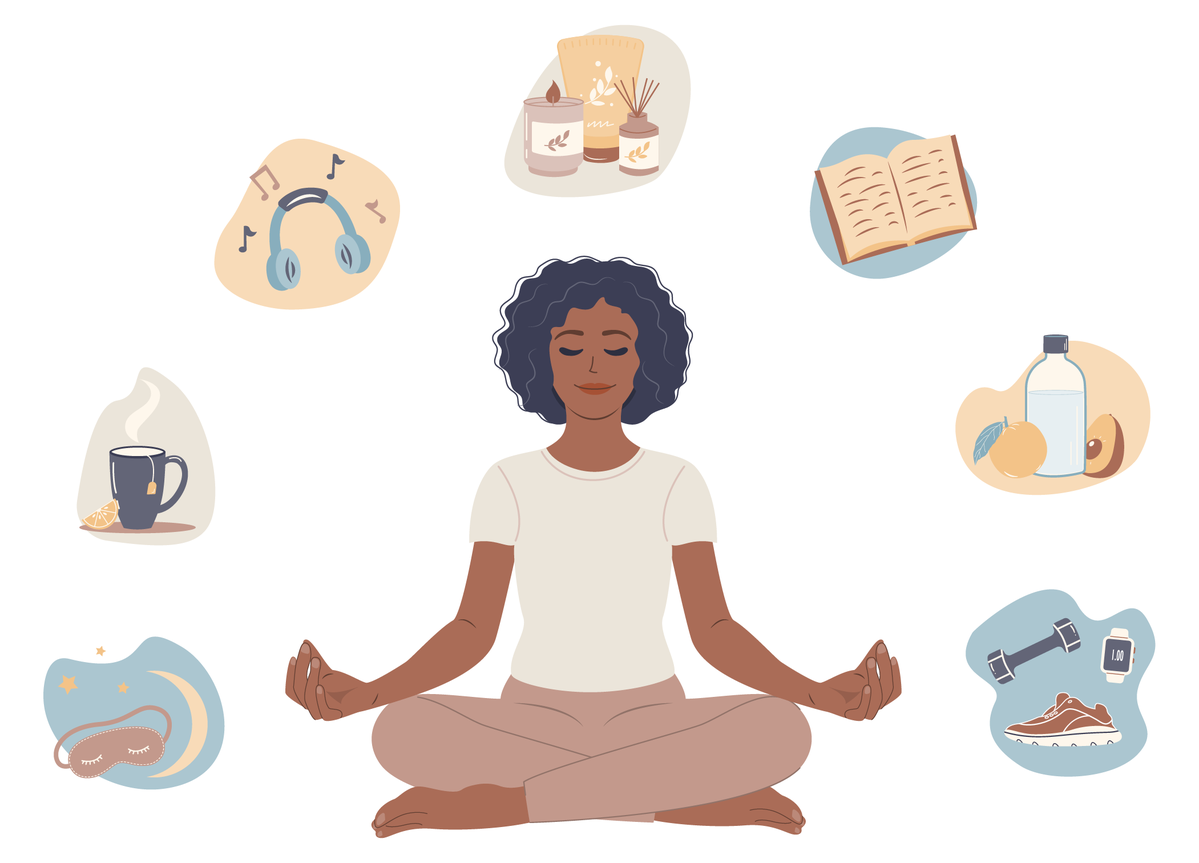
You don't need an expensive retreat or a complete lifestyle change. Small habits, repeated gently, tend to work better than big resolutions that fade in a week.
Check in with yourself
Once a day, ask: "How am I really feeling right now?" Try to answer in more than one word. "Tired" might be "tired and a bit anxious about tomorrow." Naming your feelings helps them feel less confusing and less heavy.
Write it down
A few lines in a notebook before bed can clear a crowded mind. You don't have to write beautifully, and no one will read it. Many people find that writing about worries makes them feel smaller and more manageable.
Move your body
Walking, stretching, dancing or yoga all help release tension and lift mood for many people. Even ten minutes counts. It isn't about burning calories, it's about giving your mind a break.
Protect your sleep
Poor sleep makes everything feel harder. Try to keep a regular bedtime, and wind down away from screens when you can. Your emotional resilience tends to be much better after a good night.
Quick card: The 3-Minute Reset
When you feel overwhelmed, stop for three minutes. Sit comfortably, breathe in slowly for four counts, breathe out for six, and name three things you can see around you. It calms the body and brings you back to the present.
Relationships Are Part of Self-Care Too
| Relationship Habit | Why It Matters | Simple Tip |
|---|---|---|
| ❤️ Stay Connected | Builds emotional support | Call loved ones regularly |
| 💬 Communicate Openly | Encourages understanding | Share feelings honestly |
| 👂 Listen Carefully | Strengthens trust | Give others your attention |
| 🤝 Set Boundaries | Protects emotional energy | Learn to say no respectfully |
| 🌷 Spend Quality Time | Creates meaningful connections | Plan simple activities together |
We often think of self-care as something we do alone. But people are a huge part of emotional well-being. Feeling connected, heard and supported can protect us in hard times. Even one or two honest relationships can make a big difference.
Make time for people who make you feel safe, whether it's a family member, a friend or a mentor. Share not only the good news but the hard days as well. And if certain relationships leave you drained again and again, it's okay to set boundaries. Protecting your energy is not unkind.
Call or meet a friend regularly, even for a short chat
Say how you really feel to at least one person
Learn to say no without a long explanation
Spend more time with people who leave you feeling lighter
Managing Digital Overload
Our phones can be wonderful tools and also quiet drains on our mood. Constant news, endless scrolling and comparing ourselves with others can leave us anxious and restless. You don't have to quit technology, but a little structure helps.
Try keeping the first and last thirty minutes of your day phone-free. Turn off notifications you don't need, and unfollow accounts that make you feel worse about yourself. Choose one or two times a day for checking news, instead of dipping in constantly. Those small boundaries give your mind room to rest.
Self-Compassion: Be Kind to Yourself
Many of us speak to ourselves in ways we would never speak to a friend. We call ourselves lazy, stupid or a failure over small mistakes. This harsh inner voice takes a toll on emotional well-being over time.
Self-compassion doesn't mean ignoring your mistakes. It means treating yourself with the same understanding you'd offer someone you love. When something goes wrong, ask: "What would I say to a friend in this situation?" Then say that to yourself. Over time, this habit softens stress and makes it easier to try again.
Harsh Inner Voice | A Kinder Alternative |
|---|---|
"I'm so useless." | "I had a hard day, and I'm still learning." |
"I should be handling this better." | "This is difficult, and it's okay to need help." |
"Everyone else is coping fine." | "Many people struggle quietly, and I'm not alone." |
"I failed again." | "That didn't work, so what can I try next?" |
"I don't deserve a break." | "Resting helps me do better, and I'm allowed to rest." |
When Self-Care Isn't Enough
Self-care is powerful, but it isn't a replacement for professional support. Evidence shows that self-help approaches can be helpful for conditions like depression and anxiety, which is why health organisations are working to make them more widely available. Even so, some situations need more than personal habits.
Please reach out to a doctor or a qualified mental health professional if you notice any of these for more than a couple of weeks:
Constant sadness, hopelessness or emptiness
Losing interest in things you used to enjoy
Major changes in sleep or appetite
Trouble concentrating or functioning at work or school
Feeling overwhelmed or unable to cope with daily life
Asking for help is a sign of strength, not weakness. If you ever feel unsafe or think about harming yourself, please contact local emergency services or a crisis helpline in your country right away, or reach out to someone you trust and stay with them.
Making It a Routine You Can Keep
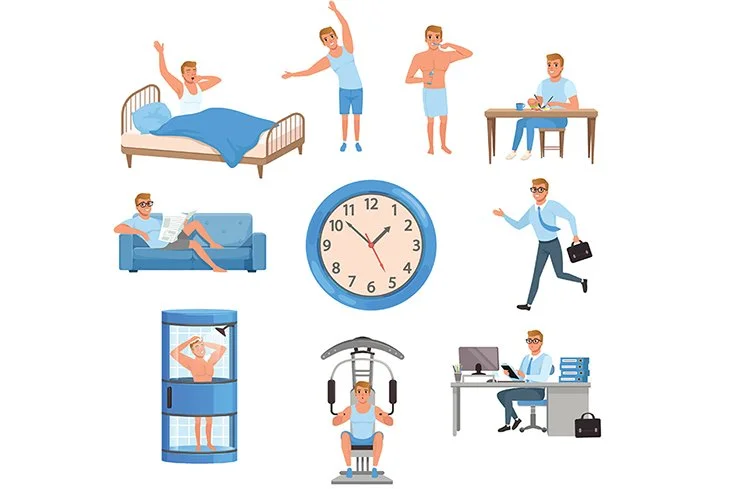
The best emotional self-care routine is the one you can actually do. Start with one or two small habits, and add more slowly. Consistency matters much more than intensity.
Pick one daily check-in, like a short journal entry or breathing break
Choose one weekly connection, like a call or coffee with a friend
Set one boundary, like a phone-free hour at night
Review how you feel once a month and adjust
If you miss a day, don't treat it as failure. Just start again the next day, gently.
Final Thoughts
Modern self-care works best when it looks after the whole person, not just the face, the body or the home. Emotional well-being is the quiet foundation that makes everything else feel manageable. Name your feelings, rest when you need to, stay connected, be kind to yourself and ask for help when things feel too heavy.
Neha eventually changed her routine. She kept the candles and the smoothies, but she added a ten-minute journal and a weekly call with a close friend. She told me that the first time she said "I'm not okay" out loud, it felt like setting down a bag she'd been carrying for months. That's what emotional self-care really offers: not a perfect life, but a lighter way of carrying it.
FAQ's
It helps manage emotions, handle stress, and maintain a healthier daily routine.
Practise mindfulness, get enough rest, stay connected, and make time for activities you enjoy.
Healthy relationships provide connection, understanding, encouragement, and emotional support.
Yes, regular sleep, physical activity, balanced meals, and relaxation can support emotional health.
They help protect your time, energy, and emotional comfort.
Sources and notes
Links the author listed for this post.
World Health Organization (WHO), NHS mental health resources, and trusted wellness publications.

Discussion
0 comments