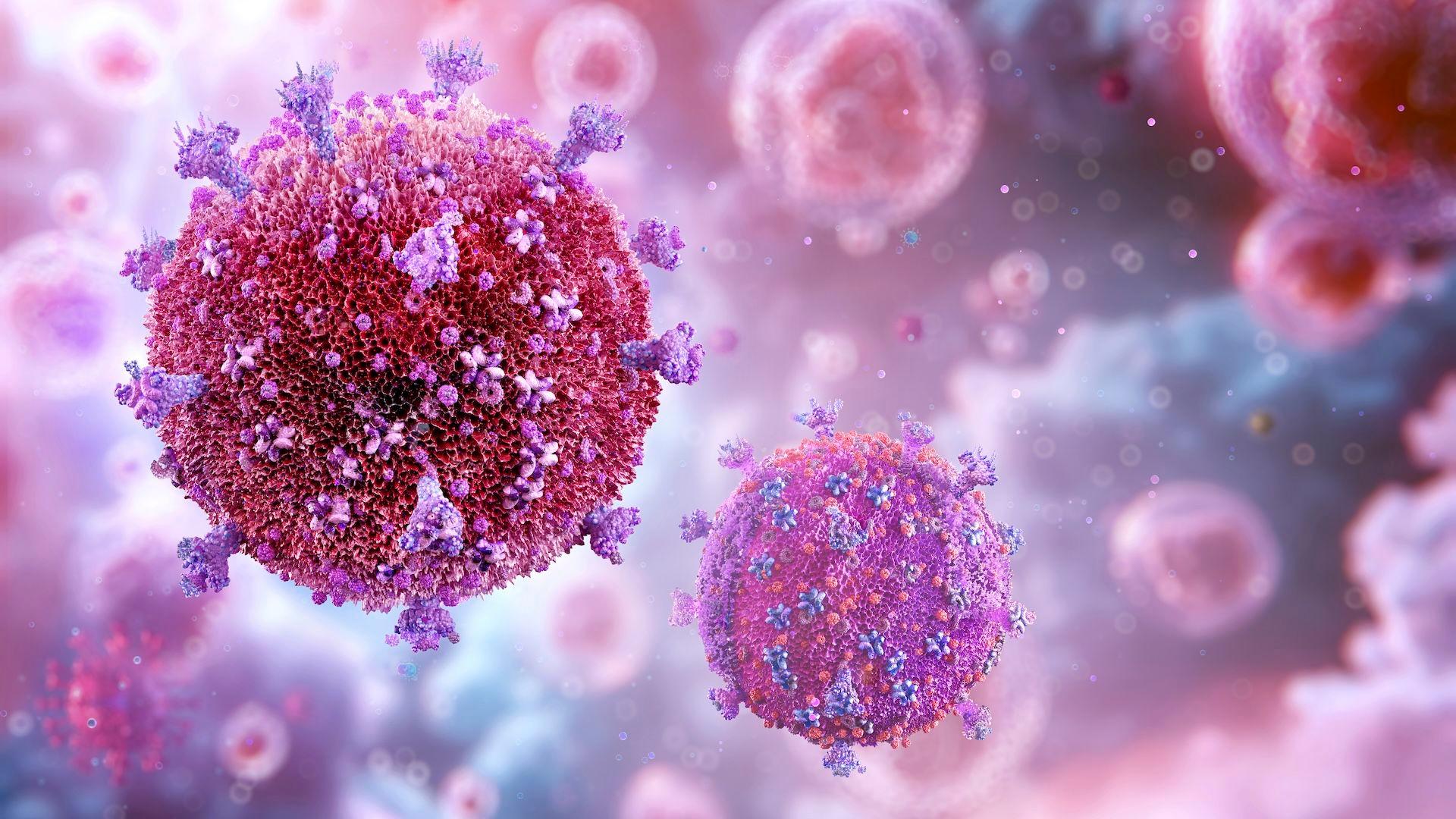
HIV awareness has improved significantly over the years, and medical science has made remarkable progress in prevention and treatment. Today, people living with HIV can access effective medicines, manage their health and lead long, fulfilling lives. However, despite these achievements, HIV remains a major public health challenge across the world.
The biggest problem is that awareness does not always translate into action. Many people still hesitate to get tested, avoid discussing their sexual health, or delay treatment because of fear, social pressure and misinformation. In some communities, access to proper healthcare and affordable treatment is also limited.
HIV is no longer the same health challenge it was decades ago, but the fight is far from over. From reducing stigma to improving prevention and ensuring equal access to medicines, several important issues still need attention.
Let's look at the biggest challenges in HIV awareness, prevention and treatment today and understand why continued efforts matter.
Understanding HIV and Why Awareness Matters
HIV stands for Human Immunodeficiency Virus. It attacks the body's immune system, particularly CD4 cells, which help the body fight infections.
Without proper treatment, HIV can gradually weaken the immune system and progress to AIDS (Acquired Immunodeficiency Syndrome), the most advanced stage of HIV infection.
However, an important thing to understand is that HIV and AIDS are not the same. Not everyone living with HIV develops AIDS. With early diagnosis and consistent antiretroviral therapy, many people with HIV can maintain good health.
HIV awareness matters because accurate information helps people:
Understand how HIV spreads and how it does not spread.
Recognise the importance of regular testing.
Make informed decisions about prevention.
Seek medical care without unnecessary fear.
Support people living with HIV without discrimination.
The Biggest Challenges in HIV Awareness Today
Even with better access to information, many misconceptions about HIV continue to exist. These misunderstandings can prevent people from protecting their health or seeking medical support.
1. Social Stigma and Discrimination
Stigma remains one of the biggest barriers to HIV awareness. People living with HIV may experience judgement, rejection or unfair treatment from society, workplaces and even healthcare settings.
In some communities, HIV is wrongly associated with shame or immoral behaviour. This creates an environment where people are afraid to talk openly about their health.
The fear of being judged can lead to:
Avoiding HIV testing.
Hiding a positive diagnosis from others.
Delaying medical treatment.
Experiencing loneliness and emotional stress.
Facing discrimination in everyday life.
The solution starts with education, empathy and respectful conversations. HIV is a medical condition, not a reason to judge someone.
2. Misinformation About HIV Transmission
Many people still do not know exactly how HIV spreads. Some believe that HIV can spread through hugging, sharing food, using the same toilet or sitting beside someone who has HIV.
These beliefs are incorrect and contribute to unnecessary fear.
HIV can be transmitted through certain body fluids, including blood, semen, vaginal fluids, rectal fluids and breast milk, when they enter another person's bloodstream or come into contact with vulnerable tissue.
Common transmission routes include:
Unprotected anal or vaginal sex.
Sharing needles or other injecting equipment.
Transmission during pregnancy, childbirth or breastfeeding.
Unsafe blood transfusions or medical procedures where proper safety standards are not followed.
HIV does not spread through everyday social contact, handshakes, hugs, shared meals or mosquito bites.
Providing simple, scientifically correct information is essential to reducing fear and preventing discrimination.
3. Limited Access to HIV Testing
Knowing your HIV status is an important step towards prevention and treatment. However, not everyone has easy access to testing services.
In some regions, testing facilities may be far away, expensive or difficult to access privately. Others may avoid testing because they are worried about the result.
Some common testing barriers include:
Fear of a positive diagnosis.
Lack of awareness about testing facilities.
Concerns about privacy and confidentiality.
Limited healthcare services in rural areas.
Social pressure and fear of discrimination.
Making HIV testing affordable, confidential and accessible can help more people receive timely diagnoses.
4. Lack of HIV Education Among Young People
Young people need reliable information about sexual health, HIV prevention and healthy relationships. Unfortunately, these subjects are not always discussed openly at home, in schools or in communities.
When proper education is missing, young people may depend on social media, friends or unreliable online information.
This can create confusion about:
How HIV is transmitted.
How condoms help reduce transmission risk.
When HIV testing is recommended.
What PrEP and PEP mean.
Why early treatment is important.
Age-appropriate, science-based education can help young people make safer and more informed decisions.
Major Challenges in HIV Prevention
HIV prevention involves more than spreading awareness. People also need access to practical tools, healthcare services and reliable guidance.
5. Unequal Access to Prevention Methods
Several effective HIV prevention options are available today, but they are not equally accessible everywhere.
Some people may not know about these methods, while others cannot afford them or access nearby healthcare services.
Important HIV prevention options include:
Condoms: Help reduce the risk of HIV and other sexually transmitted infections when used correctly and consistently.
PrEP: Pre-exposure prophylaxis is medicine taken by HIV-negative people to prevent HIV before a possible exposure.
PEP: Post-exposure prophylaxis is emergency medicine that must be started within 72 hours after a possible HIV exposure.
Sterile injecting equipment: Helps prevent HIV transmission among people who inject drugs.
Regular testing: Helps people understand their HIV status and seek appropriate care.
6. Challenges in Reaching High-Risk Communities
Some communities face a greater risk of HIV exposure because of social, economic and healthcare-related barriers.
These may include people who inject drugs, sex workers, men who have sex with men, transgender people and people with limited access to healthcare.
The challenge is not simply a lack of awareness. Discrimination, criminalisation, poverty and fear of being exposed can prevent people from using available services.
Prevention programmes need to be inclusive, confidential and respectful. Healthcare services should reach people where they are instead of expecting everyone to overcome the same barriers.
7. Mother-to-Child HIV Transmission
HIV can pass from a mother living with HIV to her baby during pregnancy, childbirth or breastfeeding.
However, this risk can be greatly reduced through appropriate antiretroviral treatment, medical monitoring and recommended infant-feeding guidance.
The major challenges include:
Limited access to prenatal healthcare.
Late HIV diagnosis during pregnancy.
Interrupted treatment.
Lack of follow-up care for mothers and babies.
Limited awareness of prevention services.
Early testing and proper medical support are essential for protecting both maternal and infant health.
Challenges in HIV Treatment Today
Medical advancements have changed HIV treatment significantly. Antiretroviral therapy (ART) helps control the virus, protects the immune system and reduces the risk of HIV-related complications.
However, receiving a diagnosis is only the beginning. People need continuous access to medicines, regular medical check-ups and emotional support.
8. High Cost and Unequal Access to Treatment
Although HIV medicines are available in many countries, access is still uneven. Some people face financial difficulties, while others live in areas where healthcare facilities and trained professionals are limited.
Treatment-related challenges include:
Limited availability of medicines in remote locations.
Healthcare costs and transportation expenses.
Shortages or interruptions in medicine supplies.
Lack of specialist medical support.
Differences in healthcare access between communities.
Affordable treatment programmes and stronger public healthcare systems are important for ensuring that nobody is left behind.
9. Maintaining Long-Term Treatment
HIV treatment usually requires taking antiretroviral medicines consistently over the long term. These medicines keep the virus under control, but stopping treatment without medical guidance can allow the virus to multiply again.
Some people struggle to maintain their treatment routine because of:
Forgetting daily medication.
Side effects or concerns about medicines.
Mental and emotional pressure.
Financial difficulties.
Limited access to regular healthcare.
Healthcare professionals can help patients find suitable treatment options and develop routines that make medication easier to manage.
10. Drug Resistance and Treatment Complications
Antiretroviral medicines are highly effective, but HIV can sometimes develop resistance to certain drugs. This may happen when treatment is not taken consistently or when the virus is exposed to medicines that no longer work effectively.
Drug resistance can make treatment more complicated and may require a different combination of medicines.
Regular medical monitoring, viral load testing and following prescribed treatment are important for managing this challenge.
11. Mental Health and Emotional Stress
Living with HIV can affect more than physical health. A diagnosis may bring anxiety, sadness, uncertainty and concerns about relationships or the future.
Some people also experience discrimination or isolation, making emotional challenges even harder to manage.
Mental health support is an important part of HIV care.
Helpful support options include:
Counselling and professional mental health services.
Peer support groups.
Family and community support.
Open conversations with healthcare professionals.
Access to confidential health services.
People living with HIV deserve the same respect, care and emotional support as anyone else.
Important HIV Prevention and Treatment Facts
Understanding a few essential facts can help clear confusion and encourage informed health decisions.
Topic | Important Information |
HIV testing | Helps identify HIV infection and supports early treatment |
PrEP | Medicine that helps prevent HIV before potential exposure |
PEP | Emergency prevention medicine started within 72 hours of possible exposure |
ART | Treatment that controls HIV and protects immune health |
Viral load | Measures the amount of HIV in the blood |
U=U | Undetectable viral load means HIV is not sexually transmitted |
Regular check-ups | Help monitor treatment effectiveness and overall health |
What Does U=U Mean?
U=U stands for Undetectable = Untransmittable.
It means that a person living with HIV who takes effective treatment and maintains an undetectable viral load does not sexually transmit HIV to their partners.
This is one of the most important developments in modern HIV education because it helps reduce stigma and encourages people to access treatment.
However, U=U specifically refers to sexual transmission. It does not mean HIV has been cured or that treatment can be stopped.
How Technology Is Changing HIV Awareness and Care
Technology is creating new opportunities to improve HIV education, testing and treatment support.
Digital healthcare services can help people find reliable information and connect with medical professionals without always needing to visit a healthcare facility.
Some important developments include:
1. Online HIV Education
Digital platforms make it easier to share information about HIV transmission, prevention, testing and treatment.
2. Telehealth Services
Virtual consultations can help people access healthcare advice, especially when specialist services are difficult to reach.
3. Digital Treatment Reminders
Mobile reminders and health applications can support people in following their medication schedules.
4. Improved Medical Research
Researchers are exploring new treatment approaches, long-acting medicines and potential HIV vaccines.
5. Better Data and Monitoring
Digital health records and monitoring systems can help healthcare teams understand treatment progress and identify gaps in care.
Technology cannot replace medical professionals, but it can make reliable healthcare information and support easier to access.
What Still Needs to Be Done to Fight HIV?
Progress against HIV requires cooperation between governments, healthcare providers, educational institutions and local communities.
Here are some important areas that need continued attention:
Improve public education: Share accurate information through schools, workplaces and community programmes.
Make testing accessible: Provide affordable and confidential testing services.
Expand prevention programmes: Improve access to condoms, PrEP, PEP and sterile injecting equipment.
Support affordable treatment: Ensure a reliable supply of antiretroviral medicines.
Fight discrimination: Protect the rights and dignity of people living with HIV.
Strengthen mental health services: Make counselling and emotional support part of HIV care.
Invest in research: Continue developing better treatments, prevention methods and potential vaccines.
These efforts can help create a healthcare environment where people feel safe seeking information, testing and treatment.
HIV Awareness in India: Progress and Remaining Gaps
India has made considerable progress in HIV prevention and treatment through public health programmes and awareness campaigns.
The National AIDS Control Organisation (NACO) plays an important role in coordinating HIV prevention, testing, treatment and awareness initiatives across the country.
Public healthcare services provide HIV testing, counselling and antiretroviral treatment through designated centres.
However, several challenges remain:
Social stigma surrounding HIV testing and diagnosis.
Limited awareness in some rural and underserved communities.
Fear of discrimination and concerns about confidentiality.
Gaps in early diagnosis and treatment follow-up.
The need for stronger sexual health education.
Continued community awareness, accessible healthcare and non-judgemental medical services are essential to improving HIV prevention and treatment outcomes in India.
Common Myths About HIV That Need to Be Corrected
Misinformation can create unnecessary fear and make life more difficult for people living with HIV. Understanding the facts is an important part of awareness.
Common Myth | The Actual Fact |
HIV spreads through hugging | It does not spread through everyday physical contact |
HIV and AIDS are the same | HIV is the virus; AIDS is its most advanced stage |
HIV only affects certain people | Anyone can acquire HIV through specific transmission routes |
HIV cannot be treated | ART can effectively control the virus |
People with HIV cannot have relationships | With effective treatment, people can have healthy relationships |
HIV always causes visible symptoms | A person can have HIV without noticeable symptoms |
Why World AIDS Day and HIV Awareness Campaigns Matter
World AIDS Day is observed every year on December 1. It provides an opportunity to remember people who have lost their lives to AIDS-related illnesses, support those living with HIV and encourage communities to continue working towards better prevention and treatment.
The red ribbon is a widely recognised symbol of HIV awareness, support and solidarity.
Awareness campaigns help by:
Encouraging people to get tested.
Sharing accurate prevention information.
Promoting early treatment.
Challenging harmful stereotypes.
Supporting the rights of people living with HIV.
These campaigns remind us that HIV awareness should not be limited to one day. Education, prevention and compassion need to continue throughout the year.
The Future of HIV Prevention and Treatment
The future of HIV care looks promising, with researchers continuing to explore new ways to prevent and control the virus.
Some important areas of research and development include:
Long-acting HIV medicines: Treatments that can reduce the need for daily medication for eligible patients.
HIV vaccine research: Scientists are working towards developing an effective preventive vaccine.
New prevention options: Research into longer-lasting PrEP options can make prevention more convenient.
Improved treatment combinations: Researchers are exploring medicines with better effectiveness and fewer treatment-related challenges.
Potential HIV cure research: Scientists are investigating approaches that may one day help eliminate HIV from the body.
An effective, widely available HIV vaccine or cure has not yet been established. Until then, prevention, regular testing and consistent treatment remain essential.
Conclusion
HIV awareness, prevention and treatment have come a long way, but important challenges still exist. Stigma, misinformation, unequal healthcare access and treatment interruptions continue to affect millions of people around the world.
The fight against HIV is not just about developing better medicines. It is also about creating a society where people can access healthcare without fear, discuss their health openly and receive support without discrimination.
Everyone has a role to play. Sharing accurate information, encouraging testing, supporting prevention programmes and treating people with dignity can make a meaningful difference.
A world with better HIV awareness begins with knowledge, compassion and equal access to healthcare.
Frequently Asked Questions
Social stigma, misinformation and fear of discrimination remain major barriers to HIV awareness, testing and treatment.
HIV prevention includes using condoms, taking PrEP when appropriate, avoiding shared needles and getting tested regularly.
Yes, antiretroviral therapy (ART) helps control HIV, protects the immune system and allows people to live long, healthy lives.
HIV is a virus that attacks the immune system, while AIDS is the most advanced stage of HIV infection.
U=U means Undetectable = Untransmittable. People who maintain an undetectable viral load do not sexually transmit HIV.
Sources and notes
Links the author listed for this post.
Content is prepared using established public health information and medical guidance on HIV awareness, prevention, testing and treatment.
- 1en.wikipedia.org (opens in a new tab)
en.wikipedia.org


Discussion
0 comments