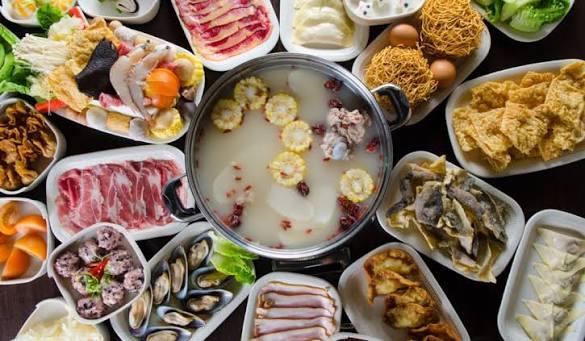
Winter is a season associated with cold weather, cosy evenings, family gatherings, and comforting food. As temperatures drop, people in different parts of the world turn to traditional dishes that provide warmth, flavour, and nourishment. From rich soups and slow-cooked stews to baked meals and festive desserts, winter food reflects the culture, climate, and culinary traditions of each region.
Every country has its own way of making winter meals special. Some communities prefer hearty dishes prepared with meat, potatoes, and seasonal vegetables, while others enjoy warming broths, rice-based meals, and sweet treats. These recipes are often passed down through generations and become an important part of family celebrations and seasonal traditions.
Explore AltFTool for free online tools, useful calculators, and digital resources that make everyday tasks easier and more convenient.
Traditional winter dishes are not only about satisfying hunger. They also bring people together, preserve cultural identities, and create memories around the dining table. Many recipes use locally available ingredients and cooking techniques that have developed over hundreds of years.
Here are ten traditional winter dishes from different parts of the world that people enjoy during the colder months.
French Beef Bourguignon – France
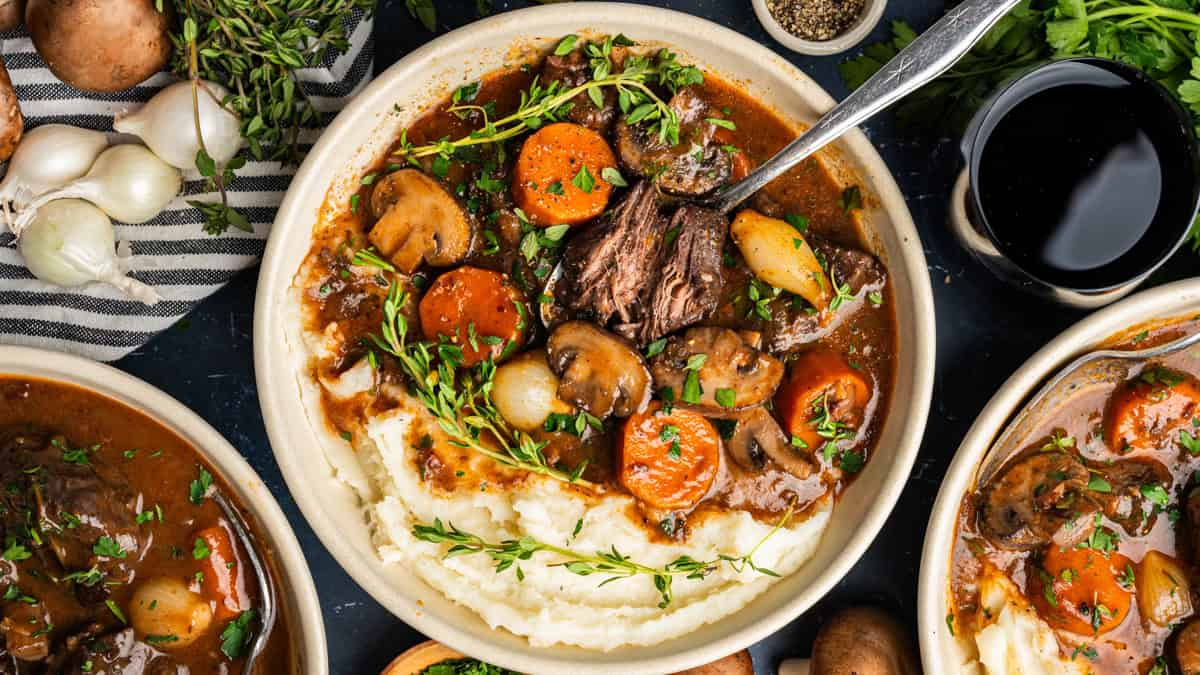
Beef Bourguignon is one of France's most recognised comfort foods, especially popular during colder months. Originating from the Burgundy region, this traditional dish features beef slowly cooked with red wine, onions, carrots, mushrooms, and herbs.
The slow-cooking process allows the meat to become tender while absorbing the rich flavours of the cooking liquid. Red wine creates a deep, savoury sauce that gives the dish its distinctive taste. Traditional recipes may also include bacon or small pieces of pork to add additional flavour.
Beef Bourguignon is often prepared for family meals and special gatherings because it requires time and patience. The ingredients are cooked gently until everything comes together into a rich and satisfying meal.
It is commonly served with mashed potatoes, boiled potatoes, bread, or buttered noodles. These sides help absorb the flavourful sauce and make the meal more filling.
During winter, a warm bowl of Beef Bourguignon offers a comforting combination of tender meat, vegetables, and aromatic herbs. It represents the French tradition of transforming simple ingredients into a deeply flavourful meal through careful preparation.
Ramen – Japan
Ramen is a popular Japanese noodle dish that many people enjoy throughout the year, but its hot broth makes it especially comforting during winter. It generally consists of wheat noodles served in a flavourful soup with toppings such as sliced meat, boiled eggs, spring onions, seaweed, and vegetables.
There are several regional varieties of ramen in Japan. Shoyu ramen uses a soy sauce-based broth, while miso ramen features fermented soybean paste that creates a rich and savoury flavour. Shio ramen is generally lighter and uses a salt-based seasoning. Tonkotsu ramen is prepared with pork bones that are simmered for an extended period to create a creamy broth.
Miso ramen is particularly associated with Hokkaido, Japan's northern island, where cold winters make hot and hearty meals especially appealing. Some versions include corn, butter, bean sprouts, and other ingredients that add texture and flavour.
The combination of hot soup, soft noodles, and carefully selected toppings makes ramen a satisfying winter meal. It is enjoyed in restaurants, small noodle shops, and homes across Japan.
Ramen also demonstrates how regional ingredients and cooking traditions can create different versions of a familiar dish.
Borscht – Ukraine
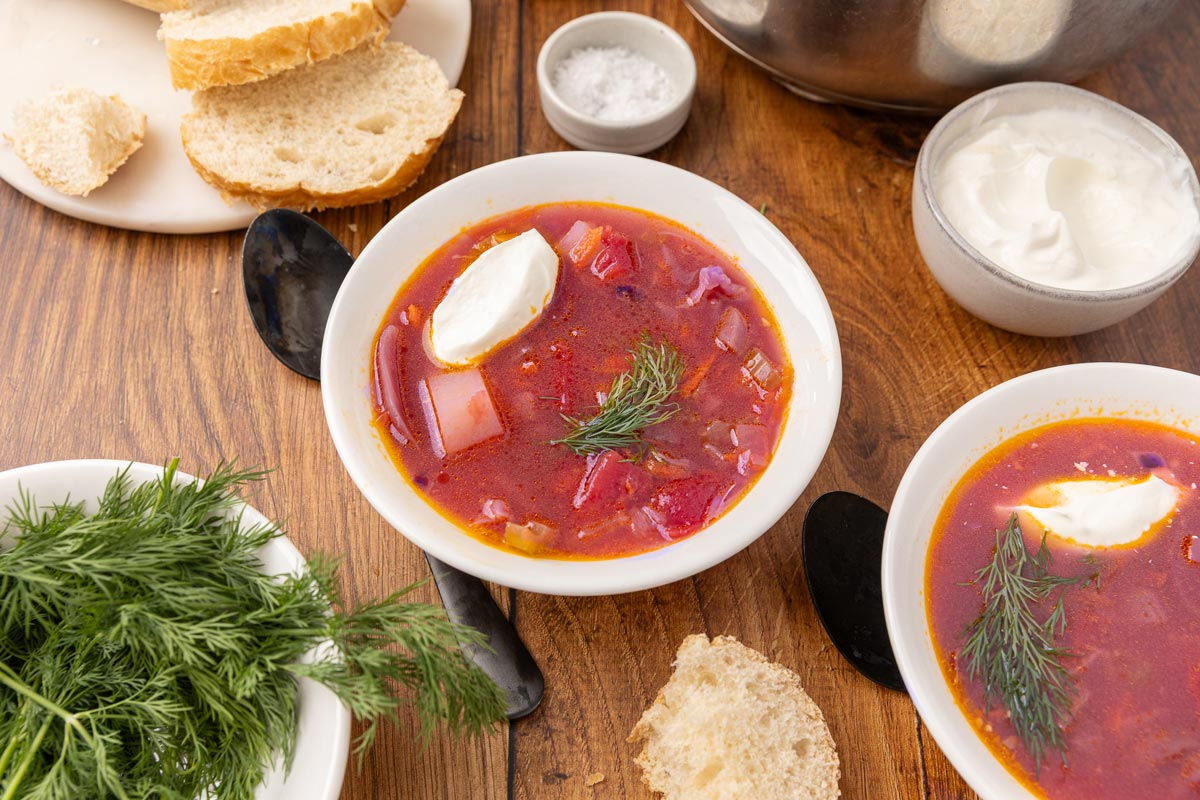
Borscht is a traditional soup strongly associated with Ukrainian cuisine. Its most recognisable ingredient is beetroot, which gives the soup its deep red colour and slightly sweet, earthy flavour.
Traditional Ukrainian borscht often includes cabbage, potatoes, carrots, onions, tomatoes, and sometimes beef or pork. The ingredients are cooked together in a broth until the vegetables become tender and their flavours combine.
Although borscht is enjoyed throughout the year, its warm and nourishing qualities make it particularly suitable for winter. Different families and regions prepare it in their own ways, so the recipe can vary considerably.
A common way to serve borscht is with a spoonful of sour cream and fresh herbs. Some people also enjoy it with garlic bread or pampushky, small Ukrainian garlic rolls.
Borscht is more than an everyday meal in Ukraine. It is connected with family traditions, hospitality, and cultural identity. Preparing a large pot allows families to share the dish over several meals, making it practical as well as comforting.
Its combination of vegetables, broth, and distinctive beetroot flavour makes borscht one of the most memorable traditional winter dishes.
Irish Stew – Ireland
Irish stew is a classic dish traditionally prepared with simple ingredients such as lamb or mutton, potatoes, onions, and water or stock. It developed as a practical meal using ingredients that were widely available in rural Irish communities.
The traditional cooking method involves simmering the ingredients slowly in a pot. This allows the meat to become tender while the potatoes release some of their starch, helping create a thick and satisfying broth.
Modern versions may include carrots, fresh herbs, and additional vegetables. However, the traditional character of the dish comes from its simple preparation and reliance on a few basic ingredients.
Irish stew is particularly suitable for winter because it is served hot and provides a filling combination of meat and vegetables. It is often associated with family dinners, countryside cooking, and traditional Irish hospitality.
Fresh bread is a popular accompaniment because it can be used to soak up the remaining broth. Some households also serve the stew with additional boiled vegetables.
Although recipes differ from one family to another, Irish stew remains a familiar example of how simple seasonal ingredients can create a comforting meal.
Tamales – Mexico
Tamales are a traditional Mexican food made from masa, a dough prepared using specially treated corn. The dough is filled with ingredients such as meat, cheese, beans, chillies, or vegetables, wrapped in corn husks or banana leaves, and steamed until cooked.
Tamales have a long history in Mexican food culture and are enjoyed throughout the year. They are especially popular during winter celebrations, family gatherings, and festive occasions.
Different regions of Mexico have their own varieties. Some tamales are filled with chicken or pork cooked in red or green chilli sauce, while others contain sweet ingredients such as cinnamon, fruit, or raisins.
The preparation of tamales often becomes a family activity. Several people may work together to prepare the masa, cook the fillings, assemble the parcels, and steam them. This shared preparation makes tamales an important part of social and cultural traditions.
During the winter holiday season, tamales are frequently enjoyed with warm drinks such as atole, a traditional thick beverage made using masa or other ingredients.
Their soft texture, flavourful fillings, and steaming preparation make tamales a satisfying seasonal favourite in many Mexican households.
Hot Pot – China
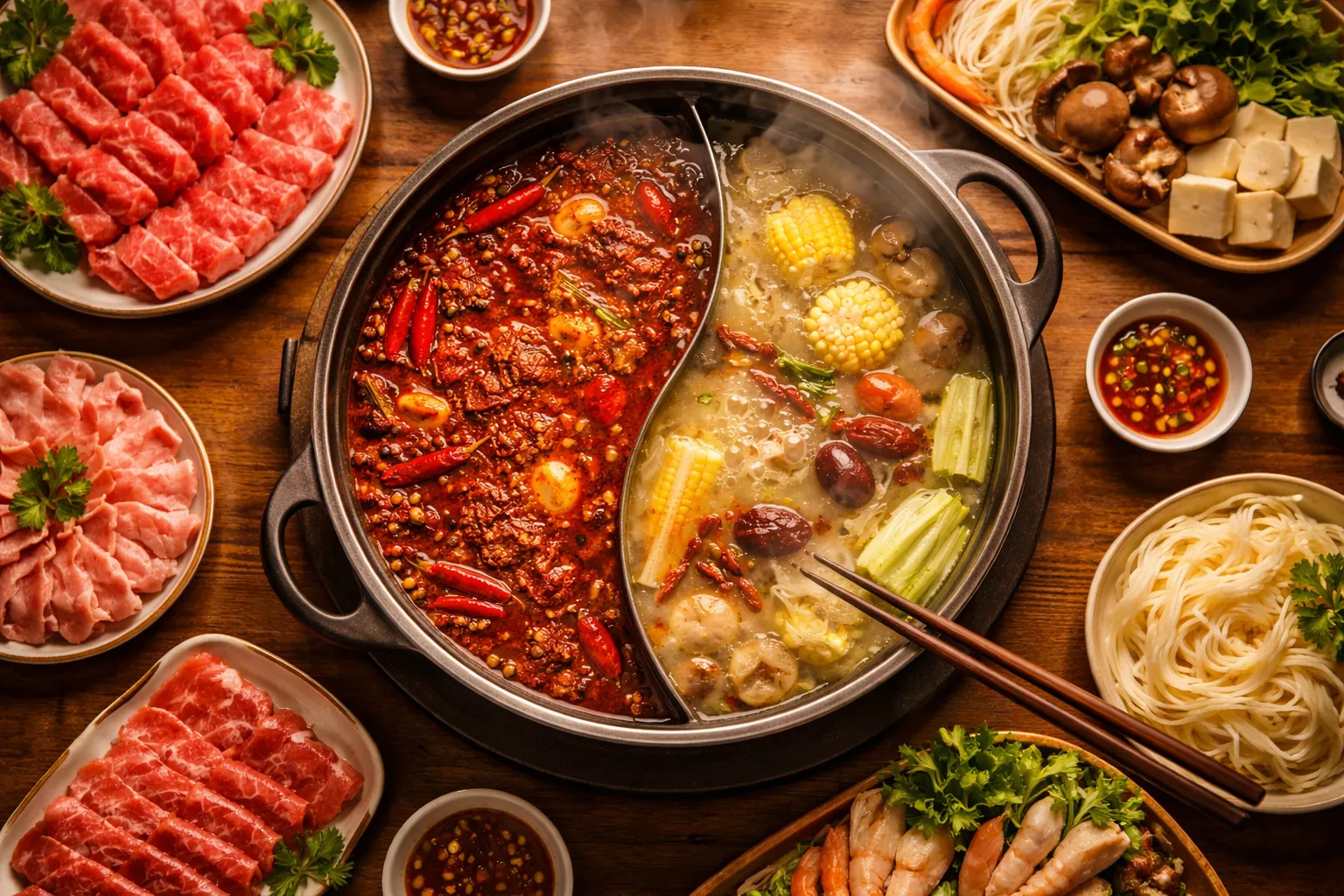
Hot pot is a traditional Chinese dining experience in which a pot of simmering broth is placed at the centre of the table. Diners cook thinly sliced meat, seafood, tofu, mushrooms, leafy vegetables, noodles, and other ingredients directly in the hot liquid.
It is particularly popular during colder months because everyone gathers around the steaming pot and enjoys freshly cooked food throughout the meal.
There are many regional styles of Chinese hot pot. Sichuan hot pot is famous for its spicy and aromatic broth, often prepared with chilli peppers and Sichuan peppercorns. Other versions use mild mushroom, tomato, or herbal broths.
One of the most enjoyable aspects of hot pot is its flexibility. Diners can select their preferred ingredients and cook them according to their taste. Different dipping sauces, including sesame-based and soy-based combinations, add even more flavour.
Hot pot is also a social meal. Friends and family sit together, share ingredients, and enjoy a relaxed dining experience. It is especially associated with family gatherings and celebrations.
Because the meal is prepared at the table, hot pot combines cooking and dining into one activity. Its warmth, variety, and communal nature make it a popular winter tradition in many Chinese communities.
Goulash – Hungary
Goulash is a traditional Hungarian dish known for its rich paprika flavour and hearty consistency. It is commonly prepared with beef, onions, paprika, tomatoes, and other seasonings.
The dish has historical connections with Hungarian herdsmen, who prepared slow-cooked meals using simple ingredients. Over time, goulash became an important part of Hungarian national cuisine.
Traditional Hungarian goulash is often closer to a thick soup than a heavy stew. The paprika gives it its characteristic colour and flavour, while slow cooking allows the meat and vegetables to become tender.
Some recipes include potatoes, carrots, peppers, or small dumplings. The ingredients and thickness can vary depending on regional and family preferences.
Goulash is especially enjoyable during winter because it is served hot and offers a satisfying combination of meat, vegetables, and spices. It is commonly accompanied by bread, which helps soak up the flavourful broth.
The dish is also popular in neighbouring Central European countries, where different versions have developed over time. However, Hungarian goulash remains particularly recognised for its use of paprika.
Its warming qualities and rich flavour make it a classic example of traditional winter cooking.
Fondue – Switzerland
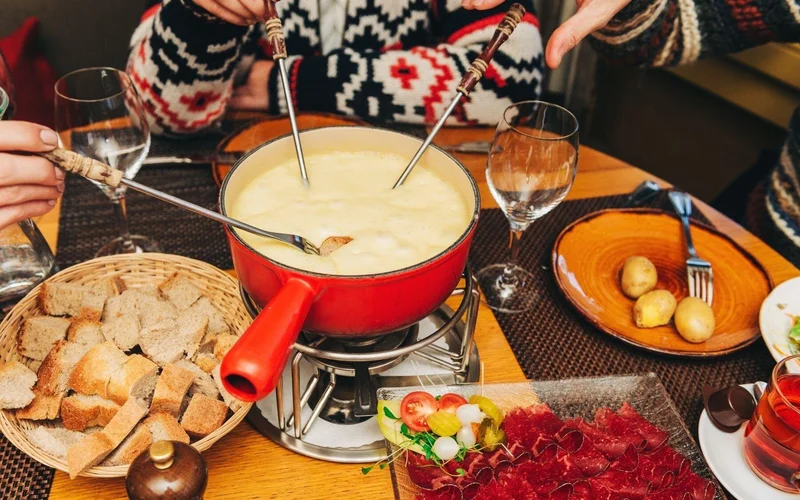
Fondue is a well-known Swiss dish traditionally made by melting cheese in a communal pot. The melted cheese is usually prepared with white wine and seasonings, then kept warm over a small burner so that diners can dip pieces of bread into it.
Common cheese combinations include Gruyère and Vacherin Fribourgeois, although recipes differ between regions and households. Garlic, nutmeg, and a little wine may also be added to enhance the flavour.
Fondue is closely associated with winter in Switzerland, particularly in mountainous areas where warm, filling meals are appreciated after outdoor activities. It is also a popular choice for family dinners and gatherings with friends.
The traditional way to eat fondue involves using long forks to dip small pieces of bread into the melted cheese. Some people also enjoy dipping boiled potatoes or vegetables.
Fondue is not simply about the ingredients. Its communal serving style encourages people to sit together and share the meal at a relaxed pace.
Although cheese fondue is the best-known version, Switzerland also has other fondue varieties, including chocolate fondue and meat fondue. Each offers a different dining experience.
Its creamy texture and shared preparation make cheese fondue a memorable winter favourite.
Kimchi Jjigae – South Korea
Kimchi Jjigae is a traditional Korean stew made primarily with kimchi, the country's famous fermented vegetable preparation. It is commonly cooked with tofu, onions, spring onions, pork, and seasonings such as gochugaru, or Korean chilli flakes.
The stew is known for its spicy, sour, and savoury flavour. As the kimchi simmers, it releases its distinctive taste into the broth, creating a rich and comforting dish.
Kimchi Jjigae is a familiar home-cooked meal in South Korea and is often enjoyed with steamed rice. Many households prepare it using well-fermented kimchi because its deeper flavour works particularly well in a hot stew.
There are different versions depending on the ingredients available and personal preferences. Some recipes use pork, while others include tuna, beef, or seafood. Tofu is frequently added to provide a soft texture and balance the stronger flavours.
During winter, a bubbling pot of Kimchi Jjigae offers warmth and a satisfying combination of vegetables, protein, and spicy broth.
It is often served in a hot stone or earthenware pot, helping the stew remain warm during the meal. Its bold flavour and simple preparation have made it a favourite in Korean homes and restaurants.
Sancocho – Dominican Republic
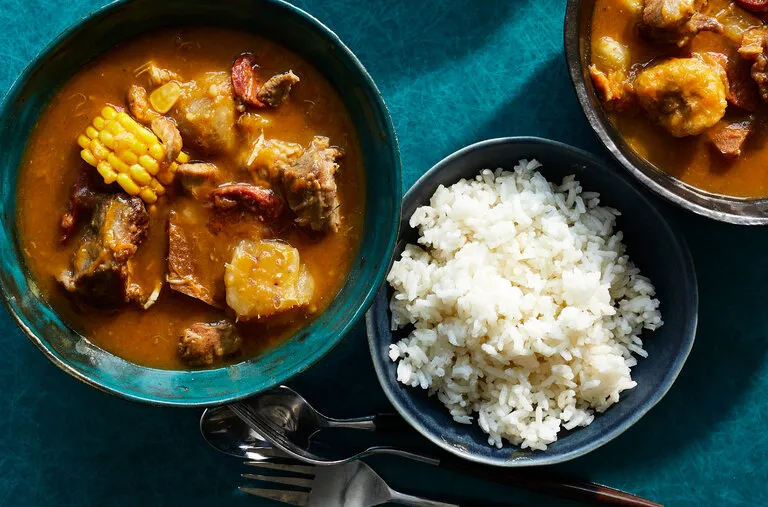
Sancocho is a traditional Caribbean stew enjoyed in several Latin American countries, with a particularly important place in Dominican cuisine. It is a hearty one-pot meal prepared using meat, root vegetables, plantains, and seasonings.
Dominican Sancocho can include several types of meat, such as chicken, beef, and pork. Vegetables and starchy ingredients may include yuca, potatoes, plantains, pumpkin, and other locally available produce.
The ingredients are slowly cooked together in a large pot until the meat becomes tender and the vegetables create a thick, flavourful broth. The result is a filling meal with a combination of textures and savoury flavours.
Sancocho is commonly prepared for family gatherings, celebrations, weekends, and special occasions. It is often served with white rice and sliced avocado, making the meal even more satisfying.
Although the Caribbean has a warm climate, Sancocho is frequently enjoyed as a comforting dish during rainy days and cooler weather. Its popularity is connected not only with temperature but also with the tradition of sharing large meals with family and friends.
The recipe can vary between households, with each family adding its preferred ingredients and seasonings. This flexibility is part of what makes Sancocho such an important traditional dish.
Traditional Winter Dishes Around the World: A Quick Comparison
Different countries use different ingredients, cooking methods, and flavours to prepare comforting winter meals. The following table provides a simple comparison of the ten dishes featured in this guide.
Traditional Dish | Country or Region | Main Ingredients | Common Serving Style |
|---|---|---|---|
Beef Bourguignon | France | Beef, red wine, carrots, mushrooms | With potatoes or bread |
Ramen | Japan | Noodles, broth, meat, eggs | Served hot in a bowl |
Borscht | Ukraine | Beetroot, cabbage, potatoes, carrots | With sour cream and bread |
Irish Stew | Ireland | Lamb or mutton, potatoes, onions | Served hot with bread |
Tamales | Mexico | Corn masa, meat, cheese, chillies | Wrapped and steamed |
Hot Pot | China | Meat, seafood, tofu, vegetables | Cooked and shared at the table |
Goulash | Hungary | Beef, paprika, onions, vegetables | Served with bread |
Fondue | Switzerland | Melted cheese, wine, bread | Shared from a communal pot |
Kimchi Jjigae | South Korea | Kimchi, tofu, pork, seasonings | Served with steamed rice |
Sancocho | Dominican Republic | Meat, plantains, yuca, root vegetables | Served with rice and avocado |
Why Traditional Winter Dishes Are So Popular
Traditional winter dishes remain popular because they offer more than just flavour. They are connected with family traditions, regional ingredients, and the comfort of enjoying a warm meal when temperatures are low.
They Provide Warmth and Comfort
Hot soups, stews, and freshly cooked meals can feel especially satisfying during cold weather. Dishes such as ramen, borscht, and Irish stew are commonly served hot, making them natural choices for winter dining.
Their warm broths and rich flavours create a comforting eating experience that many people associate with home and family.
They Use Seasonal and Local Ingredients
Many traditional winter recipes developed around ingredients that were locally available. Root vegetables, cabbage, potatoes, preserved foods, and meat feature in several winter dishes because they can be stored or used during colder months.
For example, beetroot plays an important role in borscht, while potatoes are central to Irish stew. Kimchi also demonstrates how fermentation can preserve vegetables and provide flavour throughout the year.
They Bring Families Together
Some winter dishes are traditionally prepared in large quantities and shared among several people. Tamales, hot pot, fondue, and Sancocho are particularly associated with communal dining or family gatherings.
Preparing food together can become an important seasonal tradition. It allows family members to share recipes, cooking techniques, and memories.
They Preserve Cultural Traditions
Food is an important part of cultural identity. Traditional recipes often represent the history, agriculture, and lifestyle of a particular region.
A bowl of Hungarian goulash, a serving of Japanese ramen, or a pot of Korean Kimchi Jjigae reflects local ingredients and cooking practices that have developed over generations.
These dishes continue to connect modern households with their culinary heritage.
Tips for Enjoying Traditional Winter Foods at Home
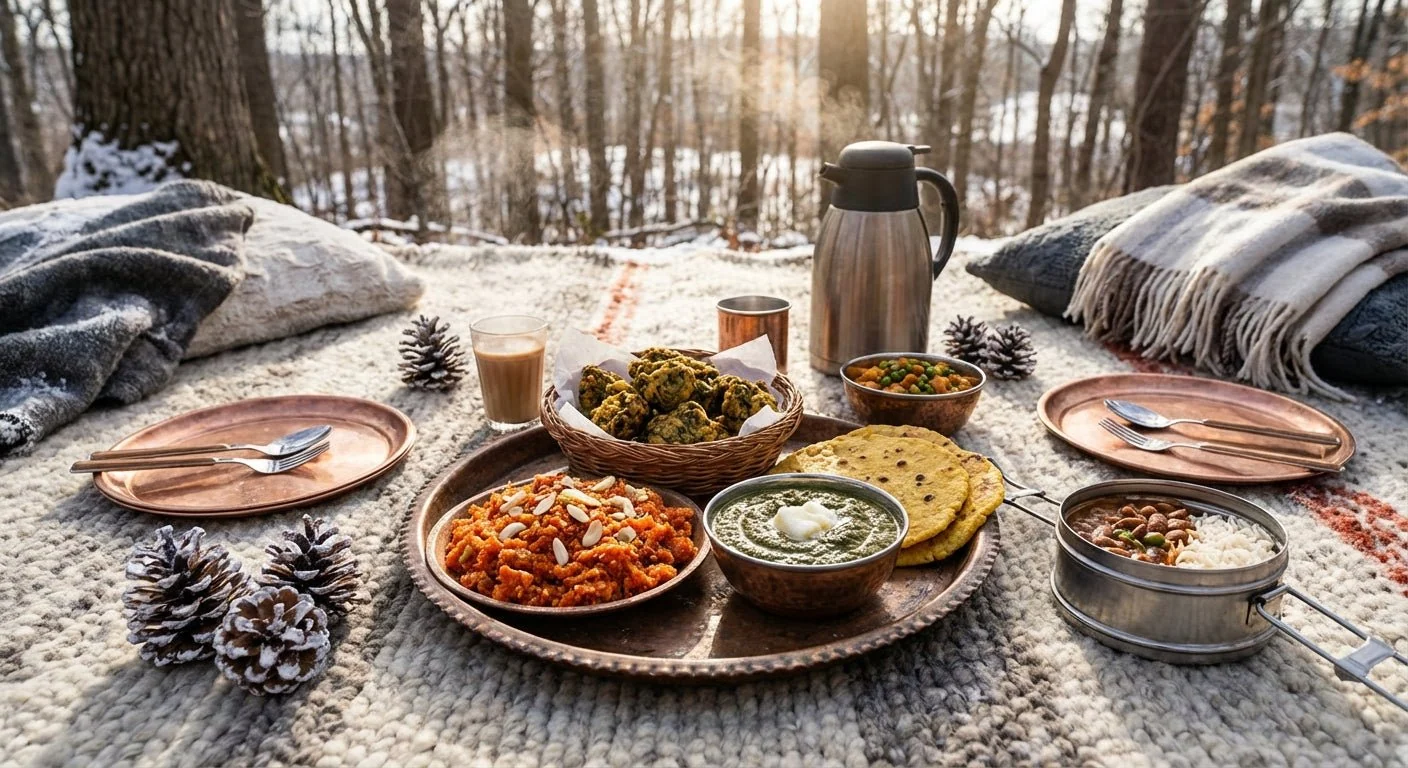
You do not need to travel around the world to experience different winter food traditions. Many of these dishes can be prepared at home using ingredients available in local markets or supermarkets.
Start with a recipe that matches your cooking experience. Simple dishes such as Irish stew or vegetable-based borscht may be easier for beginners, while fondue and hot pot are enjoyable options for shared meals.
Use fresh ingredients wherever possible and adjust spices according to your taste. Some traditional recipes are naturally spicy or rich, so you can modify the seasoning while maintaining the basic character of the dish.
Slow cooking can also improve the flavour of many winter meals. Allowing meat, vegetables, and seasonings to simmer together gives the ingredients time to develop a deeper taste.
For dishes that require special ingredients, look for suitable alternatives without changing the entire cooking method. For example, different vegetables can be used in a stew, while vegetarian ingredients can replace meat in some soups.
Most importantly, enjoy these meals as part of a relaxed dining experience. Serve them warm, share them with family or friends, and explore the traditions behind each recipe.
How to use this guide
Start with the outcome. Decide what you need from 10 traditional winter dishes people enjoy around the world.
Check the important details. Review the examples, warnings, and linked resources.
Take action. Apply the best option and save the result for later use.
FAQ's
France, Japan, Ukraine, Ireland, Mexico, China, Hungary, Switzerland, South Korea, and the Dominican Republic are known for traditional dishes that people enjoy during colder weather or seasonal gatherings.
Ramen is a popular Japanese dish enjoyed during winter. It features wheat noodles served in hot broth with toppings such as eggs, meat, vegetables, and spring onions.
Some popular traditional winter dishes include French Beef Bourguignon, Japanese Ramen, Ukrainian Borscht, Irish Stew, Mexican Tamales, Chinese Hot Pot, and Swiss Fondue.
Chinese Hot Pot, Mexican Tamales, Swiss Fondue, and Dominican Sancocho are excellent choices for family gatherings because they encourage sharing and communal dining.
Hot soups and stews provide warmth and comfort during cold weather. They also combine vegetables, meat, spices, and broths into satisfying meals.
Sources and notes
Links the author listed for this post.
This article is based on general culinary knowledge, traditional recipes, regional food customs, and publicly available information about international cuisines and winter food traditions. Recipes and ingredients may vary across regions and households.
More on AltFTool
- AltFTool (opens in a new tab)
altftool.com


Discussion
0 comments