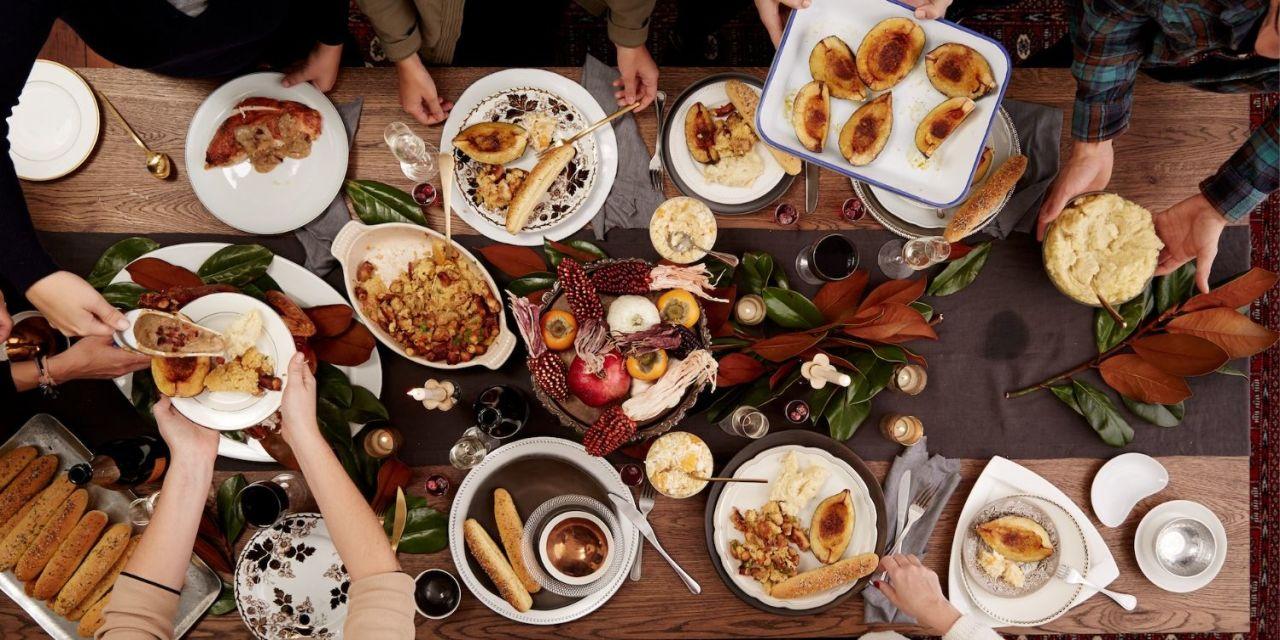
Thanksgiving is one of those celebrations where food brings people together in a special way. As families gather around the dining table, the smell of roasted turkey, freshly baked pies, warm stuffing, and delicious side dishes fills the home. Every dish has its own place in the celebration, and many of these recipes carry stories that go back generations.
For many Americans, Thanksgiving dinner is about much more than enjoying a good meal. It is a time to reconnect with family, remember old traditions, express gratitude, and create new memories. Some dishes are connected to early harvest celebrations, while others became popular through changing food habits and family customs.
But have you ever wondered why turkey became the centrepiece of Thanksgiving dinner? Or why pumpkin pie, cranberry sauce, and mashed potatoes are such familiar favourites?
Let's explore 10 traditional Thanksgiving foods and discover the interesting stories behind them.
1. Roast Turkey: The Centrepiece of Thanksgiving Dinner
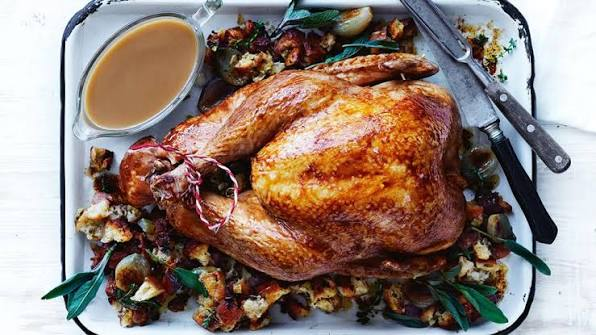
No Thanksgiving dinner feels quite complete without a beautifully roasted turkey placed in the centre of the table. For many families, preparing the turkey is one of the most important parts of the holiday.
Turkey has become closely associated with Thanksgiving because it is a large bird that can feed an entire family. It also became a practical choice as turkey farming and distribution expanded across the United States.
The connection between turkey and the first Thanksgiving in 1621 is often discussed, but historical records do not confirm that roast turkey was served at that gathering. Accounts of the event mention wildfowl and venison, among other foods.
Over time, turkey became a popular Thanksgiving tradition. By the 19th century, it was increasingly associated with the holiday, helped by cookbooks, household traditions, and changing food culture.
Today, families prepare turkey in different ways. Some prefer traditional oven-roasted turkey with herbs and butter, while others enjoy smoked, fried, or stuffed versions.
Why it matters: Turkey represents the familiar centrepiece of Thanksgiving and the tradition of sharing a generous meal with loved ones.
2. Stuffing: A Dish That Makes Every Turkey Meal Special
Stuffing is one of the most loved side dishes on a Thanksgiving table. Made with bread cubes, onions, celery, herbs, and seasonings, it adds a comforting flavour to the meal.
The idea of stuffing food is much older than Thanksgiving itself. Cooks in different parts of the world have prepared stuffed meat and vegetables for centuries. Bread-based mixtures became especially useful because they could make a meal more filling while adding flavour and texture.
Traditional American stuffing often includes sage, thyme, butter, celery, and onion. Some families add sausage, apples, dried cranberries, or nuts to create their own version.
There is also a small difference in terminology. When the mixture is cooked inside the turkey, it is generally called stuffing. When it is prepared separately in a baking dish, many people call it dressing. However, the names can vary by region and family tradition.
Why it matters: Stuffing reflects the creativity of home cooking, where simple ingredients become a memorable part of a special meal.
3. Mashed Potatoes: A Comfort Food Everyone Loves
Soft, creamy mashed potatoes are a Thanksgiving favourite in many American households. Prepared with boiled potatoes, butter, milk, cream, and seasoning, they are often served alongside turkey and gravy.
Potatoes originated in the Andes region of South America and were cultivated by Indigenous communities long before they became popular in Europe and North America. They eventually became an important food crop in many countries because they were affordable, filling, and versatile.
Mashed potatoes became a familiar comfort food as potato farming and home cooking traditions developed. Their popularity grew because they could easily be prepared in large quantities and paired with different main dishes.
Some families like their mashed potatoes smooth and creamy, while others prefer a slightly chunky texture. Garlic, cheese, sour cream, and fresh herbs are also popular additions.
Why it matters: Mashed potatoes show how a simple, everyday ingredient can become an essential part of a festive family meal.
4. Cranberry Sauce: A Sweet and Tangy Thanksgiving Favourite
Cranberry sauce adds a bright, tangy flavour to Thanksgiving dinner. Its sweet-and-sour taste balances rich dishes such as roasted turkey, stuffing, and mashed potatoes.
Cranberries are native to North America and were used by Indigenous communities for food, medicine, and other purposes. They were also valued for their ability to be stored and preserved.
The exact cranberry dishes served at the 1621 harvest gathering are not documented. However, cranberries were available in parts of North America, making them an important ingredient in regional food traditions.
Modern cranberry sauce became easier to prepare as commercial cranberry production expanded. In the early 20th century, canned cranberry sauce helped make the dish convenient for households across the country.
Today, some people prefer the smooth, jellied version, while others make homemade cranberry sauce with fresh berries, sugar, and orange zest.
Why it matters: Cranberry sauce connects Thanksgiving meals with a native North American fruit that has a long history of use.
5. Pumpkin Pie: A Sweet Taste of Autumn
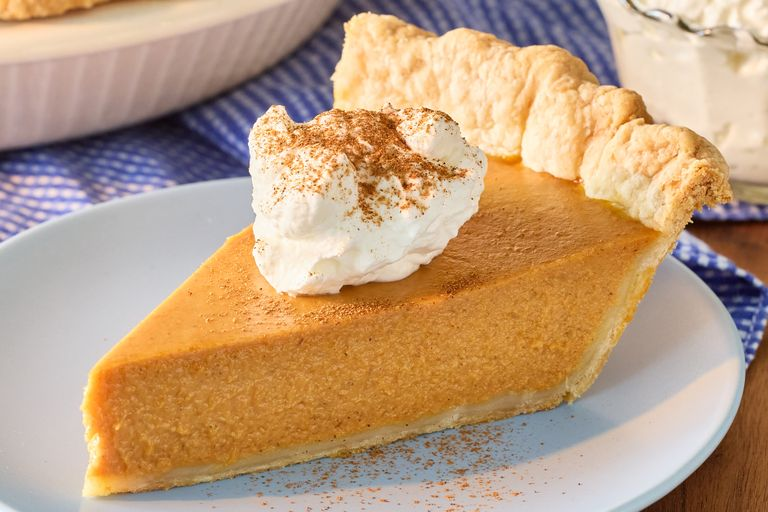
Pumpkin pie is one of the most recognisable Thanksgiving desserts. Its creamy filling, warm spices, and buttery crust make it a favourite during the autumn season.
Pumpkins and other squash varieties were cultivated by Indigenous peoples in the Americas thousands of years ago. They were important food sources because they could be stored and used in different recipes.
However, the pumpkin pie enjoyed today was not necessarily part of the first Thanksgiving meal. Early European settlers adapted local ingredients and cooking methods over time. Pumpkin-based desserts gradually developed into more familiar pie recipes.
By the 18th and 19th centuries, pumpkin pie had become increasingly popular in American cookbooks and household kitchens. It eventually earned a permanent place on many Thanksgiving tables.
The filling is usually made with pumpkin puree, eggs, milk or cream, sugar, cinnamon, nutmeg, ginger, and other spices.
Why it matters: Pumpkin pie celebrates autumn harvest ingredients and the long tradition of seasonal baking.
6. Green Bean Casserole: A Modern Thanksgiving Classic
Unlike some Thanksgiving dishes with older agricultural roots, green bean casserole is a relatively modern addition to the holiday menu.
The dish was created in 1955 by Dorcas Reilly, who worked in the Campbell Soup Company's home economics department. The original recipe combined green beans, cream of mushroom soup, and crispy fried onions.
It was developed as an easy recipe using convenient ingredients that many American households could find in their kitchens.
Its popularity grew quickly because it was simple to prepare, affordable, and suitable for serving a large group. The combination of creamy sauce and crunchy onion topping made it a hit with families.
Today, people prepare green bean casserole in several ways. Some follow the original recipe, while others use fresh mushrooms, homemade sauce, cheese, or different seasonings.
Why it matters: Green bean casserole represents the changing nature of Thanksgiving food and how modern convenience foods can become lasting family traditions.
7. Sweet Potato Casserole: A Sweet and Savoury Tradition
Sweet potato casserole is another popular Thanksgiving side dish. It is usually prepared with mashed sweet potatoes, butter, sugar, and warm spices. Some recipes include a marshmallow topping, while others use pecans or a crunchy brown sugar mixture.
Sweet potatoes have a long history in the Americas and were cultivated by Indigenous communities before European colonisation. They later became especially important in Southern American cooking.
The casserole-style dish developed as home cooks began combining sweet potatoes with ingredients such as sugar, butter, and spices. Over time, different regions and families created their own versions.
The marshmallow-topped version became particularly popular during the 20th century. Marshmallows added a soft, sweet topping that made the dish feel more like a dessert while still being served alongside the main meal.
Why it matters: Sweet potato casserole reflects Southern American food traditions and the way families adapt recipes to suit their tastes.
8. Cornbread: A Food With Deep Indigenous Roots
Corn has played an important role in the food history of North America for thousands of years. Indigenous communities cultivated maize and developed many ways to prepare it, including breads, porridges, and other dishes.
Cornbread became an important part of American cooking because cornmeal was widely available and could be used in affordable, filling recipes.
Traditional cornbread is made with cornmeal, flour, milk or buttermilk, eggs, and baking ingredients. Some versions are soft and slightly sweet, while others have a crisp crust and a more savoury flavour.
At Thanksgiving, cornbread may be served as a side dish or used as the main ingredient in cornbread dressing. Recipes often include celery, onions, herbs, and broth.
Its ingredients and preparation vary by region, especially between Northern and Southern American cooking traditions.
Why it matters: Cornbread reflects the importance of maize in Indigenous food history and its lasting influence on American cuisine.
9. Dinner Rolls: Small Breads With a Big Place at the Table
Warm dinner rolls may seem like a simple addition to Thanksgiving dinner, but they are an important part of the traditional meal for many families.
Bread has been a basic part of meals across cultures for centuries. In the United States, soft dinner rolls became popular through home baking traditions and the development of commercial bakeries.
At Thanksgiving, rolls are often served warm with butter. Some families make them from scratch, while others prefer convenient refrigerated or bakery versions.
Dinner rolls are also useful for making small turkey sandwiches with leftover meat, stuffing, and cranberry sauce the following day.
Different families have their own favourites, including buttery rolls, potato rolls, whole-wheat rolls, and slightly sweet yeast breads.
Why it matters: Dinner rolls represent the simple pleasure of sharing bread and making sure everyone has something familiar to enjoy.
10. Pecan Pie: A Southern Dessert With a Rich History
Pecan pie is a popular Thanksgiving dessert, particularly in the Southern United States. Its rich filling, sweet flavour, and crunchy pecan topping make it a favourite for people who enjoy traditional holiday desserts.
Pecans are native to North America and were used by Indigenous communities long before European settlers arrived. The nuts were valued as a food source because they were nutritious and could be stored.
Pecan pie as we know it developed much later. Recipes for pecan-based pies appeared in American cookbooks during the 19th century, while the dessert became especially popular in the South during the 20th century.
Modern pecan pie commonly includes pecans, eggs, butter, sugar, and a sweet syrup-based filling. Some recipes add vanilla, chocolate, or bourbon for extra flavour.
It is often served with whipped cream or vanilla ice cream, making it a delicious ending to a Thanksgiving meal.
Why it matters: Pecan pie highlights a native North American ingredient and the influence of Southern cooking on Thanksgiving traditions.
How Thanksgiving Food Traditions Have Changed Over Time
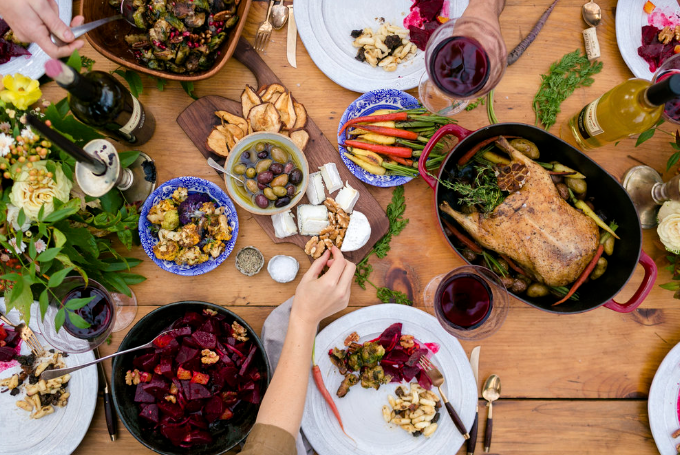
Thanksgiving dinner has changed considerably over the years. The meal people enjoy today is not an exact recreation of the 1621 harvest gathering.
Early meals were shaped by locally available ingredients, seasonal harvests, and the food traditions of different communities. As American cooking developed, new recipes and ingredients became part of holiday celebrations.
Some dishes, such as turkey, cranberry sauce, and pumpkin-based desserts, became closely associated with Thanksgiving over time. Others, including green bean casserole, reflect the influence of 20th-century convenience cooking.
Family traditions have also played a major role. A household may serve traditional turkey and pumpkin pie, while another may prepare vegetarian dishes, regional specialities, or recipes passed down through generations.
Today, Thanksgiving menus continue to evolve. Many families include plant-based alternatives, international flavours, and recipes inspired by their cultural backgrounds.
The most important part is not following a fixed menu. It is sharing food, spending time together, and appreciating the people and experiences that make the holiday meaningful.
Tips for Planning a Traditional Thanksgiving Dinner
Preparing a Thanksgiving meal can feel like a big task, especially when several dishes need to be ready at the same time. A little planning can make the experience much easier.
Here are a few practical tips:
Plan your menu early: Decide which dishes you want to serve and make a shopping list before the holiday.
Prepare dishes in advance: Cranberry sauce, pie crusts, and some casseroles can often be prepared ahead of time.
Check cooking times: Plan when each dish needs to go into the oven so everything is ready around the same time.
Include different food preferences: Offer vegetarian sides and alternatives for guests with dietary restrictions.
Ask family members to contribute: Sharing cooking responsibilities can make the celebration more enjoyable.
Make use of leftovers: Turkey, vegetables, and stuffing can be turned into sandwiches, soups, and other meals.
Remember, a successful Thanksgiving dinner does not need to be perfect. A welcoming table and good company matter far more than preparing every dish from scratch.
Final Thoughts
Thanksgiving food tells a story that goes beyond recipes and ingredients. From roast turkey and cranberry sauce to pumpkin pie and cornbread, each dish reflects different parts of North American food history and changing family traditions.
Some recipes have roots in Indigenous agriculture, while others became popular through regional cooking, commercial food products, and generations of home cooks. Together, they have helped shape the Thanksgiving dinner many people recognise today.
Whether you prepare a complete traditional meal or choose only a few favourite dishes, Thanksgiving is a wonderful opportunity to share food, appreciate loved ones, and create memories around the table.
After all, the best part of Thanksgiving is not simply what is served on the plate. It is the people who gather around it.
FAQ's
Roast turkey, stuffing, mashed potatoes, cranberry sauce, pumpkin pie, green bean casserole, sweet potato casserole, cornbread, dinner rolls, and pecan pie.
Turkey became popular because it is large enough to feed families and gradually became a Thanksgiving tradition.
Corn, squash, and other locally available foods have deep roots in Indigenous American food traditions.
Pumpkin pie became a seasonal favourite because pumpkins are associated with autumn harvests and traditional American cooking.
Cranberry sauce, pumpkin pie, stuffing, casseroles, and dinner rolls can often be prepared ahead of time.
Sources and notes
Links the author listed for this post.
This article is based on historical and culinary information from trusted resources, including the Smithsonian Institution, National Museum of the American Indian, Library of Congress, National Archives, and Campbell's Soup Company.


Discussion
0 comments