
Tennis is a sport that combines physical fitness, coordination, concentration, technique, and strategy. Whether someone is picking up a racket for the first time or competing in regular tournaments, having the right equipment can make a noticeable difference in their playing experience. Tennis equipment is not simply about choosing expensive rackets or fashionable accessories. It is about finding products that match a player's skill level, physical ability, playing style, and personal comfort.
Explore AltFTool for useful online tools and digital resources that help tennis players research equipment, compare options, and make informed choices.
Different players have different requirements. Beginners usually need lightweight and forgiving equipment that makes learning basic techniques easier. Intermediate players often look for better control, stability, and consistency as their skills develop. Advanced players generally prefer equipment that supports their individual playing style, shot selection, and competitive performance.
Choosing suitable tennis equipment can also help players develop confidence and enjoy the game. A racket with an appropriate grip size, comfortable tennis shoes, suitable strings, and the right accessories can support better movement and more consistent practice.
Understanding how equipment works at different stages of development helps players make practical decisions instead of purchasing products based only on appearance or popularity.
Understanding the Importance of the Right Tennis Equipment
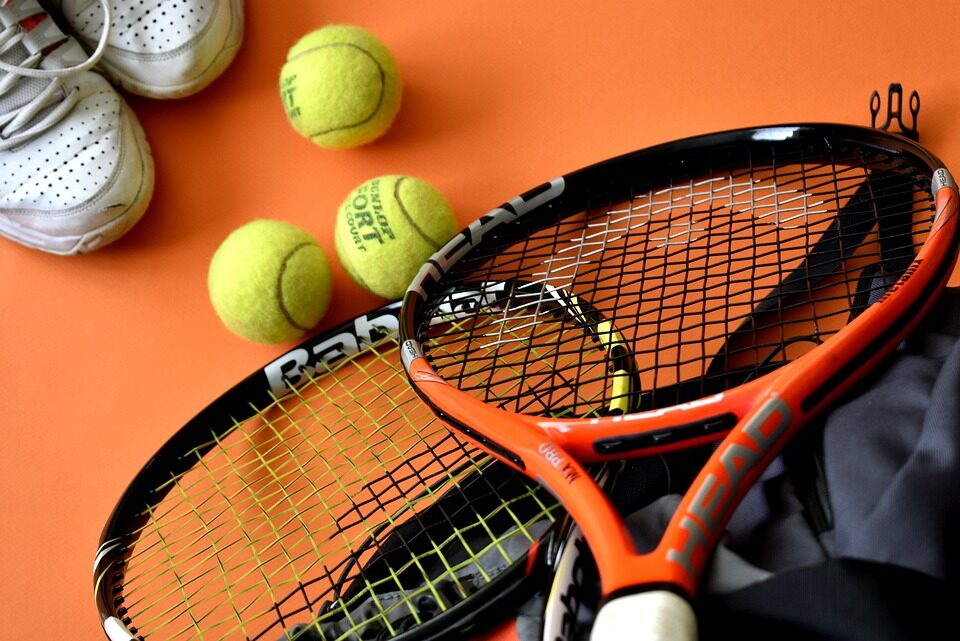
Tennis equipment directly influences how players interact with the court and the ball. A racket affects shot control, power, and manoeuvrability, while footwear influences movement, balance, and stability. Accessories such as grips, strings, wristbands, and tennis bags also contribute to comfort and convenience.
Using equipment that does not match a player's requirements can make learning more difficult. For example, a racket that is too heavy may be challenging for a beginner to handle, while unsuitable shoes may affect movement during quick changes of direction.
The right equipment should support natural movement rather than force players to adjust their technique unnecessarily. Comfort, proper sizing, and ease of use are therefore important considerations.
Equipment also needs to change as players improve. A beginner may initially benefit from a larger racket head and a lightweight frame, but an experienced player may prefer a racket that offers greater precision and stability.
Choosing the Right Tennis Racket for Different Skill Levels
The tennis racket is one of the most important pieces of equipment for any player. Its weight, head size, balance, frame construction, and string pattern influence how it feels during play.
However, there is no single racket that works perfectly for everyone. The ideal choice depends on a player's experience, strength, technique, and playing preferences.
Tennis Rackets for Beginners
Beginners are still learning how to hold the racket, position themselves, and make consistent contact with the ball. At this stage, equipment should make these basic skills easier to practise.
A lightweight racket is often a practical starting point because it is easier to manoeuvre and generally requires less physical effort. Beginners may also benefit from a larger racket head, which provides a bigger hitting area and can make it easier to connect with the ball.
A comfortable grip size is equally important. If the grip is too large or too small, players may struggle to control the racket naturally.
Beginners should focus on comfort, handling, and ease of learning rather than choosing a racket because a professional player uses a similar model.
Tennis Rackets for Intermediate Players
Intermediate players usually have a better understanding of their playing style. They may be more comfortable with different types of shots, rallies, and court positioning.
As their technique develops, they may begin looking for a racket that provides a balance between power and control.
Some intermediate players prefer slightly heavier rackets because they can offer greater stability during ball contact. Others may choose a racket with a different balance or string pattern to suit their preferred style.
At this stage, testing different rackets can help players understand which features support their developing technique.
Tennis Rackets for Advanced Players
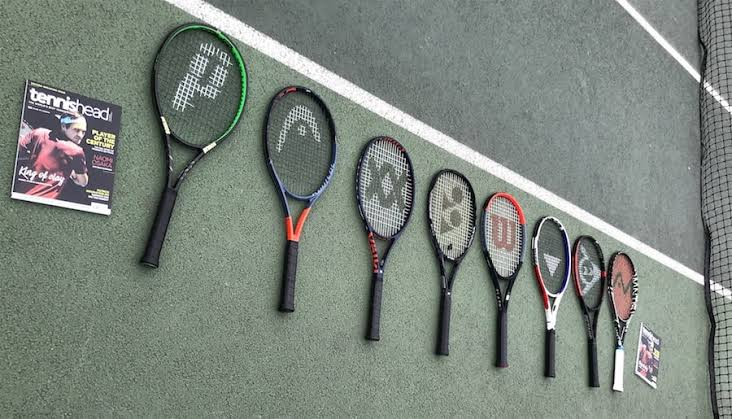
Advanced players generally have more developed techniques, better timing, and greater control over their shots. Their equipment preferences are often based on specific performance requirements.
Some advanced players prefer control-oriented rackets that support precise shot placement. Others look for additional power, spin potential, or stability during aggressive rallies.
Racket weight, balance, head size, and string configuration become more important because small differences in equipment can influence how a racket responds during play.
Experienced players should consider their strengths, physical condition, and preferred playing style before making a final selection.
How Tennis Shoes Support Movement and Stability
Tennis involves frequent movement in different directions. Players sprint, stop suddenly, change direction, move sideways, and recover their position after hitting the ball.
Regular running shoes are not always suitable for these movements because tennis requires different types of support. Tennis shoes are designed with court movement in mind and generally provide features that support lateral stability, traction, and durability.
Beginners should look for comfortable shoes that provide a secure fit and adequate support. Shoes that feel uncomfortable or unstable can make practice sessions less enjoyable.
Intermediate players may need footwear that supports longer sessions and more frequent movement. Cushioning, outsole durability, and stability become important considerations.
Advanced players often choose shoes based on their playing surface, movement patterns, and preferred level of support.
Selecting Shoes According to Court Surface
Different tennis courts create different movement conditions. Hard courts, clay courts, and grass courts have different surfaces, which influence traction and footwear requirements.
Court Surface | Shoe Requirements | Main Benefit | Important Consideration |
|---|---|---|---|
Hard Court | Durable outsole and cushioning | Supports frequent movement | Outsole wear |
Clay Court | Herringbone-style tread | Helps with controlled sliding | Clay-resistant tread |
Grass Court | Suitable grip and surface-specific sole | Supports movement on grass | Traction and stability |
Multi-Surface | Versatile outsole design | Suitable for different courts | Surface compatibility |
Choosing footwear according to the court surface can improve comfort and help players move with greater confidence.
Understanding Tennis Strings and Their Impact on Performance
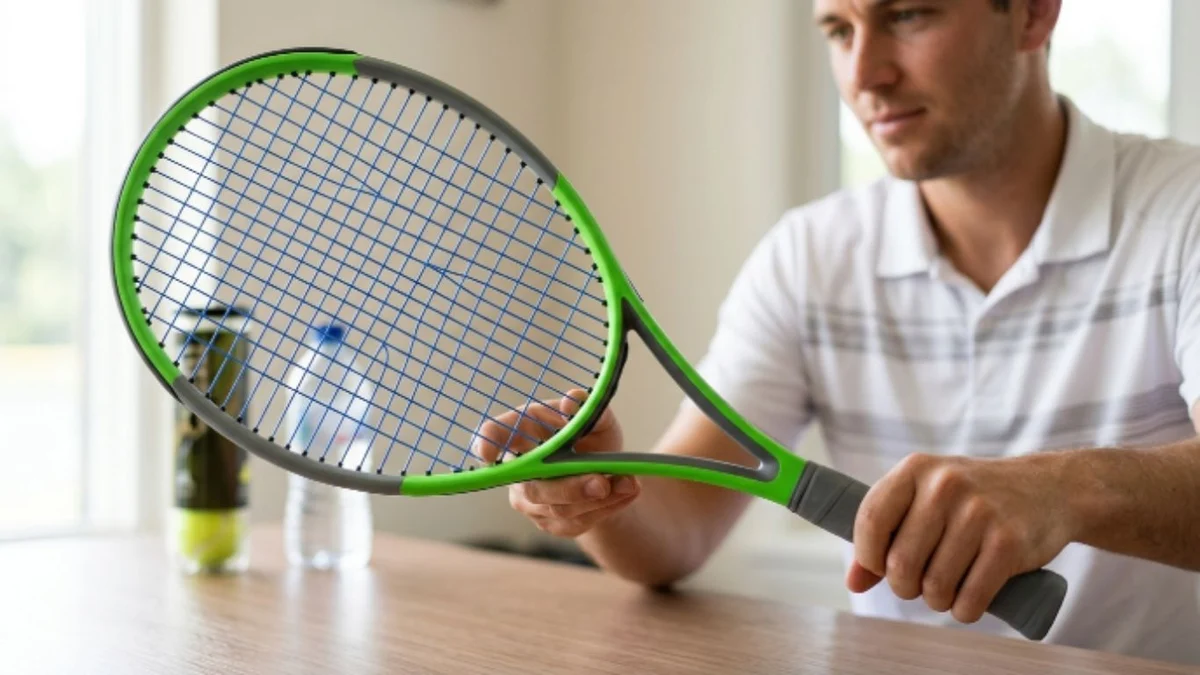
Tennis strings are another important part of racket performance. They influence how the ball responds when it makes contact with the racket.
Different string materials and tensions can produce different playing experiences. Some strings are designed to offer durability, while others focus on comfort, control, or spin potential.
Beginners generally benefit from a comfortable string setup that does not feel excessively stiff. Their main focus should be learning basic strokes and developing consistency.
Intermediate players may start experimenting with string materials and tension as they understand their preferences. Some may prefer additional control, while others may want a more comfortable response.
Advanced players often pay closer attention to string tension and material because these factors can influence the feel of individual shots.
Common Types of Tennis Strings
Synthetic Gut Strings
Synthetic gut strings are commonly used by recreational players because they offer a practical balance of comfort, performance, and affordability. They can be suitable for players who want a straightforward string setup.
Multifilament Strings
Multifilament strings are constructed using numerous smaller fibres. They are generally selected for their comfortable feel and can be useful for players who prefer a softer string response.
Polyester Strings
Polyester strings are popular among players who generate their own racket-head speed and want greater control and spin potential. They can feel firmer than other string types, so players should consider comfort when selecting them.
Natural Gut Strings
Natural gut strings are known for their comfort, elasticity, and performance characteristics. They are often chosen by experienced players who have specific preferences, although their cost and maintenance requirements may be higher.
Selecting the Correct Tennis Grip Size
Grip size affects how comfortably a player can hold and control a racket. A grip that is too small may encourage excessive gripping, while an oversized grip can make racket handling difficult.
Beginners should pay particular attention to grip comfort because they are still developing their racket-handling technique.
Intermediate players may have a clearer understanding of their preferred grip size, while advanced players often select grips based on detailed personal preferences.
A properly fitted grip should allow the player to hold the racket securely without unnecessary tension.
Grip Consideration | Small Grip | Suitable Grip | Large Grip |
|---|---|---|---|
Hand Comfort | May feel loose | Generally comfortable | May feel bulky |
Racket Handling | Can require extra gripping effort | Supports natural handling | May restrict movement |
Control | Can feel less secure | Supports comfortable control | May reduce flexibility |
Selection Advice | Check hand measurements | Prioritise natural fit | Avoid forced gripping |
Players should check manufacturer sizing guidance or ask a qualified tennis coach or equipment specialist when unsure about grip selection.
The Role of Tennis Balls in Player Development
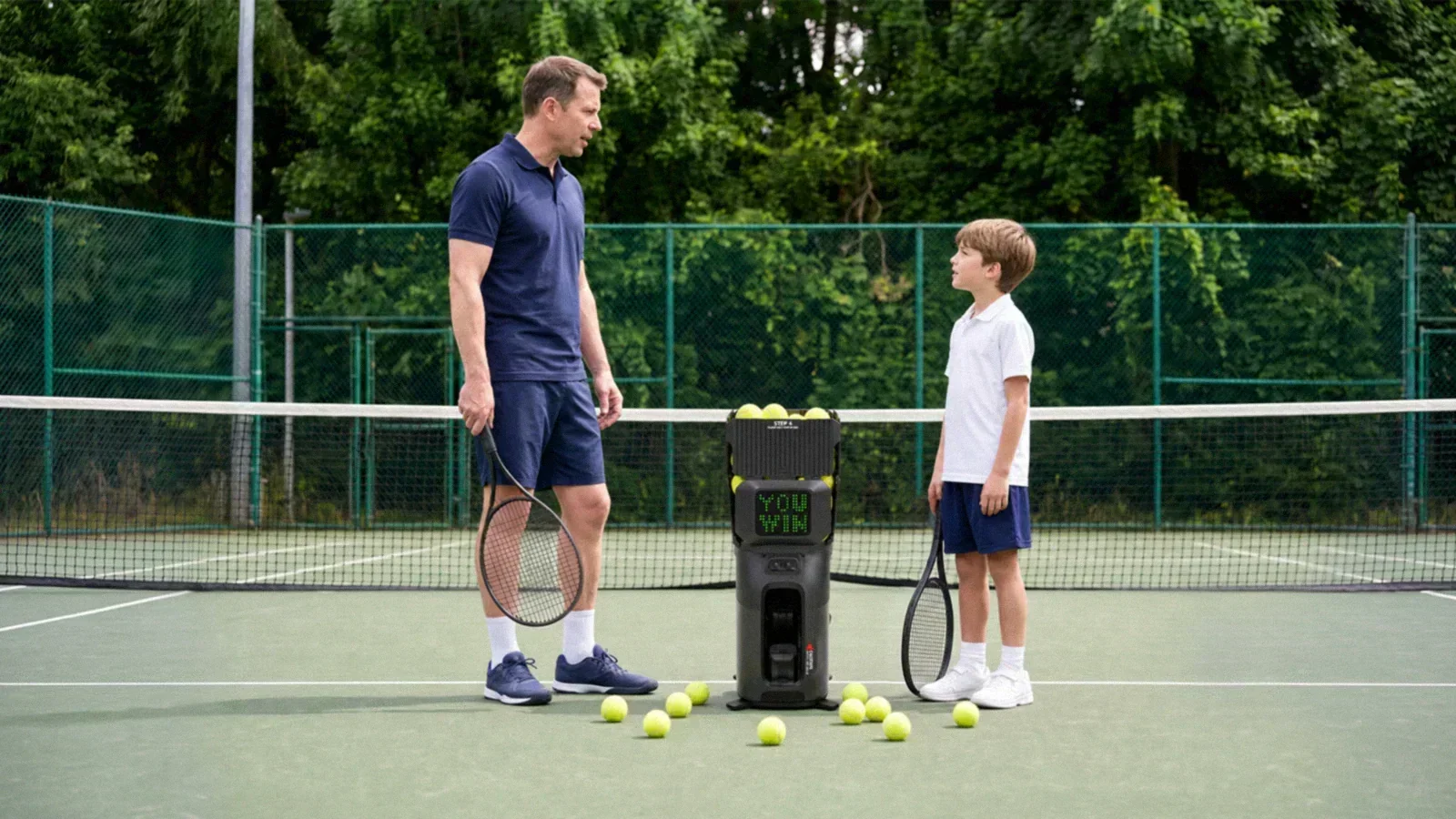
Tennis balls may appear simple, but choosing the correct type can make a significant difference, particularly for beginners.
Different balls are designed for different playing conditions and levels of development. Some beginner-friendly balls travel more slowly and bounce lower, giving new players additional time to position themselves and practise their strokes.
As players improve, they can gradually move towards standard tennis balls that offer the speed and bounce commonly used in regular recreational and competitive matches.
Types of Tennis Balls
Red Stage Balls
Red balls are designed for younger beginners and early-stage learning. They move more slowly and have a lower bounce, making it easier to practise basic coordination and ball control.
Orange Stage Balls
Orange balls are generally faster than red balls but slower than standard tennis balls. They can support players who are developing their strokes and learning to manage longer rallies.
Green Stage Balls
Green balls are closer to standard tennis balls in performance but are designed to provide a slightly more manageable playing experience for developing players.
Standard Tennis Balls
Standard tennis balls are commonly used in regular recreational matches, training sessions, and competitive play. They are appropriate for players who are comfortable managing the normal speed and bounce of the game.
Tennis Clothing and Accessories for Better Comfort
Clothing and accessories may not directly determine how well someone plays, but they can make practice and matches more comfortable.
Tennis involves continuous movement, and players often spend extended periods on the court. Clothing that allows movement and helps manage sweat can support a more comfortable playing experience.
Breathable sportswear, flexible shorts, comfortable skirts, and lightweight tennis shirts are common choices.
Accessories such as wristbands, caps, socks, and towels can also be useful during training sessions.
Important Tennis Accessories
Wristbands: Help absorb sweat and keep hands comfortable during play.
Headbands: Help manage sweat around the forehead.
Sports Socks: Provide cushioning and help reduce friction inside tennis shoes.
Caps and Visors: Offer protection from sunlight during outdoor matches.
Towels: Help players manage sweat between games.
Overgrips: Improve racket handling and can absorb moisture.
Water Bottles: Make it easier to maintain hydration during practice.
Tennis Bags: Keep rackets, shoes, clothing, and accessories organised.
Players should select accessories based on their actual needs rather than purchasing every available product.
How Tennis Equipment Requirements Change With Experience
Equipment requirements often change as players become more confident and improve their skills. Beginners usually need simple, comfortable products, while advanced players may require specialised equipment that matches their individual techniques.
Understanding these differences can prevent unnecessary spending and help players choose equipment that supports their development.
Equipment | Beginner Requirements | Intermediate Requirements | Advanced Requirements |
|---|---|---|---|
Racket | Lightweight and forgiving | Balanced power and control | Specific performance characteristics |
Shoes | Comfort and basic stability | Support and durability | Surface-specific performance |
Strings | Comfortable setup | Customisable feel | Precise tension and material choices |
Tennis Balls | Slower training balls | Transition-stage balls | Standard competition balls |
Grip | Comfortable and secure | Personalised sizing | Specific grip preferences |
Accessories | Basic essentials | Training convenience | Performance and match preparation |
This comparison shows why equipment selection should be based on playing experience rather than price or brand reputation.
How Budget Influences Tennis Equipment Selection
Tennis equipment is available at different price levels, making it possible for players to start the sport without purchasing professional-grade products.
Beginners do not necessarily need expensive rackets, specialised strings, or large collections of accessories. A comfortable racket, suitable shoes, appropriate tennis balls, and basic sportswear are usually enough to begin learning.
Intermediate players may decide to invest in equipment that supports more frequent training. For example, they might consider better-quality tennis shoes, a racket with more suitable specifications, or a personalised string setup.
Advanced players may have more specialised requirements, but higher prices do not automatically guarantee better performance.
A sensible equipment budget should consider how often someone plays, how much they want to improve, and which products genuinely make a difference to their experience.
Practical Ways to Manage Tennis Equipment Costs
Start with essential equipment instead of purchasing everything at once.
Compare racket specifications rather than focusing only on brand names.
Choose tennis shoes according to court surface and playing frequency.
Replace worn-out grips and strings when necessary.
Look for durable equipment that offers long-term value.
Avoid purchasing advanced equipment before understanding personal playing requirements.
Maintain rackets, shoes, and accessories to extend their useful life.
The Importance of Equipment Maintenance
Even high-quality tennis equipment needs proper care. Regular maintenance helps preserve its condition and allows players to use their products comfortably for longer.
Rackets should be stored in a suitable tennis bag and protected from extreme temperatures. Excessive heat can affect racket materials and string performance.
Players should also inspect their strings regularly. Frayed or damaged strings may need replacement, depending on how frequently the racket is used.
Tennis shoes should be cleaned after playing, particularly when used on clay or outdoor courts. Removing dirt and allowing shoes to dry properly can help maintain their condition.
Grips and overgrips should be replaced when they become worn, slippery, or uncomfortable.
Tennis balls also lose pressure and bounce over time. Players who practise regularly should check whether their balls still provide a suitable playing experience.
Common Mistakes to Avoid When Buying Tennis Equipment
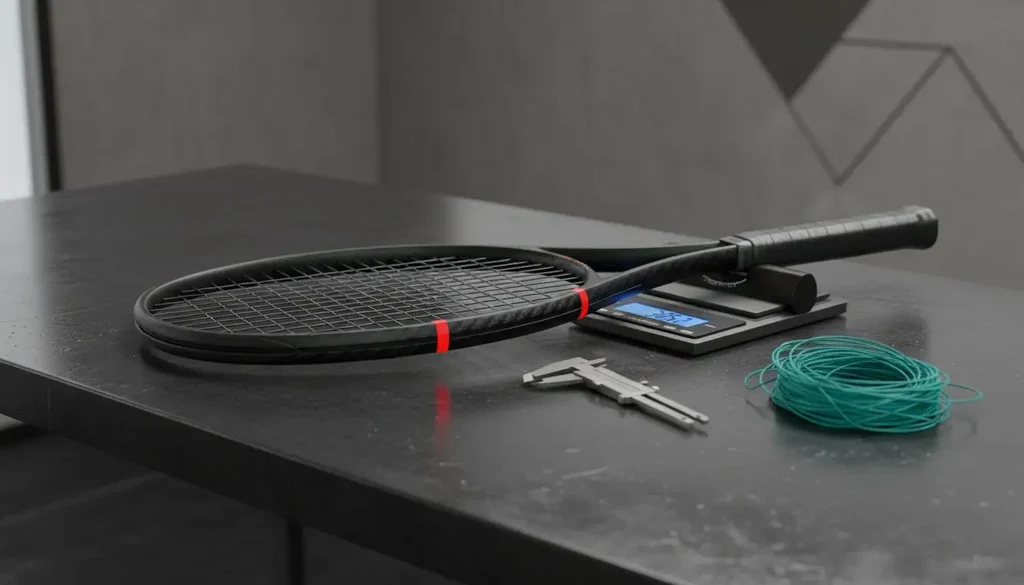
Choosing the wrong equipment can create unnecessary difficulties, especially for players who are still learning the sport. Understanding common purchasing mistakes can help people make more practical decisions.
Choosing a Racket Only Because of Its Brand
A popular racket may not suit every player. Weight, balance, grip size, and head size are more important than choosing a model simply because a professional athlete uses it.
Ignoring Shoe Requirements
Tennis involves sudden movements and changes in direction. Wearing unsuitable shoes may affect comfort and stability, so footwear should be selected carefully.
Buying Equipment That Is Too Advanced
Beginners sometimes choose professional-level rackets without considering their current technique or physical ability. Equipment should support present needs while allowing room for improvement.
Selecting the Wrong Grip Size
An uncomfortable grip can affect racket handling. Players should check their hand measurements and test the grip whenever possible.
Ignoring Equipment Maintenance
Old strings, worn grips, and damaged shoes can affect the playing experience. Regular inspection helps players identify when replacement is necessary.
Spending More Than Necessary
Expensive equipment is not always the best choice. Players should compare features, comfort, durability, and suitability before making a purchase.
How Players Can Test Tennis Equipment Before Buying
Testing equipment before purchasing it can help players understand how it feels during actual use.
Whenever possible, players should try different rackets to compare weight, balance, grip comfort, and manoeuvrability. Even two rackets with similar specifications may feel different during play.
Shoes should be tested for fit, support, and comfort. Players should make sure their toes have enough room and that the footwear does not move excessively around the heel.
String preferences can be discussed with a coach or experienced stringing professional. They can help players understand which string type and tension may suit their playing style.
Beginners can also ask a tennis coach for advice before purchasing their first racket. Professional guidance can help avoid equipment that is unnecessarily difficult to handle.
The most useful approach is to focus on how equipment performs during practice rather than making decisions based only on advertisements or product descriptions.
FAQ's
Tennis shoes provide support, traction, and stability during quick movements and sudden changes in direction. Choosing shoes suitable for the court surface can also improve comfort.
Consider the racket's weight, head size, balance, and grip size. Beginners may prefer lightweight rackets with larger head sizes, while experienced players can select specifications according to their playing style.
Beginners generally need a comfortable tennis racket, suitable tennis shoes, appropriate tennis balls, sports clothing, and basic accessories such as a water bottle and towel.
Synthetic gut and multifilament strings are common beginner-friendly options because they generally offer a comfortable playing experience. The best choice also depends on individual preferences.
Replacement depends on usage and condition. Tennis strings, grips, and shoes may need more frequent replacement, while a well-maintained racket can last for several years.
Sources and notes
Links the author listed for this post.
This article is based on general tennis equipment knowledge, playing requirements, and commonly followed equipment selection practices. AltFTool.com is included as an additional digital resource.
More on AltFTool
- AltFTool (opens in a new tab)
altftool.com


Discussion
0 comments