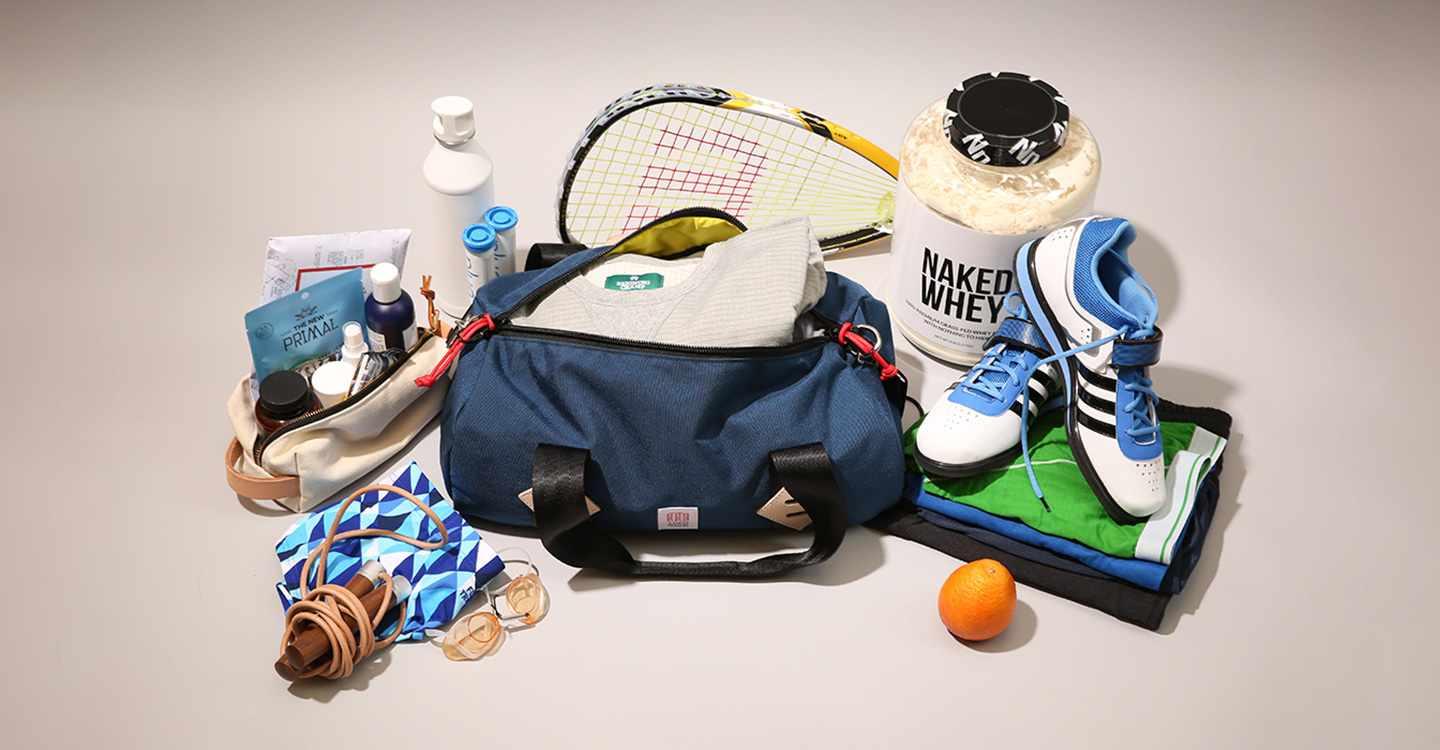
Stepping onto a tennis court, hitting a running trail, or jumping into a swimming pool for the first time comes with a distinct rush of excitement. Yet for many people, that enthusiasm hits a brick wall before they even break a sweat. That wall is the sporting goods store.
Walk down any aisle dedicated to running, cycling, or racket sports, and you are immediately bombarded with technical jargon. Sales tags throw around words like carbon-fiber weave, pronation control, moisture-wicking compression, and aerodynamic geometry. When you just want to learn how to serve a shuttlecock or jog a couple of kilometers without getting winded, trying to figure out what you actually need feels exhausting.
A lot of would-be athletes talk themselves out of trying a new sport simply because they assume the entry cost is too high, or they worry about showing up to a local club looking clueless with the wrong gear.
The reality is much simpler: you do not need professional gear to start a new sport. In fact, buying pro-level equipment as a beginner often makes learning harder. Starting a new physical activity is about building confidence, learning basic body mechanics, and enjoying the process. With a practical mindset and a few smart rules of thumb, you can get everything you need to start safely and comfortably—without emptying your wallet.
Why Beginner-Friendly Gear Matters More Than Pro Equipment
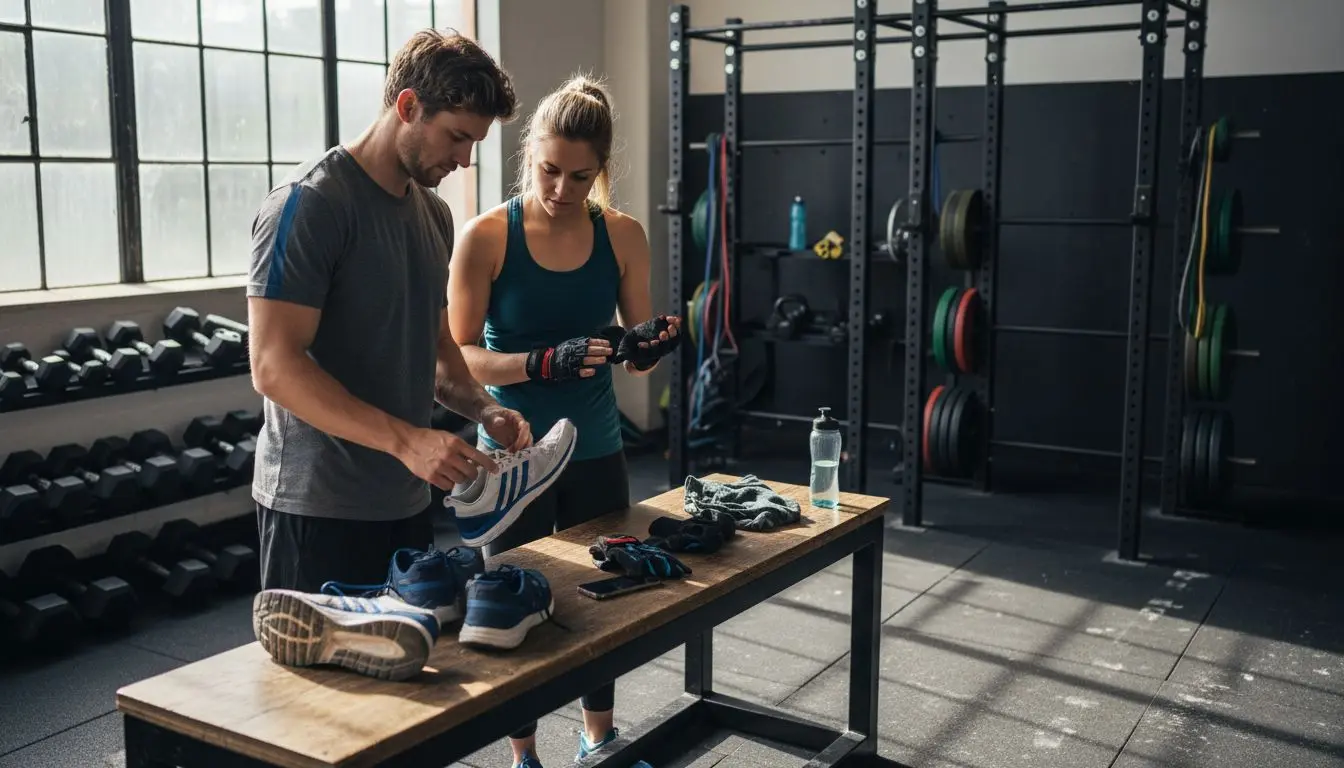
When you pick up a sport for the first time, your brain and body are working overtime. You are learning unfamiliar rules, figuring out footwork, building hand-eye coordination, and conditioning muscles you probably haven't used in years.
The wrong equipment adds unnecessary friction to that learning curve. Imagine trying to learn basic tennis strokes with a heavy, stiff racket designed for a tournament player who swings at 100 miles per hour. Not only will your arm fatigue within fifteen minutes, but the smaller "sweet spot" on a pro racket will send balls flying into the fence, leaving you frustrated. Similarly, wearing flat, worn-out everyday sneakers for a morning jog puts unnecessary stress on your ankles and knees, turning a fun new habit into a painful chore.
Beginner equipment is engineered differently. It is built for forgiveness, comfort, and ease of use:
Beginner rackets usually have larger heads and lighter frames, making it easier to make clean contact with the ball.
Entry-level bicycles feature more upright, relaxed seating positions that protect your lower back and give you better visibility in traffic, unlike aggressive, hunched-over racing bikes.
Starter running shoes focus on neutral cushioning and stability rather than ultra-lightweight racing foam that wears out quickly.
When your gear fits well and feels natural, it disappears into the background. Instead of constantly adjusting slipping goggles, dealing with blisters, or fighting a heavy bat, you can put 100% of your attention on learning the game and having fun.
What You Actually Need: A Sport-by-Sport Breakdown
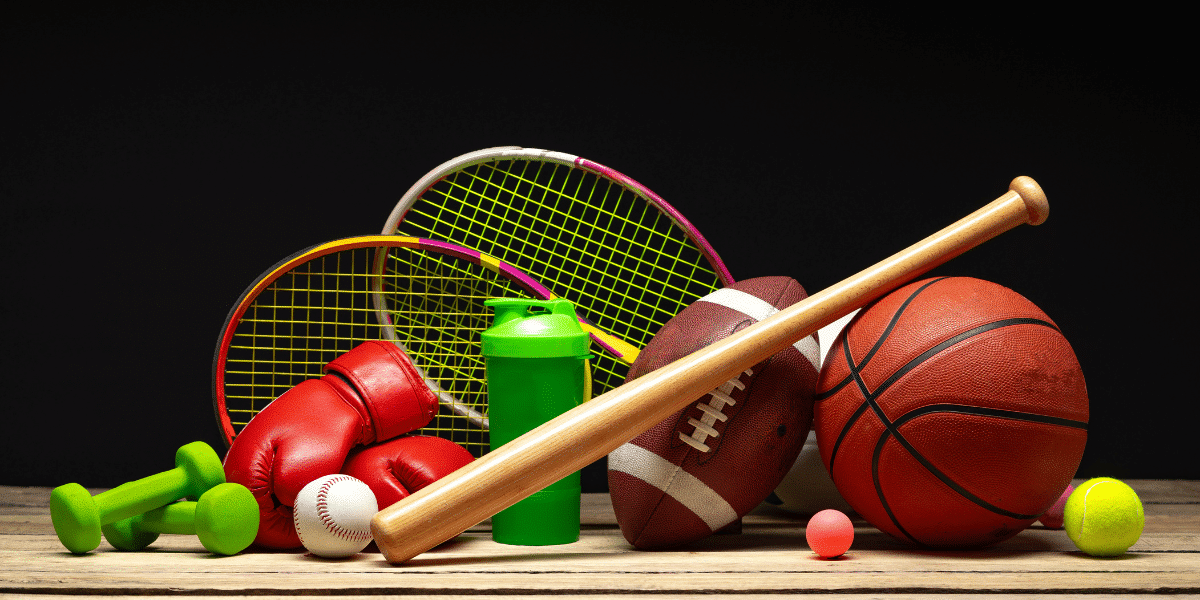
Every sport has its own non-negotiables, along with dozens of optional accessories that marketers will try to convince you are essential. Before you buy anything, strip your shopping list down to the bare basics required to step onto the field, court, or track.
Sport | Absolute Essentials | What You Can Skip for Now |
Running | Proper running shoes, breathable t-shirt/shorts, supportive socks | GPS smartwatches, hydration vests, compression sleeves, energy gels |
Badminton / Tennis | Entry-level lightweight racket, non-marking court shoes, shuttlecocks/balls | Racket bags, overgrips, vibration dampeners, specialized court apparel |
Cycling | Properly sized entry-level bike, certified helmet, comfortable shorts | Clipless pedals/shoes, padded lycra jerseys, bike computers |
Swimming | Well-fitted swimwear, anti-fog goggles, swim cap (if required by pool) | Kickboards, pull buoys, hand paddles, waterproof MP3 players |
Football (Soccer) | Surface-appropriate boots (turf vs. grass), shin guards, tall socks, athletic wear | Goalkeeper gloves (unless playing keeper), compression base layers |
Notice a pattern here? Almost every sport boils down to three core categories: something comfortable to wear, the right footwear for the surface, and one or two pieces of functional gear to play the game. Everything else can wait until you know you actually enjoy the activity.
Footwear: The One Area Where Fit Is Everything
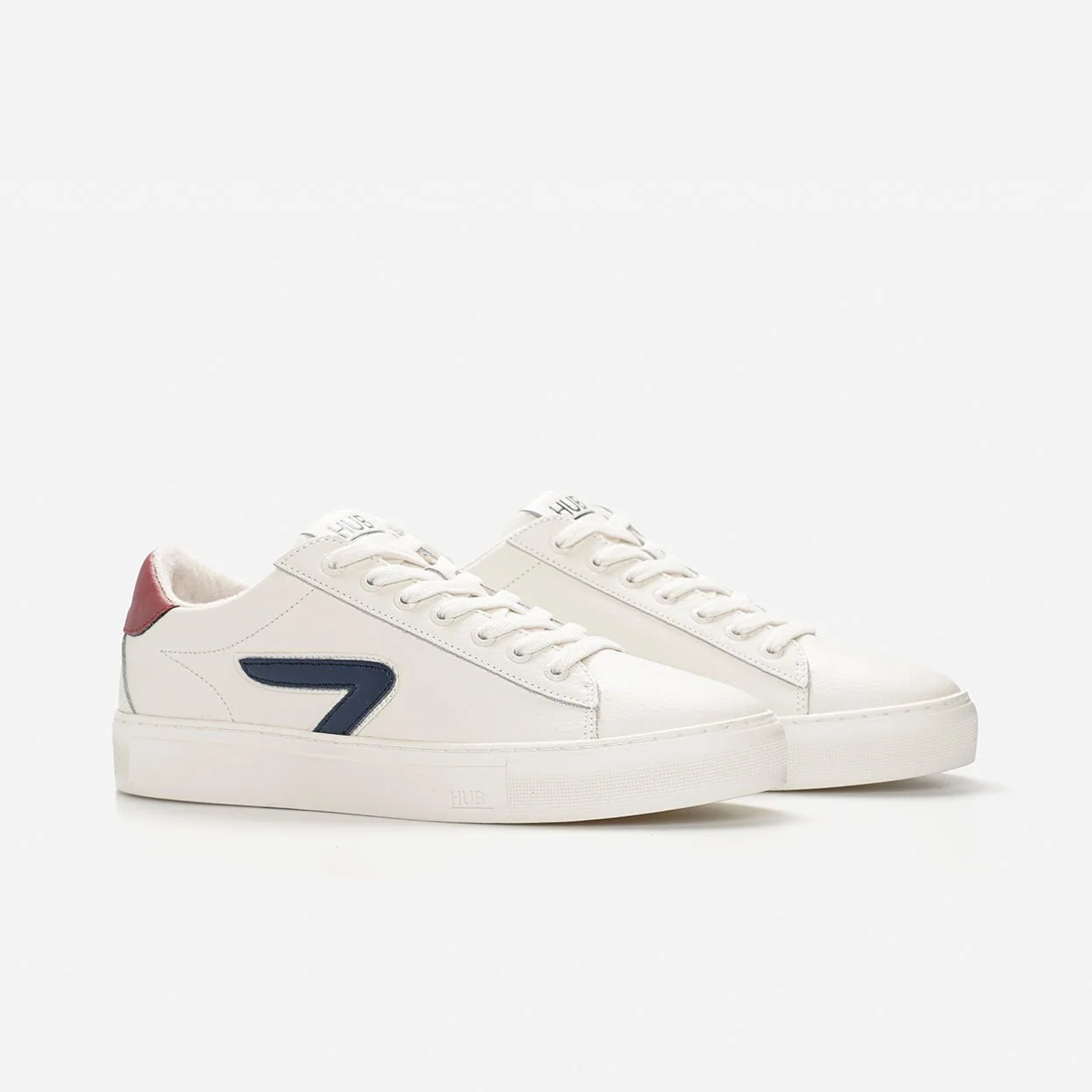
If you are going to spend time researching one specific item, make it your shoes. Across almost every land-based sport, your feet absorb the impact of every step, jump, and sudden stop. Wearing the wrong type of shoe doesn't just make you uncomfortable—it is one of the fastest ways to pick up an avoidable injury like shin splints, plantar fasciitis, or a rolled ankle.
Different sports demand completely different shoe engineering:
Running Shoes: Built primarily for forward motion. They feature extra heel-to-toe cushioning to absorb repetitive vertical impact against pavement or trails. However, because they have thick, soft soles, they are terrible for court sports—if you try to slide laterally in running shoes, your foot can roll right over the sole.
Court Shoes (Badminton, Tennis, Squash): Designed with flatter, lower-to-the-ground soles and reinforced sides to keep your foot stable during quick side-to-side lunges and sudden stops. They also feature non-marking rubber soles so you don't scuff indoor wooden or synthetic courts.
Football Boots: Built with specific stud patterns (cleats) depending on where you play. Firm-ground (FG) boots have longer studs for natural grass, while artificial-ground (AG) or turf (TF) shoes have shorter, denser rubber studs so your foot doesn't get trapped in synthetic turf when you twist.
A practical buying tip: Always try athletic shoes on in the late afternoon or evening. Feet naturally swell slightly throughout the day and during exercise. When you lace them up, make sure you have about a thumb's width of empty space between your longest toe and the front of the shoe. If a shoe pinches or rubs in the store, it will feel ten times worse after forty minutes of sweating.
Do Beginners Need Expensive Gear? Setting a Smart Budget
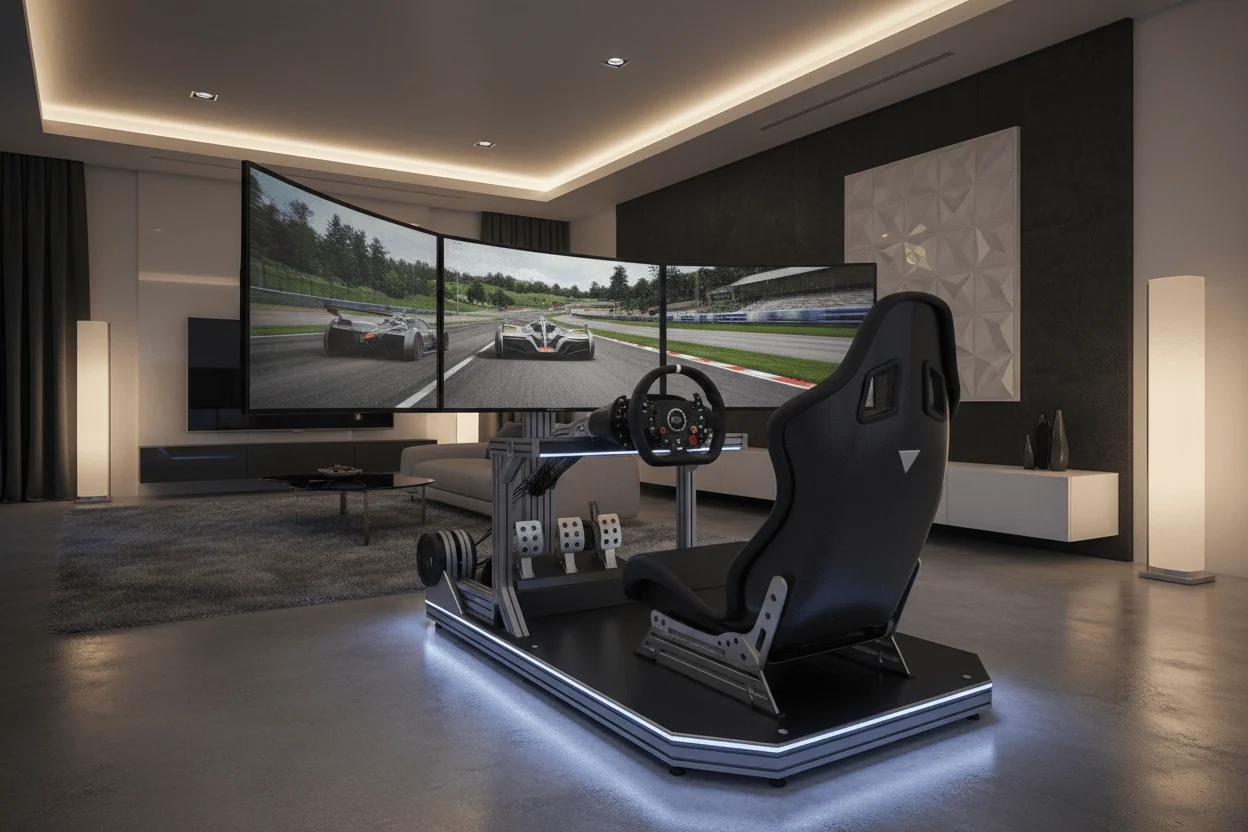
There is a persistent myth in amateur sports that buying expensive gear will somehow fast-track your progress. While high-end equipment does offer marginal performance gains for elite athletes who have already mastered their technique, a beginner simply cannot access those benefits yet.
Think of it like learning to drive: buying a Formula 1 car won't make you a better driver on your first day—it will just make it much harder to stay on the road.
Instead of looking at price tags as a measure of quality, approach your budget with a value-first mindset:
Follow the "Good Enough" Rule: Look at the mid-range or entry-level offerings from reputable, established sports brands rather than the cheapest unbranded items in a supermarket or the flagship pro models. Entry-level gear from trusted brands undergoes basic durability and safety testing without charging you for pro-level materials.
Spend on Contact Points: Prioritize your budget on items that touch your body and absorb stress—specifically shoes, helmets, and supportive athletic wear. You can easily save money on bags, water bottles, or extra balls.
Avoid Impulse Bundles: Online stores love selling "starter kits" packed with cheap accessories. Buying a single, well-made badminton racket is far better than buying a bundle that comes with two flimsy rackets, a cheap net, and plastic shuttlecocks that break after three hits.
Safety Gear Is Non-Negotiable
When you are excited to try something new, safety equipment can feel like an unglamorous afterthought. Yet protecting yourself from preventable injuries is what keeps you consistent—and consistency is the only way you actually improve.
Helmets: If your new sport involves wheels—cycling, skateboarding, inline skating—a certified helmet is mandatory from day one. Make sure it sits level on your head (covering your forehead, not tilted back) and that the chin strap fits snugly with room for only one or two fingers underneath.
Joint and Shin Protection: Football players need shin guards before stepping into any casual scrimmage; an accidental kick to an unprotected shin hurts for weeks. For skateboarding or rollerblading, wrist guards are arguably just as important as a helmet, since a beginner's natural instinct when falling is to catch themselves with their hands.
Visibility and Weather Prep: If you are running or cycling outdoors near traffic, wear bright colors or reflective strips, especially during early mornings or dusk.
Remember that protective gear reduces the severity of accidents, but it doesn't make you invincible. Pairing basic safety gear with proper warm-ups, hydration, and realistic pacing is the smartest way to stay injury-free.
Renting, Borrowing, or Buying: How to Decide

You do not have to commit to buying everything before your first session. In fact, testing the waters before spending money is one of the smartest moves a beginner can make.
When to Rent or Borrow:
High-cost, bulky equipment: Sports like golf, skiing, kayaking, or cycling require expensive, space-consuming gear. Renting from a local club or outfitter for your first two or three sessions lets you figure out if you actually enjoy the sport before committing hundreds of dollars.
Rackets and bats: Most community sports centers, tennis clubs, and badminton courts have loaner rackets behind the front desk for free or a small rental fee. Use them to test different weights and grip sizes before buying your own.
When to Buy:
Personal hygiene items: Always buy your own swimwear, goggles, socks, mouthguards, and athletic clothing.
Footwear: Rental shoes are worn down to someone else's foot shape and rarely offer proper support. Buy your own shoes once you decide to stick with an activity past the first couple of weeks.
Once you have played consistently for two or three months and know the sport is becoming a regular part of your routine, you can start upgrading pieces of your kit one by one.
5 Common Equipment Mistakes Beginners Make
Even with the best intentions, it is easy to fall into a few classic beginner traps. Keep an eye out for these habits:
Buying everything before your first lesson: Many people buy an entire wardrobe and full gear bag before attending a single session, only to realize after two weeks that they prefer a different sport. Start minimal and buy items as you genuinely feel the need for them.
Choosing style over function: Neon colors and sleek designs look great in photos, but dark, heavy cotton t-shirts trap sweat and cause chafing during workouts. Look for lightweight, breathable synthetic fabrics (like polyester blends) or merino wool that pull sweat away from your skin.
Ignoring sizing charts: Guessing your size in helmets, bicycles, or protective pads leads to gear that shifts around while you move. Take two minutes to measure your head circumference, inseam, or foot length before ordering anything.
Copying pro athletes' setups: Your favorite tennis star might use tightly strung rackets and stiff shoes tailored to their exact biomechanics. Copying their setup without their strength and technique will only slow you down.
Forgetting basic maintenance: Even beginner gear lasts significantly longer with a tiny bit of care. Air out your shoes after sweating, rinse chlorine off your swimwear and goggles with fresh cold water, and wipe down rackets or bikes after outdoor use.
Making Your First Few Sessions Enjoyable

At the end of the day, sports equipment is just a tool to help you move, have fun, and challenge yourself. The best gear in the world won't do the work for you, and modest beginner gear will never hold you back from having a great time.
As you get started, give yourself permission to be a beginner. Everyone on that court, track, or trail had a first day where they missed easy shots, ran out of breath after two minutes, or felt awkward with their footwork. Choose a sport that genuinely sparks your curiosity, start with short and manageable sessions, and focus on how the movement makes you feel rather than keeping score. When you strip away the pressure of looking like a pro, showing up becomes the easiest part of your week.
No, affordable beginner-friendly equipment is actually easier to learn with and prevents you from wasting money before you know if you enjoy the sport.
A comfortable, properly fitted pair of sport-specific shoes is your best investment because it protects your joints and prevents common injuries.
Rent or borrow bulky, expensive items like bikes and rackets at first, while buying personal essentials like shoes, swimwear, and socks for hygiene and fit.
Pro gear is built for advanced technique and power, meaning its heavier weight and smaller sweet spots will make learning harder and tire you out faster.
Depending on your sport, always wear properly fitted essentials like a certified helmet for cycling or skating, shin guards for football, and reflective clothing outdoors.
Sources and notes
Links the author listed for this post.
Information is based on beginner fitness guidance, sports equipment recommendations, safety practices, and insights into choosing suitable gear for different sporting activities.
More on AltFTool
- AltFTool (opens in a new tab)
altftool.com


Discussion
0 comments