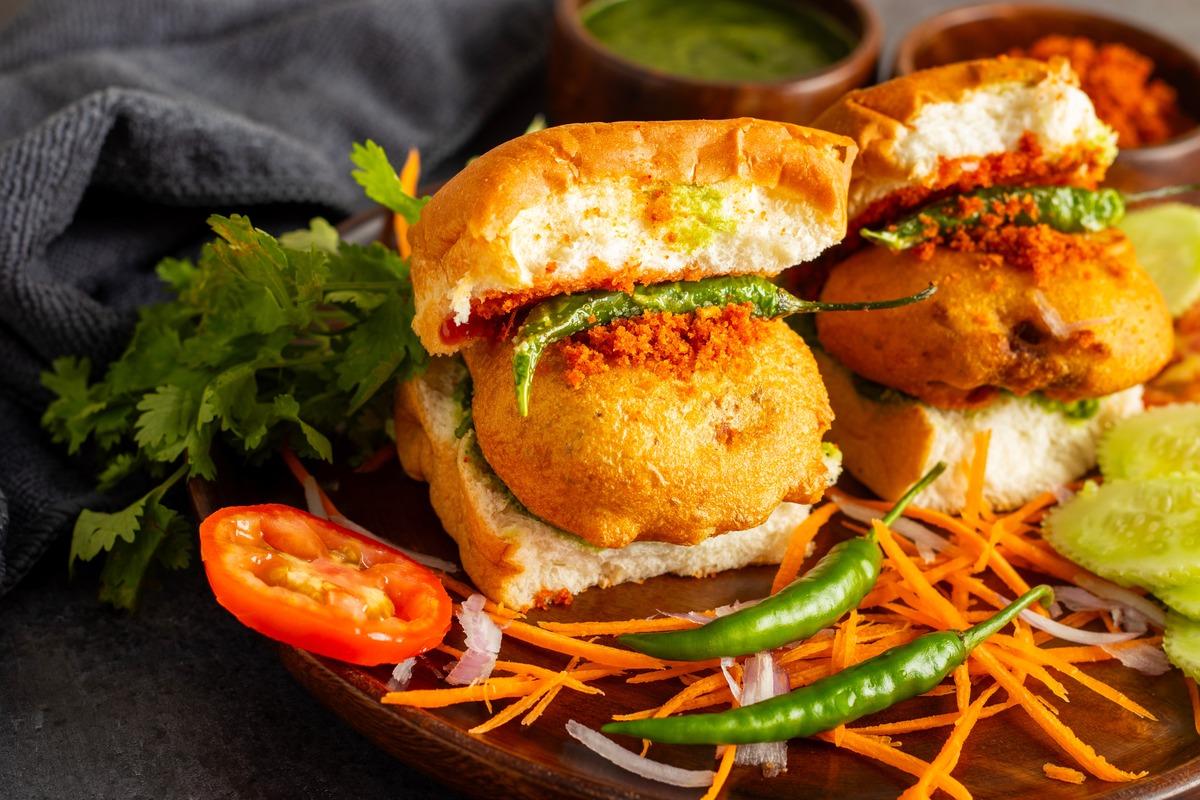
Mumbai Vada Pav is one of India's most loved street foods. Known for its spicy potato filling, crispy gram flour coating, soft pav bread, and flavourful chutneys, this popular Maharashtrian snack has become a favourite across the country. From busy railway stations to small roadside food stalls, Vada Pav is an essential part of Mumbai's food culture.
The best thing about Vada Pav is its simple preparation and delicious taste. A golden, crispy batata vada is placed inside a soft pav and served with spicy garlic chutney, green chutney, and fried green chillies. Whether you enjoy it as a quick breakfast, an evening snack, or a filling street-food treat, its combination of flavours is hard to resist.
In this guide, we will explore the history of Mumbai Vada Pav, its traditional ingredients, an easy homemade recipe, and the secret behind its famous spicy garlic chutney.
What Is Mumbai Vada Pav?
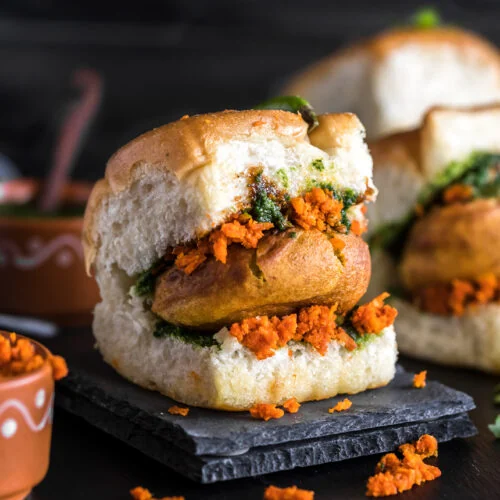
Vada Pav is a popular Indian street food that originated in Maharashtra. It consists of a deep-fried potato dumpling called batata vada, which is placed inside a soft bread roll known as pav.
The potato mixture is usually seasoned with mustard seeds, curry leaves, green chillies, turmeric, ginger, and garlic. It is then coated in gram flour batter and fried until golden and crispy.
Vada Pav is traditionally served with dry garlic chutney, green chutney, and fried green chillies. Its combination of crispy, soft, spicy, and savoury flavours makes it a distinctive Mumbai snack.
History of Mumbai Vada Pav
Vada Pav has a special place in Mumbai's culinary history. It became popular during the 1960s and 1970s, when the city was growing as an industrial and commercial centre.
According to popular food history, Ashok Vaidya is widely credited with popularising Vada Pav near Dadar railway station in Mumbai during the late 1960s. He served freshly prepared potato vadas with pav, creating an affordable and convenient snack for commuters and mill workers.
The snack gradually became popular across the city because it was inexpensive, filling, and easy to eat on the go. Local vendors started adding their own chutneys and variations, making Vada Pav even more popular.
Over time, Vada Pav became more than just a street snack. It developed into a symbol of Mumbai's everyday food culture and is now enjoyed in different parts of India.
Ingredients Required to Make Mumbai Vada Pav
Making Vada Pav at home does not require complicated ingredients. Most of them are easily available in an Indian kitchen.
1. Ingredients for Batata Vada
4 medium-sized boiled potatoes
1 cup gram flour (besan)
2 green chillies, finely chopped
1 teaspoon mustard seeds
½ teaspoon turmeric powder
½ teaspoon cumin seeds
1 teaspoon grated ginger
5–6 curry leaves
2 tablespoons chopped coriander
A pinch of asafoetida (hing)
Salt to taste
Oil for frying
2. Ingredients for Vada Pav Assembly
8 pav bread rolls
Dry garlic chutney
Green chutney
Sweet tamarind chutney (optional)
Fried green chillies
3. Ingredients for Spicy Garlic Chutney
8–10 garlic cloves
½ cup dried red chillies
½ cup roasted peanuts
2 tablespoons sesame seeds
2 tablespoons desiccated coconut
1 teaspoon cumin seeds
Salt to taste
How to Make Mumbai Vada Pav at Home
Follow these simple steps to prepare crispy, flavourful, street-style Vada Pav in your kitchen.
Step 1: Prepare the Potato Filling
Peel the boiled potatoes and mash them in a bowl. Heat a little oil in a pan and add mustard seeds, cumin seeds, asafoetida, and curry leaves.
Add chopped green chillies, ginger, and turmeric powder. Stir for a few seconds, then add the mashed potatoes and salt. Mix everything properly and finish with fresh coriander.
Allow the mixture to cool before shaping it into small round balls.
Step 2: Prepare the Besan Batter
Take gram flour in a mixing bowl. Add turmeric powder, salt, and a pinch of baking soda if desired.
Gradually add water and whisk until you get a smooth, medium-thick batter. Make sure there are no lumps.
The batter should coat the potato balls evenly without becoming too watery.
Step 3: Fry the Batata Vada
Heat oil in a deep frying pan over medium heat.
Dip each potato ball into the besan batter and carefully place it into the hot oil. Fry until the outer coating becomes golden brown and crispy.
Remove the vadas and place them on a plate lined with kitchen paper to absorb excess oil.
Step 4: Prepare the Spicy Garlic Chutney
Dry-roast the dried red chillies, garlic, peanuts, sesame seeds, and coconut separately over low heat.
Allow the ingredients to cool completely. Add them to a grinder with cumin seeds and salt.
Grind everything into a coarse powder. Avoid adding too much water because traditional dry garlic chutney has a slightly coarse texture.
Step 5: Assemble the Vada Pav
Take a pav and slice it horizontally without cutting it completely.
Spread dry garlic chutney on the inside. Add green chutney or tamarind chutney according to your taste.
Place one hot batata vada inside the pav and gently press it. Serve immediately with fried green chillies.
Your homemade Mumbai-style Vada Pav is ready!
The Secret Behind Mumbai's Famous Garlic Chutney
The garlic chutney is one of the most important elements of authentic Mumbai Vada Pav. It gives the snack its signature spicy and slightly smoky flavour.
The secret lies in balancing a few simple ingredients:
Garlic: Provides the strong, savoury flavour.
Dried Red Chillies: Add heat and colour.
Roasted Peanuts: Give the chutney a nutty taste.
Sesame Seeds: Add richness and texture.
Desiccated Coconut: Creates a mild sweetness that balances the spice.
Roasting the ingredients separately helps develop their individual flavours. Grinding them into a coarse powder also gives the chutney its traditional texture.
Tips for Making Perfect Street-Style Vada Pav
A few simple techniques can make your homemade Vada Pav taste closer to the Mumbai street-style version.
Use Properly Boiled Potatoes: Avoid potatoes that are too watery, as they can make the filling difficult to shape.
Prepare a Smooth Batter: A medium-thick besan batter helps create an even, crispy coating.
Maintain the Right Oil Temperature: Medium-hot oil helps cook the vadas evenly without burning the outside.
Make Fresh Garlic Chutney: Freshly roasted ingredients provide a stronger aroma and better flavour.
Choose Soft Pav: Fresh, soft bread rolls provide the best contrast with crispy batata vada.
Serve Immediately: Vada Pav tastes best when the vada is hot and the pav is soft.
Popular Variations of Vada Pav
Although the traditional Mumbai version remains popular, several variations are available today.
Popular Variations of Vada Pav
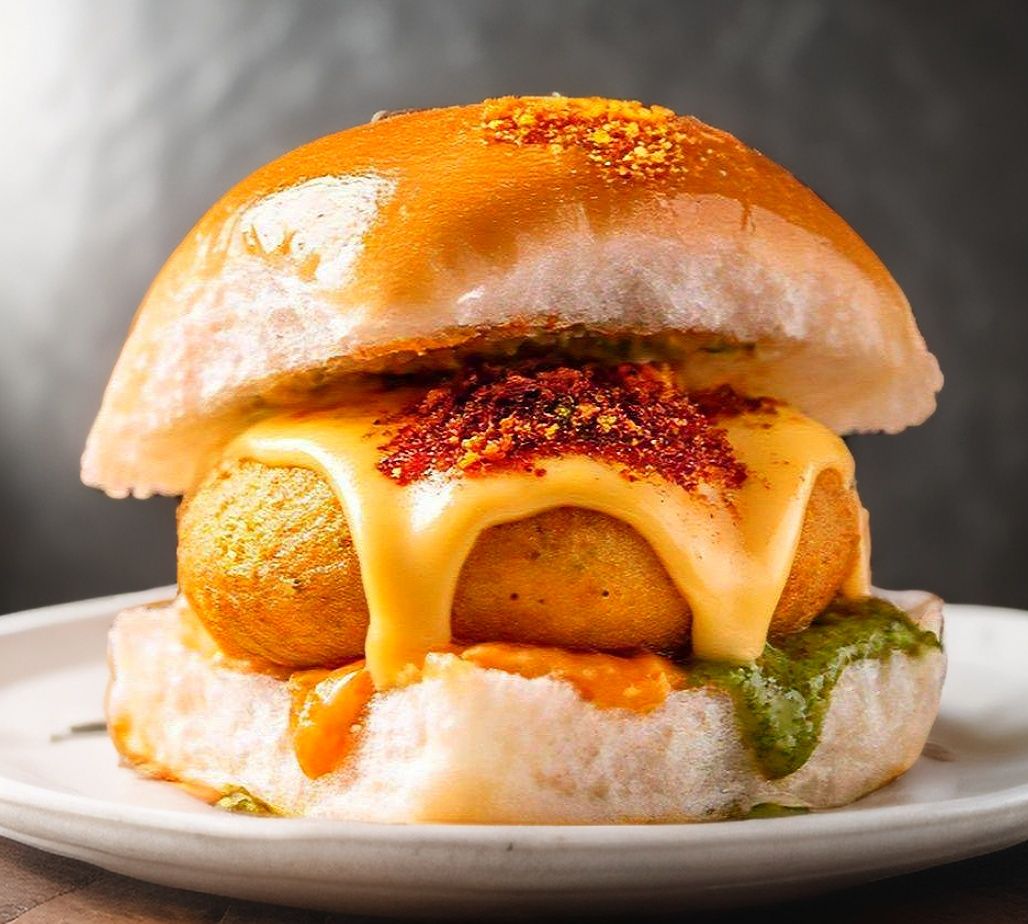
Cheese Vada Pav
This version includes grated cheese or a cheese slice along with the traditional potato filling. Melted cheese adds a creamy texture and makes this street-food variation even more indulgent.

Schezwan Vada Pav
Schezwan sauce adds a spicy, tangy flavour for people who enjoy Indo-Chinese food. Its bold sauce gives the traditional potato vada a delicious fusion-style taste.

Jain Vada Pav
This variation is prepared without onion, garlic, and other ingredients avoided in Jain cooking. Some recipes also use raw banana instead of potato for the filling.
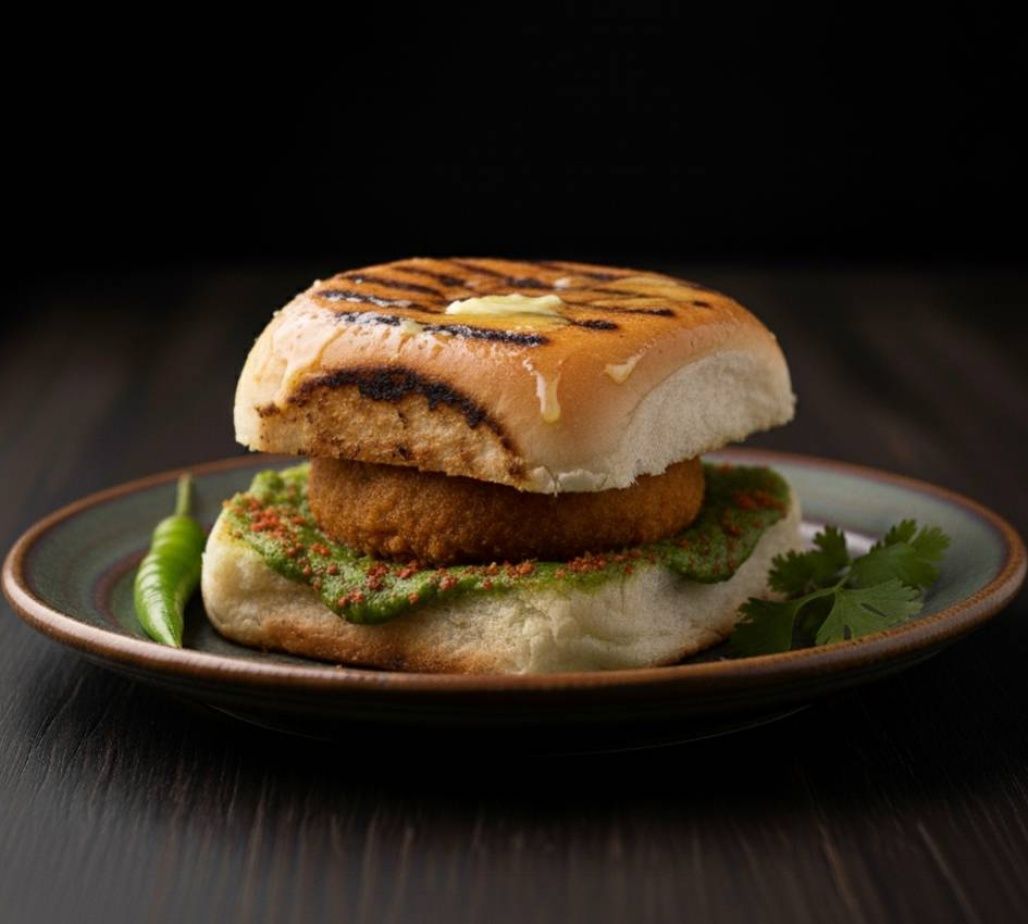
Butter Vada Pav
The pav is toasted with butter on a hot tawa before the vada and chutneys are added. This creates a lightly crisp exterior and a rich, buttery flavour.
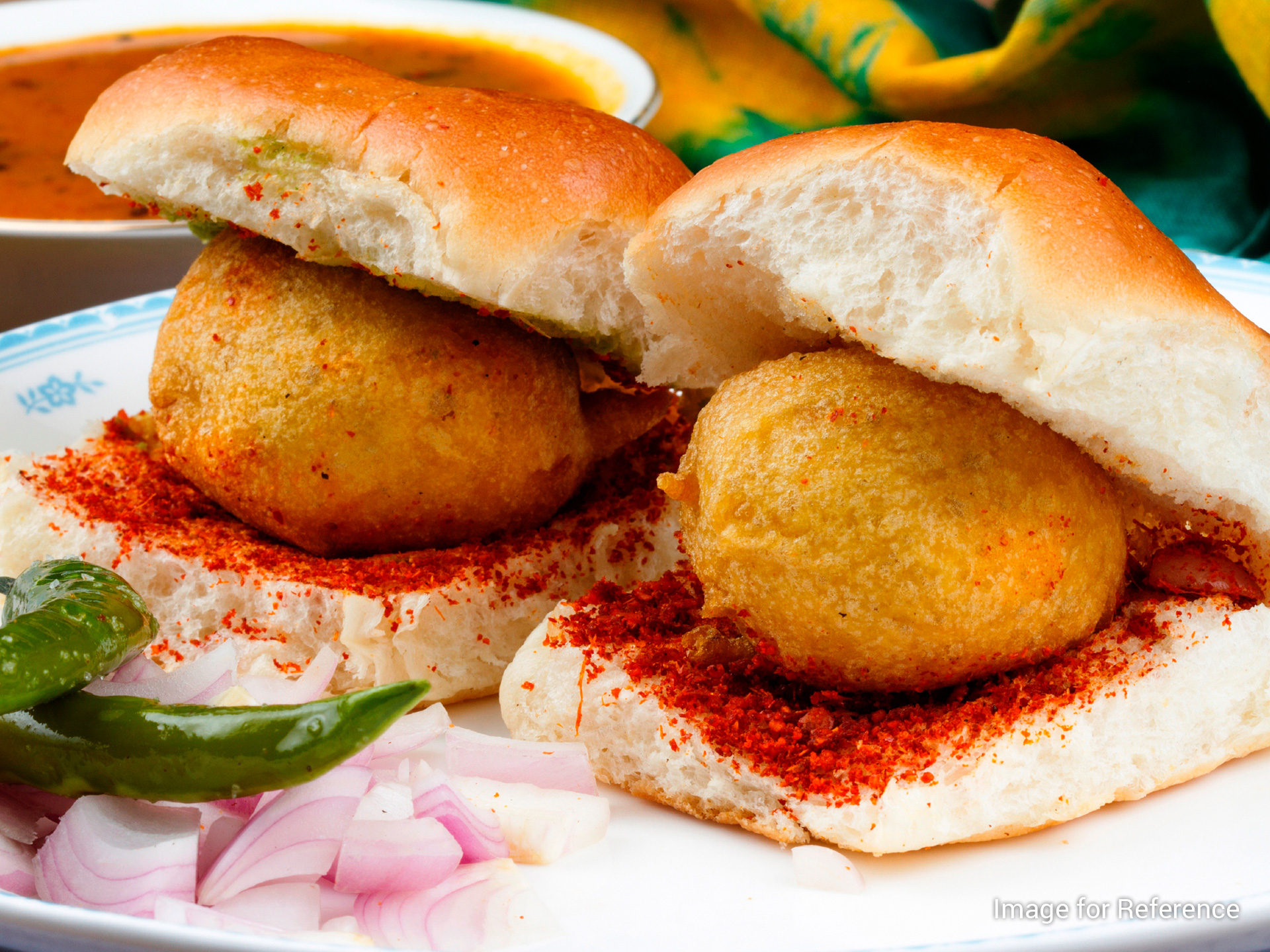
Masala Vada Pav
Extra spices, chutneys, and additional toppings give this version a stronger flavour. It is a great choice for anyone who enjoys bold and spicy Indian street food.
Where to Find Famous Vada Pav in Mumbai
Mumbai has several well-known spots where people enjoy traditional Vada Pav. Some popular names include:
Ashok Vada Pav, Kirti College: Widely associated with the early popularity of Mumbai's Vada Pav culture.
Anand Stall, Vile Parle: Popular among college students for its variety of Vada Pav options.
Aram Vada Pav, Near CSMT: A familiar stop for people looking for a quick Mumbai street-food snack.
Graduate Vada Pav, Byculla: Known for its traditional street-style preparation.
These food stalls have helped keep Mumbai's Vada Pav tradition alive across generations.
Nutritional Information of Vada Pav
Vada Pav is a filling snack that provides carbohydrates, fats, and some protein. However, its nutritional value depends on the size of the vada, amount of oil absorbed during frying, bread size, and chutney ingredients.
One medium-sized Vada Pav may contain approximately:
Nutrient | Estimated Amount |
|---|---|
Calories | 250–350 kcal |
Carbohydrates | 30–45 g |
Protein | 5–8 g |
Fat | 10–18 g |
Fibre | 2–4 g |
These figures are approximate and can vary considerably between recipes and vendors.
Why Is Vada Pav So Popular in Mumbai?
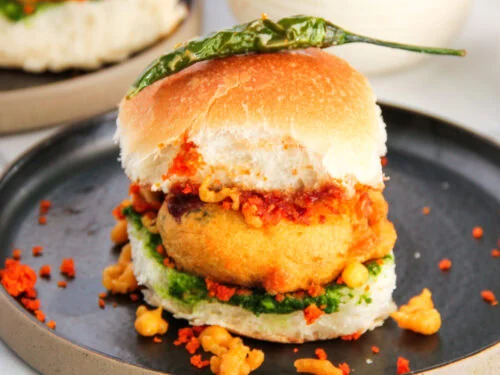
Vada Pav is popular because it combines affordability, convenience, and flavour. It is easy to carry, quick to serve, and filling enough to work as a small meal.
Its popularity also comes from its connection with Mumbai's everyday lifestyle. Office workers, students, commuters, and tourists enjoy it at different times of the day.
Another reason is its versatility. People can adjust the spice level, add different chutneys, or try modern variations while keeping the original potato-filled snack at the centre.
Conclusion
Mumbai Vada Pav is much more than a combination of bread and fried potatoes. It represents the city's street-food culture, history, and love for bold flavours.
With a crispy batata vada, soft pav, spicy garlic chutney, and fresh green chillies, this classic Maharashtrian snack offers a delicious experience in every bite.
The good news is that you do not need to visit Mumbai to enjoy it. With simple ingredients and the right preparation, you can make authentic street-style Vada Pav at home and enjoy one of Maharashtra's most iconic snacks.
FAQ'S
Mumbai Vada Pav is made with a spicy mashed potato filling coated in gram flour batter, deep-fried, and served inside a soft pav with chutneys.
Ashok Vaidya is widely credited with popularising Vada Pav near Dadar railway station in Mumbai during the late 1960s.
Vada Pav uses a deep-fried spiced potato dumpling instead of a meat or vegetable patty and is traditionally served with Indian chutneys.
The signature dry garlic chutney is generally made using garlic, dried red chillies, roasted peanuts, sesame seeds, coconut, and spices.
Traditional Vada Pav has a spicy flavour because of green chillies, garlic chutney, and seasoned potato filling. The spice level can be adjusted.
Sources and notes
Links the author listed for this post.
This article is based on traditional Maharashtrian cooking practices, commonly known Vada Pav preparation methods, and Mumbai's street-food history.


Discussion
0 comments
No comments yet
Discussion will appear here once it loads.