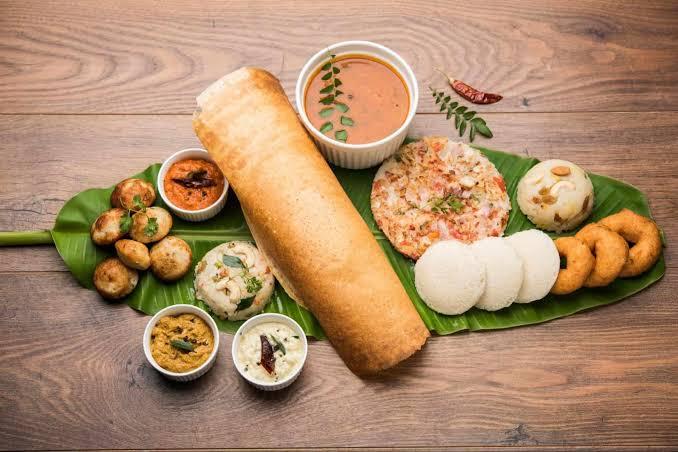
South Indian cuisine has a special place in India's food culture. It is known for its delicious breakfast dishes, flavourful rice preparations, coconut-based curries, aromatic spices, and traditional meals served on banana leaves. From crispy masala dosa and soft idlis to spicy Andhra curries and Kerala's delicious seafood, there is always something interesting to discover.
But South Indian food is not just about dosa, idli, and sambar. It represents the traditions, lifestyles, and cooking styles of different communities across the southern part of India.
Every state has its own food identity. Tamil Nadu is loved for its traditional tiffin dishes and Chettinad recipes, Kerala is known for coconut-rich cooking and seafood, Karnataka offers wonderful rice dishes and regional specialities, while Andhra Pradesh and Telangana are famous for bold spices and distinctive flavours.
What makes this cuisine truly special is the way simple ingredients such as rice, lentils, coconut, tamarind, curry leaves, and spices come together to create memorable meals.
1. What Makes South Indian Cuisine Special?
South Indian cuisine is recognised for its variety of flavours, ingredients, and traditional cooking methods. Rice and lentils are important parts of many regional meals, while coconut, tamarind, curry leaves, and spices give many dishes their familiar taste.
Here are some features that make South Indian food unique:
Rice-based dishes: Rice is used in meals, breakfast recipes, snacks, and desserts.
Fermented preparations: Idli and dosa batter are common examples of fermented food preparations.
Coconut-based recipes: Coconut milk, grated coconut, and coconut oil are widely used, particularly in coastal cooking.
Flavourful tempering: Mustard seeds, curry leaves, dried chillies, and lentils are often added to hot oil.
Variety of vegetarian food: Dals, vegetable curries, rice dishes, chutneys, and traditional snacks offer plenty of choices.
Coastal specialities: Fish, prawns, and other seafood are important in many coastal food traditions.
South Indian food can be mild, spicy, tangy, or slightly sweet. The flavour depends on the region and the recipe being prepared.
2. Popular South Indian Dishes Everyone Should Try
South Indian cuisine offers a wonderful selection of dishes that are enjoyed at home, in restaurants, and at street food stalls. Some are perfect for breakfast, while others are served during lunch, dinner, or special occasions.
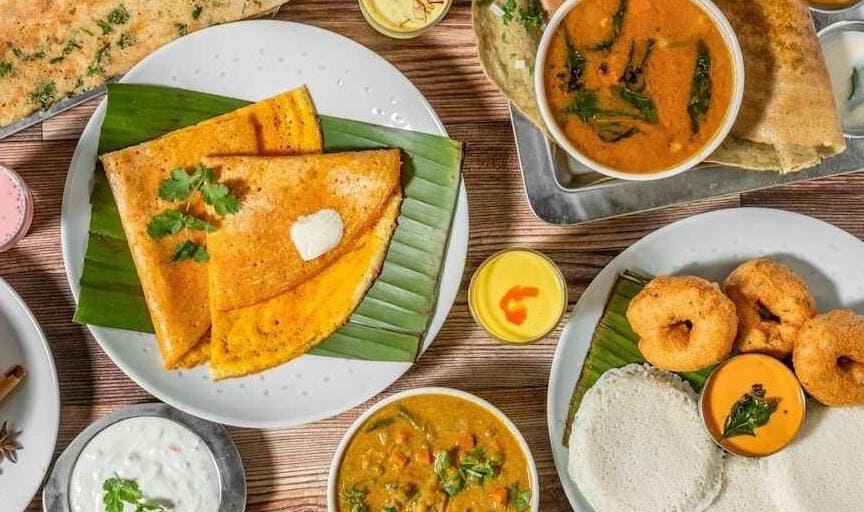
Let's explore some popular favourites.
A. Idli and Sambar
Idli and sambar are among the most loved South Indian breakfast combinations. Idlis are soft, round steamed cakes generally prepared using fermented rice and urad dal batter.
They are usually served with hot sambar and coconut chutney. The combination is simple, satisfying, and popular among people of different age groups.
B. Masala Dosa
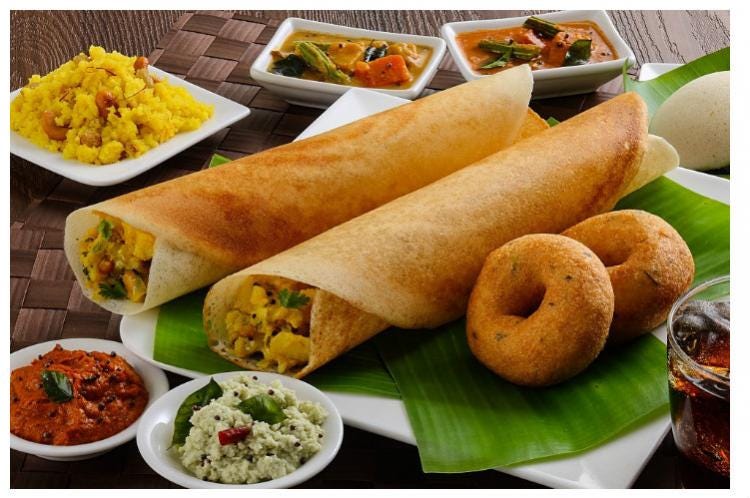
Masala dosa is a thin, crispy pancake made from fermented rice and lentil batter. It is filled with a lightly spiced potato mixture and served with sambar and chutneys.
Some popular dosa varieties include:
Masala dosa
Mysore masala dosa
Paper dosa
Rava dosa
Set dosa
Ghee roast dosa
C. Medu Vada
Medu vada is a savoury snack made from urad dal. Its round shape with a small hole in the centre makes it easily recognisable.
It has a crispy outside and a soft inside. It is commonly served with coconut chutney and sambar, making it a favourite breakfast and evening snack.
D. Pongal
Pongal is a traditional rice-based dish especially popular in Tamil Nadu. Ven pongal is prepared with rice, moong dal, black pepper, cumin, ginger, and ghee.
Sakkarai pongal is its sweet version, usually prepared with rice, lentils, jaggery, ghee, and cardamom. Both varieties have an important place in traditional meals and celebrations.
E. Appam with Stew
Appam is a soft, bowl-shaped pancake with a slightly crispy edge. It is made using a fermented rice-based batter and is particularly popular in Kerala.
It is often served with vegetable stew, chicken stew, or other regional curries prepared with coconut milk.
3. Exploring South Indian Cuisine by State
One of the most interesting things about South Indian food is its regional diversity. Although the five southern states share some ingredients and cooking traditions, their recipes, flavours, and specialities are quite different.
A. Tamil Nadu Cuisine
Tamil Nadu has a rich culinary tradition that includes everyday vegetarian meals, traditional breakfast dishes, temple food, and flavourful non-vegetarian preparations.
The state is particularly known for its rice-based dishes, fermented preparations, tamarind gravies, and freshly prepared spice blends.
Popular Tamil Nadu dishes:
Idli and sambar
Masala dosa
Ven pongal
Rasam rice
Curd rice
Chettinad chicken
Kothu parotta
Kuzhi paniyaram
Puliyodarai
Filter coffee
Chettinad cuisine deserves special mention because of its distinctive spice combinations. It uses ingredients such as black pepper, fennel, cinnamon, cloves, and star anise to create rich and aromatic preparations.
B. Kerala Cuisine
Kerala cuisine is closely connected with its coastal location, local agriculture, and diverse cultural traditions. Coconut is an important ingredient, appearing in curries, chutneys, snacks, and desserts.
The state is also famous for its seafood, banana-leaf meals, and coconut milk-based preparations.
Popular Kerala dishes:
Appam with stew
Puttu and kadala curry
Kerala fish curry
Malabar parotta
Avial
Thoran
Erissery
Kerala prawn curry
Banana chips
Palada payasam
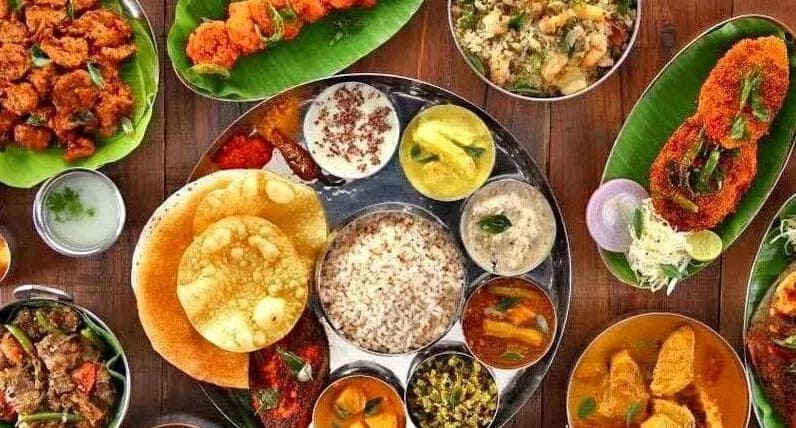
Kerala Sadya is another highlight. It is a traditional vegetarian feast served on a banana leaf with rice, curries, vegetable preparations, pickles, papad, and desserts.
C. Karnataka Cuisine
Karnataka offers a wide variety of food traditions. The flavours change across Bengaluru, Mysuru, coastal Karnataka, and the northern parts of the state.
Its cuisine includes rice-based dishes, millet preparations, traditional sweets, breakfast specialities, and coastal recipes.
Popular Karnataka dishes:
Bisi bele bath
Mysore masala dosa
Ragi mudde
Neer dosa
Maddur vada
Thatte idli
Akki roti
Mangalorean fish curry
Mysore pak
Dharwad peda
Udupi cuisine is another well-known part of Karnataka's food heritage. It is particularly recognised for traditional vegetarian cooking and flavourful dishes prepared with local ingredients.
D. Andhra Pradesh Cuisine
Andhra Pradesh cuisine is popular for its bold flavours, spicy preparations, and extensive use of chillies, tamarind, lentils, and regional vegetables.
Many dishes are known for their strong flavours, although the spice level varies between households and regions.
Popular Andhra dishes:
Andhra chicken curry
Gongura pachadi
Pesarattu
Pulihora
Gutti vankaya kura
Royyala iguru
Ulavacharu
Andhra pappu
Pootharekulu
Gongura, a sour leafy green, is one of the distinctive ingredients used in Andhra cooking. It gives chutneys and curries a recognisable tangy flavour.
E. Telangana Cuisine
Telangana cuisine has a strong connection with local grains, traditional cooking methods, and regional ingredients. It includes rustic meals, spicy curries, rice preparations, and popular meat dishes.
Popular Telangana dishes:
Sarva pindi
Sakinalu
Hyderabadi biryani
Jonna rotte
Pachi pulusu
Kodi kura
Bagara rice
Hyderabadi mirchi ka salan
Qubani ka meetha
Hyderabadi food culture is particularly famous for its biryani, kebabs, rich gravies, and traditional desserts. It reflects a distinctive culinary history influenced by different food traditions.
4. South Indian Breakfast: A Delicious Way to Start the Day
Breakfast is one of the most exciting parts of South Indian food culture. From soft idlis to crispy dosas and filling pesarattu, there are plenty of options for starting the morning.
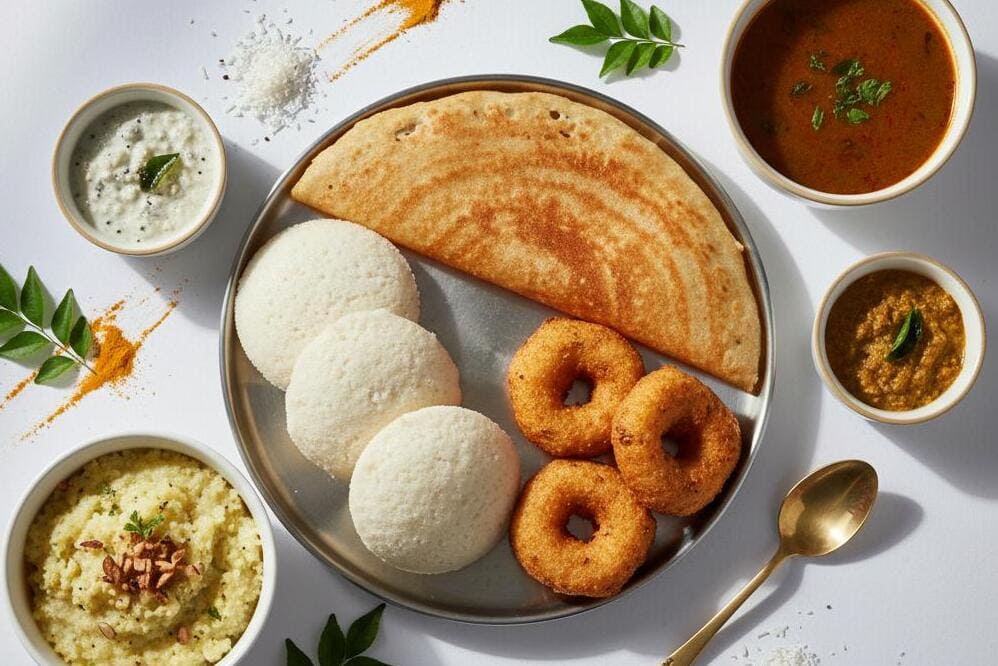
Here are some popular breakfast dishes:
Breakfast Dish | Main Ingredients | Common Accompaniment |
Idli | Rice and urad dal | Sambar and chutney |
Masala Dosa | Rice batter and potato | Sambar |
Upma | Semolina and vegetables | Coconut chutney |
Pesarattu | Green gram | Ginger chutney |
Ven Pongal | Rice and moong dal | Sambar and chutney |
Appam | Fermented rice batter | Vegetable stew |
Puttu | Rice flour and coconut | Kadala curry |
Rava Dosa | Semolina and spices | Chutney |
These dishes are not limited to breakfast. Many people enjoy them as an evening snack or a light meal too.
5. Traditional South Indian Meals Served on Banana Leaves
A traditional South Indian meal served on a banana leaf is a memorable food experience. It is especially popular during festivals, weddings, family gatherings, and special occasions.
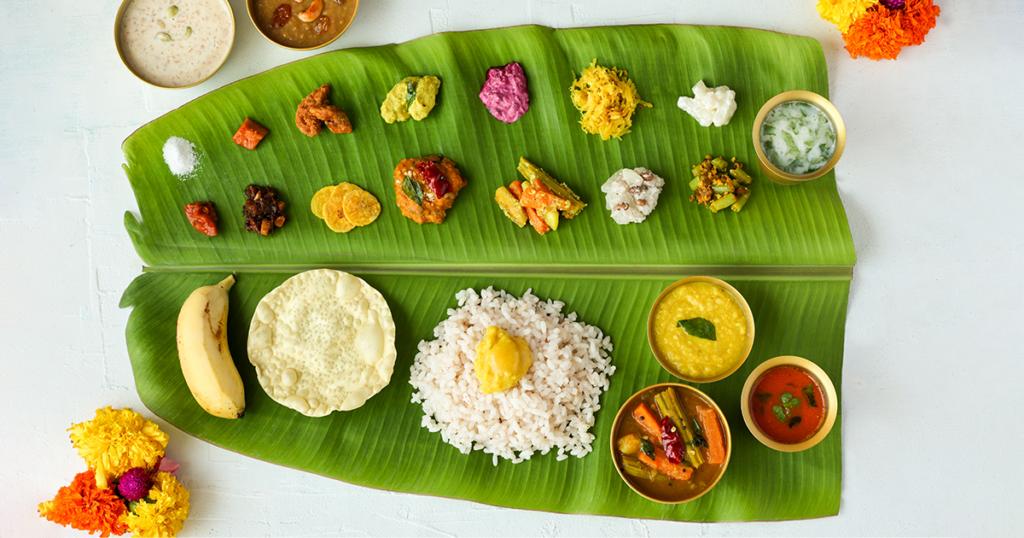
A traditional banana-leaf meal may include:
Steamed rice
Sambar
Rasam
Avial
Poriyal
Kootu
Pachadi
Pickles
Papad or appalam
Payasam
The dishes and their arrangement can vary according to the state, community, and occasion.
The experience is not just about eating. It is also about hospitality, togetherness, and enjoying several flavours in one meal.
6. Important Ingredients and Spices Used in South Indian Cooking
South Indian cooking uses a variety of everyday ingredients to create its distinctive flavours. Many dishes begin with a simple tempering of mustard seeds, curry leaves, dried chillies, and other spices.
Some commonly used ingredients include:
Ingredient | Role in Cooking |
Coconut | Used in chutneys, curries, and desserts |
Tamarind | Adds a tangy flavour to gravies |
Curry Leaves | Provide a distinctive aroma |
Mustard Seeds | Commonly used for tempering |
Urad Dal | Used in batters and seasoning |
Toor Dal | An important ingredient in sambar |
Black Pepper | Adds warmth and mild heat |
Red Chillies | Bring spice and colour |
Coconut Milk | Gives curries a creamy texture |
Rice | Used in meals, snacks, and breakfast dishes |
The combination of these ingredients helps create the familiar taste of South Indian food.
7. South Indian Street Food and Snacks
South Indian street food is full of flavour and variety. Local markets, small restaurants, and food stalls offer everything from crispy snacks to filling rice dishes.
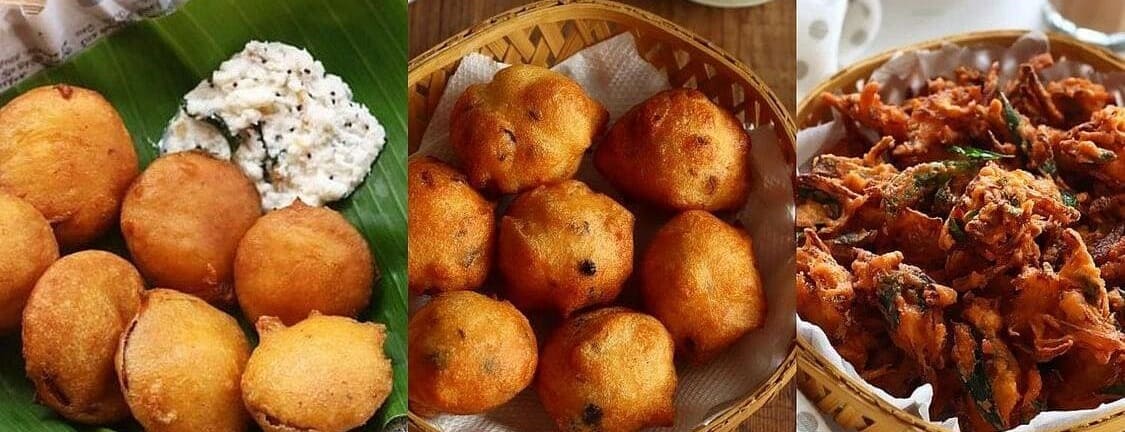
Some popular options include:
Mysore Bonda: Soft, deep-fried savoury snacks commonly served with coconut chutney.
Maddur Vada: A crispy Karnataka snack made using flour, onions, and spices.
Punugulu: Small, deep-fried snacks prepared using dosa or idli batter.
Bajji: Vegetables coated in gram-flour batter and fried until crisp.
Sundal: A snack made with cooked legumes, coconut, and a simple tempering.
Kothu Parotta: Chopped parotta mixed with spices, vegetables, eggs, or meat.
Banana Chips: Thin banana slices fried until crispy, especially popular in Kerala.
These snacks are enjoyed throughout the day and are especially popular during evening tea time.
8. Traditional South Indian Sweets and Desserts
South Indian desserts bring a lovely balance to the cuisine. Many traditional sweets are prepared using rice, jaggery, milk, coconut, ghee, and cardamom.
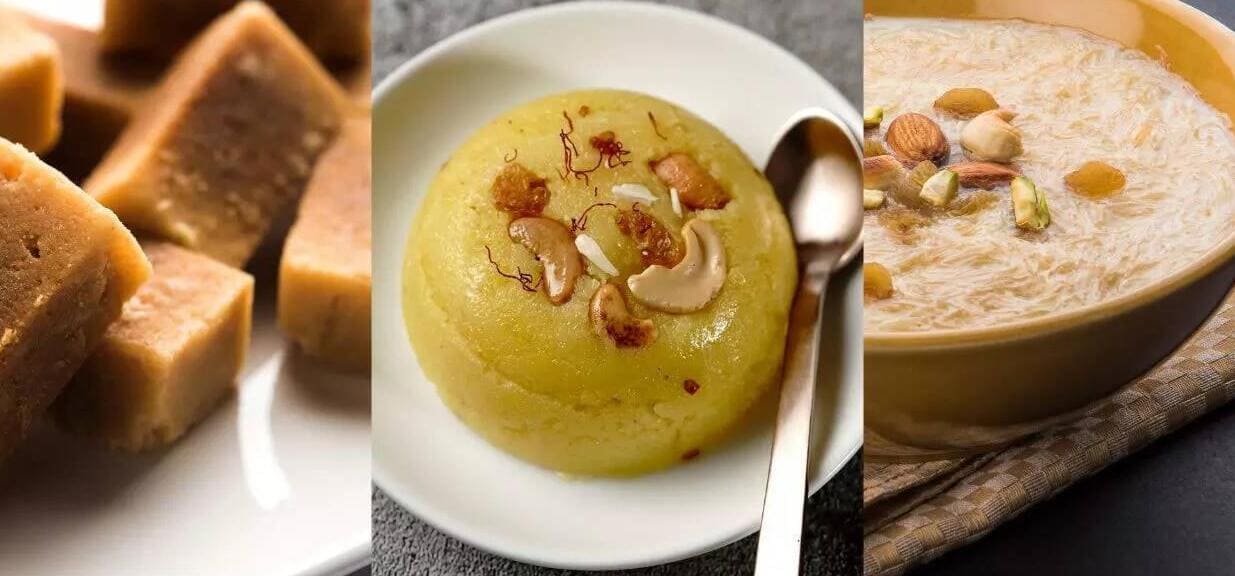
Some popular desserts include:
Dessert | Regional Association | Main Ingredients |
Mysore Pak | Karnataka | Ghee, sugar, gram flour |
Payasam | Across South India | Milk, rice, jaggery or sugar |
Sakkarai Pongal | Tamil Nadu | Rice, lentils, jaggery |
Palada Payasam | Kerala | Rice ada and milk |
Dharwad Peda | Karnataka | Milk solids and sugar |
Pootharekulu | Andhra Pradesh | Rice starch sheets and sugar |
Ariselu | Andhra Pradesh and Telangana | Rice flour and jaggery |
Kozhukattai | Tamil Nadu and Kerala | Rice flour and sweet filling |
These sweets are often prepared during festivals, religious occasions, weddings, and family celebrations.
9. Traditional Cooking Methods in South Indian Cuisine
South Indian cooking is not only about ingredients. The preparation methods also play an important role in creating its familiar taste and texture.
Some traditional techniques include:
Fermentation: Rice and lentil batters are fermented to prepare idlis, dosas, and other dishes.
Steaming: Used to prepare idli, puttu, and kozhukattai.
Tempering: Mustard seeds, curry leaves, chillies, and lentils are heated in oil to enhance flavour.
Roasting: Spices, coconut, and other ingredients are roasted before being ground into masalas.
Slow Cooking: Curries and stews are cooked slowly to develop their flavours.
Grinding: Fresh coconut, spices, and lentils are ground to prepare chutneys, pastes, and gravies.
These techniques have been part of traditional kitchens for generations and continue to be used in modern homes.
10. South Indian Food During Festivals and Celebrations
Food is closely connected with festivals and family traditions across South India. Special recipes are prepared during harvest celebrations, religious occasions, weddings, and community gatherings.
Some popular food traditions include:
Pongal: Sweet pongal and ven pongal are prepared during the Tamil harvest festival.
Onam: Kerala celebrates with an elaborate vegetarian Sadya served on banana leaves.
Ugadi: Traditional dishes such as Ugadi pachadi are prepared in Andhra Pradesh, Telangana, and Karnataka.
Vishu: Kerala's festive meals include traditional preparations and sweets.
Ganesh Chaturthi: Kozhukattai and modak are popular festive offerings.
Deepavali: Murukku, adhirasam, ladoo, and other homemade sweets and snacks are enjoyed.
These celebrations help preserve traditional recipes and bring families together through food.
11. Why South Indian Cuisine Is Loved Across India and Beyond
South Indian food has become popular in different parts of the world. Restaurants serving dosa, idli, sambar, biryani, appam, and traditional curries can be found in many countries.
There are several reasons behind its popularity:
Different food choices: It offers vegetarian, non-vegetarian, and seafood options.
Unique flavours: Coconut, tamarind, curry leaves, and spices create distinctive tastes.
Everyday comfort food: Dishes such as curd rice, rasam rice, and idli are simple and satisfying.
Regional diversity: Every state brings its own special recipes and cooking traditions.
Traditional preparation: Fermentation, steaming, roasting, and slow cooking give dishes their characteristic textures and flavours.
Food for celebrations: Traditional meals and sweets make festivals and family gatherings more special.
South Indian cuisine also offers something for different preferences. Someone who enjoys mild food can try idli or curd rice, while those who love stronger flavours can explore Andhra curries or Chettinad specialities.
12. How to Enjoy South Indian Cuisine at Home
You do not need to visit a South Indian restaurant to enjoy its flavours. Many traditional dishes can be prepared at home with everyday ingredients.
If you are just starting, try a few easy recipes before exploring more elaborate regional preparations.
Some simple ideas to try:
Prepare soft idlis and serve them with coconut chutney.
Make masala dosa with homemade potato filling.
Cook lemon rice for a quick lunch.
Try vegetable upma for breakfast.
Prepare rasam rice for a comforting meal.
Make coconut chutney using fresh coconut.
Prepare sweet pongal for a traditional dessert.
A simple South Indian weekly meal plan
Day | Meal Idea | Food Type |
Monday | Idli and Sambar | Breakfast |
Tuesday | Lemon Rice | Lunch |
Wednesday | Dosa and Coconut Chutney | Breakfast |
Thursday | Rasam Rice and Poriyal | Lunch |
Friday | Vegetable Upma | Breakfast |
Saturday | Curd Rice and Pickle | Lunch |
Sunday | Appam and Vegetable Stew | Special Meal |
You can adjust these meals according to your preferences and the ingredients available in your kitchen.
South Indian cuisine is a beautiful reflection of India's regional food traditions. Its variety goes far beyond the familiar combination of idli, dosa, and sambar. Every state offers something different, from Kerala's coconut-rich seafood dishes and Tamil Nadu's traditional recipes to Karnataka's delicious rice preparations and the bold flavours of Andhra Pradesh and Telangana.
What makes this cuisine memorable is its connection with everyday life. A simple plate of curd rice, freshly prepared dosa, or a traditional banana-leaf meal can bring a sense of comfort that is difficult to replace.
Whether you enjoy crispy snacks, flavourful curries, traditional sweets, or homemade vegetarian meals, South Indian cuisine has plenty of delicious experiences waiting to be explored.
Its recipes, ingredients, and cooking traditions continue to keep the food culture of southern India alive across generations.
Frequently Asked Questions
South Indian cuisine is famous for dosa, idli, sambar, vada, rice dishes, coconut-based curries, and traditional sweets.
South Indian cuisine mainly includes Tamil Nadu, Kerala, Karnataka, Andhra Pradesh, and Telangana.
Rice, lentils, coconut, tamarind, curry leaves, mustard seeds, and different regional spices are commonly used.
Idli, dosa, medu vada, pongal, upma, appam, and pesarattu are popular breakfast choices.
Mysore pak, payasam, sakkarai pongal, Dharwad peda, and pootharekulu are popular traditional sweets.
Sources and notes
Links the author listed for this post.
Based on traditional South Indian food practices, regional culinary heritage, popular recipes, local ingredients, and cooking methods.
- 1indianhealthyrecipes.com (opens in a new tab)
indianhealthyrecipes.com
Discussion
0 comments
No comments yet
Discussion will appear here once it loads.