Winter is a wonderful time to enjoy delicious seasonal foods. From fresh green vegetables and colourful fruits to traditional Indian dishes, the colder months bring plenty of nutritious options to our plates. It is also a good time to make small changes to our daily eating habits and focus on balanced meals.
In India, winter foods are closely connected with seasonal ingredients and traditional cooking. Dishes such as sarson ka saag, makki ki roti, bajra khichdi and vegetable soups are popular during this season. Ingredients like sesame seeds, jaggery, peanuts, amla and dry fruits are also commonly included in winter diets.
Eating well during winter does not mean following a complicated diet. Choosing seasonal ingredients, including enough protein and fibre, drinking sufficient water and enjoying homemade meals can help support overall health.
If you are looking for healthy food options this winter, here are some nutritious Indian foods to add to your daily diet.
Why Is Healthy Eating Important During Winter?
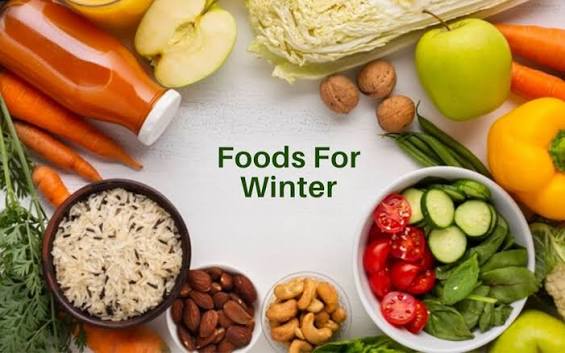
During winter, people often prefer warm, filling and comforting meals. Changes in weather can also affect daily routines, physical activity and food preferences.
A balanced winter diet can help you:
Maintain energy throughout the day.
Get essential vitamins and minerals.
Support normal immune system function.
Maintain healthy digestion with sufficient fibre.
Meet daily protein and nutritional requirements.
Stay hydrated despite feeling less thirsty.
A combination of seasonal vegetables, fruits, whole grains, pulses, nuts and dairy products can make everyday winter meals more nutritious.
15 Best Healthy Winter Foods to Include in Your Diet
1. Sarson Ka Saag
Sarson ka saag is one of the most popular traditional winter dishes in North India. Prepared using mustard greens, it is commonly served with makki ki roti.
Mustard greens provide vitamins A, C and K, along with folate and fibre. They also contain beneficial plant compounds that contribute to a balanced diet.
You can prepare sarson ka saag at home using fresh mustard leaves, spinach, ginger, garlic and a moderate amount of oil or ghee.
Why try it: It is a delicious way to include leafy green vegetables in your winter meals.
2. Makki Ki Roti
Makki ki roti is a traditional Indian flatbread made from maize flour. It is especially popular during winter and is often enjoyed with sarson ka saag.
Cornmeal provides carbohydrates and some fibre, making it a useful source of energy. It is naturally gluten-free, although people with gluten sensitivity should check for cross-contamination during preparation.
For a balanced meal, pair makki ki roti with green vegetables, curd or another protein-rich accompaniment.
Why try it: It offers a traditional, filling alternative to regular wheat-based flatbreads.
3. Bajra (Pearl Millet)
Bajra is a nutritious whole grain widely consumed in different parts of India. Bajra roti, khichdi and porridge are popular choices during colder months.
It provides fibre, plant-based protein, iron and magnesium. Including millet in meals can add variety to your regular grain choices.
You can enjoy bajra in several ways:
Bajra roti with seasonal vegetables.
Bajra khichdi with lentils.
Bajra porridge with milk.
Bajra vegetable upma.
Why try it: It is a fibre-rich whole grain that can make winter meals more satisfying.
4. Amla (Indian Gooseberry)
Amla is a popular winter fruit known for its high vitamin C content. It is commonly used in Indian households in the form of fresh fruit, juice, chutney, pickle and murabba.
Vitamin C supports normal immune function and helps the body absorb iron from plant-based foods. Amla also contains beneficial plant compounds.
You can include fresh amla in your diet by adding it to salads, chutneys or homemade preparations.
Why try it: It is an excellent seasonal source of vitamin C.
5. Carrots
Carrots are widely available during the Indian winter season. They are nutritious, versatile and easy to include in everyday meals.
They contain beta-carotene, which the body converts into vitamin A. Vitamin A plays an important role in maintaining normal vision, skin and immune function.
Healthy ways to enjoy carrots include:
Fresh carrot salad.
Carrot and vegetable soup.
Gajar matar sabzi.
Carrot juice without added sugar.
Homemade gajar ka halwa with moderate sugar and ghee.
Why try it: Carrots provide beta-carotene, fibre and a naturally sweet flavour.
6. Sweet Potatoes (Shakarkandi)
Sweet potatoes are another popular winter food in India. They can be roasted, boiled or added to different homemade recipes.
They provide complex carbohydrates, fibre and beta-carotene. They also contain potassium, which supports normal muscle and nerve function.
You can enjoy roasted shakarkandi with lemon juice and a little black salt or add boiled sweet potatoes to salads.
Why try it: They are a nutritious and filling option for winter snacks.
7. Sesame Seeds (Til)
Sesame seeds are commonly used in traditional Indian winter preparations such as til laddoo, chikki and gajak.
They provide healthy unsaturated fats, plant-based protein, calcium, iron and other minerals. Their nutritional content makes them a useful addition to a balanced diet.
You can add sesame seeds to:
Homemade laddoos.
Vegetable stir-fries.
Salads.
Chutneys.
Whole-grain snacks.
Why try it: Sesame seeds offer healthy fats and minerals in a small serving.
8. Jaggery (Gur)
Jaggery is a traditional sweetener used in many Indian winter recipes. It is commonly combined with sesame seeds, peanuts and wheat flour to prepare seasonal sweets.
It contains small amounts of minerals such as iron and potassium, but it is still an added sugar and should be consumed in moderation.
You can use small quantities of jaggery in homemade snacks instead of making every winter treat overly sweet.
Why try it: It adds traditional flavour to winter recipes, but portion control is important.
9. Spinach (Palak)
Spinach is a nutritious leafy green vegetable that is commonly used in Indian winter cooking.
It contains folate, iron, vitamin K, vitamin A and fibre. It is also a source of plant compounds that contribute to a varied and balanced diet.
Some easy ways to include spinach are:
Palak paneer.
Palak dal.
Spinach soup.
Spinach paratha.
Mixed vegetable curry.
Why try it: Spinach adds important vitamins, minerals and fibre to everyday meals.
10. Oranges and Sweet Lime
Citrus fruits such as oranges and sweet lime are refreshing winter options in many parts of India.
They provide vitamin C, water and dietary fibre, particularly when eaten whole. Vitamin C supports immune function and helps improve the absorption of iron from plant foods.
You can enjoy them as a mid-morning snack or include orange segments in a fruit salad.
Why try it: Citrus fruits are a convenient way to add vitamin C and hydration to your diet.
11. Guava (Amrood)
Guava is an affordable and nutritious fruit commonly available during the Indian winter season.
It contains vitamin C, dietary fibre, potassium and several beneficial plant compounds. Eating whole guava also provides more fibre than drinking strained fruit juice.
You can enjoy fresh guava with a little black salt or add it to seasonal fruit salads.
Why try it: Guava is a fibre-rich fruit with an excellent vitamin C content.
12. Peanuts (Moongfali)
Peanuts are a popular winter snack in India. They are often enjoyed roasted or used in chikki, chutneys and homemade snacks.
They provide plant-based protein, healthy fats, fibre and vitamin E. They can also make snacks more filling.
Some easy options include:
Roasted peanuts.
Peanut chutney.
Homemade peanut chikki.
Peanuts mixed with roasted chana.
Why try it: They provide protein and healthy fats that can support a balanced diet.
13. Walnuts and Almonds
Walnuts and almonds are commonly included in Indian winter diets. They are nutrient-dense foods that provide healthy fats, protein, fibre and several important micronutrients.
Walnuts are a source of plant-based omega-3 fatty acid ALA, while almonds provide vitamin E and magnesium.
You can enjoy a small handful as a snack or add chopped nuts to oatmeal, porridge and homemade desserts.
Why try it: Nuts provide useful nutrients and make a convenient snack when eaten in moderate portions.
14. Homemade Vegetable Soup
A bowl of warm vegetable soup is a simple way to enjoy different seasonal vegetables during winter.
You can prepare it using carrots, tomatoes, spinach, beans, peas, cabbage and other vegetables available locally.
Adding lentils, beans or paneer can increase its protein content and make it more filling.
Try to prepare homemade soups with moderate salt and avoid depending on packaged soup mixes for everyday meals.
Why try it: Vegetable soup provides warmth, fluid and an easy way to include more vegetables in your diet.
15. Ginger and Turmeric
Ginger and turmeric are widely used ingredients in Indian cooking. They add flavour to curries, soups, teas and traditional homemade preparations.
Ginger contains natural compounds called gingerols, while turmeric contains curcumin. Both have been studied for their biological properties, although they should not be treated as cures for illnesses.
You can add fresh ginger to tea, include turmeric in vegetable dishes or prepare a simple homemade ginger-turmeric soup.
Why try it: These traditional ingredients add flavour and variety to everyday winter meals.
Healthy Indian Winter Breakfast Ideas
Breakfast is a good opportunity to include whole grains, protein and seasonal vegetables in your daily diet.
Here are some simple options:
Breakfast | Nutritional highlights |
|---|---|
Vegetable poha | Carbohydrates and vegetables |
Bajra porridge | Fibre and minerals |
Moong dal chilla | Plant-based protein |
Vegetable oats | Fibre and complex carbohydrates |
Paneer paratha with curd | Protein and calcium |
Besan chilla | Plant-based protein |
Idli with sambar | Carbohydrates, protein and fibre |
Try to combine different food groups instead of relying only on tea, biscuits or refined-flour snacks.
Healthy Winter Eating Tips for Everyday Life
Eating nutritious foods is important, but maintaining healthy daily habits also makes a difference.
Healthy Winter Eating Tips
Simple everyday habits for a healthier and more balanced winter.
Choose Seasonal Fruits and Vegetables
Include carrots, spinach, peas, radish, guava, oranges and amla in your meals. Seasonal produce adds variety and provides essential nutrients.
Include Protein in Your Meals
Add dal, chickpeas, rajma, paneer, curd or eggs to your daily diet. Protein helps maintain muscles and supports normal body functions.
Stay Hydrated
Drink enough water throughout the day, even when you feel less thirsty. Soups, milk and other suitable fluids can also support hydration.
Limit Sugar and Fried Foods
Enjoy traditional winter sweets and fried snacks occasionally. Avoid eating them in excess to keep added sugar and unhealthy fats in check.
Add Whole Grains to Your Diet
Include bajra, jowar, ragi, oats and whole wheat in your meals. These grains provide fibre and make everyday meals more nutritious.
Maintain Regular Physical Activity
Continue walking, stretching, yoga or other suitable exercises during winter. Regular movement supports fitness and overall well-being.
Sample One-Day Healthy Indian Winter Diet Plan
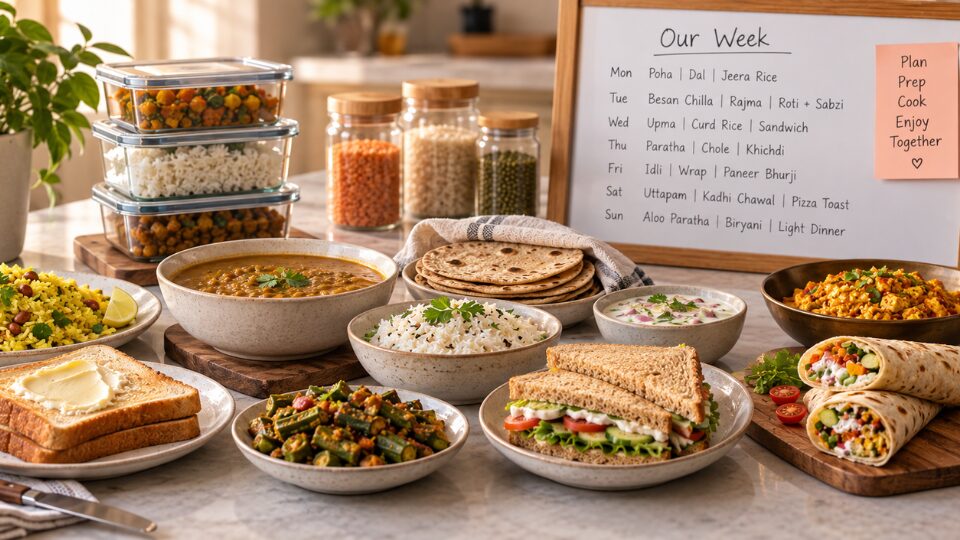
If you want a simple starting point, here is an example of a balanced winter meal routine.
Meal | Food Options |
|---|---|
Early Morning | Warm water and a seasonal fruit |
Breakfast | Moong dal chilla with curd |
Mid-Morning | Guava or orange |
Lunch | Bajra roti, dal, seasonal sabzi and salad |
Evening Snack | Roasted peanuts or almonds |
Dinner | Vegetable khichdi with curd or homemade soup with paneer |
After Dinner | Water or another suitable unsweetened drink |
This is a general meal example, not an individualised diet plan. Food portions and choices should be adjusted according to age, activity level, health needs and personal preferences.
Conclusion
Winter is a great time to enjoy seasonal Indian foods while making healthier choices. From sarson ka saag and bajra roti to amla, carrots, guava, peanuts and walnuts, there are plenty of nutritious ingredients to include in everyday meals.
The best approach is to eat a variety of seasonal fruits, vegetables, whole grains, protein-rich foods and healthy fats. You do not need to give up your favourite winter dishes. Instead, enjoy traditional recipes in balanced portions and prepare them using nutritious ingredients.
With simple food choices, regular physical activity and proper hydration, you can make this winter season both enjoyable and healthy.
FAQ'S
Some nutritious Indian winter foods include sarson ka saag, bajra, amla, carrots, spinach, sweet potatoes, guava, sesame seeds and nuts.
Amla, oranges, guava, sweet lime and seasonal apples are good fruit choices during winter.
Yes. Bajra provides fibre, plant-based protein, iron and magnesium. It can be included in a balanced diet through roti, khichdi and porridge.
A varied diet containing vitamin C-rich fruits, leafy vegetables, protein sources, whole grains and nuts helps support normal immune function. No single food can prevent infections.
Jaggery contains small amounts of minerals, but it is still an added sugar. Both should be consumed in moderation.
Sources and review notes
References used to check facts, freshness, and reader-safe recommendations in this guide.
Nutrition information can be cross-checked with the Indian Council of Medical Research (ICMR), National Institute of Nutrition (NIN) and USDA FoodData Central.
- 1
Discussion
0 comments
No comments yet
Discussion will appear here once it loads.