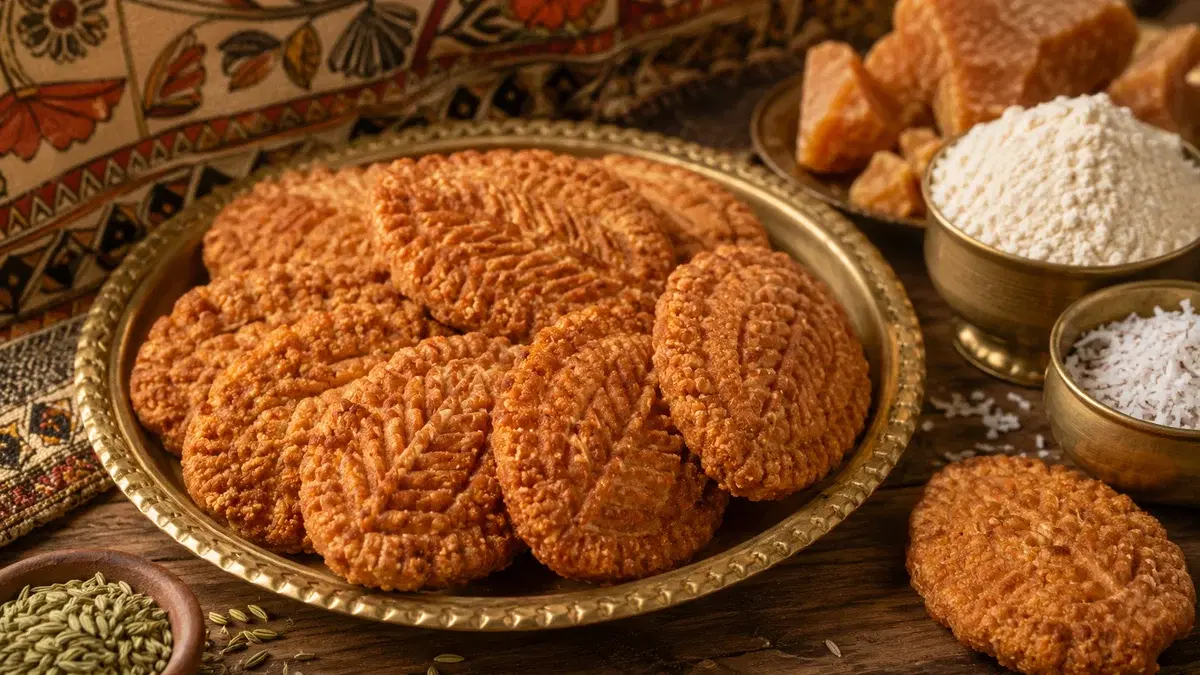
Thekua is one of the most loved traditional sweets in Bihar, Jharkhand and parts of eastern Uttar Pradesh. Made with simple ingredients such as wheat flour, jaggery, ghee and fennel seeds, this homemade sweet is especially popular during Chhath Puja. Its golden-brown colour, crunchy texture and mild sweetness make it a favourite festive treat.
What makes thekua special is its traditional preparation. The dough is shaped into small decorative pieces and slowly fried until crisp on the outside and perfectly cooked inside. Although it is closely associated with festivals, you can prepare it at home whenever you crave a traditional Indian sweet.
In this guide, you will learn how to make crispy thekua at home, including the ingredients, preparation method, frying tips and common mistakes to avoid.
What Is Thekua?
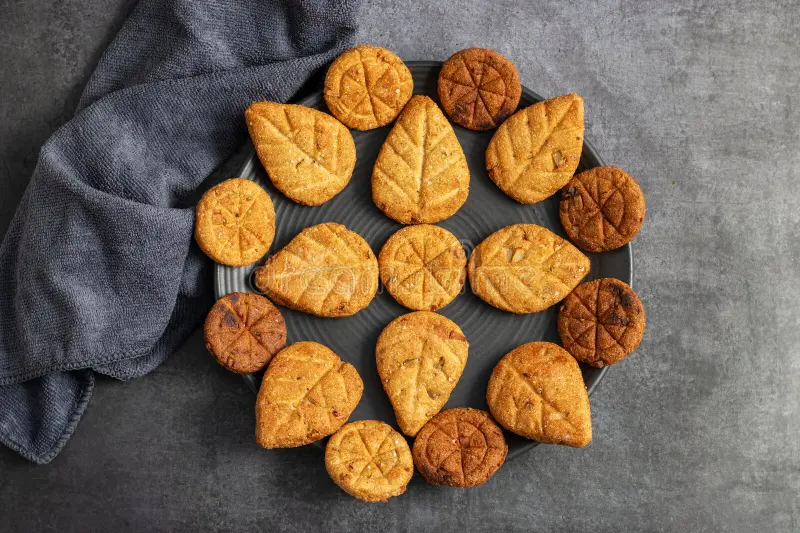
Thekua is a traditional Indian sweet prepared mainly with whole wheat flour, jaggery or sugar, ghee and aromatic spices. It is commonly offered as prasad during Chhath Puja, an important festival celebrated with great devotion in Bihar, Jharkhand and several other regions.
Unlike soft sweets, thekua has a firm, crunchy texture and a rich flavour. Traditionally, it is shaped using a wooden mould that creates beautiful patterns on its surface. It is then deep-fried slowly until it develops a golden-brown colour.
Thekua is also appreciated because it can be stored for several days when prepared and stored properly.
Thekua Recipe: Preparation Details
Details | Information |
|---|---|
Preparation Time | 15–20 minutes |
Cooking Time | 20–25 minutes |
Total Time | 35–45 minutes |
Servings | 15–20 pieces |
Difficulty Level | Easy |
Cooking Method | Deep frying |
Main Ingredient | Whole wheat flour |
Taste | Sweet and crispy |
Ingredients Required to Make Traditional Thekua
You do not need expensive or complicated ingredients to prepare traditional thekua. Most of the ingredients are easily available in an Indian kitchen.
Ingredient | Quantity |
|---|---|
Whole wheat flour (atta) | 2 cups |
Jaggery (gur) | ½ cup |
Ghee | 3–4 tablespoons |
Fennel seeds (saunf) | ½ teaspoon |
Cardamom powder | ½ teaspoon |
Grated coconut | 2 tablespoons (optional) |
Water | As required |
Oil or ghee | For deep frying |
Ingredient Tips:
Use fresh whole wheat flour for a better texture.
Choose good-quality jaggery for a naturally sweet flavour.
Ghee helps create a rich taste and crumbly texture.
Fennel seeds add a pleasant traditional aroma.
Coconut is optional but gives thekua an additional flavour.
How to Make Crispy Thekua at Home: Step-by-Step Recipe
Making thekua at home is simple when you follow the correct preparation and frying technique. Follow these steps to achieve a beautiful golden colour and crispy texture.
Step 1: Prepare the Jaggery Syrup
Start by breaking the jaggery into small pieces. Add it to a saucepan with a little water and heat on a low flame.
Stir until the jaggery dissolves completely. Once ready, strain the mixture to remove any impurities and allow it to cool until lukewarm.
Avoid making a thick jaggery syrup because it can make the dough difficult to prepare.
Step 2: Prepare the Flour Mixture
Take whole wheat flour in a large mixing bowl. Add ghee, fennel seeds, cardamom powder and grated coconut.
Mix everything properly using your fingertips. The flour should develop a slightly crumbly texture.
This step is important because properly mixing the ghee into the flour helps give the thekua its characteristic texture.
Step 3: Knead the Dough
Gradually add the prepared jaggery syrup to the flour mixture.
Mix gently and bring everything together to form a firm dough. Add a little water only if necessary.
Do not make the dough too soft or sticky. A firm dough helps the thekua maintain its shape while frying.
Cover the dough and let it rest for approximately 5–10 minutes.
Step 4: Shape the Thekua
Divide the dough into small equal-sized portions.
Roll each portion into a small ball and gently flatten it using your palms. You can use a traditional wooden thekua mould to create decorative patterns.
If you do not have a mould, use a fork or the back of a small grater to create simple designs.
Make sure the pieces have a similar thickness so that they cook evenly.
Step 5: Heat the Oil
Take a deep frying pan or kadai and add enough oil or ghee for frying.
Heat it on a low to medium flame. To check whether the oil is ready, drop a tiny piece of dough into it. If it rises slowly, the temperature is suitable.
Avoid heating the oil too much, as the outside may turn dark before the inside cooks properly.
Step 6: Fry Until Golden Brown
Carefully place the shaped thekua into the hot oil. Do not overcrowd the kadai.
Fry them slowly over low to medium heat. Turn occasionally so that both sides develop an even golden-brown colour.
Once they become crisp and properly cooked, remove them using a slotted spoon.
Place the fried thekua on a plate lined with kitchen paper to absorb excess oil.
Step 7: Cool and Serve
Allow the thekua to cool completely before serving.
Freshly fried thekua may feel slightly soft when hot, but it becomes firmer and crispier as it cools.
Your traditional homemade thekua is now ready to enjoy with family or offer as Chhath Puja prasad.
Important Tips for Making Perfect Crispy Thekua
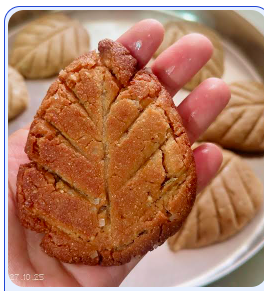
A few small details can make a noticeable difference in the final result.
1. Keep the Dough Firm: Soft dough can make thekua lose its shape during frying. Prepare a firm dough that is easy to shape.
2. Mix Ghee Properly: Rub the ghee into the flour until the mixture looks slightly crumbly. This helps develop a good texture.
3. Avoid High Heat: Always fry thekua slowly. High temperatures can burn the outer surface while leaving the centre undercooked.
4. Maintain Equal Thickness: Make all pieces approximately the same thickness for consistent cooking.
5. Allow Proper Cooling: Do not store thekua while it is still warm. Trapped moisture can affect its crispness.
6. Use Good-Quality Jaggery: Clean, fresh jaggery gives the sweet a pleasant flavour and attractive colour.
Different Types of Thekua You Can Make at Home
Although traditional jaggery thekua is the most popular version, you can try a few variations according to your taste.
Type of Thekua | Main Ingredients | Taste and Texture |
|---|---|---|
Traditional Gur Thekua | Wheat flour and jaggery | Rich, mildly sweet and crispy |
Sugar Thekua | Wheat flour and sugar | Sweet with a crunchy texture |
Coconut Thekua | Wheat flour and grated coconut | Mildly sweet with coconut flavour |
Dry Fruit Thekua | Wheat flour and chopped nuts | Rich and nutty |
Cardamom Thekua | Wheat flour and cardamom | Sweet with a fragrant aroma |
For a traditional Chhath Puja preparation, jaggery-based thekua is a popular choice.
Common Mistakes to Avoid While Making Thekua
Even though the recipe is straightforward, a few common mistakes can affect the taste and texture.
Adding Too Much Water: Excess water makes the dough soft and difficult to shape.
Using Very Hot Oil: This can cause the outside to brown quickly while the inside remains uncooked.
Making Pieces Too Thick: Thick pieces may take longer to cook and can remain soft in the centre.
Frying Too Many Pieces Together: Overcrowding reduces the oil temperature and affects even frying.
Storing Before Cooling: Warm thekua can create moisture inside the storage container.
Using Excessive Jaggery Syrup: Too much liquid makes the dough sticky and difficult to handle.
Avoiding these mistakes will help you prepare evenly cooked, delicious homemade thekua.
How to Store Homemade Thekua
One of the convenient things about thekua is that it can be prepared in advance for festivals and family gatherings.
Follow these simple storage suggestions:
Let the thekua cool completely after frying.
Store it in a clean, dry and airtight container.
Keep the container away from direct sunlight and moisture.
Always use a clean, dry spoon or hand when taking pieces out.
Check its smell, appearance and texture before eating stored thekua.
Its shelf life depends on the ingredients, moisture level, preparation and storage conditions. For the best taste and quality, consume it within a few days and avoid storing it in humid conditions.
Why Is Thekua Special During Chhath Puja?
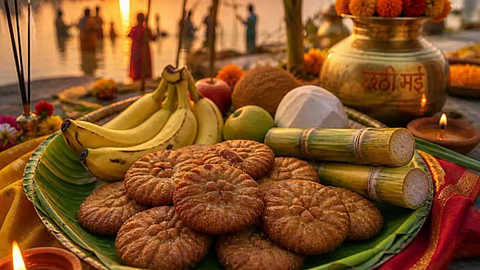
Thekua holds an important place in the traditions of Chhath Puja. It is commonly prepared as an offering to Chhathi Maiya and the Sun God during this festival.
Families prepare thekua with devotion using traditional ingredients and cooking methods. The preparation often becomes a shared family activity, with different members helping to knead the dough, shape the sweets and fry them.
For many people, thekua is more than a festive sweet. It represents family traditions, cultural memories and the spirit of Chhath Puja.
Conclusion
Traditional thekua is a simple yet special Indian sweet that brings together familiar ingredients and generations-old cooking traditions. With whole wheat flour, jaggery, ghee and a few aromatic spices, you can prepare delicious crispy thekua in your own kitchen.
The key to getting the right texture is preparing firm dough, shaping the pieces evenly and frying them slowly over low to medium heat. Whether you are making it for Chhath Puja, a family celebration or simply to enjoy a traditional homemade sweet, this recipe is worth trying.
Prepare a fresh batch, share it with your loved ones and enjoy the authentic taste of homemade Bihari thekua.
FAQ'S
Whole wheat flour is the main ingredient in traditional thekua. Jaggery, ghee and fennel seeds are also commonly used to prepare it.
Thekua may become soft if the dough contains too much moisture, the pieces are too thick or they are not fried properly. Allowing them to cool completely also helps develop a firmer texture.
Yes. You can prepare thekua using sugar instead of jaggery. However, the flavour and colour will be slightly different from the traditional version.
Yes. You can shape the dough using your hands and create patterns with a fork, knife or grater.
Whole wheat flour (atta) is traditionally used. It provides a firm structure and gives thekua its familiar taste.
Sources and notes
Links the author listed for this post.
Recipe based on traditional Bihari-style thekua preparation using wheat flour, jaggery and ghee. Ingredients and cooking methods may vary between households.

Discussion
0 comments
No comments yet
Discussion will appear here once it loads.