Choosing between leasing and buying a car is an important financial decision for drivers. Both options provide access to a vehicle, but they work differently when it comes to monthly payments, ownership, maintenance responsibilities, mileage restrictions, and long-term expenses. The right choice depends on how frequently you drive, how long you plan to keep the vehicle, your financial situation, and your personal preferences.
Leasing generally allows drivers to use a vehicle for a fixed period without owning it. Buying a car, whether through cash or financing, allows the driver to build ownership over time. However, the actual cost of either option goes beyond the advertised monthly payment.
Before making a decision, drivers should calculate the total amount they may spend throughout the agreement. They should also consider depreciation, insurance, taxes, fuel, servicing, repair costs, and the vehicle's expected resale value.
Explore AltFTool for free online calculators, financial tools, and digital resources to simplify everyday calculations and help you make informed decisions.
Understanding these factors can help drivers avoid unexpected expenses and select an arrangement that supports their transportation needs and budget.
Understand the Main Difference Between Leasing and Buying
The first step is understanding how leasing and buying differ financially and practically.
When leasing a car, the driver pays to use the vehicle for an agreed period, usually two to four years. Monthly lease payments generally reflect the vehicle's expected depreciation during the agreement, along with applicable financing charges, taxes, and fees. At the end of the lease, the vehicle is usually returned, although some agreements provide an option to purchase it.
When buying a car, the driver pays the full purchase price upfront or finances the vehicle through a loan. Loan payments gradually reduce the outstanding balance, and once the loan is repaid, the owner keeps the vehicle without monthly loan instalments.
Ownership also means the driver can generally sell the vehicle, modify it within applicable rules, or continue using it for as long as it remains suitable.
Factor | Leasing a Car | Buying a Car | Why It Matters |
|---|---|---|---|
Ownership | Usually remains with the leasing company | Belongs to the buyer | Determines long-term control |
Monthly Payments | Often lower | Can be higher with financing | Affects monthly budget |
Mileage | Usually has an agreed limit | No lease mileage restriction | Important for frequent drivers |
End of Agreement | Return or possible purchase | Keep or sell the vehicle | Changes future expenses |
Neither option is automatically cheaper. Drivers need to compare the complete financial commitment rather than focusing only on monthly payments.
Calculate the Total Monthly Cost

Monthly payments are among the first expenses drivers consider. However, comparing lease and loan instalments alone can create an inaccurate picture.
A lease may have a lower monthly payment, but it can include additional charges, mileage restrictions, and end-of-contract expenses. Buying may involve a larger monthly loan payment, but part of that payment reduces the amount owed on an asset that may retain some resale value.
Drivers should calculate the complete monthly cost of operating the vehicle.
For a leased car, consider:
Monthly lease payment
Insurance premium
Fuel or electricity expenses
Routine maintenance
Parking and toll charges
Applicable taxes and fees
Additional mileage or contract-related costs
For a purchased car, consider:
Monthly loan instalment
Insurance premium
Fuel or electricity expenses
Routine servicing
Repairs and replacement parts
Registration and road taxes
Parking and toll charges
The monthly budget should also include an allowance for unexpected expenses. This is particularly important for owners because repair costs may increase as the vehicle becomes older.
Compare the Initial Down Payment and Upfront Charges
The amount required at the beginning of an agreement can significantly affect affordability.
Buying a car through financing often requires a down payment. A larger down payment reduces the amount borrowed and may lower monthly instalments and total interest expenses.
Leasing can also require an initial payment. Depending on the agreement, this may include the first month's payment, a security deposit, registration charges, acquisition fees, or other costs.
Drivers should not assume that leasing always requires less money upfront. Some attractive lease offers may involve substantial initial payments.
Before signing either agreement, calculate all charges that must be paid before receiving the vehicle.
Upfront Expense | Leasing | Buying | What to Check |
|---|---|---|---|
Initial Payment | May be required | Down payment may be required | Total amount due |
Registration | Depends on agreement | Usually applicable | Registration charges |
Processing Fees | May apply | Loan fees may apply | Administrative costs |
Security Deposit | May be refundable | Usually not applicable | Refund conditions |
A lower upfront payment can help preserve savings, but it should not automatically determine the final decision. The total cost over the complete agreement remains more important.
Calculate Depreciation and Resale Value

Depreciation is one of the most important factors when comparing leasing and buying.
A new vehicle generally loses value over time because of age, mileage, market demand, and changing technology. The rate of depreciation varies by vehicle model, condition, brand reputation, and market conditions.
When buying a car, depreciation directly affects the vehicle's resale value. For example, if a car costs $30,000 and its estimated value after four years is $17,000, the owner has experienced $13,000 in depreciation.
When leasing, depreciation is usually reflected in the payment structure. The leasing company estimates the vehicle's future value and calculates the amount the driver pays for using it during the agreement.
Drivers should understand the estimated residual value before accepting a lease offer. A higher residual value can sometimes result in lower monthly lease payments, depending on the other agreement terms.
Example of Vehicle Depreciation
Vehicle Details | Year 1 | Year 2 | Year 3 | Year 4 |
|---|---|---|---|---|
Original Price | $30,000 | $30,000 | $30,000 | $30,000 |
Estimated Value | $25,000 | $22,000 | $19,000 | $17,000 |
Value Lost | $5,000 | $8,000 | $11,000 | $13,000 |
These figures are illustrative rather than guaranteed market values. Actual depreciation depends on the vehicle and its condition.
Drivers who plan to keep a car for many years may find buying attractive because they can continue using it after the loan is repaid. However, they should remember that the vehicle may require more repairs and maintenance as it ages.
Calculate the Total Cost of Ownership
The total cost of ownership includes every major expense associated with having and using a vehicle.
This calculation is especially useful because it shows the financial commitment beyond the purchase price or lease payment.
For a purchased car, the total cost may include:
Purchase price
Loan interest
Down payment
Insurance
Fuel
Maintenance and repairs
Registration and taxes
Depreciation
Parking and other operating expenses
For a leased car, include:
Initial lease payment
Monthly lease instalments
Insurance
Fuel or electricity
Maintenance responsibilities
Registration and applicable taxes
Mileage penalties
Return or inspection charges
Possible purchase or termination fees
To make a fair comparison, drivers should use the same ownership period for both options. For example, compare a three-year lease with the cost of buying and using a vehicle for three years.
It is also useful to subtract the expected resale value from the cost of buying. Otherwise, the comparison may make buying appear more expensive than it actually is.
A Simple Three-Year Cost Comparison
Suppose a driver is comparing leasing and buying a vehicle for three years. The following example uses estimated figures to demonstrate how the calculation works.
Expense | Leasing | Buying | Notes |
|---|---|---|---|
Initial Payment | $2,000 | $5,000 | Upfront amount |
Monthly Payments | $12,600 | $18,000 | Total over 36 months |
Insurance and Maintenance | $6,000 | $7,500 | Estimated expenses |
Estimated Resale Value | Not applicable | $18,000 | Value after three years |
In this simplified example, the lease-related costs total $20,600, while the purchase-related costs total $30,500 before deducting the estimated resale value. After subtracting the $18,000 resale value, the estimated net purchase cost becomes $12,500.
This example shows why monthly payments alone are not enough to compare the two options. The buyer may have a higher payment but still experience a lower net cost after selling the vehicle.
Actual results will depend on loan interest, taxes, fees, maintenance, insurance, resale conditions, and lease terms. The figures are not market quotations.
What changed
Estimate Annual Mileage and Possible Penalties
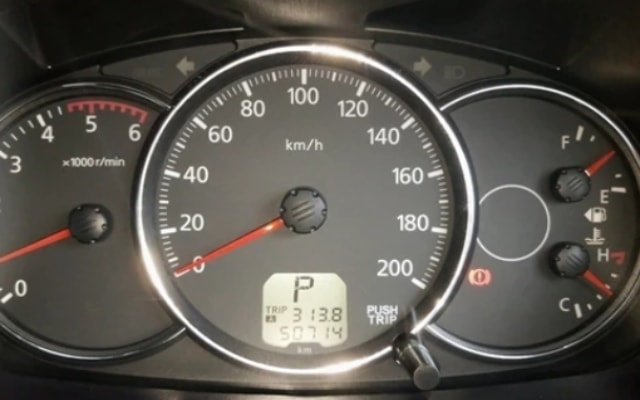
Mileage is another important calculation, especially for drivers who travel frequently.
Most vehicle leases include an annual mileage allowance. Common agreements may offer limits such as 10,000, 12,000, or 15,000 miles per year, although the actual limits depend on the provider and contract.
If the driver exceeds the agreed allowance, additional mileage charges may apply.
For example, a driver who expects to travel 18,000 miles annually should not select a lease with a 10,000-mile limit without calculating the additional charges.
Buying generally provides more flexibility because there is no contractual mileage limit. However, higher mileage can increase maintenance requirements and reduce resale value.
Before choosing a lease, estimate your daily commute, weekend travel, holidays, and other regular journeys.
A useful calculation is:
Annual Mileage = Daily Mileage × Working Days + Weekend and Personal Travel
Drivers should also consider whether their travel requirements may change during the agreement. A new job, longer commute, or family responsibility could increase annual mileage unexpectedly.
Compare Insurance Costs
Insurance is a necessary expense for most drivers, regardless of whether they lease or buy a vehicle.
However, insurance requirements and costs can differ between the two arrangements.
Leasing companies may require specific insurance coverage, minimum liability limits, comprehensive coverage, and collision protection. Some agreements may also require gap coverage or include certain protections through separate arrangements.
When buying, insurance requirements depend on local regulations and whether the vehicle is financed. A lender may require comprehensive and collision coverage until the loan is repaid.
Insurance premiums are influenced by several factors:
Vehicle make and model
Driver's age and driving history
Location
Annual mileage
Coverage type
Deductible amount
Previous insurance claims
Drivers should obtain insurance estimates before selecting a particular vehicle. A car with an affordable purchase price may still have expensive insurance.
Comparing insurance costs for the same vehicle under both arrangements can make the financial decision clearer.
Calculate Maintenance and Repair Expenses

Maintenance responsibilities can influence the overall cost of leasing or buying.
A leased vehicle is generally newer, so it may require fewer major repairs during the agreement. Some leasing arrangements include scheduled maintenance, while others require the driver to pay for servicing separately.
Drivers should read the agreement carefully to understand which services are covered.
Buying a vehicle provides more control over maintenance decisions, but the owner is responsible for repairs outside any applicable warranty or service package.
Common expenses include:
Oil and filter changes
Tyre replacement
Brake servicing
Battery replacement
Engine and transmission repairs
Air conditioning maintenance
General inspections
A vehicle's age, driving conditions, and maintenance history can affect these expenses.
Drivers planning to keep a purchased car for five years or longer should estimate future repair costs rather than assuming the vehicle will remain inexpensive to operate.
Consider Loan Interest and Financing Charges
When buying through a loan, interest can make a significant difference to the total purchase cost.
The interest rate, loan term, down payment, and credit profile influence the amount a buyer pays over time.
A longer loan term may reduce monthly instalments, but it can increase the total interest paid. A shorter loan term may involve higher monthly payments while reducing the overall financing cost.
For example, a driver financing a $25,000 vehicle should compare different interest rates and repayment periods before accepting an offer.
Leasing also involves financing-related costs, although they may be presented differently. The money factor, adjusted capitalised cost, residual value, and other charges can influence the lease payment.
Drivers should ask for a clear breakdown of these figures instead of comparing only the advertised monthly amount.
Evaluate the Length of Time You Plan to Keep the Car
The period for which you plan to use a vehicle can strongly influence the better financial choice.
Leasing may be suitable for drivers who prefer changing vehicles every few years. They can return the vehicle when the agreement ends and select another model, subject to the contract conditions.
Buying may be more practical for drivers who want to keep the same vehicle for a longer period. Once the loan is repaid, they can continue driving without monthly loan instalments.
However, long-term ownership also involves ageing components, repairs, and potential changes in fuel efficiency or technology.
Drivers should estimate how long they realistically expect to keep the vehicle before comparing the two options.
Ownership Period | Leasing Considerations | Buying Considerations | Important Calculation |
|---|---|---|---|
1–2 Years | Short-term vehicle access | Resale may be affected by depreciation | Initial and exit costs |
3–4 Years | Common lease period | Loan balance and resale value | Total agreement cost |
5–6 Years | A second lease may be needed | Loan may be fully repaid | Maintenance and depreciation |
7+ Years | Repeated lease payments | Continued use after loan repayment | Long-term ownership cost |
There is no universal ownership period that makes one option better. The result depends on the vehicle's value, financing terms, repair history, and future needs.
Understand Lease-End Charges and Conditions
Drivers considering leasing should calculate possible end-of-contract expenses before signing the agreement.
Returning a leased car does not always mean the financial responsibility ends immediately. The leasing company may inspect the vehicle for excess wear, damage, missing equipment, and mileage overages.
Possible charges include:
Excess mileage fees
Damage beyond normal wear and tear
Missing keys or accessories
Unpaid monthly payments
Early termination charges
Vehicle return or administration fees
Normal wear and tear is generally expected, but the definition can vary between leasing providers.
Drivers should understand the inspection standards and ask how damage is assessed.
Those who want to purchase the vehicle at the end of the lease should also check the purchase option price, taxes, and additional fees. The total amount should be compared with the vehicle's market value at that time.
Consider Tax Benefits and Local Regulations

Tax treatment can affect the cost of leasing or buying, but the rules depend on the driver's location and vehicle use.
In some regions, businesses may be able to claim certain vehicle-related expenses. Depending on local rules, these may include eligible lease payments, depreciation, loan interest, or operating costs.
Personal vehicle users may have different tax treatment.
Drivers should also consider registration fees, road taxes, sales taxes, and any applicable environmental or vehicle-related charges.
For business use, it is particularly important to distinguish personal mileage from business mileage and maintain accurate records.
Tax benefits should never be assumed without checking eligibility. A lower advertised payment does not automatically mean a lower after-tax cost.
FAQ's
Leasing may offer lower monthly payments, but buying can provide better long-term value for drivers who keep their vehicles for several years. The total cost depends on payments, interest, depreciation, insurance, maintenance, and other expenses.
Yes, most lease agreements include an annual mileage allowance. Exceeding the agreed limit may result in additional charges, so drivers should estimate their yearly travel before choosing a lease.
When buying a car, consider the purchase price, down payment, loan interest, insurance, registration, fuel, servicing, repairs, and depreciation. The expected resale value should also be included.
A calculator helps compare monthly payments, upfront costs, loan interest, depreciation, maintenance, insurance, and resale value. It provides an estimated comparison that can support a more informed financial decision.
Drivers should calculate the initial payment, monthly instalments, insurance, fuel, maintenance, mileage charges, taxes, and possible lease-end fees before signing an agreement.
Sources and notes
Links the author listed for this post.
This article is based on general automotive financing concepts, vehicle leasing practices, car ownership costs, depreciation, insurance, and maintenance considerations. Cost examples are illustrative and may vary depending on the vehicle, location, and agreement terms.
More on AltFTool
- AltFTool (opens in a new tab)
altftool.com


Discussion
0 comments