
A healthy lifestyle does not begin with a complete change in your daily schedule. It often starts with small decisions, such as drinking enough water, getting a little fresh air, eating balanced meals, or taking a few minutes to relax after a busy day. These habits may seem simple, but when they become part of everyday life, they can make a meaningful difference to your overall well-being.
Many people want to improve their health, manage stress, sleep better, and feel more energetic. However, maintaining a wellness routine can become difficult when the plan is too complicated. Waking up extremely early, following strict diets, exercising for long hours, or trying to change everything at once may feel motivating initially, but such routines are not always easy to maintain.
The secret is to create a routine that fits your lifestyle rather than forcing your lifestyle to fit a routine.
A healthy daily wellness routine should support your physical health, mental well-being, emotional balance, and personal needs. It should be flexible enough to work on busy days and simple enough to follow without feeling overwhelmed.
In this guide, we will explore how to build a realistic wellness routine, which daily habits are worth developing, and how to stay consistent without putting unnecessary pressure on yourself.
1. Understand What Wellness Really Means
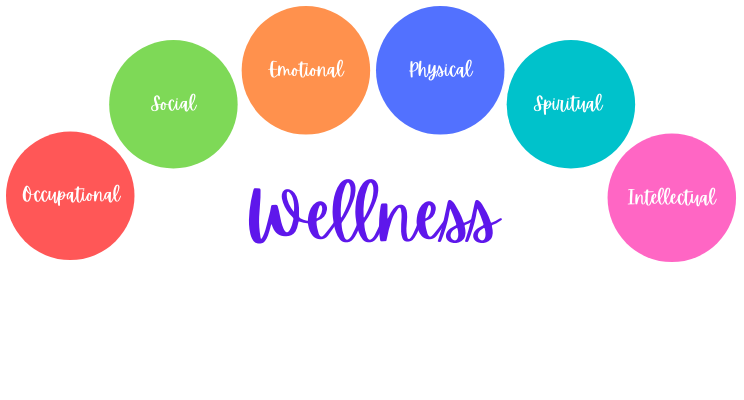
Before creating a wellness routine, it is important to understand that wellness is much broader than physical fitness. It includes several parts of everyday life that influence how you feel, think, and function.
A balanced wellness routine generally focuses on the following areas.
Physical Wellness
Physical wellness involves taking care of your body through regular movement, nutritious food, sufficient sleep, hydration, and appropriate healthcare.
You do not need to spend hours at the gym to support your physical health. Walking, stretching, cycling, dancing, or participating in a favourite sport can all become useful parts of an active lifestyle.
Mental Wellness
Mental wellness is about supporting your ability to think clearly, manage everyday challenges, and maintain psychological well-being.
Activities such as reading, journaling, mindfulness, spending time outdoors, and taking breaks from digital devices can help create space for relaxation and reflection.
Emotional Wellness
Emotional wellness involves recognising your feelings and responding to them in healthy ways.
Instead of ignoring stress or expecting yourself to feel positive all the time, learn to acknowledge your emotions. Talking to someone you trust, setting boundaries, and making time for activities you enjoy can support emotional well-being.
Social Wellness
Healthy relationships are also an important part of overall wellness. Spending quality time with family, connecting with friends, and participating in community activities can help people feel supported and connected.
Lifestyle Wellness
Lifestyle wellness includes the everyday choices that influence your quality of life, such as maintaining a manageable schedule, balancing work and personal time, and creating a comfortable living environment.
These areas are connected. For example, poor sleep may affect your mood, concentration, and motivation to exercise. A good wellness routine considers the bigger picture rather than focusing on only one habit.
2. Start Your Morning With Simple Healthy Habits
How you begin your morning can influence the way you approach the rest of the day. You do not need an elaborate morning routine to feel organised and refreshed.
Start with a few manageable habits that help you feel prepared.
Wake Up at a Consistent Time
Try to maintain a reasonably consistent wake-up time, including on weekends when possible. A regular sleep schedule helps support your body's natural sleep-wake cycle.
You do not have to wake up at 5 AM simply because it is popular on social media. Choose a time that allows you to get sufficient sleep and manage your daily responsibilities.
Drink Water After Waking Up
After several hours of sleep, drinking water can help you begin your day hydrated.
Keep a glass or bottle of water near your bed or in your kitchen so that it is easy to remember. Your total fluid needs will depend on factors such as activity level, climate, health, and diet.
Get Some Natural Light
Spending a little time in natural daylight during the morning can help regulate your body's internal clock.
You could open the curtains, sit on a balcony, water your plants, or take a short walk outside. Even a simple change of environment can make your morning feel less rushed.
Avoid Checking Your Phone Immediately
Many people begin their mornings by checking messages, emails, or social media. This can quickly shift attention towards other people's demands before they have had time to focus on themselves.
Try giving yourself the first 15 to 20 minutes of the morning without unnecessary screen time. Use that time to get ready, enjoy breakfast, stretch, or plan your day.
3. Include Regular Physical Activity in Your Routine
Movement is one of the most important parts of a healthy wellness routine. Regular physical activity supports heart health, muscle strength, mobility, energy levels, and overall fitness.
The good news is that exercise does not have to be complicated or expensive.
Choose an Activity You Enjoy
The best exercise routine is one you can realistically continue. If you dislike running, you do not have to make it your daily activity.
Consider trying:
Brisk walking.
Cycling.
Swimming.
Yoga.
Dancing.
Strength training.
Outdoor games or sports.
Simple home workouts.
Trying different activities can help you discover what feels enjoyable rather than treating exercise as another obligation.
Set Realistic Fitness Goals
Start with a manageable amount of activity and gradually increase it as your fitness improves.
For general health, the World Health Organization recommends that adults aim for at least 150 to 300 minutes of moderate-intensity aerobic physical activity per week, or an equivalent amount of vigorous activity, alongside muscle-strengthening activities on at least two days per week.
However, beginners should not feel pressured to achieve these targets immediately. Starting with short walks or gentle movement is a useful first step.
Take Breaks From Sitting
If you work at a desk or spend several hours studying, remember to move throughout the day.
Stand up, stretch your shoulders, walk around the room, or take a short break between tasks. These small movements can help reduce long periods of uninterrupted sitting.
4. Build a Balanced Eating Routine
Food plays an important role in physical health, energy, concentration, and general well-being. A healthy eating routine does not require expensive ingredients or strict food restrictions.
Instead, focus on variety, balance, and consistency.
Include Different Food Groups
Try to include a combination of vegetables, fruits, whole grains, protein-rich foods, and healthy fats in your meals.
For example:
Vegetables: Spinach, carrots, broccoli, tomatoes, and seasonal vegetables.
Fruits: Bananas, apples, oranges, berries, and other seasonal choices.
Whole grains: Oats, brown rice, whole-wheat roti, and millets.
Protein sources: Lentils, beans, eggs, yoghurt, fish, tofu, and lean meat.
Healthy fats: Nuts, seeds, olive oil, and other suitable sources.
A varied diet helps provide nutrients that support different functions in the body.
Do Not Skip Meals Just to Follow a Trend
Some people skip breakfast or follow restrictive eating patterns because they see them recommended online. However, eating habits should depend on individual needs, health conditions, preferences, and daily activity.
If skipping meals leaves you feeling tired, distracted, or excessively hungry later, reconsider your routine.
Choose meal timings that help you maintain energy and meet your nutritional needs.
Plan Your Meals in Advance
A little preparation can make healthy eating easier during busy weekdays.
You can wash and cut vegetables, prepare lentils, cook grains, or keep convenient ingredients ready for quick meals.
Planning does not mean eating the same food every day. It simply reduces the need to make rushed food decisions when you are tired or busy.
Be Mindful of Eating Habits
Try to eat without constantly scrolling through your phone or working on another task. Pay attention to hunger, fullness, and how different foods make you feel.
There is no need to label every food as completely good or bad. A balanced eating pattern can include foods you enjoy while still providing the nutrients your body needs.
5. Make Quality Sleep a Daily Priority

Sleep is often overlooked when people plan their wellness routines. They may focus on workouts, skincare, and healthy meals while sacrificing rest to complete other tasks.
However, sleep is essential for physical recovery, memory, concentration, emotional regulation, and overall health.
Maintain a Regular Sleep Schedule
Try to go to bed and wake up at approximately the same times each day.
Most adults need at least seven hours of sleep per night, although individual requirements can vary.
If your current sleep schedule is irregular, make gradual adjustments rather than trying to change everything overnight.
Create a Relaxing Bedtime Routine
Your body needs time to transition from daily activity to rest.
A simple bedtime routine might include:
Taking a warm shower.
Reading a few pages of a book.
Preparing clothes for the next day.
Listening to calm music.
Practising gentle stretching.
Writing down unfinished tasks.
Choose activities that help you slow down rather than making bedtime feel like another demanding schedule.
Reduce Late-Night Screen Time
Bright screens, stimulating content, and constant notifications can make it harder for some people to relax before bed.
Consider reducing phone use during the hour before sleeping. If you need to use a device, adjust its brightness and avoid content that makes you feel stressed or overly alert.
Make Your Bedroom Comfortable
A comfortable sleeping environment can support better rest.
Keep your bedroom as quiet, dark, and cool as practical. Choose comfortable bedding and try to reduce unnecessary noise and light.
If you regularly struggle with sleep despite making changes, consider discussing the problem with a qualified healthcare professional.
6. Give Your Mental Health Daily Attention
Mental wellness deserves the same attention as physical health. Work pressure, financial responsibilities, personal relationships, and digital distractions can all contribute to everyday stress.
You may not be able to remove every source of stress, but you can develop habits that help you respond to challenges more thoughtfully.
Practise Mindfulness
Mindfulness means paying attention to the present moment rather than constantly worrying about the past or future.
You can begin with just five minutes of quiet breathing.
Sit comfortably, focus on your breathing, and gently bring your attention back whenever your thoughts wander. The goal is not to stop thinking completely but to practise noticing your thoughts without becoming overwhelmed by them.
Try Journaling
Writing down your thoughts can help you understand what is happening in your mind.
You could write about:
What went well today.
What made you feel stressed.
Something you are grateful for.
A personal goal you want to work towards.
One thing you would like to improve tomorrow.
There is no perfect format. A few honest sentences are enough.
Take Regular Mental Breaks
Working continuously without breaks can make it harder to concentrate.
Try dividing larger tasks into smaller sections. After completing a focused period of work, step away from your screen, stretch, drink water, or spend a few minutes outdoors.
Short breaks can help you return to tasks with a clearer mind.
Ask for Support When Needed
Wellness does not mean handling every problem alone.
Talking with a trusted friend, family member, counsellor, or mental health professional can be helpful when you feel overwhelmed. Persistent anxiety, low mood, or emotional distress deserves appropriate attention and support.
7. Reduce Digital Distractions and Make Time for Yourself
Smartphones, social media, streaming platforms, and constant notifications are part of modern life. While technology makes many things easier, excessive screen time can sometimes interfere with sleep, concentration, relationships, and relaxation.
A healthier digital routine does not require giving up technology completely.
Set Screen-Time Boundaries
Notice how much time you spend using your phone and which activities take up most of it.
You might choose to:
Turn off unnecessary notifications.
Avoid social media during meals.
Keep your phone away while working.
Set limits for distracting applications.
Avoid scrolling immediately before sleep.
Small boundaries can help you use technology more intentionally.
Schedule Time for Activities You Enjoy
Wellness should not feel like a list of responsibilities. Make room for activities that genuinely make you happy.
You might enjoy cooking, gardening, painting, listening to music, reading, photography, or spending time with pets.
These activities give you an opportunity to relax and enjoy life beyond work and daily obligations.
Spend More Time Outdoors
Outdoor activities can help you change your surroundings and add movement to your day.
A short walk in a park, gardening, or sitting in natural surroundings can become a refreshing part of your routine.
You do not need to plan a major outdoor activity. Even a few minutes outside can offer a welcome break from indoor environments.
8. Strengthen Your Emotional and Social Wellness
A healthy routine should leave room for meaningful relationships and emotional connection.
People often focus on individual habits while forgetting that social support can also influence overall well-being.
Stay Connected With People You Trust
Make time to speak with family members and friends, even when your schedule is busy.
A phone call, shared meal, short walk, or simple conversation can help maintain meaningful connections.
Learn to Set Healthy Boundaries
You do not have to say yes to every request. Setting reasonable boundaries can help protect your time, energy, and personal priorities.
For example, you may decide not to respond to non-urgent work messages late at night or avoid taking on additional responsibilities when your schedule is already full.
Practise Self-Compassion
Some days will be productive, while others may feel difficult. Missing a workout or eating an unplanned meal does not mean your entire wellness routine has failed.
Instead of criticising yourself, recognise what happened and return to your normal habits when possible.
Consistency does not mean perfection.
9. Create a Realistic Daily Wellness Schedule
Once you understand the main areas of wellness, you can bring them together into a practical daily schedule.
The following example is a flexible starting point. Adjust the timings according to your work, studies, family responsibilities, and sleep needs.
Time | Wellness Activity |
|---|---|
7:00 AM | Wake up, drink water, and get natural light |
7:15 AM | Gentle stretching, yoga, or a short walk |
7:45 AM | Shower and get ready for the day |
8:15 AM | Enjoy a balanced breakfast |
9:00 AM | Begin work, studies, or daily responsibilities |
11:00 AM | Take a short movement and hydration break |
1:00 PM | Have lunch and take time away from screens |
2:00 PM | Continue daily tasks with regular short breaks |
5:30 PM | Walk, exercise, or enjoy an outdoor activity |
7:00 PM | Spend time with family or enjoy a personal hobby |
8:00 PM | Have dinner |
9:00 PM | Relax, read, journal, or prepare for tomorrow |
10:00 PM | Reduce screen time and begin winding down |
10:30 PM | Go to bed |
This is only an example, not a strict timetable. If you work night shifts, study late, or have family responsibilities, your wellness routine can look completely different.
What matters is making room for the essential habits in a way that suits your life.
10. Common Wellness Routine Mistakes to Avoid

Even a well-planned routine can become difficult to maintain when expectations are unrealistic.
Here are some common mistakes worth avoiding.
Trying to Change Everything at Once
Starting a strict diet, daily gym sessions, early mornings, meditation, and a completely new sleep schedule at the same time can become overwhelming.
Choose one or two habits first. Once they become easier to maintain, gradually introduce others.
Comparing Your Routine With Social Media
Online wellness routines often show carefully selected moments rather than someone's complete daily life.
You do not need an expensive gym membership, luxury skincare products, or a perfectly organised morning to live healthily.
Focus on your own needs instead of comparing your progress with someone else's lifestyle.
Ignoring Rest Days
Exercise is beneficial, but recovery is also important. Rest days allow your body to recover from physical activity.
Choose lighter activities, gentle stretching, or complete rest when needed, depending on your fitness level and health.
Following Every Wellness Trend
Not every wellness trend is supported by reliable evidence. Extreme detox plans, unnecessary supplements, restrictive diets, and unverified health products can create more problems than benefits.
Check credible health information and consult qualified professionals before making major changes to your diet, exercise, or health routine.
Expecting Immediate Results
Wellness habits usually work through consistency over time. You may notice improvements in your energy, daily organisation, or sleep gradually rather than immediately.
Give yourself enough time to build habits without expecting overnight changes.
11. How to Stay Consistent With Your Wellness Routine
Starting a wellness routine is one thing; maintaining it is another. The easiest way to stay consistent is to make healthy habits convenient and realistic.
Here are a few practical strategies.
Start small: Begin with manageable actions, such as a 10-minute walk, a glass of water in the morning, or a regular bedtime.
Connect new habits with existing ones: For example, stretch after brushing your teeth or take a short walk after lunch. Connecting habits can make them easier to remember.
Prepare in advance: Keep your workout clothes ready, plan a few meals, or place a book near your bed.
Track your progress: Use a notebook or habit tracker to record the habits you complete. Avoid treating missed days as failures.
Make adjustments when necessary: Your schedule may change because of work, travel, family responsibilities, or health needs. A flexible routine is easier to maintain than a rigid one.
Celebrate small improvements: Recognise the effort you are making, even when the changes seem minor. Building a healthier lifestyle is a gradual process.
Final Thoughts
Building a healthy daily wellness routine does not mean creating a perfect lifestyle or following a strict schedule. It means making everyday choices that support your physical health, mental well-being, emotional balance, and personal happiness.
Start with the basics: get enough sleep, eat balanced meals, stay hydrated, move your body, and make time to relax. As these habits become more natural, you can introduce mindfulness, hobbies, digital boundaries, and other activities that improve your quality of life.
Remember that wellness looks different for everyone. A routine that works for a student may not suit a working professional or someone managing family responsibilities.
The most successful routine is one that fits your real life, allows room for flexibility, and helps you feel better over time. Start small, stay patient, and focus on progress rather than perfection.
FAQ's
A daily wellness routine includes healthy habits that support physical, mental, and emotional well-being.
You can improve your wellness through balanced nutrition, regular exercise, sufficient sleep, hydration, and stress management.
Quality sleep supports physical recovery, brain function, emotional balance, and overall health.
Start with 20–30 minutes of dedicated wellness activities and gradually build healthy habits throughout your day.
Building a consistent wellness routine takes time and depends on individual habits, lifestyle, and personal goals.
Sources and notes
Links the author listed for this post.
This article is based on general health and wellness guidance from trusted organisations, including the World Health Organization (WHO), Centers for Disease Control and Prevention (CDC), National Health Service (NHS), and National Institutes of Health (NIH).
Discussion
0 comments