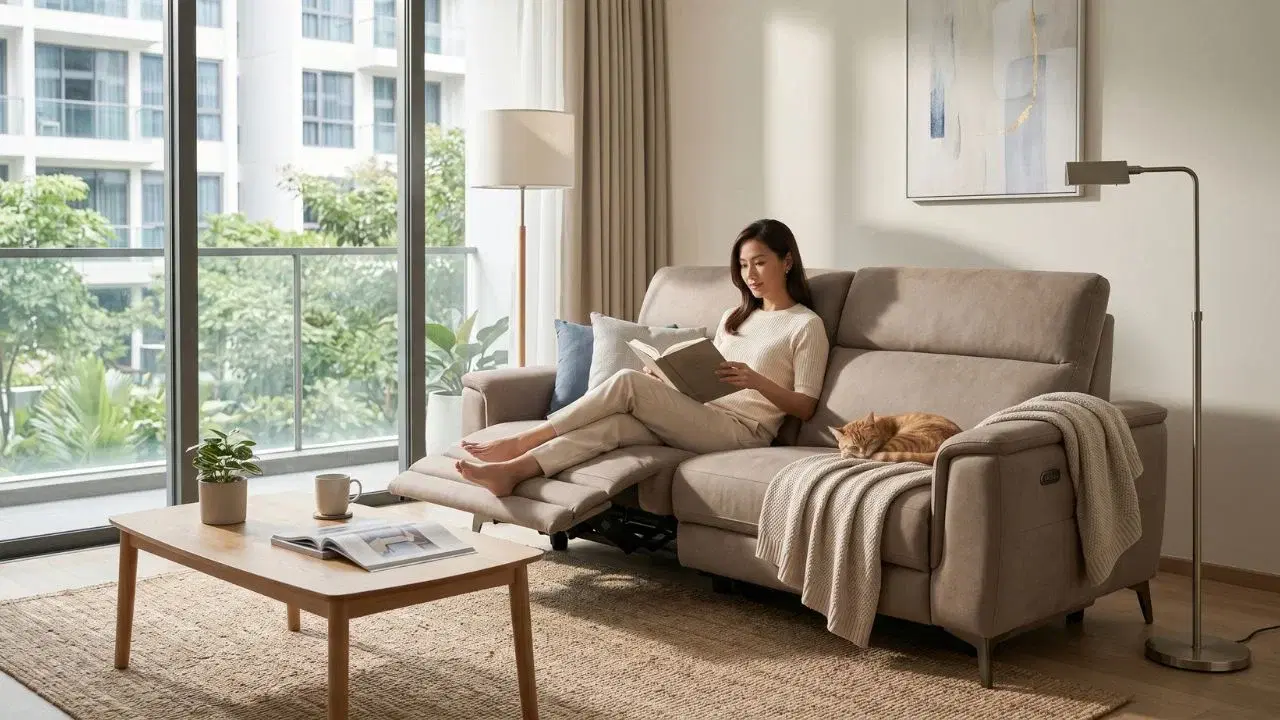
When I think about a restful home, the first thing that usually comes to mind is a comfortable bed. But over time, I have realised that a bed alone does not really decide whether I feel rested at home.
Sometimes the bed is perfectly comfortable, but the room is too bright. Sometimes there is too much noise, too much clutter, or simply no quiet corner where I can sit for a few minutes without doing anything.
A rest-friendly home is more about the overall environment. It should make you feel comfortable when you enter the room, help your mind slow down, and give your body enough space to relax.
The good thing is that creating this kind of home does not always require expensive furniture or a complete makeover. A few thoughtful changes can make a noticeable difference.
What Is a Rest-Friendly Home?
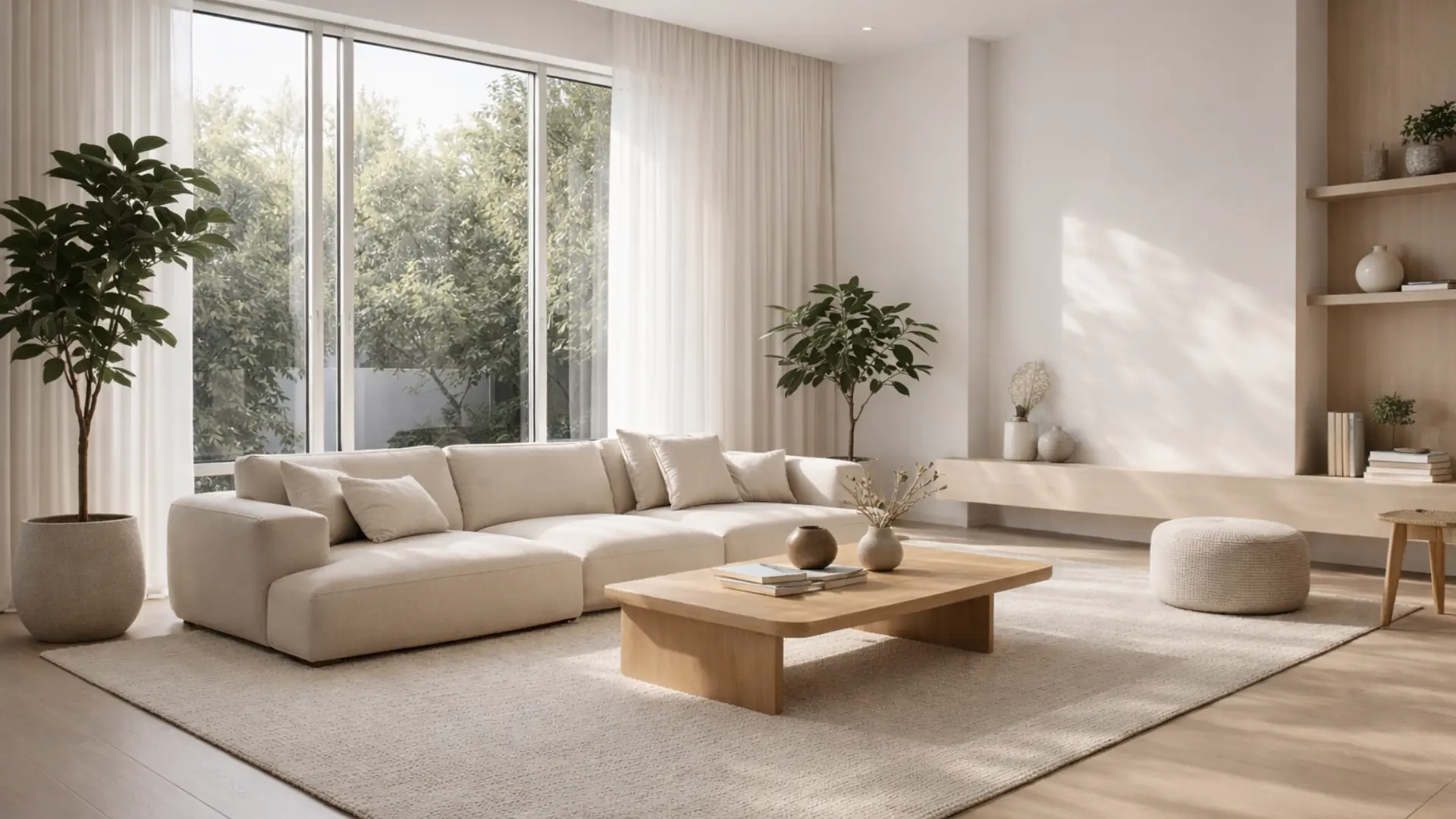
A rest-friendly home is a space designed around comfort, calmness and recovery.
It does not mean every room has to look like a luxury hotel. Instead, the home should support different kinds of rest, including sleeping, reading, relaxing, spending quiet time and taking a break from screens.
For me, the biggest difference comes from how a room feels rather than how expensive it looks.
A Rest-Friendly Home Usually Has
Comfortable and supportive furniture
Soft and suitable lighting
Less unnecessary clutter
Good airflow
Comfortable room temperature
A quieter environment
Natural elements
Easy-to-use storage
A peaceful place to sit
Fewer visual distractions
Why Rest Is About More Than Sleep
Sleep is obviously important, but rest can take many forms.
You may need physical rest after a long day, mental rest after too much screen time, or simply a few peaceful minutes alone.
That is why I think a home should have more than just a sleeping area.
Type of Rest | What Can Support It at Home? |
|---|---|
Physical rest | Comfortable sofa, chair or bed |
Mental rest | Quiet space and fewer distractions |
Screen rest | Reading corner or phone-free area |
Social rest | Comfortable personal space |
Emotional rest | Familiar, peaceful surroundings |
Sensory rest | Soft lighting and reduced noise |
When a home supports different types of rest, it becomes easier to slow down naturally.
Start With the Living Room
The living room is often where we spend a lot of our free time, but it can easily become crowded with things.
A rest-friendly living room does not need to be completely empty. It simply needs enough open space to feel comfortable.
Choose Furniture That Invites You to Stay
A sofa should be comfortable enough for sitting without making the room feel overcrowded.
If you have a small home, I would focus on fewer useful pieces instead of trying to fill every corner.
A comfortable armchair can also make a big difference. It can become your personal reading or relaxation spot.
Keep a Small Relaxation Corner
You do not need an entire room.
Even one corner can work.
Try adding:
A comfortable chair
A small side table
A warm lamp
A cushion or throw
A small plant
A book or magazine
The idea is to create a place where you can sit without automatically reaching for your phone.
Lighting Can Change the Mood of a Home
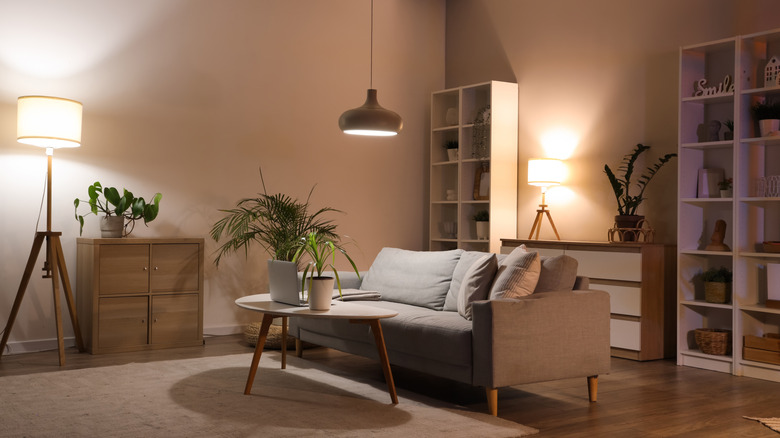
Lighting is one of the easiest things to overlook.
Bright overhead lighting may be useful while cleaning or working, but it does not always create a relaxing atmosphere.
I personally prefer having different lighting options rather than depending on one strong ceiling light.
Try a Layered Lighting Setup
Lighting Type | Best Use |
|---|---|
Natural light | Morning and daytime |
Ceiling light | General activities |
Floor lamp | Evening relaxation |
Table lamp | Reading |
Soft accent light | Calm atmosphere |
Warm, softer lighting can make an evening space feel more comfortable.
At the same time, natural daylight during the day can help a room feel fresh and open.
Keep the Bedroom Calm Beyond the Bed
The bed may be the centre of the bedroom, but everything around it matters too.
For example, if the bedside table is covered with chargers, papers, bottles and random objects, the room can feel visually busy.
A simple bedside setup can make the whole space feel calmer.
Keep These Nearby
A small lamp
Water
A book
Essential personal items
A simple clock if needed
Try to keep unnecessary electronics and clutter away from the immediate sleeping area.
Decluttering Is a Form of Rest
One thing I have noticed is that visual clutter can make it harder for me to mentally switch off.
When there are clothes on a chair, items on the floor and things scattered across tables, the room can feel like another task waiting to be completed.
You do not need to become a minimalist.
Instead, try creating clear surfaces.
Easy Decluttering Rule
Before adding something new to a room, ask:
“Does this make the room more useful, more comfortable or more beautiful?”
If the answer is no, it may not need to stay there.
Create a Quiet Zone
Not every home can be completely silent, especially if you live with family, roommates or near a busy road.
But you can still create a quieter area.
It could be:
A bedroom corner
A reading chair
A balcony
A small study area
A peaceful corner of the living room
The important thing is to make that area associated with slowing down.
Soft furnishings such as curtains, rugs and cushions can also help make a room feel less harsh.
Bring Nature Into Your Space
Plants and natural materials can make a room feel more connected to the outdoors.
You do not need dozens of plants.
One or two easy-care plants can be enough to add freshness.
You can also introduce natural textures through:
Wooden furniture
Cotton curtains
Linen cushions
Woven baskets
Natural-fibre rugs
These details can make a room feel warmer without requiring a major renovation.
Don't Forget Air and Temperature
A beautiful room can still be uncomfortable if it feels stuffy or too hot.
Good airflow is therefore an important part of a rest-friendly home.
Simple Ways to Improve Comfort
Open windows when appropriate
Keep air vents unobstructed
Avoid overcrowding rooms with furniture
Use fans or cooling systems when necessary
Choose breathable bedding
Adjust room temperature according to your comfort
The goal is simple: the room should not constantly make you think about how uncomfortable you are.
Make Your Home Less Screen-Dependent
This is probably one of the hardest changes for many of us.
After a busy day, it is tempting to sit on the sofa and immediately start scrolling.
But a rest-friendly home can encourage activities that do not involve a screen.
Try Creating a Screen-Free Activity Basket
Keep a small basket with:
Books
Crossword or puzzle books
Sketching materials
Journals
Cards
Small craft projects
This gives you an easy alternative when you want a break from your phone.
Scent Matters Too
The smell of a room can influence how comfortable it feels.
A home does not need a strong fragrance to smell pleasant. In fact, I prefer a space that simply smells clean and fresh.
Regular cleaning, fresh bedding and good ventilation are often enough.
If you enjoy home fragrances, choose something subtle rather than overpowering.
A Rest-Friendly Home Should Still Feel Personal
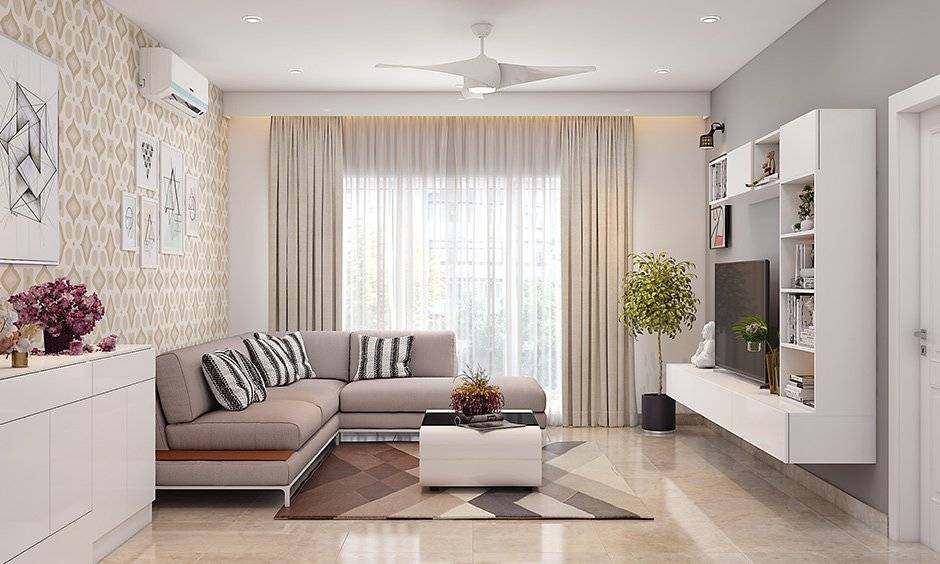
Sometimes home décor advice makes relaxing spaces look too perfect.
Real homes are not always perfectly arranged.
A rest-friendly home should include things that make you comfortable.
Maybe it is your favourite blanket, an old photograph, a collection of books or a chair you have had for years.
These personal details can make a room feel familiar rather than staged.
Comfort Over Perfection
Instead of... | Try... |
|---|---|
Perfectly styled room | Comfortable room |
Too many decorations | Meaningful pieces |
Matching everything | Personal touches |
Filling every corner | Leaving breathing space |
Expensive furniture | Useful furniture |
A room does not have to look expensive to feel peaceful.
Small Changes That Can Make a Big Difference
You do not have to redesign your entire house.
Start with one room or even one corner.
My Simple Rest-Friendly Home Checklist
1. Clear one surface.
Start with a bedside table, coffee table or desk.
2. Improve the lighting.
Add a softer lamp if the room feels too harsh at night.
3. Create one comfortable seat.
Make it your reading or quiet-time spot.
4. Add something natural.
A plant, wooden accessory or natural fabric can work.
5. Reduce unnecessary noise.
Close doors, adjust appliances or create a quieter corner where possible.
6. Keep frequently used things within reach.
A comfortable space should not require constant searching.
7. Give your phone a resting place.
Keeping it away from your relaxation spot can make screen-free time easier.
How to Make a Rest-Friendly Home on a Budget
Creating a peaceful home does not have to be expensive.
Budget | Simple Idea |
|---|---|
Low | Declutter and rearrange furniture |
Low | Add cushions or a throw |
Low | Change harsh bulbs |
Medium | Add a comfortable chair |
Medium | Upgrade curtains or rugs |
Medium | Add plants |
Higher | Improve furniture or room layout |
Sometimes rearranging furniture is enough to change how a room feels.
Before buying anything, I would first look at what you already have.
Common Mistakes to Avoid
A rest-friendly home should not become another project that causes stress.
Avoid trying to follow every décor trend at once.
Some Common Mistakes
Buying too much furniture
Using very bright lighting everywhere
Keeping unnecessary items on open shelves
Ignoring noise
Making every room multifunctional
Choosing appearance over comfort
Creating spaces that look beautiful but are difficult to use
The best home is one that works for your actual daily life.
Conclusion
A rest-friendly home is not about having an expensive bed or a perfectly decorated room. It is about creating a space where you can slow down, feel comfortable and enjoy a little peace after a busy day. Simple changes like reducing clutter, using softer lighting, improving airflow and creating a quiet corner can make a real difference. In the end, the best home is not the one that looks perfect—it is the one that makes you feel relaxed, comfortable and truly at ease.
FAQ's
A rest-friendly home combines comfortable furniture, calming lighting, less clutter, good airflow, manageable noise and personal spaces where you can relax.
No. Even a small bedroom can feel restful when it is organised, comfortable and free from unnecessary distractions.
Start with decluttering, rearranging furniture, improving lighting and creating one dedicated relaxation corner.
Plants can add natural colour and freshness. Even one or two low-maintenance plants can make a space feel more inviting.
If you find yourself constantly scrolling, keeping your phone farther away during rest periods can make it easier to disconnect from screens.
Sources and notes
Links the author listed for this post.
This article focuses on practical home-comfort and interior-lifestyle ideas for creating a more restful environment.

Discussion
0 comments