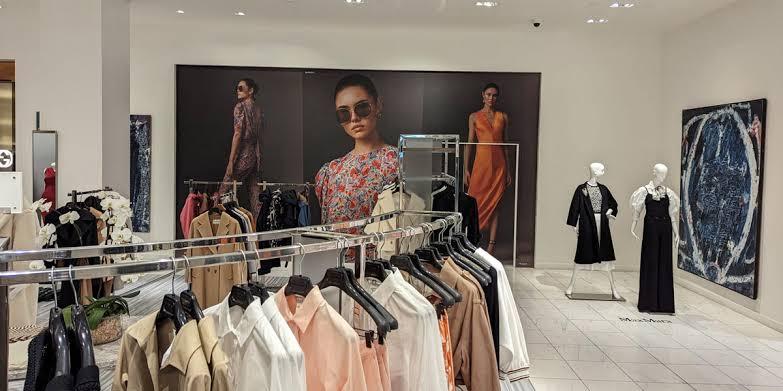
Shopping has changed considerably over the last few years. People no longer visit stores only when they need a new outfit, a piece of furniture, or something for their homes. They explore ideas on social media, compare products on shopping apps, read customer reviews, visit physical stores, and sometimes complete their purchases through a completely different channel.
This shift is changing the way fashion and home retailers approach their customers. Instead of treating clothing, furniture, accessories, and home décor as separate shopping categories, many retailers are bringing them together to create a more connected lifestyle shopping experience.
Imagine discovering a beautiful outfit online, finding matching accessories through the same retailer, and then exploring home décor ideas that complement your personal style. This kind of connected experience makes shopping feel more natural, convenient, and inspiring.
Retailers are responding by combining digital platforms, physical stores, personalized recommendations, technology, and lifestyle-focused product collections. The goal is not simply to sell more products but to help customers discover items that fit their everyday needs, preferences, and lifestyles.
Let's explore how fashion and home retailers are creating this connected shopping experience and why it is becoming increasingly important in modern retail.
What Is a Connected Lifestyle Shopping Experience?
A connected lifestyle shopping experience brings different shopping categories, platforms, and customer touchpoints together. It allows customers to move between online stores, mobile applications, social media, and physical retail locations without feeling that they are using completely separate services.
For example, someone shopping for a new wardrobe might also be interested in bedroom storage, decorative lighting, or accessories that match their personal aesthetic. Retailers can make these discoveries easier by connecting fashion and home product collections through relevant recommendations and lifestyle inspiration.
This approach focuses on how people actually live rather than simply organizing products into traditional retail categories.
A connected lifestyle shopping experience generally includes:
Integrated online and offline shopping: Customers can browse online, visit stores, collect orders, and manage returns through connected services.
Personalized recommendations: Retailers suggest products based on shopping preferences, interests, and previous interactions.
Lifestyle-focused collections: Fashion, accessories, furniture, and home décor are presented through related themes and styles.
Consistent customer service: Customers receive a similar level of support across websites, apps, and physical stores.
Convenient product discovery: Shoppers can explore new products, compare options, and find inspiration through different channels.
In simple terms, connected lifestyle shopping makes it easier for customers to discover everything that supports their personal style and everyday living.
Why Are Fashion and Home Retailers Moving Towards Connected Shopping?
Fashion and home retailers are responding to changing customer expectations. People want shopping to be convenient, but they also want inspiration, variety, reliable information, and products that reflect their preferences.
Traditional retail models often separated physical stores from online platforms. Customers might discover an item on a website but have limited information about its availability in a nearby store. Similarly, product recommendations and customer support could feel different depending on the shopping channel.
Connected retail aims to reduce these gaps.
1. Customers Want Convenience Across Different Shopping Channels
Modern shoppers often use multiple channels before making a purchase. They might discover a dress on Instagram, check its price on a retailer's website, visit a store to examine the fabric, and finally order it through an app.
The same behaviour happens when purchasing furniture, lighting, kitchen accessories, and home decoration products.
Retailers are making this process easier through services such as:
Buy online and collect in-store.
Order products through a mobile application.
Check store availability before visiting.
Return online purchases at participating physical stores.
Arrange home delivery for products purchased in-store.
These services reduce unnecessary steps and give customers greater flexibility.
According to ACI Worldwide's 2026 fashion consumer research, 35% of surveyed US and UK fashion and sportswear shoppers reported buying online and collecting in-store. The findings highlight how online and physical shopping increasingly work together.
2. Fashion and Home Products Are Becoming More Connected
People rarely make lifestyle decisions in isolation. Someone updating their wardrobe might also be interested in changing their bedroom, choosing new accessories, or refreshing their living space.
Retailers are recognizing these connections and creating collections around lifestyle preferences.
For example, a retailer might promote a minimalist fashion collection alongside neutral-coloured cushions, simple decorative pieces, and modern furniture. Another might create seasonal collections featuring festive clothing, table decorations, lighting, and accessories.
These collections help shoppers explore related products without searching through multiple unrelated categories.
The approach also gives retailers more opportunities to introduce customers to products they may not have considered initially.
How Technology Is Connecting Fashion and Home Shopping
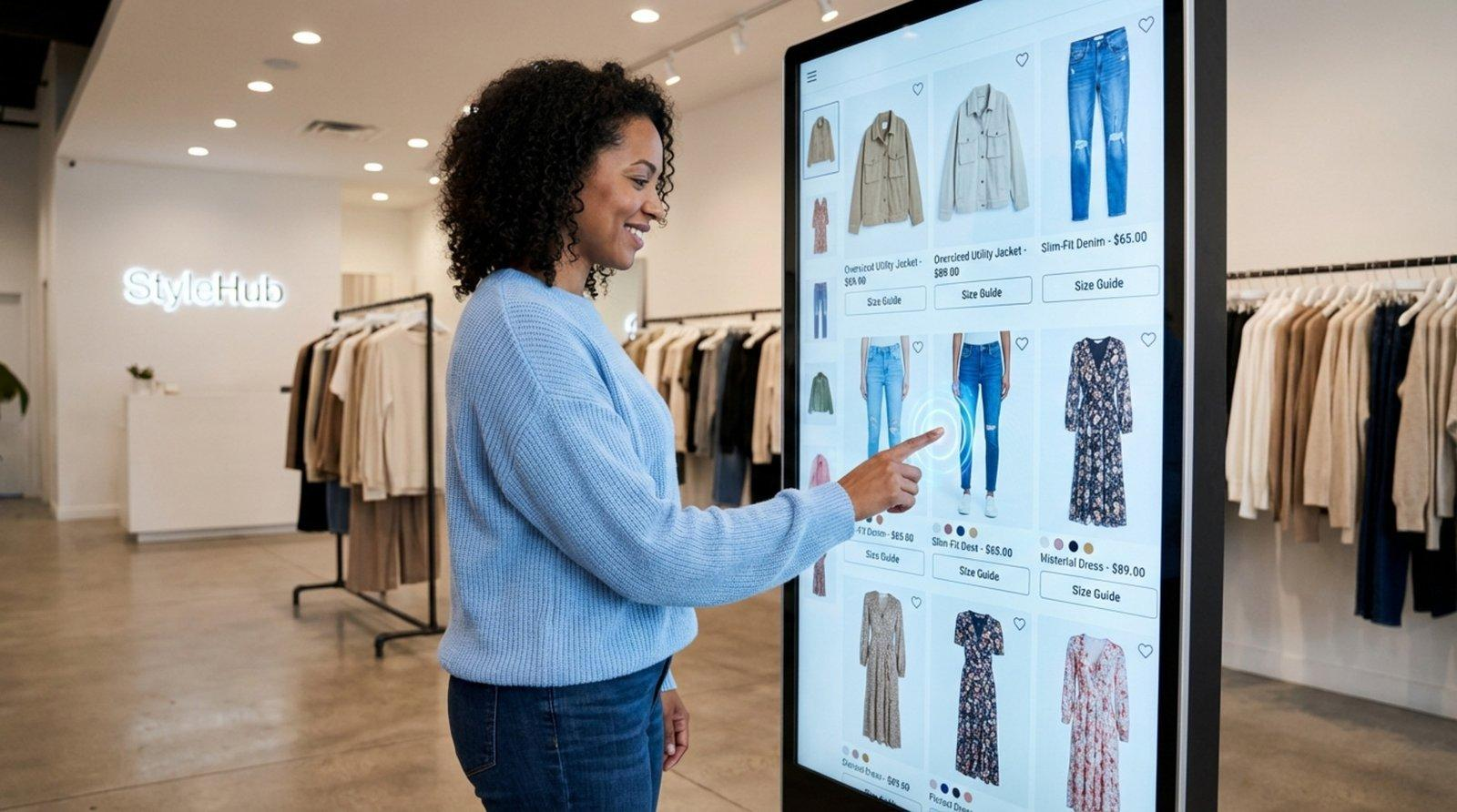
Technology plays an important role in connecting different shopping channels. Retailers are investing in digital tools that make product discovery, purchasing, and customer support more convenient.
Here are some of the major technologies shaping this experience.
1. Artificial Intelligence and Personalized Recommendations
Artificial intelligence is helping retailers understand customer interests and improve product discovery.
When shoppers browse an online store, recommendation systems can suggest products based on their searches, browsing activity, selected preferences, and previous purchases.
For example, someone exploring casual clothing might receive recommendations for matching shoes, handbags, or accessories. A customer looking at living room furniture might see complementary rugs, curtains, lighting, and decorative items.
AI-powered recommendations can also help customers discover products that match particular colours, designs, budgets, or personal styles.
However, useful personalization depends on relevance. Customers are more likely to appreciate recommendations that genuinely support their needs rather than suggestions that simply encourage additional spending.
2. Visual Search and Image-Based Shopping
Visual search is making product discovery more intuitive.
Instead of describing an item using several search terms, customers can upload a photograph or use an image to find visually similar products.
For example, someone who sees an attractive living room on social media might use an image-based search tool to discover similar furniture, lamps, rugs, or decorative accessories.
Fashion shoppers can use similar technology to find clothing, footwear, and accessories that resemble an outfit they have seen elsewhere.
This is particularly helpful when customers know what they want something to look like but do not know the correct product name.
3. Augmented Reality for Home and Fashion Products
Augmented reality (AR) allows customers to view digital products in real-world surroundings through compatible devices.
This technology is especially useful for home retailers because furniture and décor can look very different depending on room size, lighting, and existing interiors.
For instance, a customer can use an AR feature to see how a sofa might look in their living room before purchasing it. They can also explore how a table, chair, or decorative object fits into their available space.
Fashion retailers can use virtual try-on experiences to help customers preview selected accessories, eyewear, makeup, or other products where the technology is supported.
Although virtual previews cannot completely replace trying products in person, they can make online shopping more informative.
4. Mobile Applications and Connected Retail Platforms
Retail applications are becoming more than simple purchasing tools. They can bring together product discovery, loyalty programmes, order tracking, personalized offers, and customer support.
A well-designed application can help shoppers save favourite products, receive notifications about new collections, check delivery updates, and manage returns.
Some retailers also connect their apps with physical stores, allowing customers to scan products, access additional information, or check whether another size or colour is available.
The objective is to create a consistent experience regardless of where the customer chooses to shop.
The Growing Role of Lifestyle-Focused Product Collections
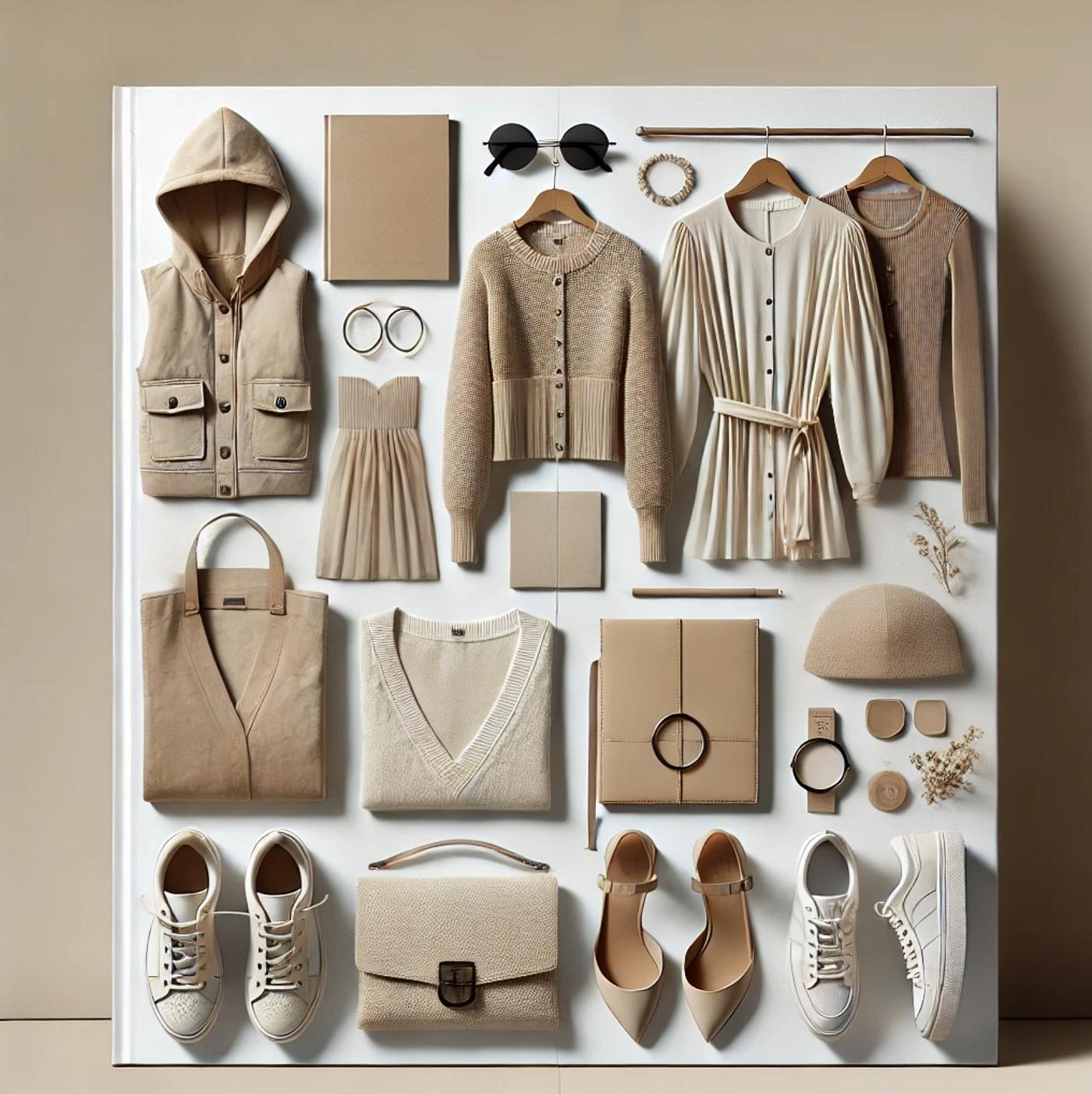
One of the most interesting changes in retail is the move towards lifestyle-focused product collections.
Instead of promoting products only by category, retailers are increasingly organizing collections around themes, occasions, colours, design preferences, and everyday activities.
This makes shopping more engaging because customers can explore a complete look or atmosphere rather than individual products.
1. Seasonal Fashion and Home Collections
Seasonal shopping creates natural connections between fashion and home products.
During festive periods, customers might look for traditional clothing, accessories, decorative lighting, tableware, and gifts. During summer, they may prefer lightweight outfits, outdoor furniture, refreshing home textiles, and travel accessories.
Retailers can bring these products together through seasonal campaigns and curated shopping pages.
Such collections make it easier for customers to prepare for celebrations, holidays, and changes in weather.
2. Minimalist and Contemporary Lifestyle Collections
Minimalist design has influenced both fashion and home decoration.
Customers interested in clean silhouettes, neutral colours, and simple designs may also prefer uncluttered interiors, functional furniture, and understated decorative accessories.
Retailers can connect these interests through coordinated collections that feature similar colours, materials, and design themes.
For example, a contemporary lifestyle collection could include neutral clothing, simple handbags, wooden furniture, textured cushions, and understated lighting.
3. Sustainable Fashion and Responsible Home Products
Sustainability is another area connecting fashion and home retail.
Customers are becoming more interested in product quality, durability, material choices, responsible manufacturing, and the environmental impact of their purchases.
Fashion retailers may highlight recycled fabrics, responsibly sourced materials, repair services, or resale options. Home retailers may promote durable furniture, recycled materials, energy-efficient lighting, and products designed for longer use.
Retailers can help shoppers make more informed decisions by providing clear information about materials, sourcing, product care, and sustainability claims.
However, environmental statements should be supported by reliable evidence rather than vague marketing language.
How Physical Stores Are Becoming Lifestyle Experience Spaces
Physical stores continue to play an important role even as online shopping grows.
Customers often want to touch fabrics, compare materials, test furniture, understand product dimensions, and receive personal assistance before purchasing.
To support these needs, retailers are rethinking how their stores are designed.
1. Interactive Product Displays
Modern retail displays are increasingly designed to demonstrate how products work together.
A fashion store might present complete outfits with matching footwear and accessories instead of displaying every item separately.
Similarly, a home retailer might arrange furniture, lighting, rugs, and decorative objects inside a fully styled room.
These displays help shoppers imagine how products could fit into their own lives.
2. Personalized In-Store Assistance
Retail employees can help customers make decisions that are difficult to manage through online product descriptions alone.
Fashion shoppers may need advice about sizing, fit, fabrics, and styling. Home shoppers may need guidance about furniture dimensions, materials, colours, and room layouts.
Some retailers are also using digital tools to help employees check inventory, locate alternative products, and provide more relevant recommendations.
The combination of technology and personal assistance can make store visits more valuable.
3. Stores Supporting Online Orders
Physical stores are also becoming part of retailers' fulfilment networks.
Rather than functioning only as places where customers purchase products, stores can support online order collection, local delivery, and product returns.
This approach helps connect digital shopping with physical retail operations.
It can also improve convenience when customers want to receive products quickly or prefer collecting purchases themselves.
The Importance of Social Media in Connected Lifestyle Shopping
Social media has become an important source of shopping inspiration.
Customers regularly discover clothing, interior design ideas, home organization products, furniture, and lifestyle accessories through short videos, photographs, creator recommendations, and brand content.
Platforms such as Instagram, Pinterest, TikTok, and YouTube help retailers introduce their products in everyday settings.
For example, a home décor brand might share a room makeover featuring its furniture and decorative accessories. A fashion retailer might publish styling ideas showing how different clothing pieces can be combined for work, travel, or special occasions.
This content helps customers understand how products look and work outside traditional product photographs.
Influencer and Creator Partnerships
Retailers also work with content creators to demonstrate products through styling videos, home tours, product reviews, and everyday lifestyle content.
These partnerships can make product discovery more relatable because audiences see items being used in real-life situations.
However, customers should still evaluate product quality, pricing, and suitability rather than relying only on promotional recommendations.
Shoppable Content
Shoppable content connects inspiration directly with product information and purchasing options.
For example, a customer watching a room decoration video may be able to explore the featured sofa, lighting, and accessories through product links.
Fashion content can work similarly, allowing viewers to discover clothing, footwear, and accessories shown in a particular look.
This reduces the distance between discovering a product and finding where to purchase it.
Examples of Retailers Bringing Fashion and Home Shopping Together
Several retail businesses illustrate different aspects of the connected lifestyle shopping approach.
H&M
H&M combines fashion with its H&M Home range, allowing shoppers to explore clothing, accessories, textiles, and home decoration through a broader lifestyle retail offering.
Fashion and home product collections
Zara and Zara Home
Zara focuses on fashion, while Zara Home offers furniture, textiles, tableware, and decorative products. Together, they demonstrate how a retail group can serve different parts of customers' lifestyle interests.
Fashion and home lifestyle retail
IKEA
IKEA connects furniture, lighting, storage, textiles, kitchen products, and home accessories through room-based displays and digital shopping services. Its approach helps customers plan complete living spaces rather than choosing isolated items.
Connected home shopping and room inspiration
John Lewis
John Lewis offers fashion, beauty, furniture, home accessories, and other lifestyle products through its department store and online shopping channels.
Multi-category department store retail
These examples show that connected lifestyle shopping can take different forms. Some retailers combine multiple categories under one brand, while others connect digital platforms, physical stores, and complementary product ranges.
Benefits of Connected Lifestyle Shopping for Customers
A connected retail experience can make everyday shopping more convenient and enjoyable.
Some of its main benefits include:
1. Easier Product Discovery
Customers can discover related products through curated collections, recommendations, and lifestyle content. This saves time and helps them explore ideas they may otherwise overlook.
2. More Personalized Shopping
Relevant recommendations can help shoppers find products that match their preferences, budgets, and design interests.
3. Greater Shopping Flexibility
Customers can choose whether to browse online, visit a store, collect an order, or arrange delivery based on their schedules.
4. Better Product Inspiration
Room displays, coordinated outfits, seasonal collections, and social media content help customers visualize how products can be used together.
5. More Convenient Customer Support
Connected systems can make it easier to track orders, check availability, manage returns, and receive assistance across different shopping channels.
Challenges Retailers Need to Address
Although connected lifestyle shopping offers several advantages, creating a seamless experience is not always straightforward.
Fashion and home retailers must manage different products, customer expectations, inventory systems, and fulfilment requirements.
Here are some important challenges.
1. Managing Inventory Across Channels
A product displayed as available online should ideally reflect accurate stock information.
If online inventory and physical store systems are not properly connected, customers may place orders for items that are unavailable.
Retailers need reliable inventory management systems to reduce these problems.
2. Maintaining Consistent Product Information
Product descriptions, sizes, materials, colours, dimensions, and prices should remain consistent across different platforms.
This is especially important for home products, where incorrect dimensions or material information can lead to expensive purchasing mistakes.
3. Protecting Customer Data
Personalized shopping relies on customer information and digital activity.
Retailers must handle this information responsibly, explain relevant privacy practices, and protect customer accounts and payment details.
4. Balancing Personalization and Customer Choice
Personalized recommendations can improve discovery, but excessive tracking or repetitive suggestions may make shopping uncomfortable.
Customers should have meaningful control over their preferences and the information they share.
5. Handling Returns and Deliveries
Fashion and home products often have different delivery and return requirements.
Clothing may need size exchanges, while furniture and larger home products may require scheduled delivery and collection services.
Retailers need clear policies and reliable logistics to manage these different needs.
What Does the Future of Connected Lifestyle Shopping Look Like?
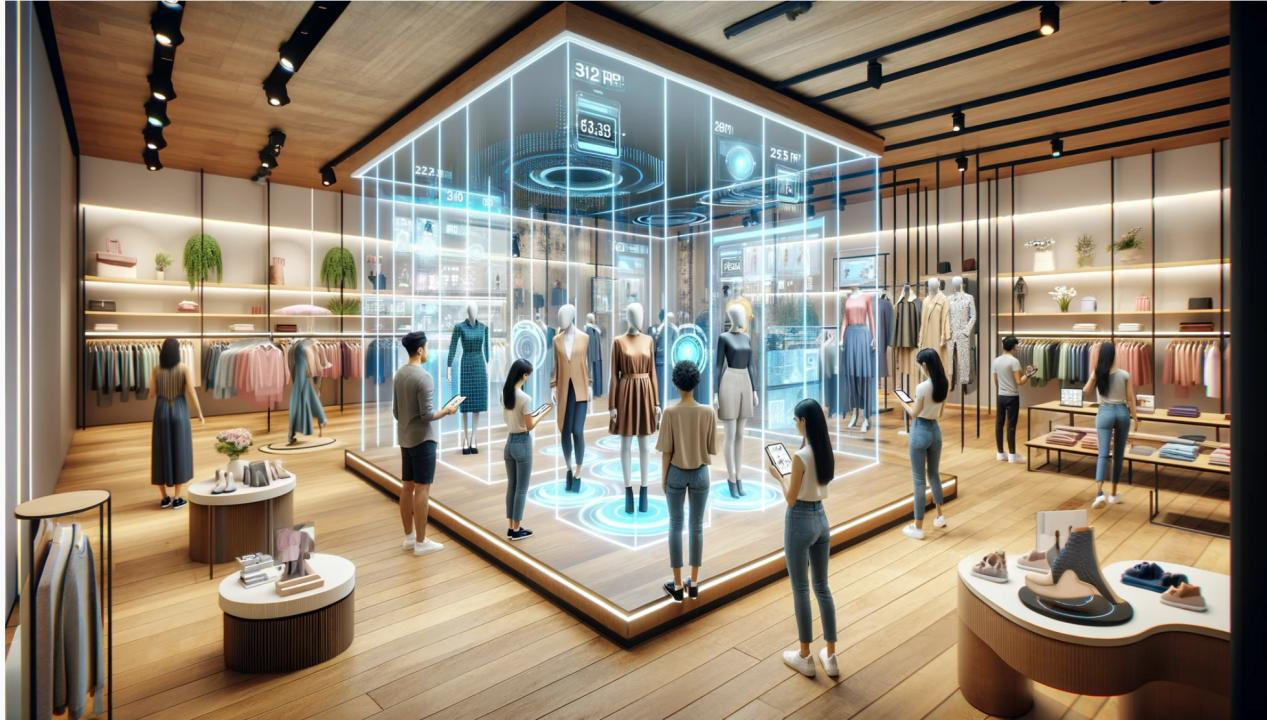
Connected lifestyle shopping is likely to become more personalized, visual, and technology-driven as retailers improve their digital platforms and physical store experiences.
Several developments may shape its future.
AI Shopping Assistants
AI shopping assistants may help customers compare products, find suitable alternatives, create coordinated outfits, and explore home decoration ideas through conversational searches.
Instead of browsing dozens of product pages, shoppers may be able to describe what they need and receive relevant suggestions.
More Advanced Virtual Experiences
Improvements in augmented reality and virtual visualization may help customers preview furniture, home accessories, and selected fashion products more accurately before purchasing.
Connected Loyalty Programmes
Retailers may develop loyalty programmes that recognize customer interactions across websites, apps, and physical stores.
These programmes could provide more relevant rewards, personalized offers, and useful services rather than focusing only on purchase frequency.
More Lifestyle-Based Shopping Platforms
Retail websites may increasingly organize products around activities and interests such as travel, work, home improvement, celebrations, and everyday comfort.
This could make product discovery feel more natural by connecting items that customers are likely to use together.
Greater Focus on Responsible Shopping
Sustainability, product durability, repair options, resale, and transparent sourcing may become more visible parts of the connected retail experience.
Customers are likely to value retailers that provide useful information and make responsible purchasing decisions easier.
Final Thoughts
Fashion and home retailers are moving beyond traditional shopping experiences by connecting products, technology, digital platforms, and physical stores. Customers increasingly expect to discover inspiration online, explore products in person, receive personalized recommendations, and complete purchases through convenient channels.
The growing connection between fashion and home shopping also reflects how people think about their lifestyles. Clothing, accessories, furniture, and home decoration are not always separate interests. They are different parts of creating a personal style and a comfortable everyday environment.
For retailers, the opportunity lies in making these experiences feel connected without making shopping complicated. Useful recommendations, accurate product information, reliable delivery, and helpful customer service will remain essential.
Ultimately, a successful connected lifestyle shopping experience is not just about bringing more products together. It is about understanding what customers need and helping them discover the right products in a simple, enjoyable, and meaningful way.
FAQ's
It combines fashion, home products, online platforms, and physical stores to create a convenient and personalized shopping journey.
Retailers use AI, mobile apps, visual search, augmented reality, and digital platforms to improve product discovery and customer experiences.
These products reflect customers' personal styles, design preferences, and everyday lifestyle needs.
Omnichannel shopping connects online stores, mobile apps, and physical locations to provide a consistent customer experience.
The future may include AI shopping assistants, virtual product previews, personalized recommendations, and more sustainable retail experiences.
Sources and notes
Links the author listed for this post.
This article is based on information from retail industry reports, e-commerce research, and official resources from fashion and home retailers.


Discussion
0 comments