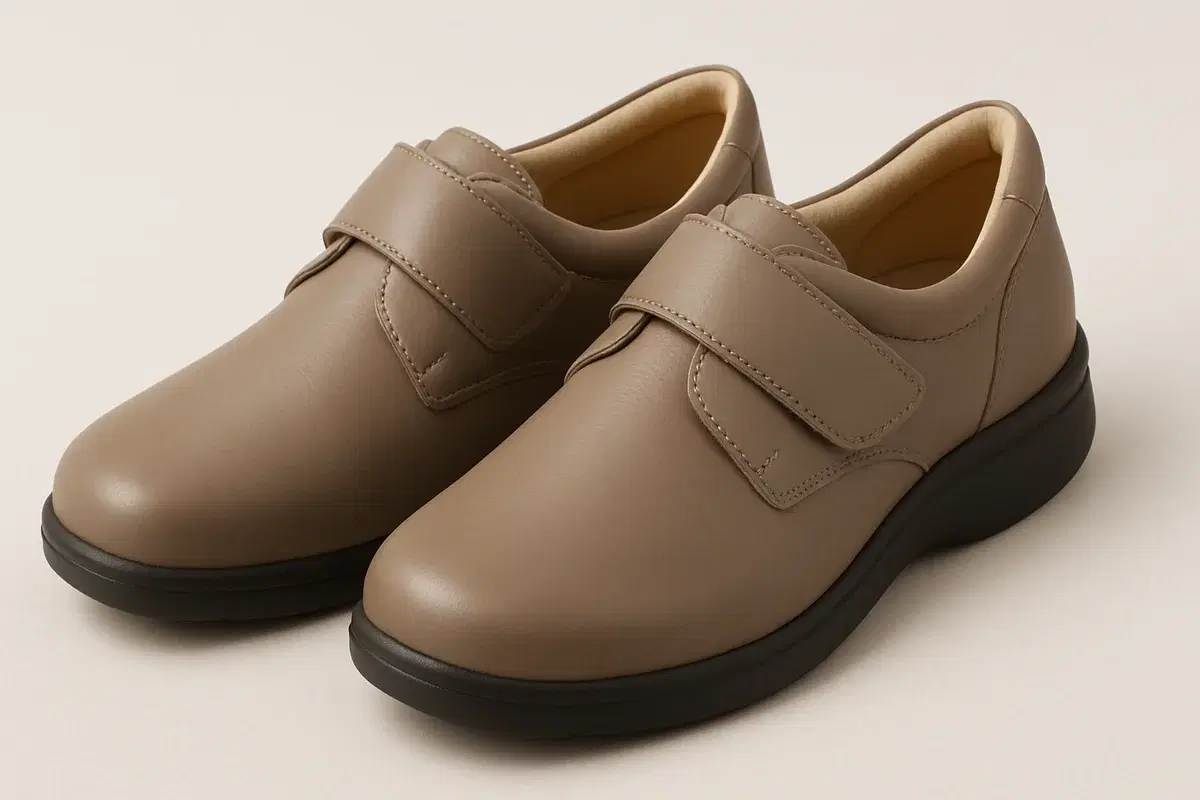
When buying a new pair of shoes, most people focus on one thing first: shoe size. They usually check the length, compare it with their previous pair and choose the size that seems to fit. But have you ever bought shoes that were the correct length yet still felt uncomfortable around your toes or the sides of your feet?
This is where shoe width becomes important.
A shoe can have enough length but still feel too tight if it does not provide sufficient space across the forefoot. Similarly, a shoe that is too wide may allow your foot to slide around, making walking less comfortable. The right fit depends on both measurements working together.
Everyday footwear deserves particular attention because shoes are worn for several hours while walking, commuting, working, shopping or completing daily activities. Even a small fitting problem can become irritating when repeated throughout the day.
Choosing shoes based only on length can therefore lead to unnecessary discomfort. Understanding shoe width helps you find footwear that supports your feet more naturally and feels comfortable during regular use.
In this guide, we will explain why shoe width matters as much as shoe length, how to identify your foot shape, what different width sizes mean and how to choose everyday footwear that fits properly.
What Is Shoe Width in Footwear?
Shoe width refers to the measurement across the foot, usually around the widest part of the forefoot near the ball of the foot.
While shoe length determines how much space your foot has from heel to toe, shoe width determines how comfortably your foot fits from side to side.
People have different foot shapes. Some have narrow feet, others have average-width feet, and many have wider forefeet or toes that need additional room.
This is why two people with the same shoe length may not feel comfortable wearing the same shoe model.
For example, two people may both wear a size 8 shoe. However, one person may have narrow feet while the other has a wider forefoot. The standard-width shoe may fit the first person comfortably but feel restrictive for the second.
Shoe width is not simply an extra feature. It is an important part of finding footwear that fits the actual shape of your feet.
Why Does Shoe Width Matter as Much as Shoe Length?
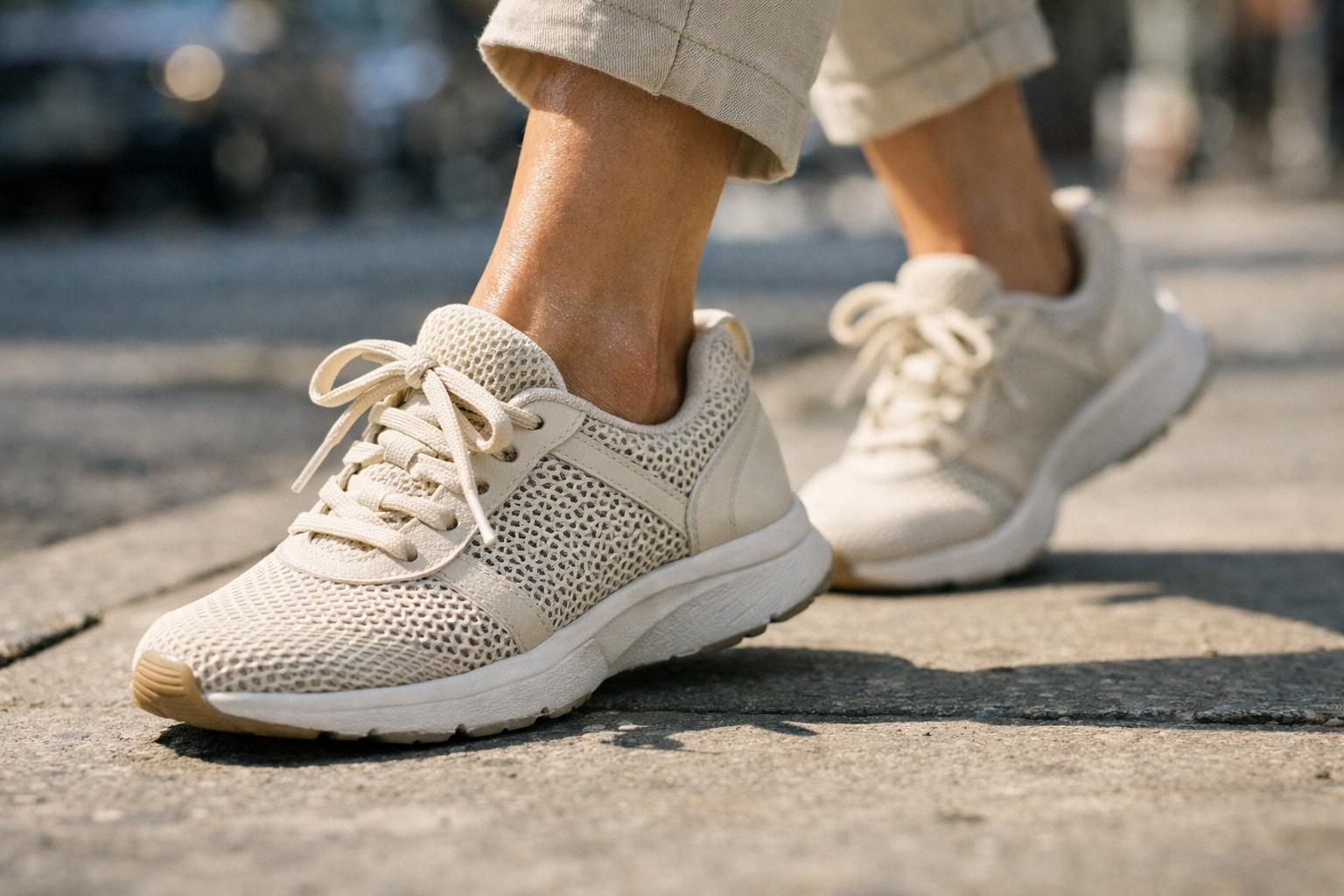
A shoe should fit your foot in more than one direction. Having enough room in the front does not automatically mean the shoe fits correctly around the sides.
Here are some important reasons why width deserves the same attention as length.
1. It Helps Prevent Unnecessary Pressure on the Feet
One of the most common problems with narrow footwear is pressure around the toes and sides of the feet.
When shoes are too narrow, the forefoot may feel squeezed, especially after walking or standing for long periods.
You might notice:
Tightness around the sides of your feet.
Toes pressing against each other.
Red marks after removing your shoes.
Discomfort near the ball of the foot.
A feeling that your feet cannot move naturally.
Choosing a suitable width gives your feet more room to sit comfortably inside the shoe.
2. It Allows Your Toes to Move Naturally
Your toes play an important role in maintaining balance and supporting movement while walking.
They need enough space to spread naturally during different stages of the walking cycle. If the front of the shoe is too narrow, the toes may be pushed together.
This is why toe-box shape matters alongside the overall shoe width.
Some shoes have a narrow, pointed front even when their stated width appears suitable. Others have a more rounded or anatomical shape that offers additional room.
A comfortable everyday shoe should not force your toes into an unnatural position.
3. It Improves Everyday Walking Comfort
Think about how many steps you take during an ordinary day. You may walk to work, visit a grocery store, use public transport or spend hours moving around an office.
If your shoes are too tight, the discomfort may become more noticeable as the day progresses.
Proper width helps reduce unnecessary pressure and allows the shoe to accommodate your foot more comfortably.
For people who spend long hours standing or walking, checking both length and width is particularly useful.
4. It Helps Reduce Friction and Rubbing
When shoes are too narrow, the sides of the foot may rub against the shoe material.
Repeated friction can cause irritation, blisters and sore areas, particularly around the little toe and forefoot.
On the other hand, shoes that are excessively wide can also cause problems. Your foot may move from side to side, creating friction inside the shoe.
The goal is to find a fit that holds your foot securely without squeezing it.
5. It Supports a More Stable Fit
Footwear should feel secure when you walk, turn or change direction.
If the shoe is too wide, your foot may slide around inside it. If it is too narrow, it may feel restricted and uncomfortable.
A suitable width helps your foot sit properly on the shoe's base.
However, stability also depends on the shoe's construction, sole design, heel fit and fastening system. Width is one important part of the overall fit rather than the only factor.
Understanding Different Shoe Width Sizes
Not all shoe brands use the same width labels, which can make shopping slightly confusing.
Many manufacturers use letters to indicate whether a shoe is narrow, standard, wide or extra wide. The exact measurements and labels may vary by brand, shoe size and region.
Here is a general overview of commonly used width categories.
Width Category | Common Labels | General Fit |
|---|---|---|
Extra Narrow | AAA, 4A | Designed for particularly narrow feet |
Narrow | AA, 2A | Suitable for narrower feet |
Standard | B for many women's ranges; D for many men's ranges | Regular width |
Wide | D for many women's ranges; 2E for many men's ranges | Provides additional room |
Extra Wide | 2E or 4E, depending on range | Offers significantly more space |
Important: These labels are not universal. Always check the sizing chart provided by the footwear brand before ordering.
How to Identify Whether You Need Narrow, Standard or Wide Shoes
Many people continue wearing standard-width shoes simply because they have always purchased that size. However, your actual foot shape may require a different width.
Here are some signs that can help you understand whether your current footwear is suitable.
Signs Your Shoes May Be Too Narrow
Your little toe feels squeezed against the side.
The shoe creates pressure around the ball of your foot.
Your feet develop red marks after wearing the shoes.
You experience frequent rubbing around the forefoot.
The upper material stretches noticeably around the widest part of your foot.
Signs Your Shoes May Be Too Wide
Your foot slides from side to side while walking.
Your heel slips even when the shoe is properly fastened.
You need to tighten the laces excessively.
Your foot does not feel secure during movement.
The shoe feels loose around the middle of your foot.
Remember that these signs can also be influenced by shoe shape, fastening and overall design. They are useful clues, not a replacement for a proper fitting.
How to Measure Your Shoe Width at Home
You do not always need to visit a footwear store to get a basic idea of your shoe width. A few simple measurements at home can help you understand your foot shape.
Follow these steps:
Step 1: Place a Sheet of Paper on the Floor
Choose a flat surface and place a sheet of paper against a wall.
Step 2: Stand Naturally on the Paper
Place one foot on the paper with your heel close to the wall. Keep your weight evenly distributed rather than sitting down.
Step 3: Mark the Widest Part of Your Foot
Identify the widest area around the ball of your foot and mark both outer edges.
Step 4: Measure the Width
Use a ruler or measuring tape to measure the distance between the two marks.
Step 5: Measure Both Feet
Repeat the process for your other foot. Many people have slightly different measurements on each side.
Step 6: Compare Your Measurements with the Brand's Chart
Check the manufacturer's official sizing guide. Some brands provide separate width measurements for different shoe sizes.
For a more accurate result, measure your feet later in the day when they may be slightly larger than in the morning.
Why Shoe Width Is Especially Important for Everyday Footwear
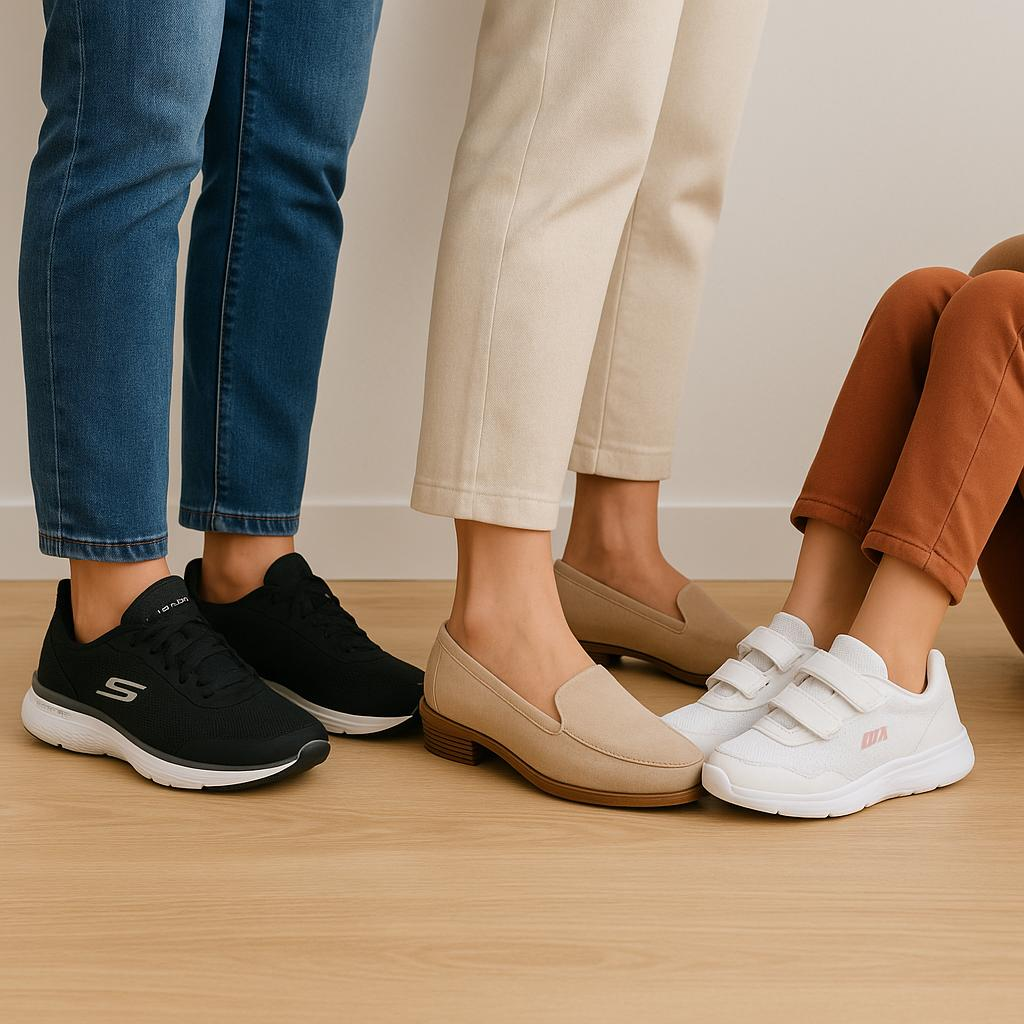
Everyday footwear is different from shoes worn occasionally for special events. Regular shoes may stay on your feet for a large part of the day, so their fit should support your normal activities.
Let's look at some common everyday footwear categories.
1. Walking Shoes
Walking shoes are designed for repeated movement and regular use. A suitable width allows your forefoot to sit comfortably while walking.
Look for:
A roomy toe box.
Secure heel support.
Comfortable cushioning.
A fit that does not squeeze the sides of your feet.
If you walk frequently, try the shoes with the socks you normally wear.
2. Running Shoes
Running shoes need particular attention because feet may expand slightly during exercise.
A narrow shoe can create pressure during longer runs, while an excessively wide shoe may reduce the feeling of a secure fit.
Many running shoe brands offer different width options, making it easier for runners to choose footwear that suits their foot shape.
3. Office Shoes
People who work in offices may wear formal shoes for several hours every day.
Traditional formal footwear sometimes features narrow or pointed designs. Although these styles may look elegant, they should not compromise comfort.
Choose office shoes that provide enough room around the toes while maintaining a secure fit around the heel.
4. Casual Sneakers
Casual sneakers are among the most frequently worn types of footwear.
They are used for shopping, commuting, meeting friends and everyday activities.
Since sneakers come in different shapes and constructions, do not assume that the same size will fit identically across brands.
5. Sandals and Flats
Sandals and flats should also fit properly across the width of your foot.
If the foot extends beyond the edges of the sole or feels squeezed by the straps, the footwear may not be suitable.
Look for designs that support your foot without placing unnecessary pressure on the toes or sides.
Common Problems Caused by Wearing the Wrong Shoe Width
Wearing shoes that do not match your foot width can affect comfort during everyday activities.
Some common problems include:
Blisters and Skin Irritation
Shoes that are too narrow or too loose can create repeated friction. This may lead to blisters, particularly around the toes and sides of the feet.
Corns and Calluses
Repeated pressure and friction can contribute to the development of thickened areas of skin called corns and calluses.
Toe Discomfort
A narrow toe box may place pressure on the toes. People with existing foot conditions may find this particularly uncomfortable.
Foot Fatigue
An unsuitable fit can make long periods of walking or standing less comfortable. Your feet may feel tired sooner, especially when the shoes provide insufficient support.
Problems with Existing Foot Conditions
People with bunions, hammertoes, swelling or other foot conditions may need additional space or specialist footwear advice.
If you regularly experience foot pain, numbness, swelling or persistent discomfort, consider speaking with a qualified healthcare professional or podiatrist rather than relying only on a change in shoe size.
How to Choose the Right Shoe Width When Shopping Online
Online shopping makes it easy to explore different footwear brands, styles and prices. However, buying shoes without trying them on can make finding the right width more challenging.
Here are some practical tips to make online footwear shopping easier.
Check the Brand's Official Size Chart
Never assume that every brand follows exactly the same sizing system.
Look for a size chart that includes both foot length and width. If the brand provides width-specific options, compare your measurements before placing an order.
Read Customer Reviews
Customer reviews can provide useful information about how a particular shoe fits.
Look for comments mentioning:
Whether the shoe runs narrow or wide.
Whether the toe box feels spacious.
Whether the size matches the brand's chart.
Whether the shoe feels comfortable after several hours.
Look for Adjustable Features
Laces, adjustable straps and fastening systems can help customise the fit.
They do not replace the correct shoe width, but they may improve overall comfort.
Check the Return and Exchange Policy
Before ordering, understand whether the retailer allows size exchanges or returns.
This is especially important when purchasing a brand or model for the first time.
Do Not Depend on Your Old Shoe Size Alone
Your foot measurements may change over time due to age, weight changes, pregnancy, swelling or other factors.
It is worth measuring your feet periodically rather than assuming your previous size will always remain suitable.
Does Shoe Material Affect Width and Fit?
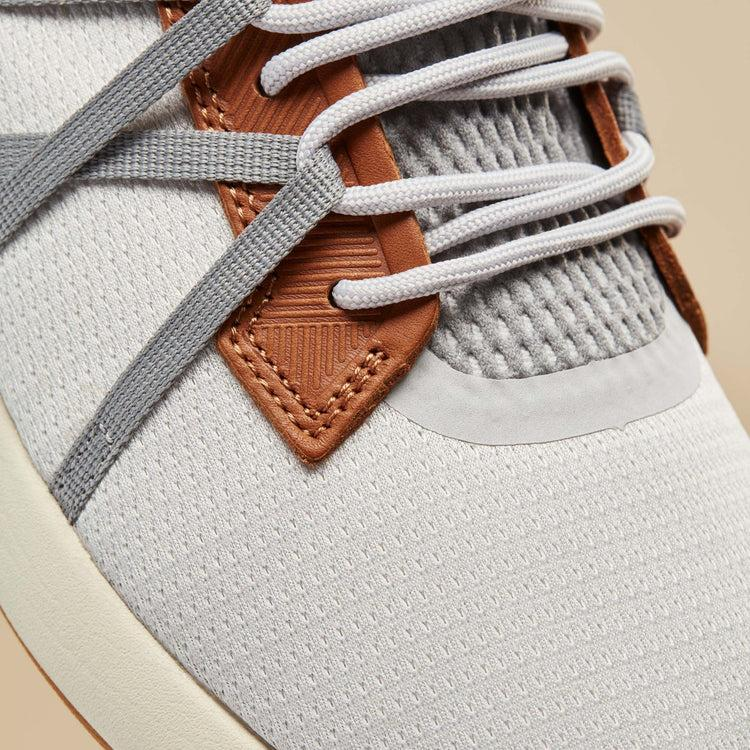
Yes. The material used to make a shoe can influence how it feels around your foot.
Different materials have different levels of flexibility, structure and stretch.
Shoe Material | General Characteristics |
|---|---|
Leather | May soften and adapt slightly with use, depending on construction |
Mesh | Often lightweight and breathable, with some flexibility |
Knit Fabric | Can provide a flexible upper that adapts to foot movement |
Synthetic Materials | Vary in flexibility and may feel more structured |
Canvas | Lightweight, but flexibility depends on construction and design |
One important thing to remember is that a shoe should feel comfortable from the beginning. Do not depend on a very tight pair becoming wider after several weeks of use.
Some materials may soften over time, but the shoe's underlying structure and width generally remain the same.
What Should You Look for in a Comfortable Everyday Shoe?
Finding the right width is important, but everyday footwear should also provide a balanced combination of fit, support and durability.
Here are some features worth considering before purchasing a new pair.
Proper toe-box space: Your toes should have enough room without being squeezed.
Secure heel fit: Your heel should not slip excessively while walking.
Comfortable cushioning: Choose cushioning that feels suitable for your daily activities.
Breathable material: Breathable uppers can help improve comfort during extended wear.
Flexible construction: The shoe should move naturally with your foot.
Suitable sole design: Consider grip, durability and the surfaces you regularly walk on.
Correct width options: Look for narrow, standard, wide or extra-wide options where available.
A good everyday shoe should feel secure without making your feet feel restricted.
Final Thoughts
Choosing comfortable footwear involves more than selecting the correct shoe length. Width plays an equally important role in how your feet feel throughout the day. Before purchasing new shoes, take time to understand your foot measurements, compare brand sizing charts and check the shape of the toe box. A well-fitting pair should give your feet enough room to move naturally while keeping them comfortably supported.
FAQ's
Shoe width ensures your feet have enough room to move comfortably and helps prevent pressure, blisters and discomfort.
If your toes feel squeezed, your feet develop pressure marks or you experience discomfort, your shoes may be too narrow.
Common shoe widths include narrow, medium, wide and extra-wide, although sizing labels vary between brands.
Yes, poorly fitted shoes may contribute to blisters, corns, calluses, bunions and ongoing foot discomfort.
Measure your feet, check the brand's size chart and read product reviews about fit and width before ordering.
Sources and notes
Links the author listed for this post.
This article is based on general footwear fitting guidance and educational information about foot measurements and shoe construction.

Discussion
0 comments