Luxury fashion has always been associated with elegance, exclusivity, quality, and personal style. For years, people visited high-end boutiques and designer stores to explore premium collections and experience luxury shopping. But things are changing. Today, shoppers can discover designer outfits, luxury handbags, footwear, watches, and accessories without leaving their homes.
Luxury e-commerce is making premium fashion more accessible, convenient, and personalised. From virtual shopping experiences to exclusive online collections, technology is changing how people discover and purchase luxury products.
The interesting part is that luxury shopping is no longer just about owning an expensive product. Customers also care about convenience, authenticity, customer service, brand values, and the overall shopping experience.
Let's explore how online shopping is shaping the future of the luxury fashion industry.
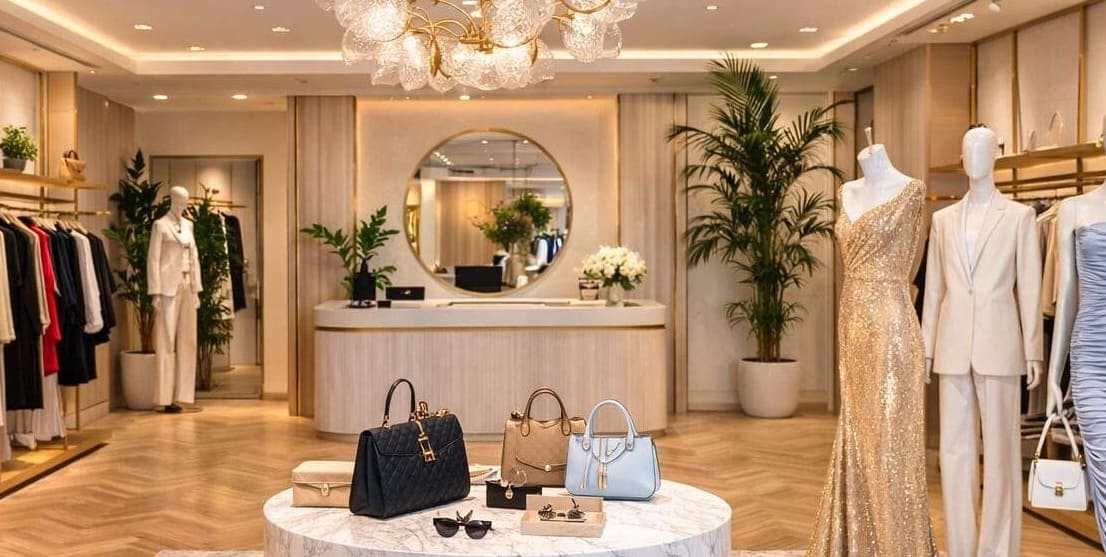
1. The Growing Popularity of Luxury Online Shopping
Online shopping has become a regular part of everyday life. People are comfortable purchasing everything from basic clothing to premium fashion products through digital platforms.
Luxury brands are also recognising this change. Many have developed online stores where customers can explore new collections, compare styles, and shop for exclusive products.
Some major reasons behind this growing popularity include:
Convenience: Customers can explore luxury collections anytime and from anywhere.
More choices: Online stores make it easier to browse different collections.
Easy discovery: Shoppers can discover new designers and fashion trends.
Personalised experiences: Digital platforms can recommend products based on shopping interests.
Global access: Customers can explore brands beyond their local shopping areas.
For modern shoppers, luxury fashion is becoming easier to discover through digital channels.
2. Personalised Shopping Is Making Luxury More Special
Luxury shopping has always been about personal attention. Customers expect recommendations and experiences that match their individual preferences.
E-commerce platforms are bringing this experience into the digital world.
With the help of artificial intelligence and customer behaviour insights, online fashion stores can suggest products based on browsing history, favourite styles, previous purchases, and shopping interests.
For example, someone who regularly explores premium handbags may receive recommendations for new handbag collections, matching accessories, or similar designer styles.
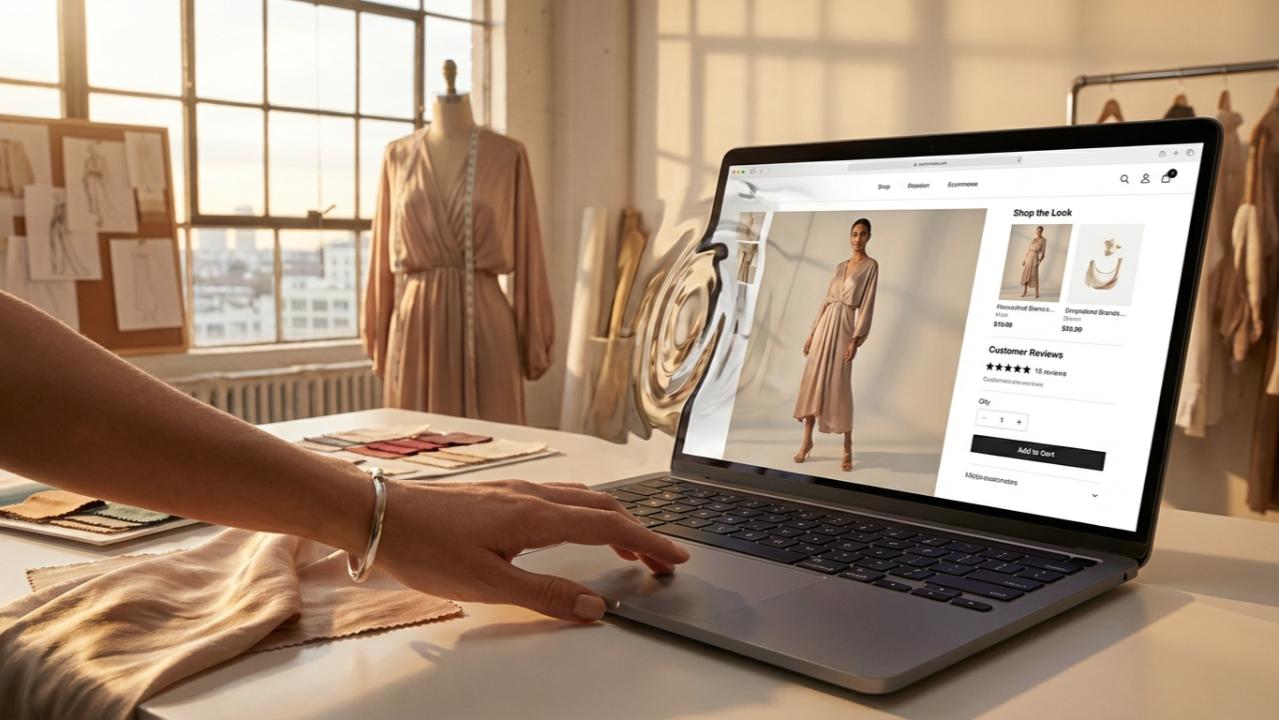
How personalised shopping improves the experience:
Product recommendations based on individual preferences.
Personalised emails about new collections.
Suggestions for matching outfits and accessories.
Special offers based on shopping interests.
Easier product discovery without endless browsing.
The goal is simple: make customers feel that their shopping experience is designed around their needs.
3. Social Media Is Influencing Luxury Fashion Trends
Social media has become an important part of the luxury fashion industry. Platforms such as Instagram, Pinterest, and TikTok allow brands to introduce their collections to audiences around the world.
Customers can discover new fashion trends through celebrity outfits, influencer recommendations, fashion creators, and designer campaigns.
Social media also helps shoppers understand how luxury products look outside traditional fashion advertisements.
For example, a customer might discover a designer bag through a fashion creator's styling video and later visit the brand's online store to explore the collection.
Social media platform | Role in luxury fashion |
Fashion campaigns and product discovery | |
Outfit inspiration and style ideas | |
TikTok | Short fashion videos and emerging trends |
YouTube | Designer reviews and styling content |
Social media is not just a promotional channel anymore. It has become part of the modern luxury shopping journey.
4. Virtual Shopping Is Changing the Customer Experience
One common challenge with online fashion shopping is that customers cannot physically touch, feel, or try products before purchasing them.
Technology is helping brands improve this experience.
Virtual try-on features, 3D product displays, high-quality product videos, and augmented reality tools are making online shopping more interactive.
Imagine exploring a pair of designer sunglasses and seeing how they might look on your face using a virtual try-on feature. Similarly, some fashion platforms allow shoppers to preview products through interactive digital displays.
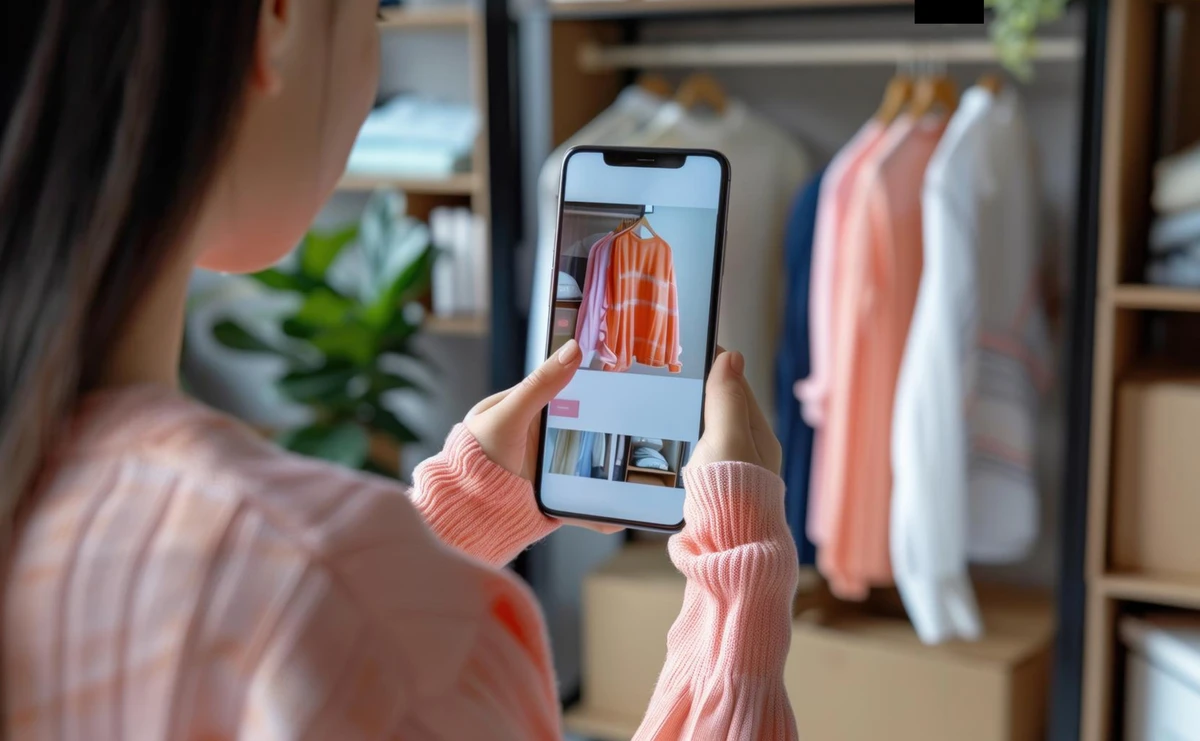
Popular digital shopping features include:
Virtual try-on experiences.
360-degree product views.
High-resolution product photographs.
Detailed product videos.
Interactive size and fit guides.
These features help customers make more confident purchasing decisions and reduce some of the uncertainty associated with online shopping.
5. Authenticity and Trust Are More Important Than Ever
When people purchase luxury fashion, they expect genuine products, excellent quality, and reliable service.
However, counterfeit products and misleading online listings remain concerns for shoppers. This makes product authenticity an important part of luxury e-commerce.
Luxury brands and authorised retailers are focusing on transparent product information and secure shopping experiences.
Some ways online retailers can build customer trust include:
Providing clear product descriptions.
Displaying genuine product photographs.
Offering verified product details.
Explaining return and refund policies.
Providing secure payment options.
Sharing information about product materials and craftsmanship.
Customers should also check whether a seller is an official brand store or an authorised retailer before making expensive purchases.
6. Mobile Shopping Is Becoming a Major Part of Luxury E-commerce
Smartphones have changed the way people shop. Customers can now browse premium collections, save favourite products, compare prices, and complete purchases using their mobile devices.
Luxury brands are improving their mobile shopping experiences to make the process smooth and convenient.
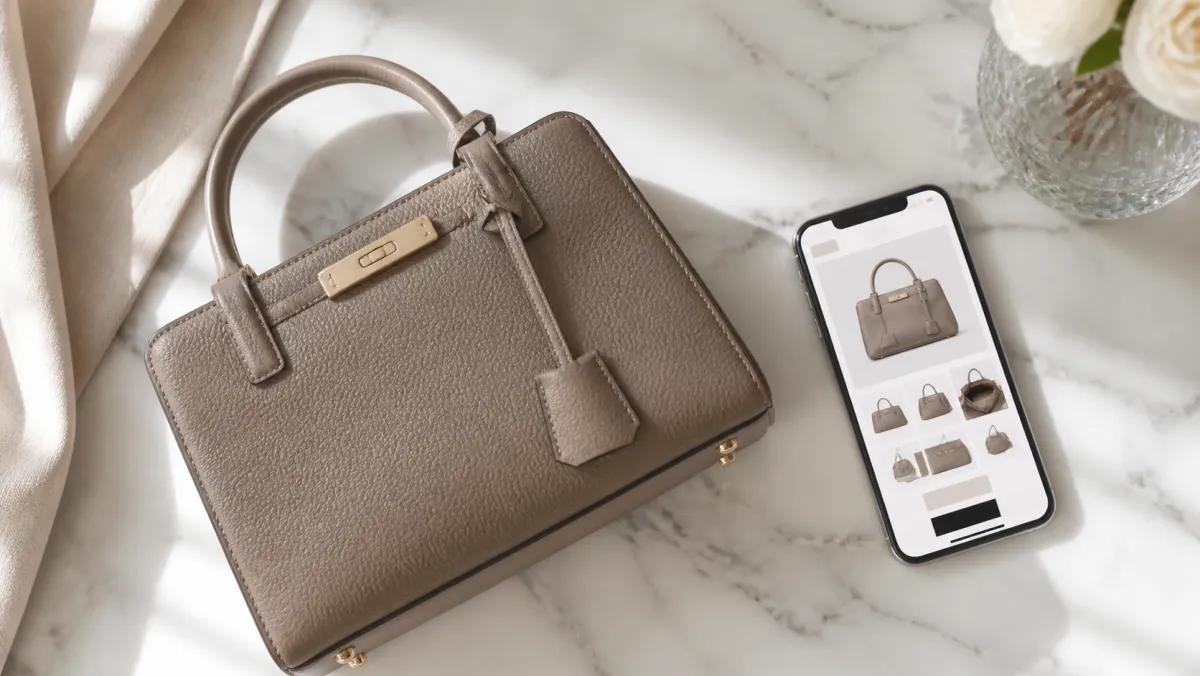
A well-designed mobile shopping experience usually includes:
Simple website navigation.
Fast-loading product pages.
Clear product photographs.
Easy checkout options.
Secure payment methods.
Helpful customer support.
Mobile shopping also allows customers to discover new collections while travelling, relaxing at home, or taking a short break during their day.
7. Sustainability Is Influencing Luxury Fashion Purchases
Modern luxury shoppers are paying more attention to how fashion products are made. Quality and appearance still matter, but customers are increasingly interested in responsible production, durable materials, and environmental impact.
Luxury brands are responding by highlighting sustainable materials, responsible sourcing, repair services, and resale opportunities.
Here are some sustainability trends influencing luxury fashion:
Responsible materials: Greater interest in recycled and responsibly sourced fabrics.
Long-lasting products: Customers are looking for pieces they can use for years.
Pre-owned luxury: Resale platforms are giving designer products another life.
Transparent production: Shoppers want to understand how products are manufactured.
Repair and care services: Maintaining expensive fashion items is becoming more important.
Sustainability is gradually becoming part of the value customers expect from luxury brands.
8. Exclusive Online Collections Are Creating Excitement
Luxury fashion has always used exclusivity to create interest around its products. Limited-edition collections, special collaborations, and seasonal launches are now also part of online shopping strategies.
Digital platforms allow brands to introduce exclusive collections to customers across different markets.
For fashion enthusiasts, this creates opportunities to discover special products without depending entirely on physical store visits.
Some examples of exclusive online shopping experiences include:
Limited-edition designer collections.
Early access to new product launches.
Members-only shopping opportunities.
Exclusive brand collaborations.
Special seasonal collections.
These experiences help luxury brands maintain their premium identity while building stronger relationships with online customers.
9. The Combination of Online and In-Store Shopping
Even though online shopping is growing, physical luxury boutiques still have an important place in the fashion industry.
Many customers enjoy visiting stores to feel fabrics, try different sizes, understand product quality, and receive personal assistance. This is why luxury brands are combining online and offline shopping experiences.
This approach is often called omnichannel shopping.
Shopping experience | Customer benefit |
Online browsing | Explore collections conveniently |
Store appointments | Receive personal assistance |
Click and collect | Shop online and collect in-store |
Online customer support | Get product-related help |
In-store returns | Access additional return options where available |
This combination gives customers more flexibility and allows brands to maintain a consistent shopping experience across different channels.
10. What the Future Holds for Luxury E-commerce
The luxury fashion industry is entering an exciting digital phase. Technology is changing how brands communicate with customers, present their collections, and manage online shopping experiences.
In the coming years, several developments may become even more important.
Future trends to watch:
AI-powered fashion assistance: Virtual shopping assistants may help customers find suitable products more easily.
Smarter recommendations: Online stores may offer more relevant suggestions based on individual preferences.
Digital product experiences: Interactive displays and virtual try-ons may become more advanced.
Luxury resale growth: Pre-owned designer fashion may attract more customers.
Improved personalisation: Brands may create shopping experiences that feel more individual.
Better customer service: Faster digital support may make online luxury shopping more convenient.
The future will not simply be about selling expensive products online. It will be about creating a complete digital experience that reflects the quality and attention customers expect from luxury brands.
Benefits of Luxury E-commerce for Modern Shoppers
Luxury e-commerce offers several advantages, especially for customers who prefer convenient and flexible shopping.
Key benefit | Why it matters |
Convenience | Shop from home without visiting multiple stores |
Product variety | Explore different designers and collections |
Personalisation | Discover products based on personal interests |
Accessibility | Find luxury brands beyond local markets |
Time-saving | Browse and compare products more easily |
Product information | Review descriptions, materials, and specifications |
However, shoppers should always check product authenticity, shipping charges, return policies, and seller credibility before purchasing expensive items.
Challenges Luxury Fashion Brands Need to Overcome
Despite its growth, luxury e-commerce still faces a few challenges.
Online fashion shopping cannot completely replace the experience of visiting a premium boutique. Customers may struggle with sizing, fabric quality, colour differences, and product authenticity.
Brands also need to protect customer information and provide reliable delivery services.
Some common challenges include:
Maintaining exclusivity: Making luxury products available online without losing their premium appeal.
Building customer trust: Ensuring customers feel confident about product authenticity.
Managing returns: Handling expensive fashion returns and exchanges smoothly.
Providing premium service: Offering the same attention online as in physical boutiques.
Protecting customer data: Keeping personal and payment information secure.
Brands that address these challenges can build stronger relationships with digital shoppers.
Luxury e-commerce is changing the fashion industry in ways that go beyond online shopping. It is creating new opportunities for customers to discover designer collections, explore premium products, and enjoy personalised shopping experiences.
Technology, social media, virtual shopping, and sustainability are all influencing what modern customers expect from luxury brands.
However, one thing remains important: luxury fashion is not just about the product. It is also about quality, craftsmanship, trust, and the experience that comes with every purchase.
As digital shopping continues to grow, successful luxury brands will be those that combine modern technology with the timeless values that make luxury fashion special.
Frequently Asked Questions
Luxury e-commerce refers to buying premium fashion products, designer clothing, handbags, footwear, and accessories through online platforms.
It makes luxury shopping more convenient through personalised recommendations, digital experiences, and access to exclusive collections.
Customers enjoy shopping from home, exploring designer collections, comparing products, and discovering new fashion brands easily.
They should shop through official brand websites or authorised retailers and check product details, seller credibility, and return policies.
AI-powered recommendations, virtual try-ons, sustainable fashion, and personalised shopping experiences are expected to shape its future.
Sources and review notes
References used to check facts, freshness, and reader-safe recommendations in this guide.
Content is based on general luxury fashion industry trends, online retail developments, digital shopping experiences, and consumer behaviour.
- 1romebusinessschool.com (opens in a new tab)
romebusinessschool.com
Discussion
0 comments
No comments yet
Discussion will appear here once it loads.