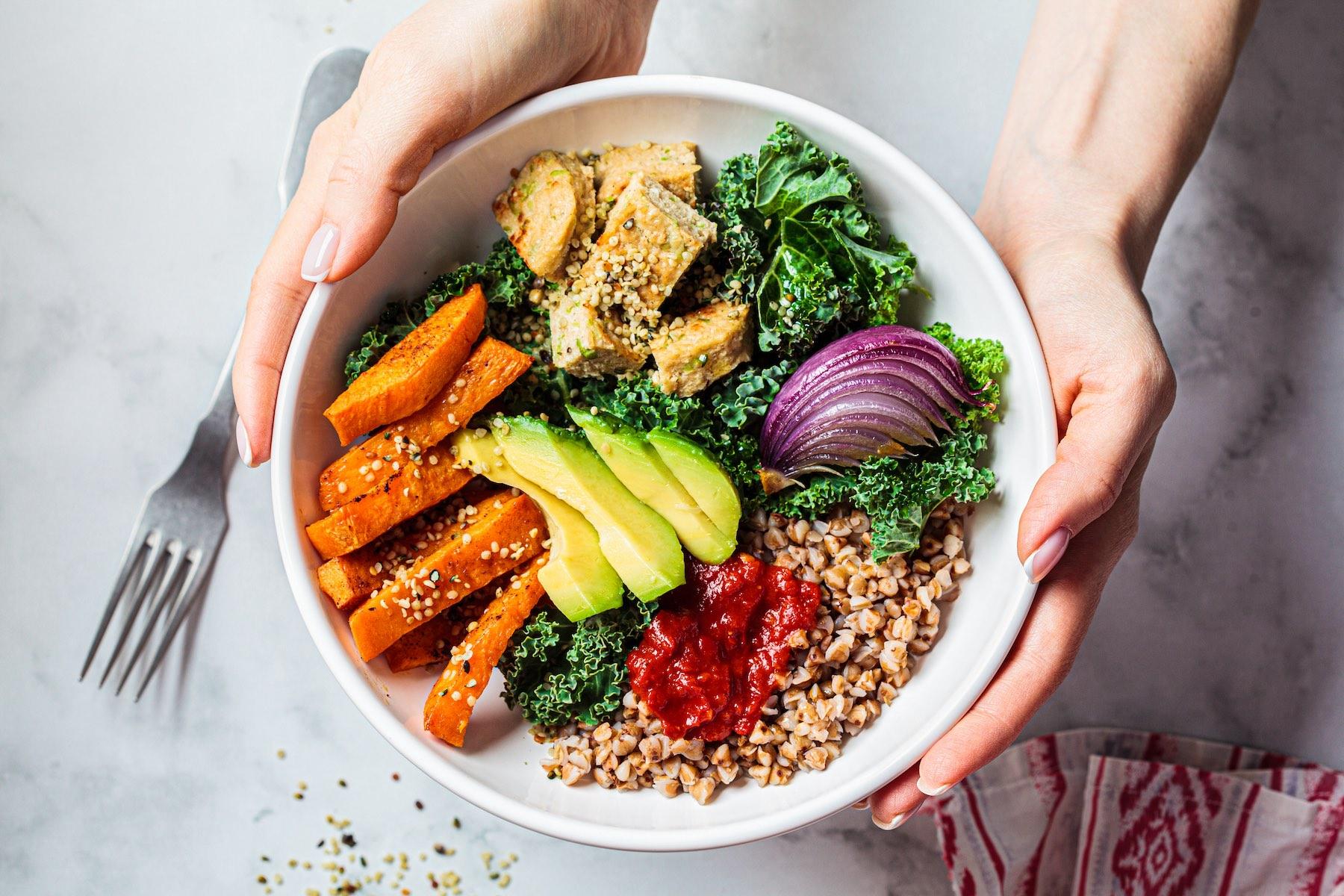
Eating healthy does not have to mean giving up everything you enjoy. In fact, I have found that healthy eating becomes much easier when meals are simple, colourful, filling, and enjoyable. You do not need complicated recipes or expensive ingredients to make better food choices.
A healthy meal can be as simple as dal with roti and vegetables, a bowl of oats with fruit, a colourful salad with protein, or homemade khichdi. What matters most is getting a good variety of nutrients throughout the day.
If you are trying to improve your eating habits, these healthy food ideas can help you build simple meals that fit into a busy everyday routine.
What Does Healthy Eating Really Mean?
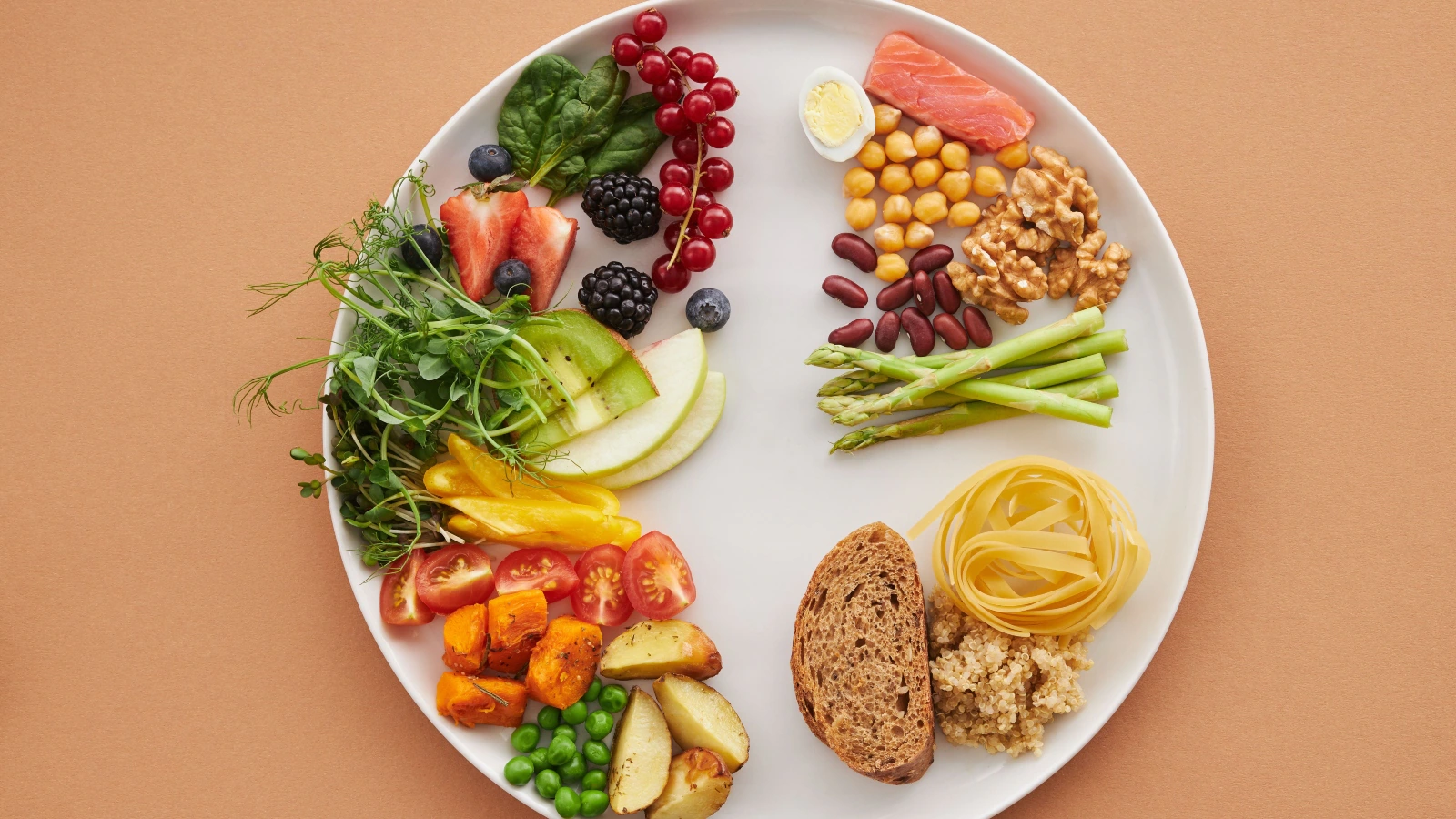
Healthy eating is not about following a perfect diet. It means giving your body a variety of foods that provide protein, carbohydrates, healthy fats, fibre, vitamins, minerals, and enough fluids.
Instead of completely removing foods you enjoy, try to create a better balance.
A Simple Healthy Plate
A practical way to build a meal is to include:
Vegetables and fruits for fibre, vitamins, and minerals
Protein-rich foods such as dal, beans, eggs, dairy, fish, chicken, tofu, or other suitable options
Whole grains or other carbohydrate sources for energy
Healthy fats from nuts, seeds, and suitable cooking oils
Water and other appropriate fluids for hydration
The exact balance can vary according to your age, activity level, dietary preferences, and health needs.
Everyday Healthy Meal Ideas
Healthy Breakfast
Start your morning with simple and nutritious choices such as oats, poha, besan chilla, idli or eggs with whole-grain toast.
Start FreshNutritious Lunch
Build a satisfying lunch with protein, vegetables and a suitable carbohydrate source such as dal, roti, rice, paneer or chickpeas.
Balanced MealWholesome Dinner
Keep dinner nourishing and enjoyable with options such as vegetable dal, khichdi, tofu, paneer, fish or chicken with vegetables.
Eat WellSmart Snacks
Choose convenient snacks like seasonal fruit, roasted chana, nuts, curd, sprouts, makhana or boiled eggs when you feel hungry.
Smart ChoiceMore Vegetables
Add colour and variety to everyday meals with spinach, carrots, capsicum, peas, beans and other seasonal vegetables.
Add ColourProtein-Rich Foods
Include dal, beans, chickpeas, tofu, paneer, curd, eggs, fish, chicken, nuts or seeds according to your dietary preferences.
Stay NourishedHealthy Food Ideas for Breakfast
Breakfast does not have to be complicated. A good breakfast can help you start the day with a satisfying combination of nutrients.
1. Vegetable Poha
Poha is an easy Indian breakfast that can be made with vegetables, peanuts, herbs, and spices. Adding vegetables and a protein source can make it more filling.
2. Oats With Fruit and Nuts
Cook oats with milk or a suitable alternative and add banana, apple, berries, nuts, or seeds. This gives you a combination of carbohydrates, fibre, and healthy fats.
3. Besan Chilla
Besan chilla can be prepared with gram flour, vegetables, herbs, and spices. Serve it with curd or another suitable protein-rich accompaniment.
4. Idli With Sambar
Soft idlis with vegetable-rich sambar make a simple and comforting breakfast. You can add fruit or another nutritious side if needed.
5. Eggs and Whole-Grain Toast
For people who eat eggs, boiled, scrambled, or cooked eggs can be paired with whole-grain toast and vegetables.
Quick Breakfast Table
Breakfast | What You Can Add | Why It Works |
|---|---|---|
Vegetable Poha | Peanuts, peas, carrots | Carbs, fibre and some protein |
Oats | Fruit, nuts, seeds | Fibre and energy |
Besan Chilla | Vegetables, curd | Protein and fibre |
Idli-Sambar | Vegetables | Carbs, protein and nutrients |
Eggs & Toast | Tomato, spinach | Protein and carbohydrates |
Healthy Lunch Ideas
Lunch should ideally be satisfying enough to keep you going through the afternoon without making you feel excessively heavy.
1. Dal, Roti and Sabzi
This classic combination can be made nutritious by including a variety of vegetables and choosing whole-wheat or other whole-grain rotis where suitable.
2. Rice Bowl With Dal and Vegetables
Rice, dal, vegetables, and curd can create a simple balanced meal. Brown rice or other whole grains can be used if you enjoy them.
3. Chickpea Salad
Combine boiled chickpeas with cucumber, tomato, onion, coriander, lemon, and spices. Add another protein or whole-grain component if you need a more substantial meal.
4. Paneer or Tofu Bowl
Add paneer or tofu to cooked vegetables and serve with rice, roti, or another suitable grain.
5. Homemade Khichdi
Khichdi can be a comforting one-pot meal. Add vegetables and serve with curd or another suitable side for a more complete meal.
Healthy Dinner Ideas
Dinner does not have to be extremely light. Instead, focus on a balanced meal that suits your appetite and routine.
Some easy options include:
Vegetable dal with roti
Grilled or baked fish with vegetables
Chicken and vegetable bowl
Tofu stir-fry with rice
Vegetable soup with a protein-rich side
Dal khichdi with vegetables
Paneer and vegetable wrap
Dinner Tip
If you often feel too full after dinner, look at portion sizes and cooking methods rather than completely skipping meals. Steaming, grilling, baking, sautéing, and pressure cooking can be useful ways to prepare food.
Healthy Snack Ideas
Snacking is where many healthy eating plans can become difficult. Packaged snacks are convenient, but there are plenty of simple alternatives.
Try These Easy Snacks
Snack | Simple Combination |
|---|---|
Fruit | Apple, guava, orange or papaya |
Nuts | Small portion of almonds or walnuts |
Roasted Chana | Chana with spices |
Curd | Plain curd with fruit |
Sprouts | Sprouts with vegetables |
Makhana | Lightly roasted makhana |
Boiled Eggs | Eggs with vegetables |
Homemade Smoothie | Fruit with milk or suitable alternative |
The right snack depends on your hunger, meal timing, activity level, and dietary needs.
Add More Vegetables to Everyday Meals
Vegetables are an easy way to add variety, fibre, vitamins, and minerals to meals.
Instead of preparing the same vegetable every day, rotate between different options.
Easy Ways to Eat More Vegetables
Add spinach to dal or eggs.
Add grated carrots to salads.
Include capsicum in sandwiches or wraps.
Add peas and beans to rice dishes.
Make mixed vegetable soup.
Add vegetables to poha or upma.
Keep cut vegetables ready for quick meals.
Small change: Try adding at least one vegetable to meals where you normally would not.
Choose Better Protein Sources
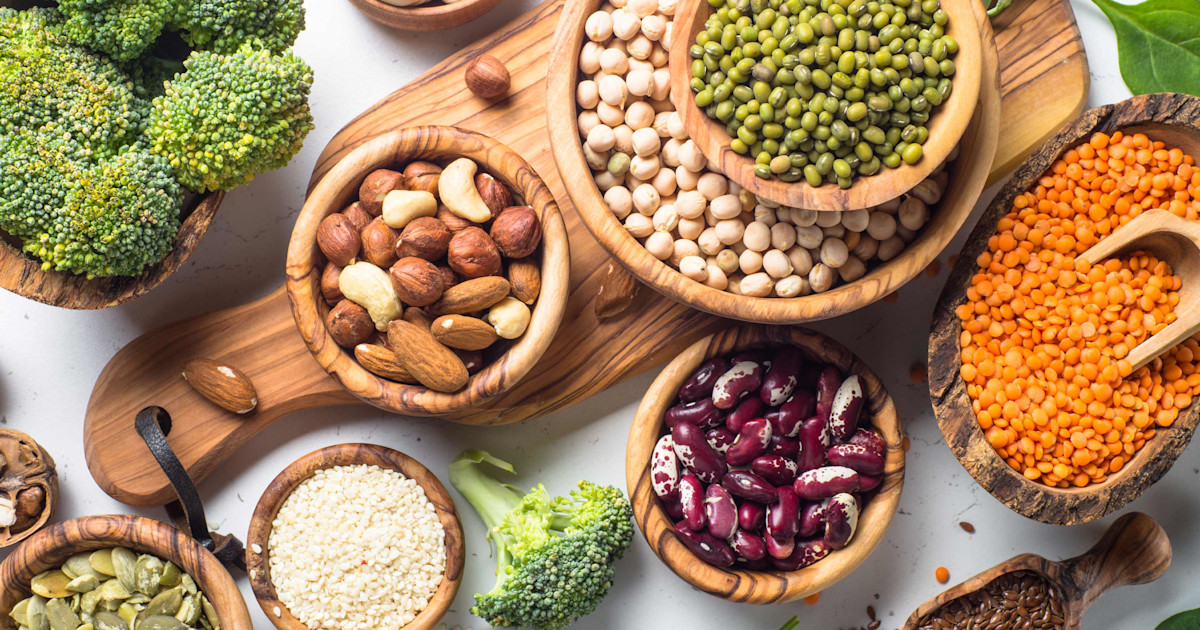
Protein is important for many body functions, including maintaining muscles and repairing tissues.
Good options can include both plant and animal foods, depending on your dietary preferences.
Protein-Rich Food Ideas
Dal
Chickpeas
Rajma
Beans
Soy foods
Tofu
Paneer
Curd and yoghurt
Eggs
Fish
Chicken
Nuts and seeds
You do not need to eat the same protein source every day. Variety can make meals more interesting and help provide a broader range of nutrients.
Healthy Food Ideas for Busy Days
Busy schedules can make cooking feel impossible. This is where meal preparation can help.
Keep These Foods Ready
Boiled eggs
Cooked dal
Washed fruits
Chopped vegetables
Cooked chickpeas or beans
Homemade chutney
Roasted chana
Cooked grains
Curd
Having a few basic ingredients ready can make it easier to prepare a meal instead of ordering something every time you are hungry.
Healthy Eating on a Budget
Eating nutritious food does not always have to be expensive.
Some affordable staples are also highly nutritious.
Budget-Friendly Foods
Dal: Affordable and versatile protein source.
Seasonal vegetables: Often economical and easy to cook.
Chickpeas and beans: Useful for meals and snacks.
Whole grains: Can form the base of many meals.
Eggs: A convenient protein option for people who eat them.
Peanuts: Affordable source of healthy fats and some protein.
Local fruits: Choose seasonal options when possible.
Planning meals before shopping can also help reduce food waste and unnecessary spending.
Healthy Cooking Methods
The way you prepare food matters too.
Try using cooking methods such as:
Steaming
Grilling
Baking
Roasting
Pressure cooking
Light sautéing
This does not mean fried food can never be eaten. Healthy eating is about your overall pattern rather than making every meal perfect.
How to Build a Healthy Meal
Pick a Protein
Choose dal, beans, paneer, tofu, eggs, fish, chicken, curd, or another suitable protein-rich option.
ProteinAdd Vegetables
Choose one or two vegetables, preferably in different colours, to add variety, fibre and nutrients to your meal.
VeggiesAdd Carbohydrates
Try rice, roti, oats, potatoes, millets, or another suitable grain or starchy food for energy.
EnergyAdd Healthy Fats
Include a small amount of nuts, seeds, or suitable cooking oils to add healthy fats to your meal.
Healthy FatsComplete Your Meal
Finish with fruit, curd, or another nutritious option according to your meal and dietary requirements.
CompleteSimple One-Day Healthy Food Plan
Here is an example of how you could structure a day:
Meal | Example |
|---|---|
Breakfast | Vegetable poha + fruit |
Mid-morning | Guava or another seasonal fruit |
Lunch | Dal + roti + mixed vegetables + curd |
Evening | Roasted chana or nuts |
Dinner | Vegetable khichdi + salad |
Fluids | Water throughout the day |
Conclusion
Eating healthy does not have to be complicated or boring. With simple choices like adding more vegetables, including protein, choosing whole grains, and keeping healthy snacks ready, it becomes much easier to eat well every day. The key is to focus on balance rather than perfection. Start with small changes, enjoy your food, and build healthy habits that fit naturally into your daily routine.
FAQ's
Include a variety of vegetables, fruits, whole grains, protein-rich foods, healthy fats, and adequate fluids.
Oats with fruit and nuts, vegetable poha, besan chilla, idli with sambar, or eggs with whole-grain toast are simple options.
Fruit, roasted chana, nuts, curd, sprouts, makhana, or boiled eggs can be convenient choices.
Yes. Dal, seasonal vegetables, beans, chickpeas, peanuts, eggs, and whole grains can be nutritious and budget-friendly.
Not necessarily. A healthy eating pattern can include occasional treats while focusing mostly on nutritious foods.
What changed
Sources and notes
Links the author listed for this post.
This article is based on general healthy-eating and nutrition guidance from trusted health and nutrition resources.
Discussion
0 comments
No comments yet
Discussion will appear here once it loads.