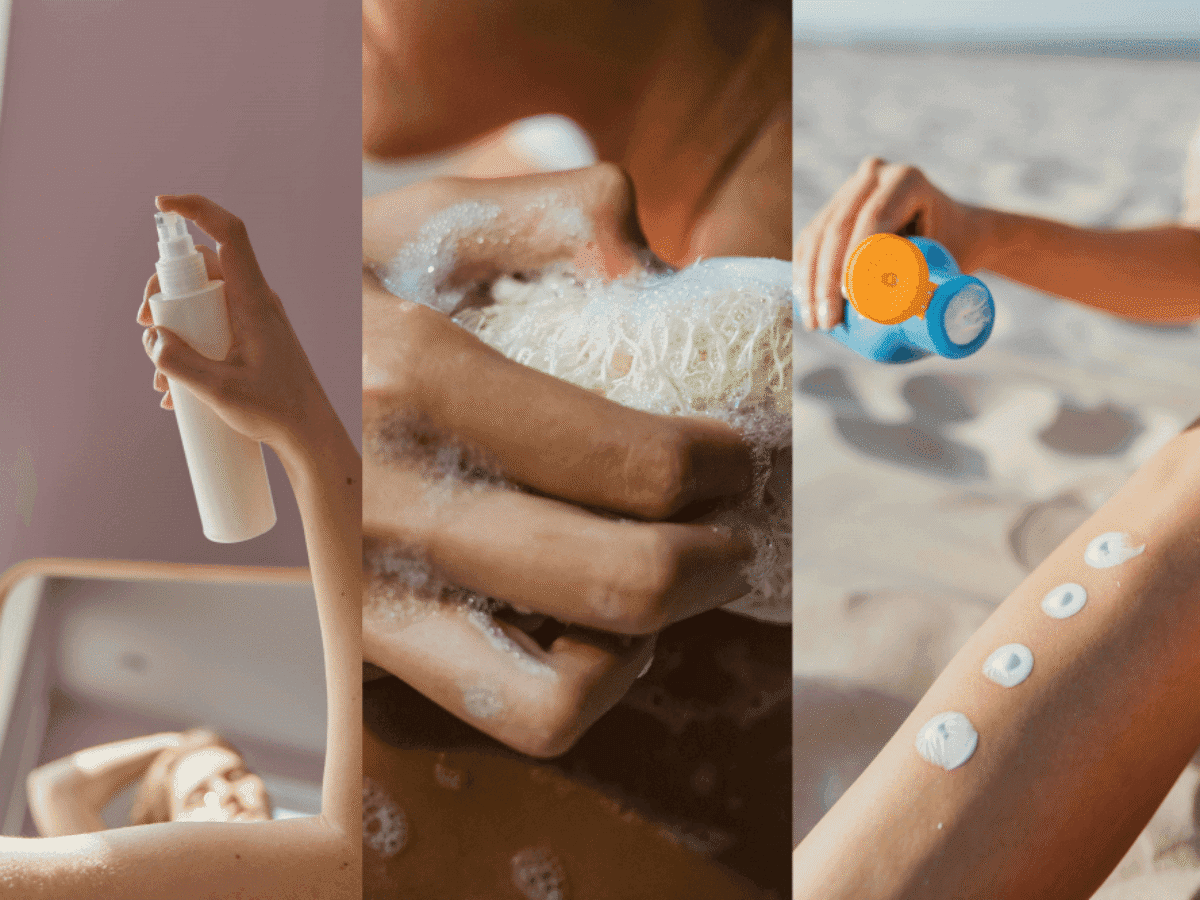
Hair and fragrance are becoming important parts of personal style and everyday self-care. Beauty trends are moving beyond complicated hairstyles and overpowering perfumes towards looks and scents that feel natural, comfortable, and personal. Healthy-looking hair, natural texture, long waves, and treatments that support hair strength are gaining attention. At the same time, fragrances featuring warm, woody, vanilla, and coffee-inspired notes are becoming popular choices for people who enjoy rich and comforting scents.
Explore AltFTool for free online tools, useful calculators, and digital resources that simplify everyday tasks and make your online experience easier.
The focus is not simply on changing appearance. It is about maintaining healthy hair, choosing suitable treatments, and finding fragrances that reflect individual preferences. Whether someone prefers loose waves, naturally textured hairstyles, or a warm perfume with a soft vanilla finish, these trends offer plenty of ways to express personal style.
The Growing Preference for Natural Hair Texture
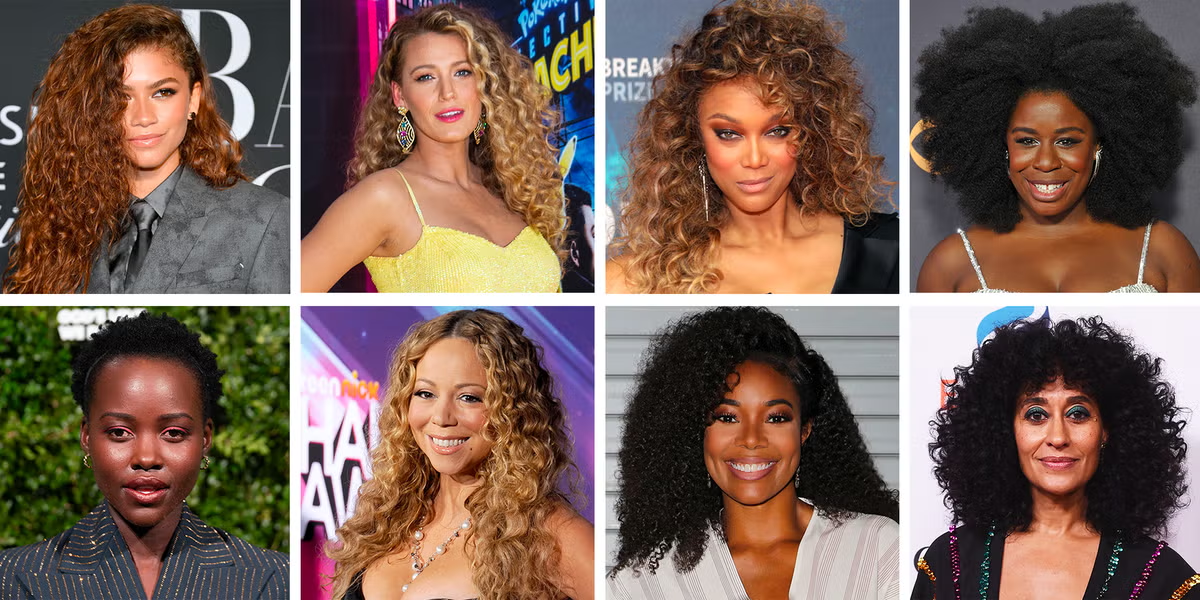
Natural hair texture is becoming an important part of modern beauty routines. Instead of trying to make every hairstyle perfectly straight or tightly controlled, many people are choosing to work with their natural hair patterns.
Wavy, curly, and slightly textured hairstyles can create a relaxed appearance while allowing individual features to stand out. This approach also encourages people to understand their hair type and select products that support its natural condition.
For example, someone with naturally wavy hair may prefer lightweight styling products that define waves without making them stiff. People with curly hair may focus on hydration and frizz control to maintain softness and shape.
Natural texture does not mean avoiding hair care or styling. It means choosing techniques that enhance the hair instead of constantly changing its structure.
Long Waves for an Effortless and Elegant Look
Long waves continue to attract attention because they offer a balance between elegance and everyday comfort. This hairstyle works across different occasions, from casual outings to formal events.
Loose waves create movement and volume, making longer hair appear fuller and more dynamic. Unlike tightly defined curls, soft waves often have a relaxed finish that can look natural without requiring complicated styling.
There are several ways to achieve this look. Heat styling tools can create more defined waves, while braiding slightly damp hair and allowing it to dry can produce a softer texture. Heatless styling methods are particularly useful for people who want to reduce regular exposure to high temperatures.
Maintaining long waves also requires attention to hair health. Regular conditioning, gentle detangling, and suitable trimming routines can help prevent dryness and split ends.
Hair Health Is Becoming More Important Than Styling Alone
A noticeable change in beauty routines is the growing emphasis on hair health. People are increasingly interested in maintaining strong, smooth, manageable hair rather than focusing only on temporary styling results.
Healthy-looking hair depends on several factors, including genetics, nutrition, scalp condition, hair-care habits, and exposure to heat or chemical treatments. A consistent routine can help improve the appearance and manageability of hair over time.
Basic hair-care practices include:
Using a shampoo suited to the scalp and hair type.
Applying conditioner to help maintain softness.
Avoiding excessive heat styling.
Detangling gently to reduce unnecessary breakage.
Protecting hair from harsh environmental conditions.
Trimming damaged ends when needed.
Avoiding hairstyles that repeatedly pull tightly on the roots.
These habits may help reduce preventable damage. However, they do not guarantee faster hair growth or resolve every hair-related concern.
Hair Growth Treatments and Scalp Care
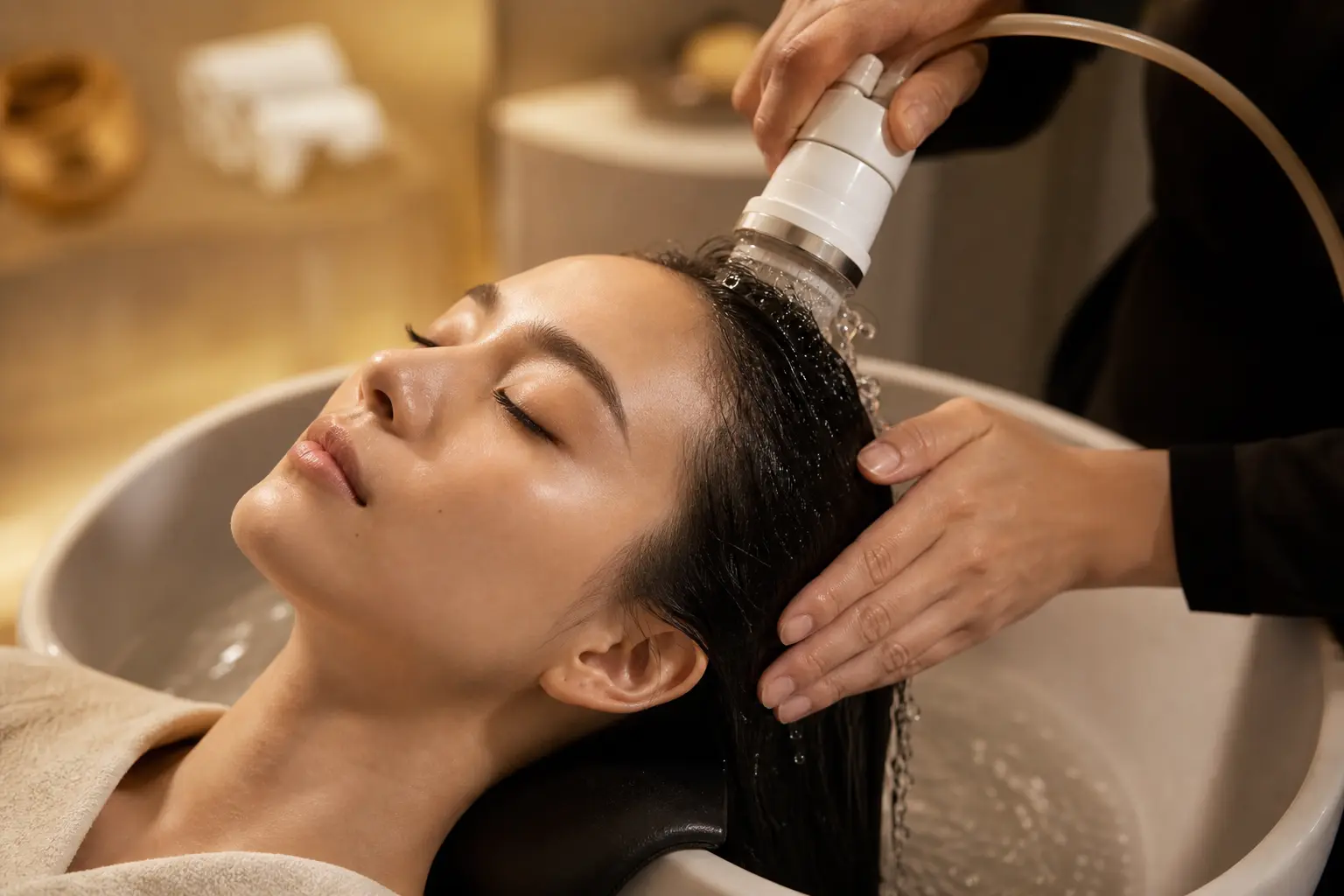
Hair growth has become a major area of interest in beauty and personal care. Many people look for ways to improve hair thickness, reduce breakage, and maintain a healthier scalp.
It is important to understand that hair growth and hair length retention are not exactly the same. Hair grows from follicles in the scalp, while the visible length can be affected by breakage and damage. If hair breaks frequently, it may appear as though it is not growing even when new growth is taking place.
Scalp care is therefore an important part of a balanced routine. Keeping the scalp clean, avoiding excessive product buildup, and choosing suitable hair-care products can support general scalp comfort.
Hair oils, scalp serums, and specialised treatments are also widely used. Their results vary depending on the ingredients, formulation, and reason behind the hair concern. Cosmetic products may improve the appearance and feel of hair, but they should not automatically be considered proven treatments for hair loss.
Anyone experiencing sudden, severe, or persistent hair shedding should consider speaking with a qualified healthcare professional. Hair loss can have different causes, including nutritional deficiencies, hormonal changes, stress, medical conditions, and scalp disorders.
Bond-Repair Treatments for Stronger-Looking Hair
Bond-repair treatments have gained attention among people who regularly colour, bleach, straighten, or heat-style their hair. These treatments are designed to help improve the condition of damaged hair by targeting aspects of its internal structure.
Hair fibres contain different types of bonds and structural components that contribute to strength, flexibility, and appearance. Chemical processing and repeated heat exposure can weaken hair, leaving it dry, rough, and more likely to break.
Bond-focused products are developed to support damaged hair and improve its overall feel. Depending on the formulation, they may help reduce the appearance of damage, improve softness, and make hair easier to manage.
These products are available in different forms, including:
Pre-shampoo treatments.
Bond-repair shampoos and conditioners.
Leave-in treatments.
Hair masks.
Intensive salon treatments.
The right option depends on the condition of the hair and the product instructions. Using too many intensive treatments at once may not provide additional benefits, so a simple and consistent routine is often more practical.
Choosing the Right Hair Treatment for Different Needs
Not every hair concern requires the same product. Dryness, breakage, frizz, thinning, and chemical damage are different issues, and they may need different approaches.
Understanding the main concern can make product selection easier. Someone dealing with dry ends may benefit from conditioning products, while someone with chemically damaged hair may prefer a treatment designed for processed hair.
Hair Concern | Suitable Care Approach | Main Purpose | Important Consideration |
|---|---|---|---|
Dry and rough hair | Hydrating shampoo, conditioner, and masks | Improve softness and manageability | Avoid excessive cleansing |
Frizzy hair | Leave-in conditioner and smoothing products | Help control flyaways | Choose products suitable for hair texture |
Chemical damage | Bond-repair treatments and conditioning masks | Improve the feel and strength of damaged hair | Follow product instructions |
Hair breakage | Gentle detangling and reduced heat styling | Reduce avoidable mechanical damage | Identify the reason for breakage |
Scalp dryness | Suitable scalp-care products | Support scalp comfort | Persistent irritation needs professional advice |
Fine or flat hair | Lightweight conditioning and styling products | Maintain volume without heaviness | Avoid applying heavy products near the roots |
A personalised approach is generally more useful than following every new hair trend. Hair texture, scalp condition, lifestyle, and styling habits should all influence the products someone chooses.
The Importance of Gentle Styling Habits
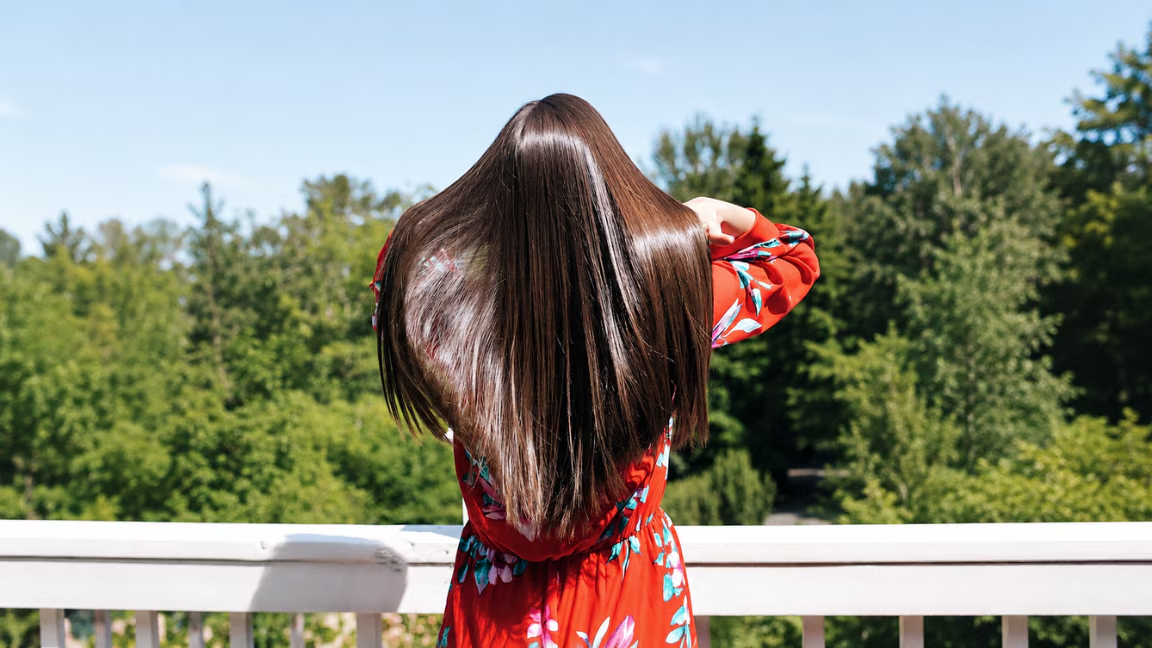
Even effective hair products cannot completely prevent damage caused by harsh styling habits. Frequent straightening, curling, bleaching, and tight hairstyles can place additional stress on hair.
Reducing unnecessary heat exposure is one way to maintain better hair condition. When using heated tools, applying an appropriate heat-protectant product and following its instructions can help reduce styling-related damage.
Another useful habit is avoiding aggressive brushing, especially when hair is wet and more vulnerable to stretching. A wide-tooth comb or gentle detangling brush may make the process easier.
People who prefer long waves can also experiment with heatless styling methods. These techniques offer different levels of definition without requiring daily high-temperature styling.
Warm Fragrances Are Becoming a Favourite Choice
While hair trends focus on natural texture and healthy-looking lengths, fragrance preferences are also moving towards comforting and expressive scents.
Warm fragrances are appreciated for their depth and character. They often feature notes that feel rich, smooth, sweet, or slightly spicy. These scents can create a cosy impression and work particularly well during cooler weather, evening occasions, or moments when someone wants a more noticeable fragrance.
Warm perfumes may include vanilla, amber, sandalwood, musk, cinnamon, coffee, and other deep notes. Some fragrances combine several of these ingredients to create a layered scent that develops gradually after application.
The popularity of warm fragrances also reflects a wider interest in personal scent preferences. Instead of choosing perfume only because it is fashionable, many people are exploring combinations that match their mood and personality.
Vanilla Notes for a Soft and Comforting Fragrance
Vanilla is one of the most recognisable fragrance notes. It is commonly associated with sweetness, warmth, and a smooth, comforting character.
However, vanilla perfumes are not always extremely sweet. Depending on the fragrance composition, vanilla can feel creamy, powdery, woody, spicy, or even slightly smoky.
Some perfumes use vanilla as the main feature, while others combine it with floral, citrus, amber, or musk notes. These combinations create different fragrance experiences.
For everyday use, a lighter vanilla fragrance may feel comfortable and easy to wear. Richer vanilla compositions can offer a stronger presence for evening occasions or cooler days.
The key is finding a balance that suits personal taste. People who dislike overly sweet perfumes may prefer vanilla blended with woods, spices, or fresh notes.
Woody Fragrances for Depth and Sophistication
Woody notes are another important part of modern fragrance preferences. They bring depth, warmth, and structure to perfume compositions.
Common woody fragrance ingredients include sandalwood, cedarwood, vetiver, patchouli, and different types of aromatic woods. Each creates a slightly different impression.
Sandalwood is often associated with a creamy and smooth character. Cedarwood can feel dry, clean, and slightly sharp, while vetiver may offer earthy or smoky qualities.
Woody fragrances are versatile because they can be combined with several other scent families. For example, woody and vanilla combinations may create a warm and creamy perfume, while woody and citrus combinations can feel fresher and more balanced.
These fragrances are available in different strengths and styles, making them suitable for people who prefer subtle everyday scents as well as richer compositions.
Coffee-Inspired Fragrances Add a Distinctive Touch
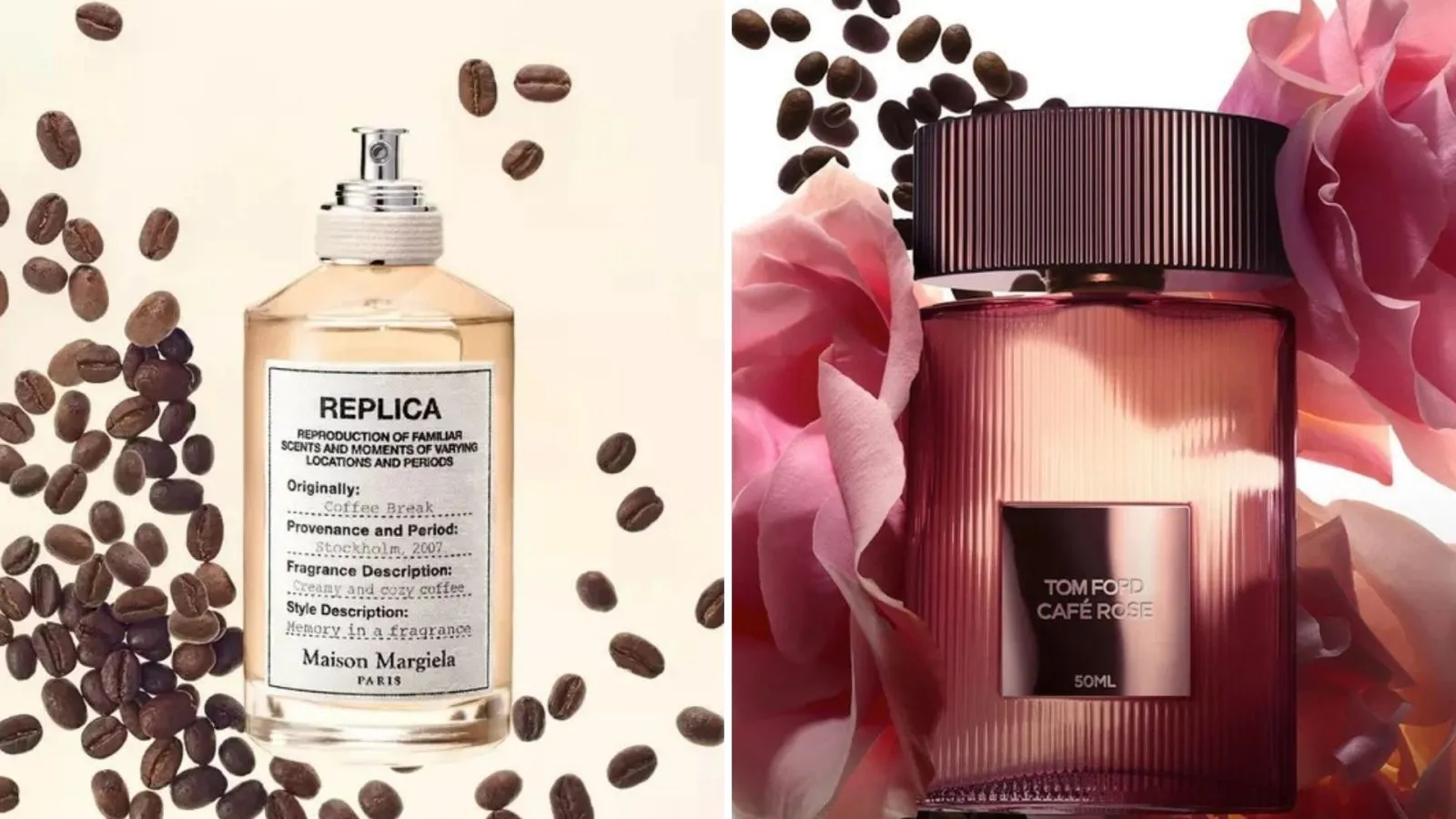
Coffee-inspired fragrance notes have become an interesting choice for people who enjoy rich and unusual scent combinations. These perfumes often create an impression of roasted coffee beans, creamy café drinks, or dark roasted aromas.
Coffee notes can be paired with vanilla, chocolate-like accords, caramel, amber, spices, and woods. The result may feel sweet, warm, dark, or slightly bitter depending on the composition.
A coffee and vanilla combination can create a creamy, dessert-inspired fragrance. Coffee blended with woods may feel deeper and more mature, while coffee paired with spices can offer a stronger and more distinctive character.
These fragrances are especially appealing to people who want something different from traditional floral or fresh perfumes.
However, coffee-inspired perfumes are not necessarily suitable for everyone. Some compositions may be intense or sweet, so testing a fragrance before purchasing a full bottle can help avoid disappointment.
How to Choose a Fragrance That Matches Your Personality
Choosing perfume is a personal experience. A fragrance that feels attractive on one person may smell different on someone else because of skin chemistry, application, concentration, and environmental conditions.
The best approach is to explore different fragrance families and understand which notes feel comfortable.
Consider these points when selecting a perfume:
Think about your preference: Decide whether you enjoy sweet, woody, fresh, spicy, or balanced fragrances.
Consider the occasion: Light fragrances may work well for everyday activities, while richer compositions can suit evening events.
Test on your skin: Apply a small amount and allow the fragrance to develop before deciding.
Check the intensity: Some perfumes are subtle, while others have stronger projection.
Consider the season: Warm fragrances are often preferred in cooler weather, although personal taste matters most.
Avoid applying too much: A few sprays may be sufficient depending on the fragrance concentration.
Testing perfume over time is important because the first impression may not represent the complete scent.
Understanding Fragrance Notes and How They Develop
Perfumes are often described through three stages: top notes, middle notes, and base notes. These stages explain how a fragrance changes after application.
Top notes are usually noticed first. They create the initial impression and may include fresh, citrus, or aromatic ingredients.
Middle notes, sometimes called heart notes, become more noticeable as the top notes fade. They help define the main character of the perfume and may include floral, spicy, or fruity elements.
Base notes develop more gradually and can remain noticeable for a longer period. Vanilla, woods, musk, amber, and coffee-inspired accords may appear in this stage.
Fragrance Stage | When It Is Noticed | Common Notes | Main Role |
|---|---|---|---|
Top Notes | Immediately after application | Citrus, fresh herbs, light fruits | Create the first impression |
Middle Notes | As the fragrance develops | Florals, spices, aromatic notes | Establish the fragrance character |
Base Notes | Later in the fragrance experience | Vanilla, woods, musk, amber | Add depth and lasting warmth |
Layered Accords | Throughout development | Coffee, vanilla, woods, spices | Create a distinctive combination |
Understanding fragrance development can make perfume shopping more enjoyable. It also helps explain why a scent may feel different after several hours compared with its initial spray.
Combining Hair Care and Fragrance in Everyday Beauty Routines
Hair care and fragrance can work together as part of a personal grooming routine. Both contribute to the way someone presents themselves, but they serve different purposes.
A hair routine should focus on cleanliness, moisture, strength, and styling preferences. Fragrance selection should focus on scent comfort, occasion, and personal taste.
Some people enjoy using scented hair products, such as shampoos, conditioners, and hair mists. These products can add a pleasant fragrance to the hair, but they should be selected carefully. Products made specifically for hair are generally preferable to spraying regular perfume directly onto the lengths, as some perfume formulations may contain alcohol that can contribute to dryness.
A balanced routine does not need dozens of products. A suitable shampoo, conditioner, occasional treatment, gentle styling method, and preferred fragrance can be enough for many people.
Common Mistakes to Avoid in Hair and Fragrance Care
Following beauty trends can be enjoyable, but using products without understanding their purpose may lead to disappointing results.
One common hair-care mistake is applying several treatments at the same time without checking whether they are compatible. Another is expecting bond-repair products to solve every hair problem. These products may support the appearance and feel of damaged hair, but they cannot reverse every form of damage.
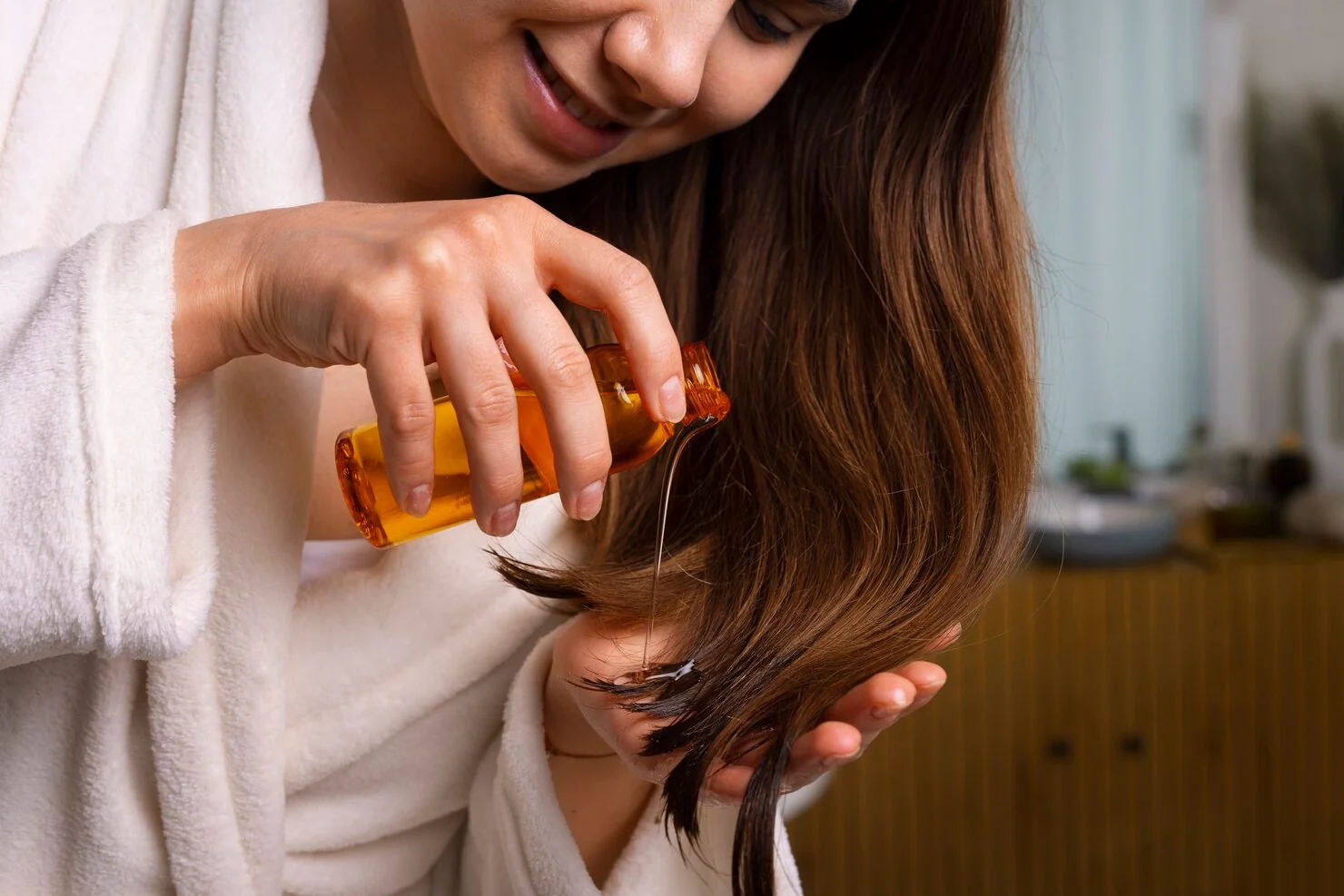
People may also assume that frequent oiling automatically leads to faster hair growth. Hair oils can help condition the hair and improve softness, but they are not a universal solution for hair loss.
Fragrance mistakes are equally common. Applying too much perfume, choosing a scent without testing it, or buying a fragrance only because it is trending can result in an unsuitable choice.
A more thoughtful approach is to understand personal needs, check product ingredients, follow usage instructions, and give new products enough time to evaluate their effects.
The Future of Hair and Fragrance Trends
Hair and fragrance trends are likely to continue balancing personal expression with practical self-care. Natural texture, long waves, and healthier-looking hair are part of a wider interest in beauty routines that feel manageable and less complicated.
Hair treatments may continue to attract attention as consumers look for products designed for dryness, breakage, chemical processing, and scalp care. Bond-repair formulas and targeted treatments are likely to remain important areas of interest, although product performance will depend on formulation and individual hair condition.
In fragrance, warm and comforting scent profiles offer plenty of room for experimentation. Vanilla, woody accords, amber, and coffee-inspired notes can be combined in different ways to create fragrances that feel subtle, rich, sweet, or distinctive.
Personalisation will remain an important part of both categories. People are becoming more interested in choosing products according to their own preferences rather than following every trend.
How to use this guide
Start with the outcome. Decide what you need from hair, fragrance trends natural waves, hair care, warm scents.
Check the important details. Review the examples, warnings, and linked resources.
Take action. Apply the best option and save the result for later use.
FAQ's
Use a suitable shampoo and conditioner, apply nourishing treatments, reduce excessive heat styling, detangle gently, and trim damaged ends when needed.
Bond-repair treatments are hair-care products designed to improve the condition of damaged hair, particularly hair affected by colouring, bleaching, and frequent heat styling.
Some treatments may help address specific causes of hair thinning, but results depend on the underlying reason. Persistent hair loss should be evaluated by a qualified healthcare professional.
Vanilla, sandalwood, cedarwood, amber, musk, spices, and coffee-inspired notes are popular choices for warm and comforting fragrances.
Current hair trends highlight natural waves, curls, soft volume, and effortless styling. The focus is on enhancing natural hair patterns rather than constantly changing them with heat or chemical treatments.
Sources and notes
Links the author listed for this post.
This article is based on general beauty and personal-care knowledge, including hair-care practices, bond-repair treatments, fragrance composition, and current beauty trends.
More on AltFTool
- AltFTool (opens in a new tab)
altftool.com


Discussion
0 comments