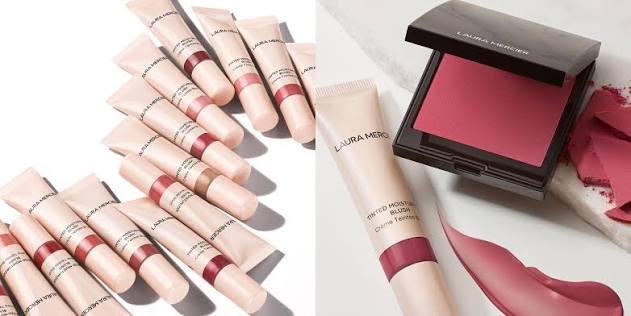
Beauty trends continue to evolve, bringing new ways to create fresh, natural-looking makeup. Two techniques that have gained attention are blonzer and blush draping. Both focus on adding warmth, colour, and dimension to the face, but they achieve these effects in slightly different ways.
Blonzer combines the warmth of bronzer with the soft colour of blush. Instead of applying separate products to create a sun-kissed complexion and rosy cheeks, this hybrid makeup product brings both effects together. It creates a warm, healthy-looking flush that can make the skin appear naturally radiant.
Explore AltFTool for free online tools, helpful calculators, and digital resources designed to make your everyday tasks easier, smarter, and faster.
Blush draping, on the other hand, uses blush to shape and define the face. Rather than limiting colour to the apples of the cheeks, the technique extends blush towards the temples and sometimes along the cheekbones. This placement creates a lifted appearance while adding colour and dimension.
Both approaches offer an alternative to heavy contouring and complicated makeup routines. They can be adjusted for subtle daytime looks, polished office makeup, or more dramatic evening styles.
What Is Blonzer Makeup?
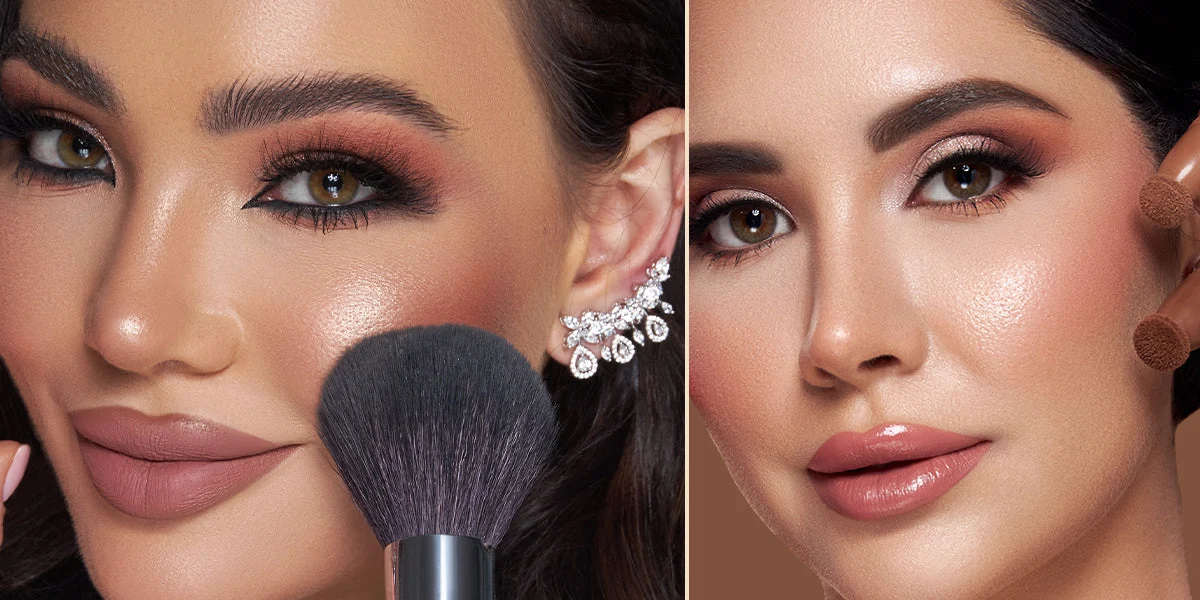
Blonzer is a combination of the words bronzer and blush. It describes a makeup product or technique that brings together the warmth of bronzer and the colour of blush.
Traditional bronzer is generally used to add warmth to areas where sunlight naturally touches the face. These areas often include the forehead, cheekbones, bridge of the nose, and jawline. Blush is usually applied to the cheeks to create a healthy-looking flush.
Blonzer combines these two purposes into one product. Depending on the shade, it may look like a warm peach, terracotta, rose-brown, coral, or soft burnt pink.
The main purpose is to create a complexion that looks naturally warmed up rather than heavily bronzed or noticeably pink. It is especially useful for people who prefer a simple makeup routine with fewer products.
What Is Blush Draping?
Blush draping is a makeup application technique in which blush is used to add colour while visually shaping the face. The colour is placed along the cheekbones and blended upwards towards the temples.
The technique became popular through professional makeup artistry, where blush was used as more than just a finishing touch. It helped create dimension and bring attention to the natural structure of the face.
Unlike traditional blush application, which often concentrates colour on the apples of the cheeks, draping uses a wider placement. The result can make the cheekbones appear more prominent and create a soft lifted effect.
Blush draping can be adapted to different face shapes and makeup preferences. A light application creates a natural flush, while stronger colour placement can produce a more editorial and expressive look.
Blonzer vs Blush Draping: Understanding the Difference
Although blonzer and blush draping can create similar warm and radiant finishes, they are not the same thing. Blonzer describes a colour combination or product, while blush draping refers to how blush is applied.
Blonzer is mainly about combining warmth and colour. Blush draping focuses on placement, blending, and the visual shape created by the blush.
Feature | Blonzer | Blush Draping | Main Result |
|---|---|---|---|
Meaning | Combination of bronzer and blush | Blush application technique | Warm and sculpted appearance |
Main Purpose | Adds warmth and rosy colour | Adds colour and visual definition | Fresh, dimensional makeup |
Application Area | Cheeks and selected warm areas | Cheekbones and temples | Soft lifted effect |
Overall Finish | Sun-kissed and flushed | Blended and sculpted | Natural or dramatic glow |
The two techniques can also be combined. A blonzer shade can be applied using the draping method to create warmth, colour, and dimension in one simple routine.
Why Blonzer and Blush Draping Are Becoming Popular
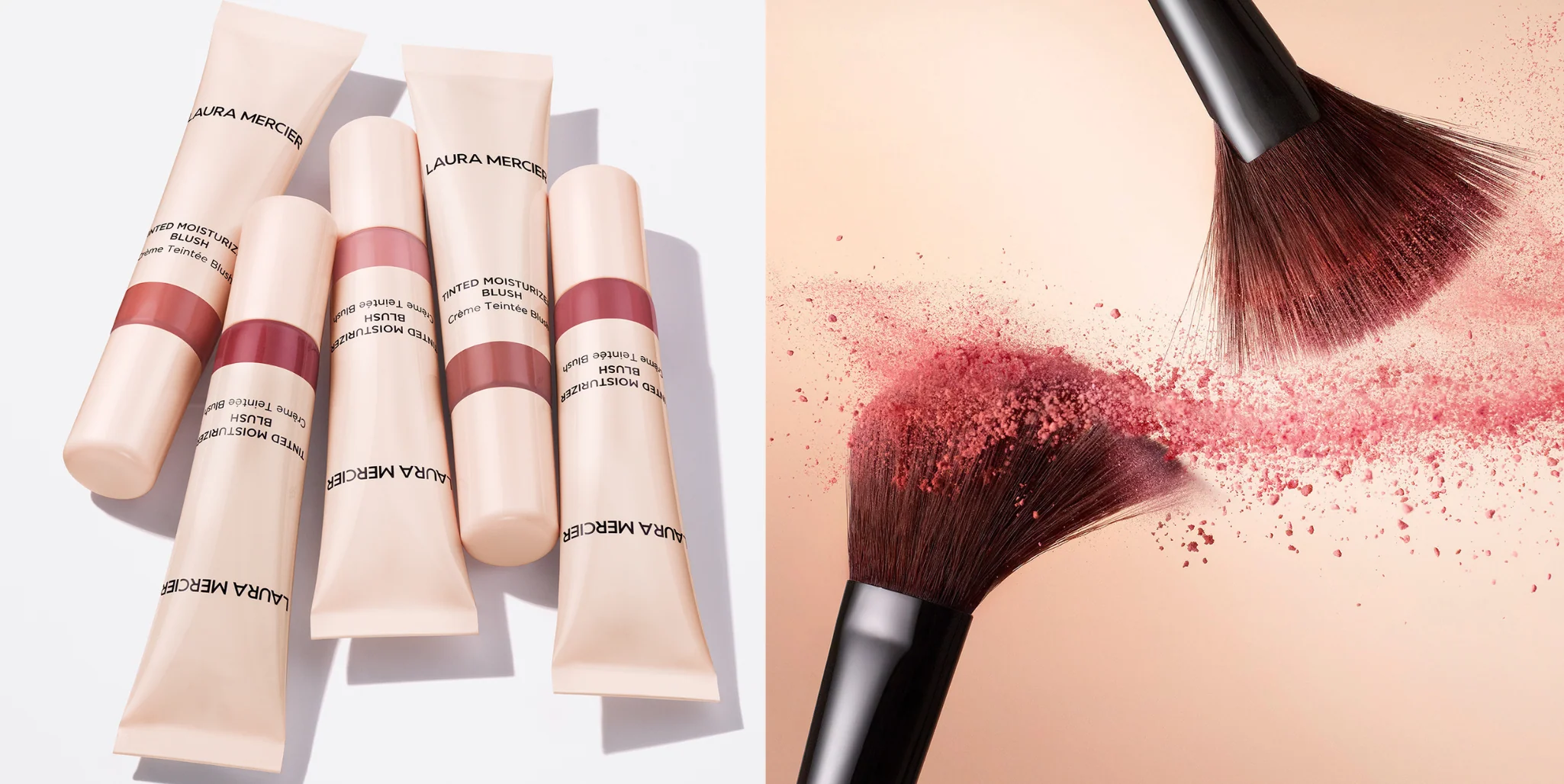
Modern makeup trends increasingly focus on skin that looks fresh, healthy, and naturally radiant. Many people prefer products that enhance their features without making the face look overly layered.
Blonzer supports this preference by combining two makeup functions into one product. It can reduce the need for separate bronzer and blush applications, making everyday makeup easier.
Blush draping has also become popular because it offers a softer alternative to traditional contouring. Instead of using darker shades to create sharp shadows, it uses blush to bring colour and definition to the cheeks.
Another reason for their popularity is versatility. Both techniques can be adjusted according to skin tone, face shape, outfit, occasion, and personal style.
Social media beauty content has also introduced these techniques to wider audiences. Makeup enthusiasts can experiment with different shades and placements to discover what works best for their features.
Choosing the Right Blonzer Shade for Your Skin Tone
Choosing a suitable shade is important because blonzer combines two colours that can influence the overall appearance of the complexion.
A shade that is too cool may look more like traditional blush, while an overly dark or orange shade may appear unnatural. The ideal shade should add warmth while complementing the skin's natural undertone.
Fair Skin Tones
People with fair skin may prefer soft peach, light coral, muted rose, or delicate pink-brown shades. These colours can add warmth without creating an overly strong contrast.
A light-handed application is usually enough to achieve a natural finish. Blending the product carefully helps prevent visible colour patches.
Light to Medium Skin Tones
Light to medium skin tones can work well with peachy pink, warm rose, soft terracotta, and golden coral shades.
These colours offer a balance between warmth and colour. They can create a healthy-looking flush that works for everyday makeup as well as more polished looks.
Medium to Deep Skin Tones
Medium and deeper complexions can explore richer shades such as burnt coral, cinnamon, warm berry, terracotta, and reddish brown.
These colours can provide visible warmth and dimension without looking ashy. Pigmentation and undertones should be considered when selecting a product.
Deep Skin Tones
Deep skin tones can look beautiful with rich berry, deep terracotta, brick red, warm plum, and chocolate-rose shades.
Choosing a shade with sufficient pigmentation helps the colour remain visible and blend naturally with the complexion.
How to Apply Blonzer for a Natural Glow
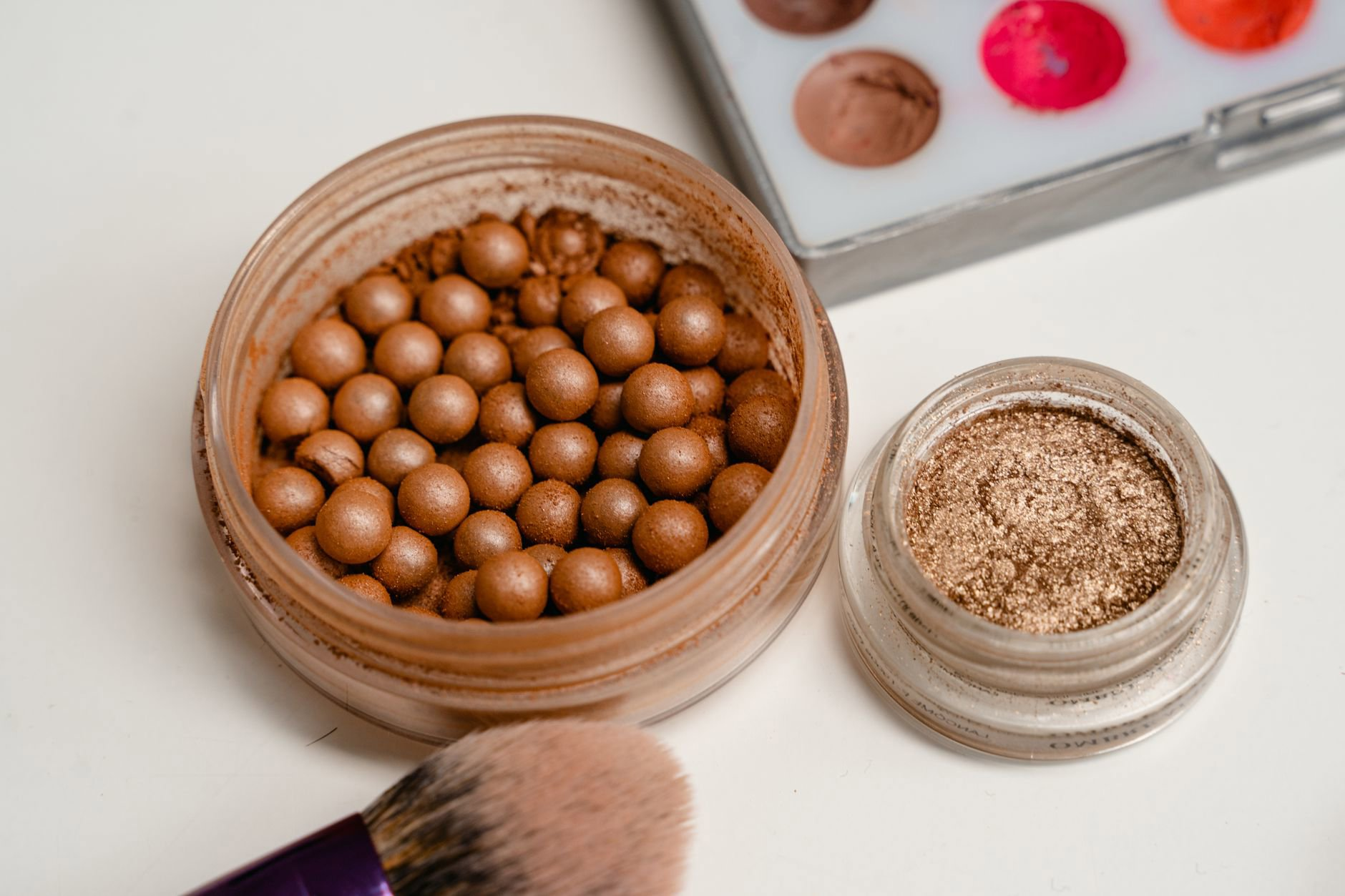
Blonzer can be applied in a few simple steps. The goal is to create a soft combination of warmth and colour without making the cheeks look too heavy.
Prepare the Skin
Start with clean, moisturised skin. Apply your usual base products, such as primer, foundation, or skin tint, depending on the finish you prefer.
Allow skincare and liquid base products to settle before applying powder blonzer. If you are using a cream or liquid formula, make sure the base is not excessively wet or slippery.
Select the Right Brush
A fluffy angled brush works well for powder blonzer because it distributes colour gradually. A soft makeup sponge or dense brush can be useful for cream formulas.
Choose a tool that allows controlled application and smooth blending.
Apply to the Cheeks
Start near the upper part of the cheeks and blend the product towards the temples. Use a small amount initially and build the colour gradually.
Avoid applying too much product in one place. Light layers generally create a more natural appearance.
Add Warmth to Other Areas
If the shade and formula are suitable, a small amount can be blended near the forehead or across the bridge of the nose for a coordinated sun-kissed finish.
Keep the application subtle. The cheeks should remain the main focus.
Blend Everything Together
Use a clean brush or sponge to soften the edges. There should be no obvious line separating the blonzer from the rest of the makeup.
Step-by-Step Guide to Blush Draping
Blush draping requires attention to placement because the direction of blending influences the final appearance.
Start with a Suitable Base
Prepare the skin with moisturiser and your preferred makeup base. Blush can be applied directly to well-prepared skin for a lighter look or over foundation for a more finished result.
Choose a blush formula that works with the products already on your face.
Find Your Cheekbone Area
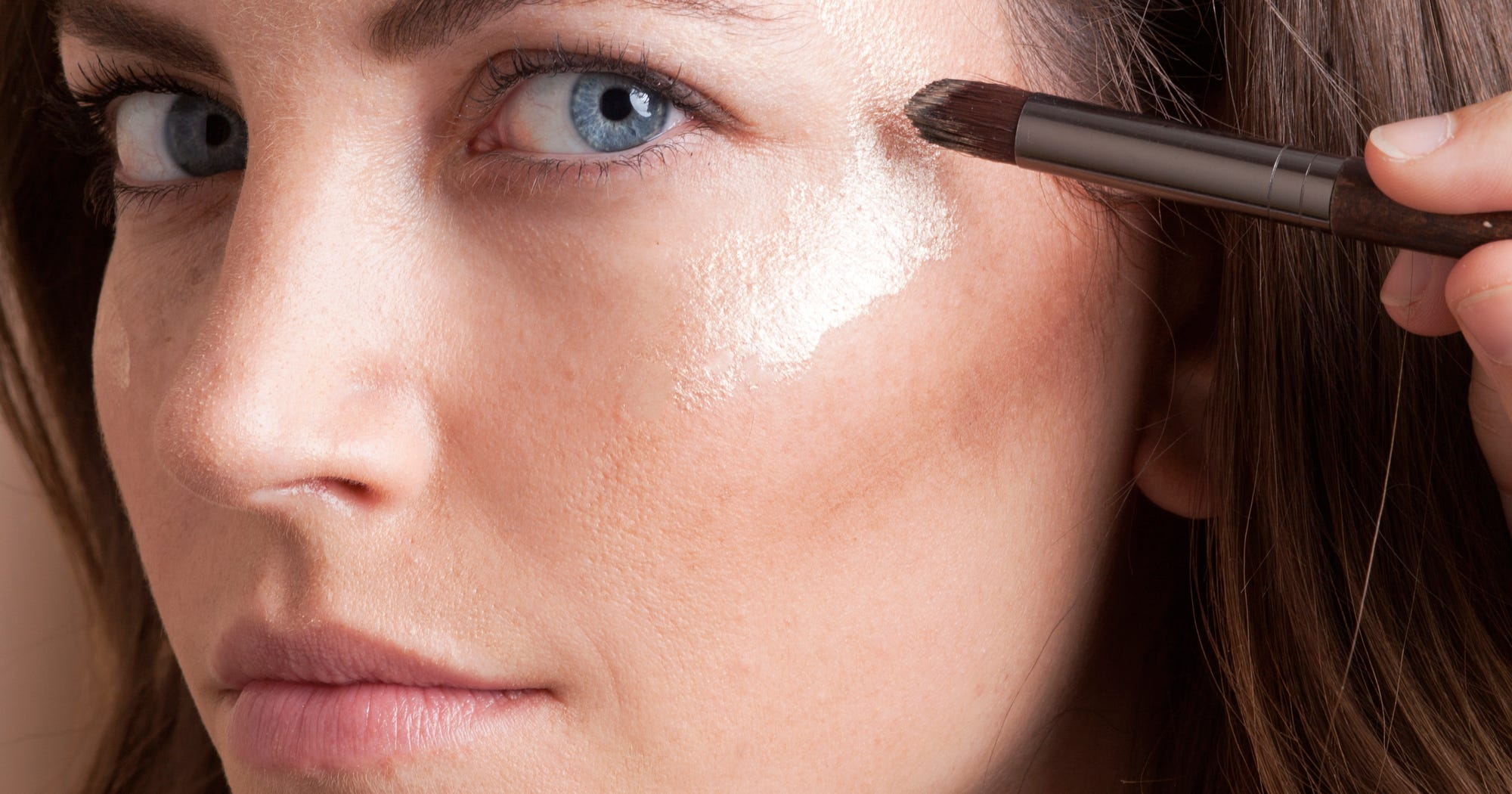
Locate the upper part of your cheekbone. This is generally where the colour placement begins.
You do not need to apply blush directly to the centre of the cheeks. The idea is to create a smooth line of colour that follows the cheekbone.
Blend Towards the Temples
Apply a small amount of blush near the cheekbone and gradually blend upwards towards the temples.
Use soft, controlled movements. Avoid pulling the colour too close to the eyes or creating a harsh stripe.
Build the Colour Gradually
Add another light layer if you want a stronger effect. Blush draping looks best when the colour gradually becomes softer towards the edges.
For a natural appearance, keep the centre of the colour slightly more noticeable while blending the outer edges smoothly.
Connect the Makeup
If desired, lightly blend any remaining colour towards the outer forehead. This can create a coordinated appearance, particularly when using warm blush shades.
Finish with your preferred setting product if needed.
Best Blush Formulas for Draping
Different blush formulas create different finishes. Selecting the right texture can make application easier and help the makeup last comfortably.
Powder Blush
Powder blush is suitable for people who prefer a soft, diffused finish. It is easy to control and works particularly well over powder-set foundation.
A fluffy brush helps spread the colour without creating a harsh line. Powder blush is also useful for gradually building intensity.
Cream Blush
Cream blush creates a fresh, skin-like finish. It can be applied with fingers, a sponge, or a brush.
This formula is often preferred for natural makeup because it blends easily into the skin. It can be particularly useful for people who want a dewy appearance.
Liquid Blush
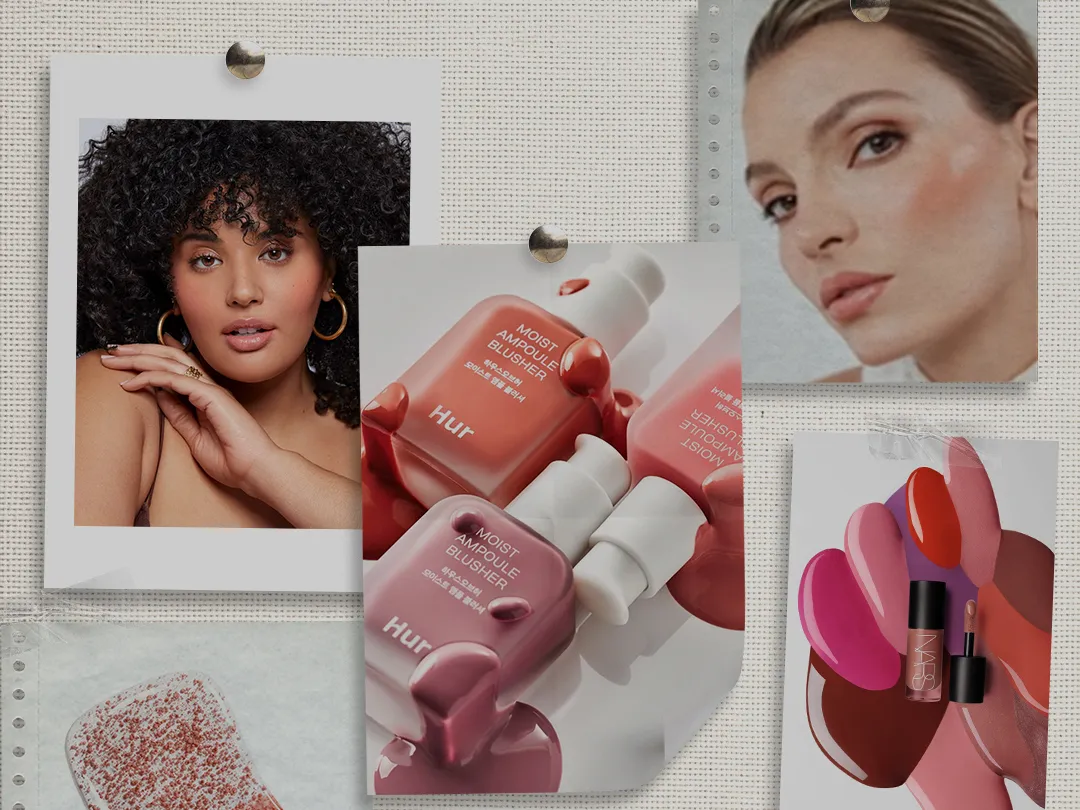
Liquid blush usually provides concentrated colour, so a small amount can be enough. It is suitable for people who enjoy a lightweight finish.
Apply it in small dots and blend quickly before it settles. Using too much product at once may make the colour difficult to control.
Blush Sticks
Blush sticks offer convenience and portability. They can be applied directly to the cheek area or picked up with a brush.
They are useful for quick makeup routines, although direct application should be gentle to avoid disturbing the foundation underneath.
How to Choose the Right Blush Colour for Draping
The right blush colour can influence the entire makeup look. Skin undertone, outfit, lighting, and occasion can all affect which shades look most balanced.
Warm peach and coral shades create a fresh, sunny appearance. Rose and mauve tones can produce a softer, more romantic finish. Berry and wine colours offer greater intensity and can work well for evening makeup.
It is also important to consider the intensity of the product. Highly pigmented blushes may require a lighter hand, while sheer formulas can be built up gradually.
A useful approach is to test the colour in natural light. Indoor lighting can sometimes make a shade look different from how it appears outdoors.
Combining Blonzer and Blush Draping
One of the easiest ways to experiment with both trends is to combine them in the same makeup routine.
Start with a blonzer shade that complements your skin tone. Apply it around the upper cheek area to create warmth and a soft flush.
Next, use a small amount of blush in a complementary colour and blend it along the cheekbones towards the temples. This adds a little more dimension without making the makeup look too complicated.
For example, a peach blonzer can be paired with a soft coral blush. A rose-brown blonzer can work with a muted pink or warm rose blush.
The key is to avoid using too many contrasting colours. Both products should blend together naturally rather than appearing as separate layers.
Makeup Looks You Can Create with These Techniques
Blonzer and blush draping can be adapted to different occasions and personal styles.
Everyday Natural Makeup
For everyday makeup, choose a soft peach or rose-toned blonzer. Apply a light layer across the cheeks and blend towards the temples.
Keep the rest of the makeup simple with natural-looking base coverage, subtle mascara, and a comfortable lip colour.
Office-Ready Makeup
For a polished office look, use a muted rose-brown or soft terracotta shade. Apply the colour lightly and blend it carefully.
Avoid overly intense placement if you prefer understated makeup. A balanced finish can complement neutral clothing and professional outfits.
Sun-Kissed Makeup
A warm coral or terracotta blonzer can help create a sun-kissed appearance. Blend a small amount over the cheeks and lightly across the forehead and nose if the product is suitable for those areas.
Keep the colour controlled to avoid an overly orange finish.
Evening Glam Makeup
For evening makeup, deeper rose, berry, or burnt coral shades can create a more noticeable effect.
Blush draping can be paired with defined eyes and a complementary lip colour. Build the blush gradually so it remains blended and balanced.
Common Mistakes to Avoid
Although these techniques are easy to experiment with, a few common mistakes can affect the final result.
Applying Too Much Product: Strong colour placement can make the cheeks appear patchy or overly intense. Start with a small amount and build gradually.
Choosing an Unsuitable Shade: A colour that does not complement your skin tone may look disconnected from the rest of your makeup. Consider undertones and product pigmentation before choosing a shade.
Blending in the Wrong Direction: Blush draping generally follows an upward direction towards the temples. Blending randomly can make the placement look uneven.
Using Incompatible Formulas: Applying powder products over a wet or sticky base may create texture. Allow cream and liquid products to settle before layering powder.
Ignoring the Rest of the Makeup: Strong blush paired with equally intense bronzer, eyeshadow, and lipstick can make the overall look feel crowded. Balance the colours across the face.
Skipping Natural-Light Checks: Makeup can appear different under indoor and outdoor lighting. Check the finished look in natural light whenever possible.
Tips for Making Blonzer and Blush Draping Last Longer
Long-lasting makeup starts with good skin preparation. Cleanse and moisturise the skin before applying makeup. Choose a base that suits your skin type and avoid applying excessive skincare immediately before makeup.
Use thin layers instead of applying a large amount of product at once. This helps the makeup blend evenly and reduces the chance of it becoming heavy.
If you use cream blonzer or blush, a light layer of compatible powder can help set the product. However, avoid applying too much powder because it may reduce the natural finish.
A setting spray can also help the different makeup layers look more connected. Choose a formula that suits your preferred finish, whether matte, natural, or dewy.
For touch-ups, carry a small amount of your preferred product rather than repeatedly adding thick layers throughout the day.
FAQ's
Blush draping is a makeup technique where blush is applied along the cheekbones and blended upwards towards the temples to create a lifted and sculpted effect.
Blonzer is a combination of bronzer and blush that adds warmth and a soft flush of colour to the cheeks. It creates a natural, sun-kissed appearance.
Yes, you can combine both techniques. Apply blonzer for warmth and use a complementary blush shade along the cheekbones for additional colour and dimension.
Yes, blush draping works for everyday makeup. Use a soft shade, apply a small amount, and blend it gently towards the temples for a natural finish.
Blonzer combines bronzer and blush effects in one product, while blush draping focuses on the placement and blending of blush to add dimension to the face.
Sources and notes
Links the author listed for this post.
This article is based on general beauty knowledge, makeup application techniques, product information, and current beauty trends. It also highlights practical tips for using blonzer and blush draping to achieve a natural, radiant makeup look.
More on AltFTool
- AltFTool (opens in a new tab)
altftool.com


Discussion
0 comments