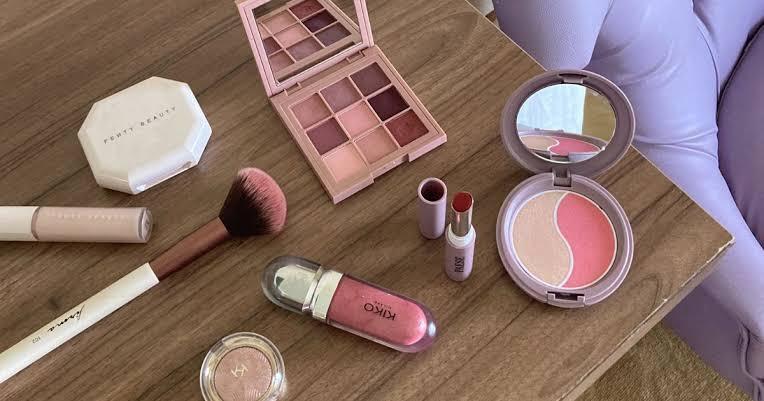
Beauty trends move quickly. Every day, shoppers come across new skincare launches, makeup products, haircare routines, and beauty recommendations on social media. A product can become popular overnight because of a celebrity endorsement, an influencer review, or a viral video showing impressive results. Many people feel curious about trying these products, especially when they see hundreds of positive comments and attractive before-and-after pictures.
However, popularity does not always mean a product is necessary, effective, or suitable for everyone. A skincare product that works well for one person may not deliver the same results for another. Similarly, a makeup product that receives millions of views might not match someone's skin tone, preferences, lifestyle, or budget.
Make smarter beauty shopping decisions with AltFTool’s free online tools and digital resources to compare options, manage budgets, and shop wisely.
This creates an important question for modern beauty shoppers: how can they separate viral beauty products from products they actually need?
The answer is to shop with awareness, understand personal beauty requirements, evaluate product ingredients, and avoid making purchasing decisions based only on online popularity. Instead of following every new trend, shoppers can build a practical beauty collection that supports their individual needs.
Understanding Why Beauty Products Become Viral
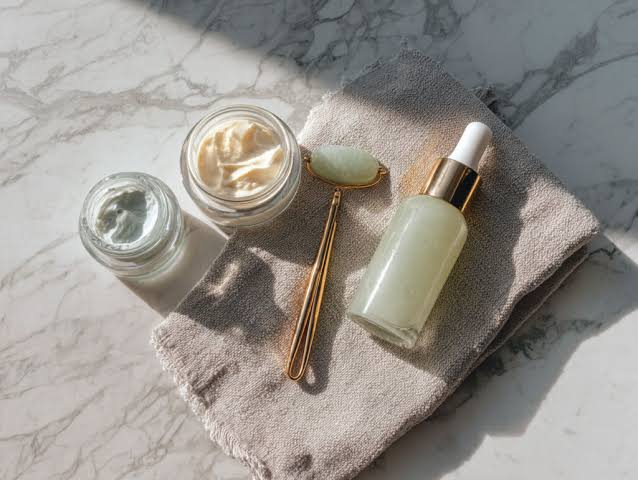
Viral beauty products often receive attention because of social media exposure. Platforms featuring short videos, beauty tutorials, product demonstrations, and influencer recommendations can make a particular item popular within a short period.
A product may become a trend because someone demonstrates an unusual application technique, shares an impressive transformation, or describes it as a must-have beauty essential. When several creators start discussing the same item, shoppers may feel that they are missing out if they do not purchase it.
Some products genuinely become popular because they offer useful features, convenient application, attractive packaging, or good performance. Others receive attention mainly because of marketing campaigns and temporary social media excitement.
Understanding these reasons helps shoppers recognise that popularity and personal usefulness are two different things.
Identify Your Actual Beauty Needs Before Shopping
The first step toward making better beauty purchases is understanding what you genuinely need. Instead of starting with trending products, begin by evaluating your existing beauty routine.
For skincare, consider whether your main concern is dryness, excess oil, uneven texture, or maintaining general skin comfort. For makeup, think about the products you regularly use and the items that would make your routine easier.
For example, someone who rarely wears foundation may not need to purchase a viral full-coverage foundation simply because beauty creators recommend it. A person who prefers a simple skincare routine may not benefit from adding several unnecessary serums.
A practical approach is to divide beauty requirements into three categories:
Essential products that you use regularly.
Useful products that could improve your existing routine.
Optional products that you want to try mainly because they are trending.
This simple classification creates a clearer picture of what deserves priority.
Viral Popularity Does Not Guarantee Product Quality
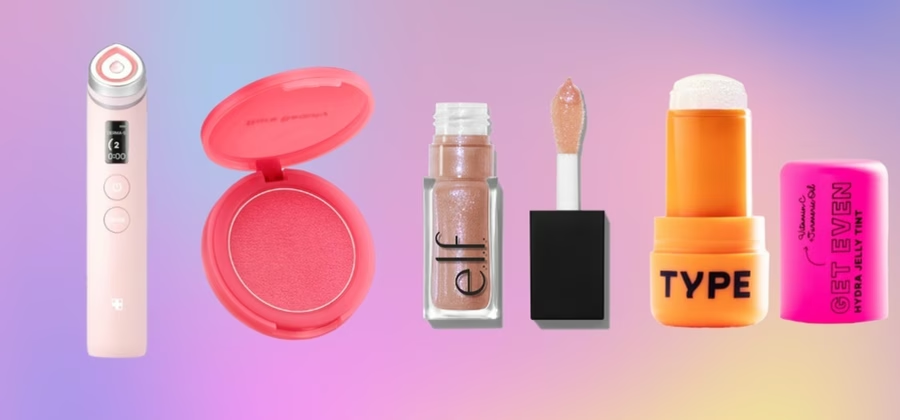
A large number of views, likes, and comments can make a beauty product appear extremely successful. However, these numbers do not necessarily explain whether the product is suitable for everyday use.
Some viral products receive attention because their packaging looks attractive or their application creates an interesting visual effect. Others become popular because of limited-time promotions or influencer partnerships.
Shoppers should look beyond the popularity of a product and examine its actual features.
Consider whether the product provides useful benefits, whether its ingredients are clearly listed, and whether its performance matches the claims being made. It is also important to distinguish between personal opinions and evidence-based product information.
A creator may genuinely love a particular moisturiser, but that does not automatically make it the right choice for someone with different skin characteristics.
Check Product Ingredients Before Purchasing
Ingredients play an important role in determining how a beauty product is formulated and what purpose it serves. Reading the ingredient list can help shoppers understand whether a product fits their requirements.
For example, moisturising products may contain ingredients such as glycerin, hyaluronic acid, or ceramides. These ingredients are commonly used in formulations designed to support skin hydration and moisture retention.
Similarly, products containing niacinamide may be marketed for concerns involving uneven-looking skin tone and oiliness. However, the overall formulation, concentration, and individual tolerance also matter.
Shoppers should avoid assuming that an ingredient is automatically beneficial just because it is frequently mentioned in beauty videos.
Ingredient | Common Purpose | Product Type | Shopping Consideration |
|---|---|---|---|
Hyaluronic Acid | Supports skin hydration | Serums and moisturisers | Check the overall moisturising formula |
Glycerin | Helps attract and retain moisture | Creams and lotions | Useful in many hydration-focused products |
Niacinamide | Supports skin barrier and appearance | Serums and creams | Consider concentration and skin tolerance |
Ceramides | Help support the skin barrier | Moisturisers | Useful in barrier-focused skincare |
Salicylic Acid | Helps exfoliate inside pores | Cleansers and treatments | Consider skin sensitivity and usage frequency |
Vitamin C | Used in antioxidant skincare formulas | Serums and creams | Check formulation and packaging |
The ingredient list should always be considered alongside product instructions, individual preferences, and any known sensitivities.
Understand Your Skin Type and Personal Preferences
A product can receive excellent reviews and still be unsuitable for a particular shopper. This is because people have different skin types, preferences, and experiences with beauty formulations.
Someone with dry skin may prefer richer creams, while someone with oily skin may find lighter textures more comfortable. People with sensitive skin may need to pay closer attention to fragrance, exfoliating ingredients, and other potential irritants.
Makeup preferences also differ. Some shoppers enjoy matte finishes, while others prefer a natural or dewy appearance. A viral lipstick may look attractive in a video but may not suit someone's preferred colour palette or daily routine.
Before purchasing a trending product, ask yourself whether its features match your personal requirements.
It is also sensible to review the manufacturer's directions and perform a patch test when appropriate, particularly when introducing a new skincare product.
What changed
Learn to Recognise Influencer Marketing

Influencer recommendations are an important part of modern beauty shopping. Beauty creators often introduce new products, demonstrate application techniques, and share personal experiences.
These recommendations can be useful, but shoppers should understand that some promotional content involves paid partnerships, gifted products, affiliate arrangements, or other commercial relationships.
Sponsored content is not automatically misleading. A creator may genuinely like a product even when it is promoted through a partnership. However, promotional content should be evaluated differently from an independent review.
Look for clear advertising disclosures and consider whether the creator explains both the advantages and limitations of the product.
A balanced review is generally more useful than a video that describes every product as perfect.
Compare Product Claims with Realistic Expectations
Beauty marketing often uses attractive phrases such as instant glow, flawless finish, overnight transformation, and long-lasting results. These descriptions can make shoppers expect dramatic improvements.
However, product results depend on formulation, usage, individual characteristics, and consistency.
For example, a moisturiser may help improve the feeling of dryness, but it cannot guarantee that every skin concern will disappear. Similarly, a foundation may provide a smoother-looking finish without permanently changing skin texture.
Shoppers should understand the difference between cosmetic appearance and long-term changes.
Marketing Claim | What Shoppers Should Check | Practical Expectation | Better Buying Decision |
|---|---|---|---|
Instant Glow | Product ingredients and finish | Temporary radiant appearance | Choose a finish you genuinely enjoy |
Overnight Results | Supporting product information | Results may vary | Avoid expecting dramatic changes |
Long-Lasting Makeup | Wear-time testing and formula | Performance differs by skin type | Consider your daily activities |
Deep Hydration | Moisturising ingredients | Improved skin moisture | Match the formula to your needs |
Flawless Coverage | Coverage level and texture | Appearance depends on application | Select coverage that suits your routine |
Understanding realistic expectations can prevent disappointment and unnecessary spending.
Read Reviews Beyond Social Media
Social media comments can provide an initial impression of a beauty product, but they should not be the only source of information.
Shoppers can also examine detailed customer reviews, product ratings, and feedback from people with similar preferences. Reviews that describe how a product feels, how it performs during regular use, and whether it matches its description are often more helpful than short comments such as "Amazing product."
Pay attention to both positive and negative experiences.
A few negative reviews do not necessarily mean that a product is poor quality. However, repeated complaints about packaging leaks, inconsistent shades, unusual textures, or misleading descriptions may indicate issues worth considering.
It is also useful to check whether reviews are recent and whether they refer to the exact product variant you intend to purchase.
Avoid Buying Products Because of Fear of Missing Out

Fear of missing out, commonly known as FOMO, can influence shopping decisions. When a product appears repeatedly in videos and posts, shoppers may feel pressured to purchase it before it sells out.
Limited-time offers, countdown promotions, and statements suggesting that everyone is buying a product can increase this pressure.
However, beauty products rarely need to be purchased immediately simply because they are trending.
A useful strategy is to wait before completing the purchase. Save the product, review its features, compare alternatives, and consider whether it fills an actual gap in your routine.
If you still want the product after a few days and it fits your budget, you can make a more thoughtful decision.
Build a Practical Beauty Budget
Beauty shopping can become expensive when shoppers continuously purchase trending products. Even relatively affordable items can create a significant expense when bought frequently.
Creating a monthly beauty budget helps control spending and encourages more careful product selection.
Divide your budget according to your priorities. Essential skincare, regularly used makeup, and replacement products should generally receive more attention than occasional trend-based purchases.
For example, if you already own several lipsticks in similar shades, buying another viral lipstick may not be necessary. However, replacing an empty daily moisturiser could be a more practical purchase.
Beauty Category | Spending Priority | Purchase Frequency | Shopping Approach |
|---|---|---|---|
Daily Skincare | High | As required | Replace products that are running low |
Everyday Makeup | Medium to High | Based on usage | Focus on frequently used items |
Haircare | Medium | As required | Select products for specific hair needs |
Trend-Based Products | Low | Occasional | Purchase only after careful evaluation |
Beauty Accessories | Medium | As needed | Prioritise useful and durable items |
A budget does not mean avoiding beauty products. It means making sure that purchases provide genuine value.
Compare Similar Products Before Making a Decision
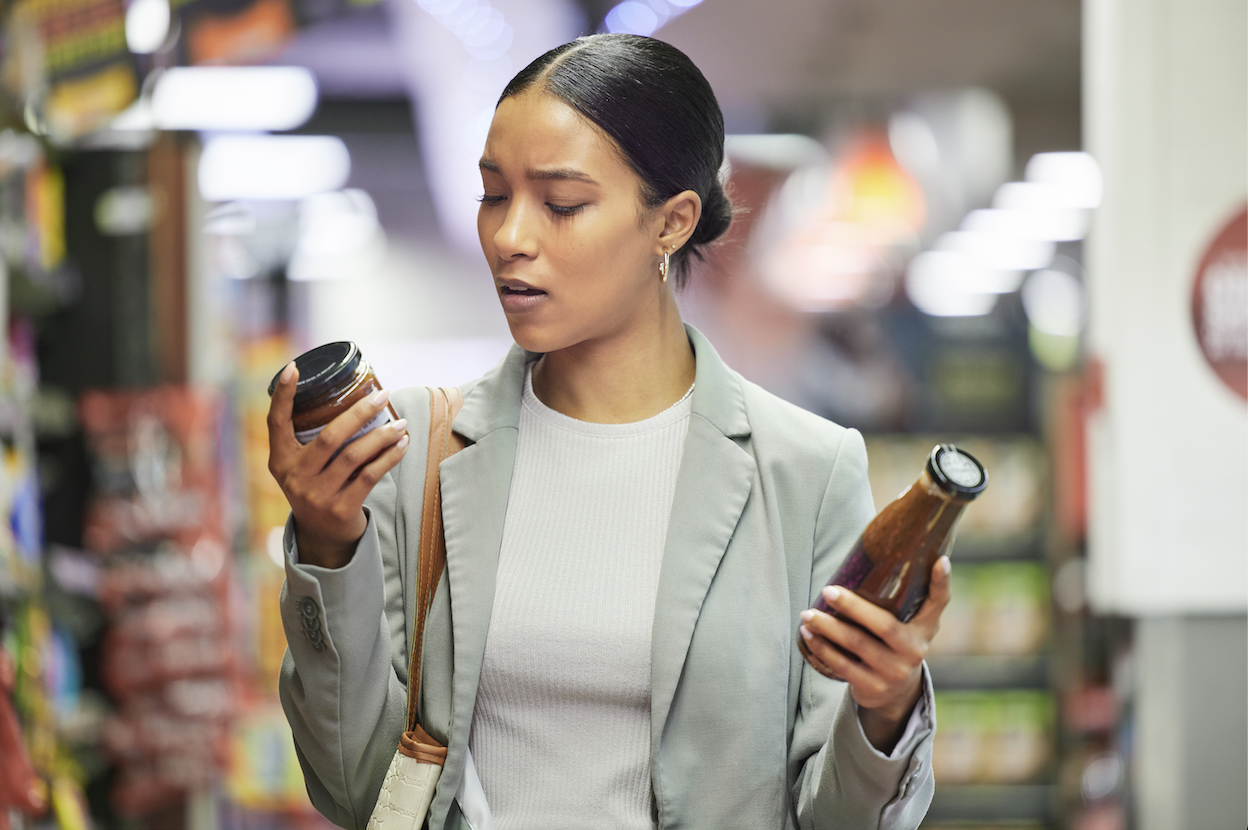
One of the easiest ways to avoid unnecessary beauty purchases is to compare products that serve the same purpose.
For instance, if you are considering a viral moisturiser, compare it with other moisturisers in your preferred price range. Look at the quantity, formulation, packaging, product instructions, and customer feedback.
A popular product may have attractive branding, but another option might provide similar features at a more affordable price.
Product comparison is particularly useful when shopping for:
Face cleansers
Moisturisers
Sunscreens
Foundations
Concealers
Lip products
Shampoos and conditioners
Hair styling products
The goal is not always to purchase the cheapest item. Instead, shoppers should look for the best combination of suitability, quality, quantity, and price.
Check Whether You Already Own a Similar Product
Before adding a new item to your shopping cart, review your existing beauty collection.
Many shoppers purchase duplicate products without realising that they already own something similar. This often happens when a new product becomes popular through repeated social media exposure.
For example, someone may purchase another hydrating serum even though two similar products are already available at home.
Keeping a simple inventory of beauty products can help avoid duplication. Write down the products you own, their main purpose, and whether they are still suitable for use.
This is particularly helpful for people who regularly purchase skincare, makeup, and haircare products.
Also, check product expiry information and the recommended period after opening. Beauty products should be used according to their packaging instructions, and expired or contaminated products should not be kept simply to avoid waste.
Understand Packaging, Quantity, and Product Value
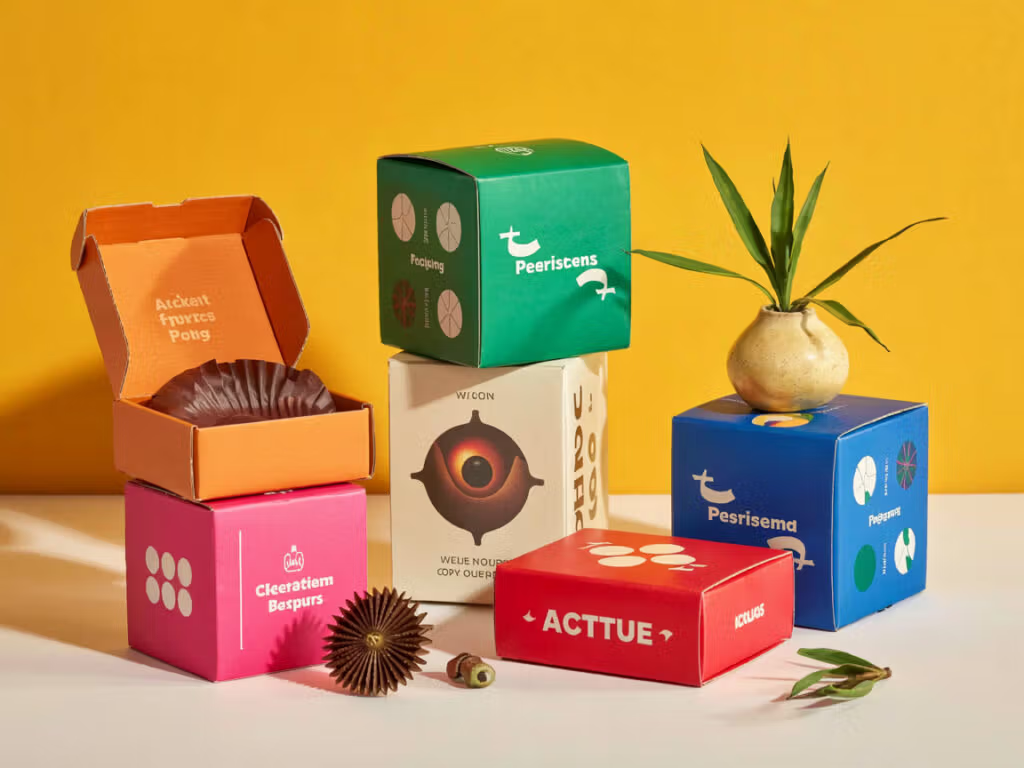
Attractive packaging can influence purchasing decisions. Beauty brands often use stylish bottles, colourful containers, and premium-looking designs to make products stand out.
Although packaging can improve convenience and presentation, it should not be the main reason for purchasing a product.
Compare the actual quantity with the price. A small container may appear affordable but could offer less product than a larger alternative.
Consider practical features such as:
Whether the packaging is easy to use.
Whether the container protects the formulation appropriately.
Whether the product can be carried conveniently.
Whether the quantity matches the expected usage.
Whether the packaging makes it easy to dispense the correct amount.
A well-designed product should offer practical value in addition to attractive presentation.
Shop According to Your Lifestyle
A beauty product should fit naturally into your daily routine. Something that works for a professional makeup artist, beauty influencer, or someone with an extensive skincare routine may not be practical for every shopper.
For example, a person with limited time in the morning may prefer a simple skincare routine and multipurpose makeup products. Someone who enjoys experimenting with different looks may find additional makeup options more useful.
Similarly, a shopper who travels frequently may prioritise compact packaging and convenient product formats.
Think about how often you will use the product and whether it will make your routine easier.
A product that remains unused in a drawer is unlikely to provide good value, regardless of how popular it is.
Consider Druni When Exploring Beauty Shopping Options
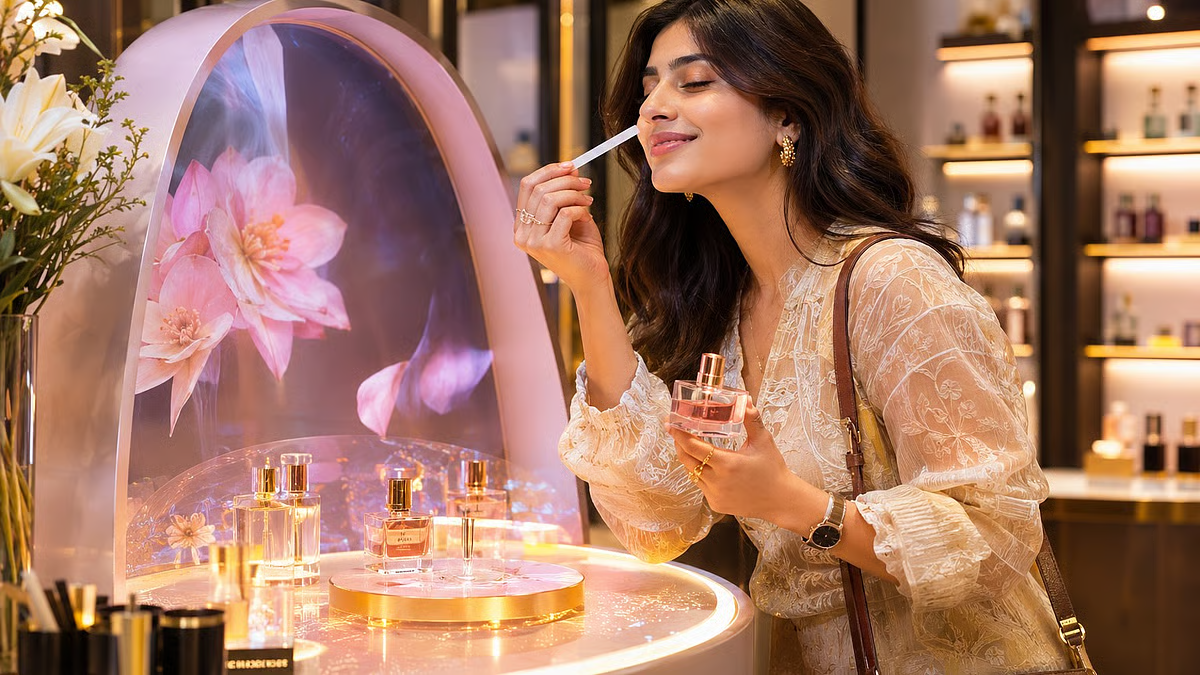
Druni is a beauty and personal care retailer associated with products across categories such as skincare, makeup, fragrance, haircare, and personal care.
When exploring a beauty retailer like Druni, shoppers can use product categories to compare available options and identify items that match their requirements.
However, browsing a large selection can also make it tempting to purchase products that are not genuinely needed. A clear shopping plan can help keep the experience focused.
Before choosing a product, consider its purpose, formulation, size, price, and suitability for your routine. If you are comparing similar products, evaluate their features rather than choosing an item only because it appears popular.
Shoppers should also review product descriptions, usage instructions, availability, and applicable purchase conditions before placing an order.
The most useful shopping experience is one where customers can explore different options while maintaining control over their priorities and spending.
Create a Simple Beauty Shopping Checklist
A shopping checklist can make beauty purchases more organised. It encourages shoppers to think about their requirements before reacting to advertisements or trending recommendations.
Instead of adding every interesting product to the cart, use a checklist to evaluate whether the purchase is worthwhile.
Shopping Question | Why It Matters | What to Check | Decision |
|---|---|---|---|
Do I actually need it? | Prevents unnecessary purchases | Existing beauty collection | Buy only if needed |
Is it suitable for me? | Reduces unsuitable purchases | Skin type and preferences | Check product compatibility |
Is the price reasonable? | Supports budget management | Quantity and alternatives | Compare value |
Are the claims realistic? | Avoids unrealistic expectations | Product information and reviews | Evaluate carefully |
Will I use it regularly? | Prevents unused products | Lifestyle and routine | Consider practical use |
Is the seller reliable? | Helps reduce shopping risks | Seller details and product authenticity | Check before ordering |
Following these questions can turn an impulsive purchase into a more informed decision.
Avoid Changing Your Entire Routine for One Viral Product
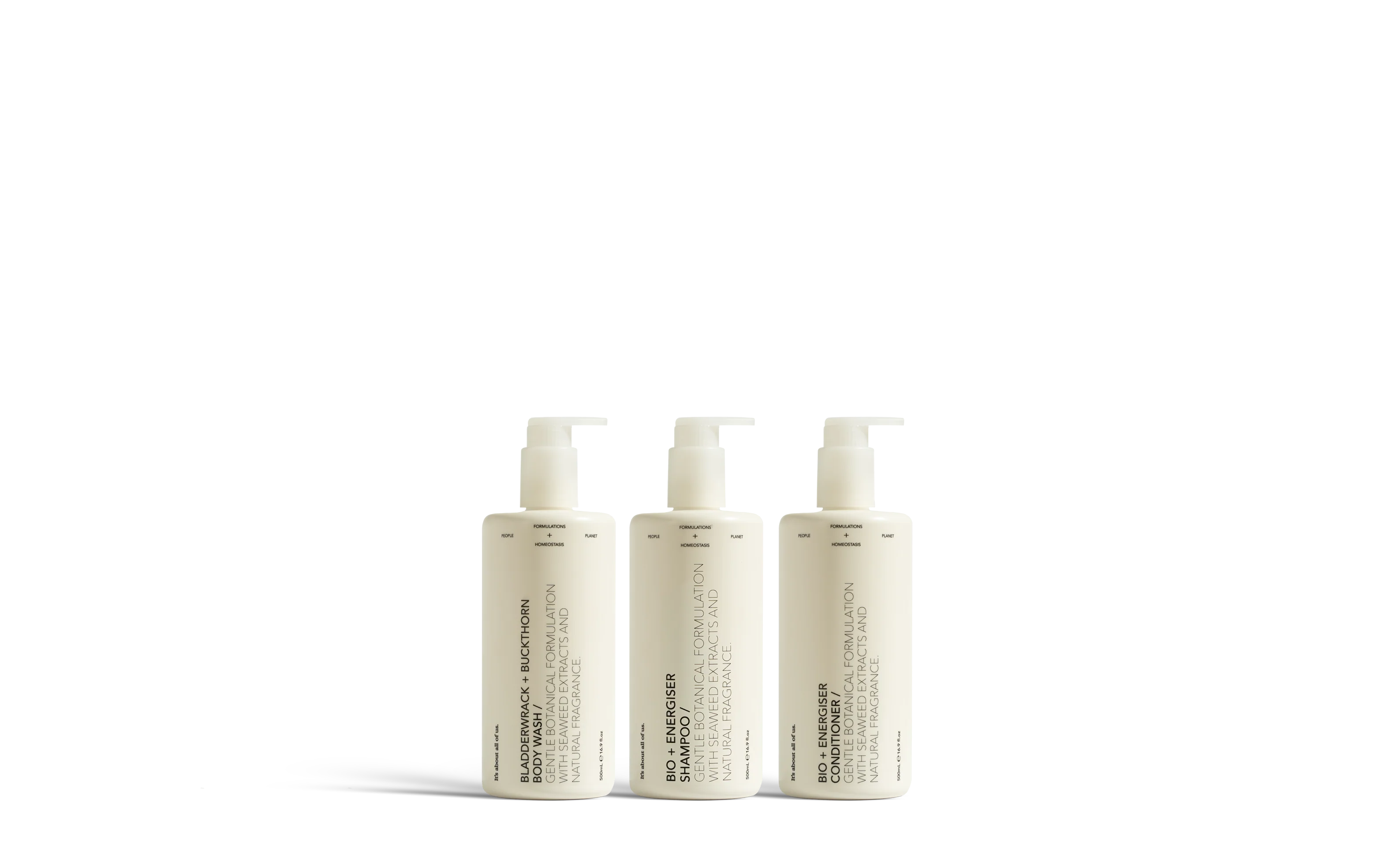
A common mistake among beauty shoppers is changing several products at the same time after watching a trending skincare or makeup routine.
This can make it difficult to understand which product is actually useful and which one may be causing an unwanted reaction.
For skincare, introducing too many new products together may increase the chance of irritation, especially when several products contain active ingredients.
A more careful approach is to introduce one new product at a time and follow its directions. Observe how your skin responds before making additional changes.
For makeup, test new products individually whenever possible. This helps you understand their shade, texture, finish, and compatibility with products you already own.
A consistent routine is often more practical than continuously replacing products because of new trends.
Understand the Difference Between Trends and Long-Term Essentials
Not every viral product is unnecessary. Some products become popular because they solve common problems or offer convenient features.
The important distinction is whether the product provides lasting value for your personal routine.
Long-term beauty essentials are generally products that people use consistently because they serve a clear purpose. These may include a suitable cleanser, moisturiser, sunscreen, shampoo, or frequently used makeup item.
Trend-based products, on the other hand, may be more experimental. They can include unusual beauty tools, limited-edition shades, innovative textures, or products promoted through temporary online challenges.
Both categories can have a place in a beauty collection, but they should not receive the same purchasing priority.
Make More Confident Beauty Shopping Decisions
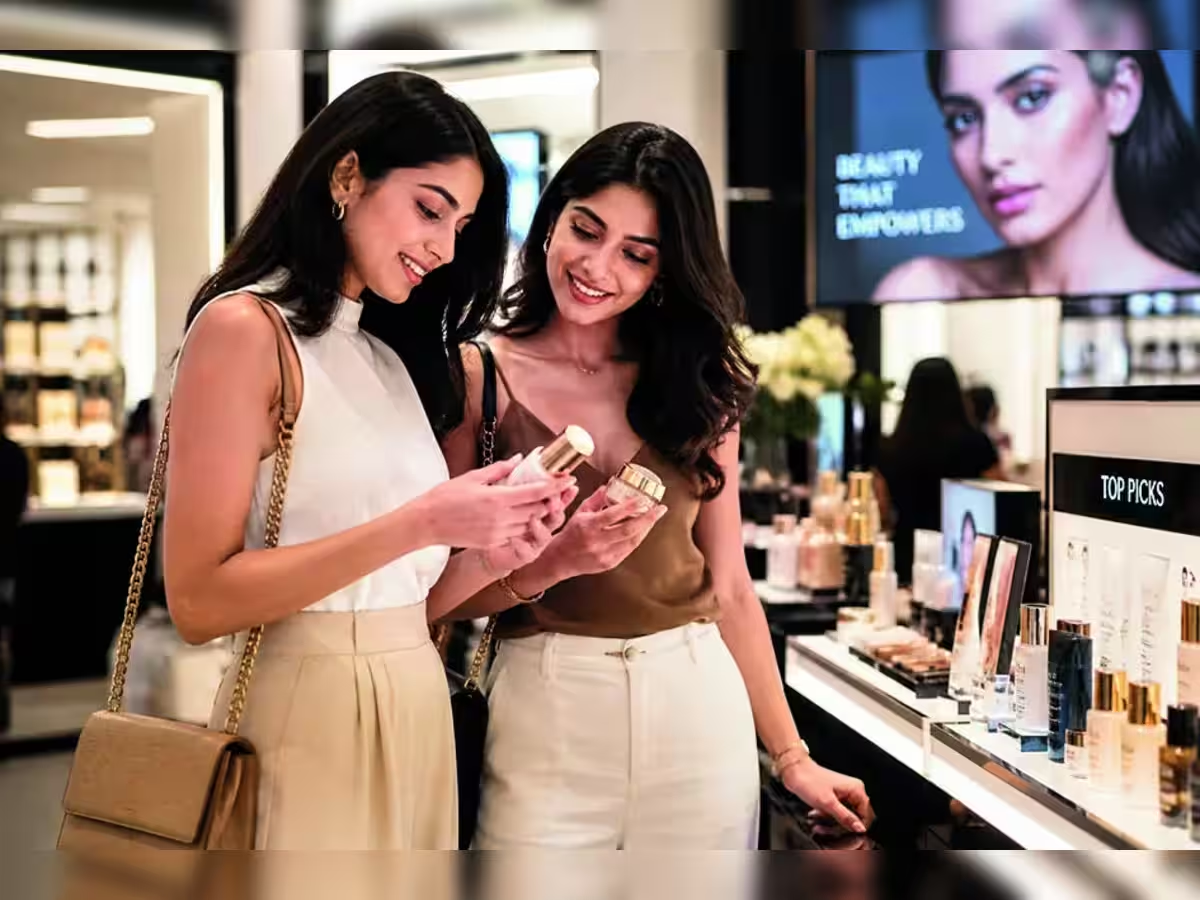
Smart beauty shopping does not mean avoiding new products or ignoring recommendations. It means knowing how to evaluate them before spending money.
Shoppers can enjoy discovering new launches while remaining focused on their individual requirements. Reading ingredients, comparing alternatives, checking customer experiences, and setting a realistic budget all contribute to better decisions.
It is also important to remember that beauty routines do not need to be complicated. A smaller collection of suitable products can be more useful than a large collection filled with items purchased only because they were popular online.
The best beauty products are not necessarily the ones receiving the most attention. They are the ones that fit your needs, preferences, lifestyle, and budget.
FAQ's
Create a shopping list, set a budget, review products you already own, and compare alternatives before purchasing. Waiting a few days can also help reduce impulse buying.
Check its ingredients, product claims, customer reviews, price, and suitability for your personal needs. Avoid purchasing something only because it is trending on social media.
Checking ingredients helps shoppers understand a product's purpose and identify ingredients that may not suit their skin or personal preferences.
Not necessarily. Influencer recommendations can provide useful product insights, but shoppers should also check independent reviews, product information, and promotional disclosures.
Shoppers can compare skincare, makeup, haircare, and personal care products by checking their ingredients, features, prices, and suitability for their needs rather than choosing only the most popular items.
Sources and notes
Links the author listed for this post.
This article is based on general beauty shopping practices, skincare product information, consumer awareness, and publicly available beauty industry resources. AltFTool provides additional online tools and digital resources for everyday use.
More on AltFTool
- AltFTool (opens in a new tab)
altftool.com
Discussion
0 comments