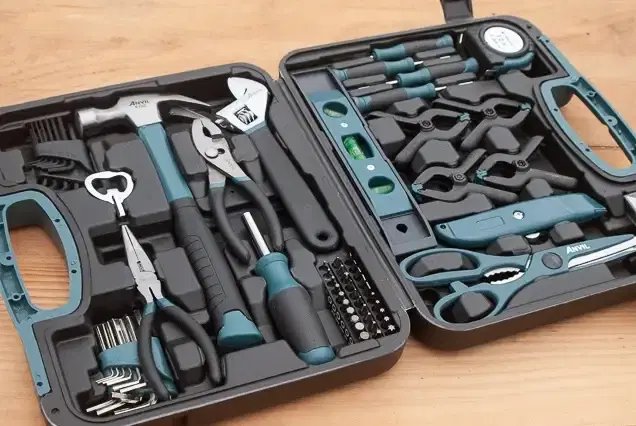
Owning a home comes with many responsibilities, and handling small repairs is one of them. From tightening loose screws and fixing cabinet handles to hanging pictures and assembling furniture, minor household problems can appear at any time. While some repairs require professional assistance, many everyday maintenance tasks can be completed with a basic collection of tools.
Having the right tools at home can save time, reduce unnecessary expenses, and help homeowners deal with simple problems before they become bigger concerns. It also makes routine maintenance easier because you do not have to search for equipment every time something needs attention.
However, building a useful home toolkit does not mean purchasing every tool available in a hardware store. The best approach is to start with essential equipment that can handle common household jobs and gradually add specialised tools when needed.
Explore AltFTool for useful online tools, calculators, and digital resources that help homeowners simplify DIY projects, measurements, and everyday repair tasks.
This guide explains which tools every homeowner should consider keeping at home, what each tool is used for, and when it is better to contact a professional.
Why Every Homeowner Needs a Basic Tool Kit
Small household issues rarely happen at convenient times. A loose door handle, a wobbly chair, or a missing screw can interrupt everyday activities. Having a basic toolkit makes it easier to manage these situations without waiting for someone to arrive.
A home toolkit is particularly useful for simple maintenance tasks that do not involve complicated electrical, plumbing, or structural work.
Some important benefits include:
Saves money: You can handle simple repairs without paying for professional assistance every time.
Saves time: Basic problems can often be addressed immediately.
Supports regular maintenance: Small issues can be identified and managed before they become more difficult.
Improves independence: You become more comfortable handling everyday household tasks.
Helps with furniture assembly: Common tools make assembling shelves, tables, chairs, and cabinets easier.
It is important to remember that having tools does not automatically make every repair safe to perform. Tasks involving electrical wiring, gas connections, major plumbing problems, or structural damage should be handled by qualified professionals.
Essential Hand Tools Every Homeowner Should Have
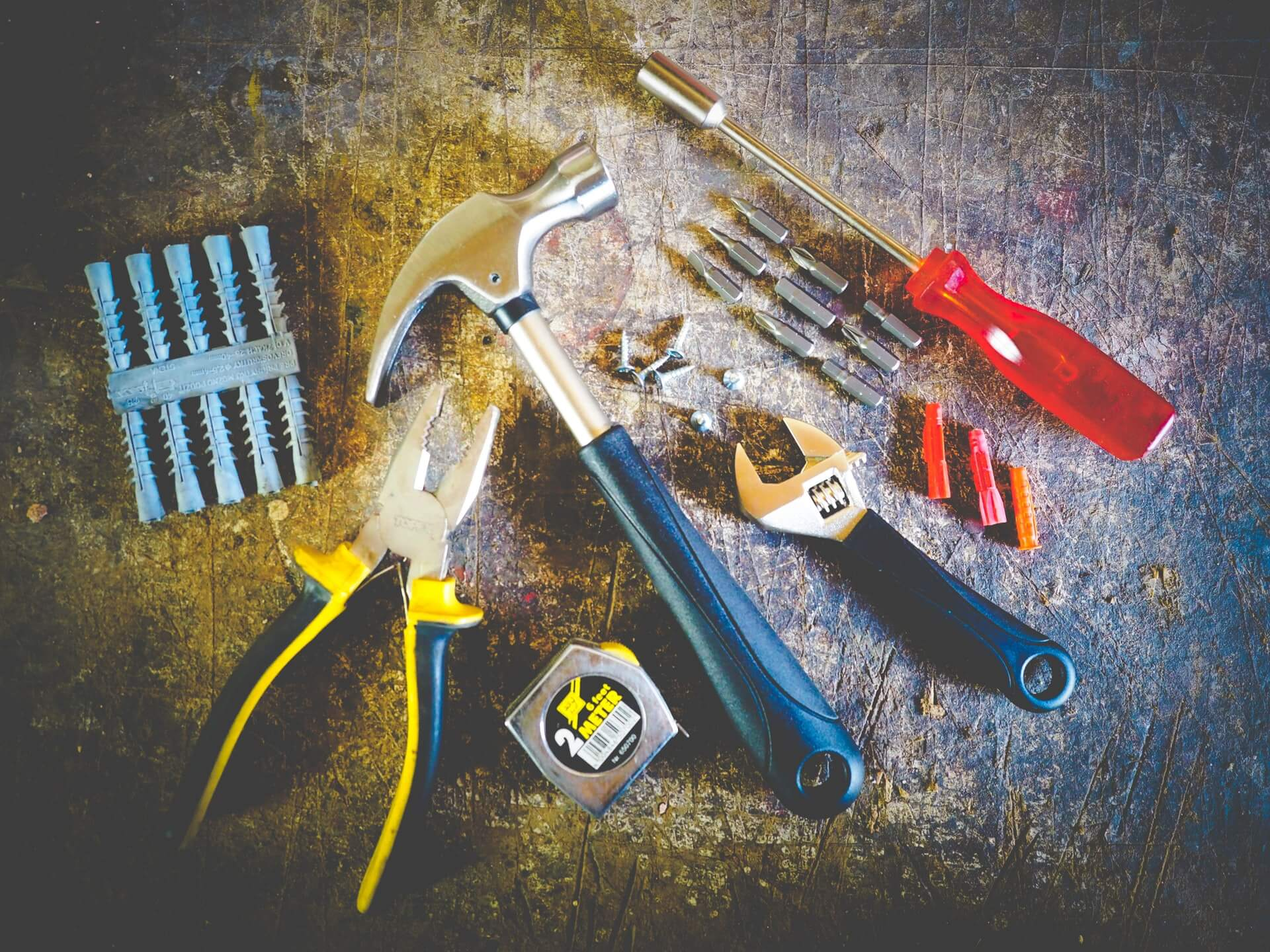
Hand tools are the foundation of a practical home toolkit. They do not usually require electricity or complicated operating instructions, making them suitable for many basic household repairs.
A small collection of reliable hand tools can handle a surprising number of everyday jobs.
Screwdriver Set for Everyday Repairs
Screwdrivers are among the most frequently used tools in any home. They help tighten or remove screws from furniture, cabinet handles, door hinges, electrical appliance covers, and other household items.
A useful screwdriver set should include different sizes and common head types.
The two most common types are:
Flathead screwdriver: Used for screws with a straight single-slot opening.
Phillips screwdriver: Used for screws with a cross-shaped opening.
A set with multiple sizes is more practical than purchasing only one screwdriver. Some homeowners also prefer a screwdriver with interchangeable bits because it saves storage space and provides additional flexibility.
Magnetic tips can make small screws easier to handle, especially when working in narrow spaces.
Adjustable Wrench for Tightening Nuts and Bolts
An adjustable wrench is useful for gripping and turning nuts and bolts of different sizes. Its movable jaw allows it to accommodate several measurements without requiring a separate wrench for every fitting.
Homeowners may find it useful for:
Tightening loose furniture fittings.
Adjusting certain mechanical connections.
Working with accessible nuts and bolts.
Handling basic non-pressurised maintenance tasks.
Choose a wrench with a comfortable handle and a jaw that adjusts smoothly. Avoid using an incorrectly sized wrench because it can damage the edges of nuts and bolts.
For plumbing work, remember that an adjustable wrench is not a substitute for professional knowledge. Repairs involving pressurised water lines or concealed plumbing should be assessed carefully.
Claw Hammer for Basic Household Jobs
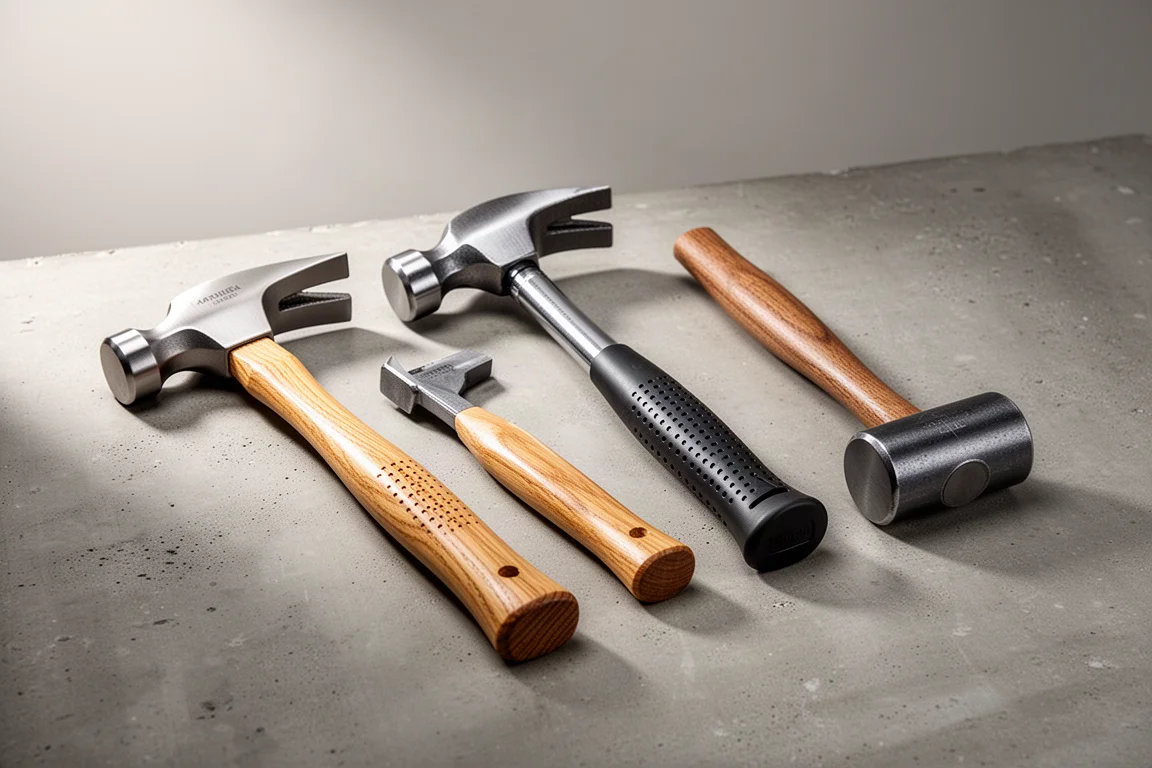
A claw hammer is another essential item. One end is designed for driving nails into suitable materials, while the curved claw can help remove nails when necessary.
It is useful for:
Hanging lightweight decorations with appropriate fixings.
Completing simple woodworking projects.
Removing exposed nails.
Performing minor furniture repairs.
A hammer with a balanced head and comfortable grip is easier to control. Beginners should start with small, manageable tasks and avoid hammering into walls without checking for concealed wiring or pipes.
Tape Measure for Accurate Measurements
A tape measure helps homeowners measure furniture, wall spaces, windows, doors, and other household areas.
Accurate measurements are especially important before purchasing new furniture, installing shelves, or planning a small home improvement project.
A 5-metre tape measure is generally suitable for many everyday household tasks.
Look for a model with:
Clear and easy-to-read markings.
A locking mechanism.
A sturdy measuring blade.
A comfortable case.
Both metric and imperial measurements, if needed.
Taking measurements before drilling or cutting materials can prevent avoidable mistakes and unnecessary expenses.
Pliers for Gripping and Holding Materials
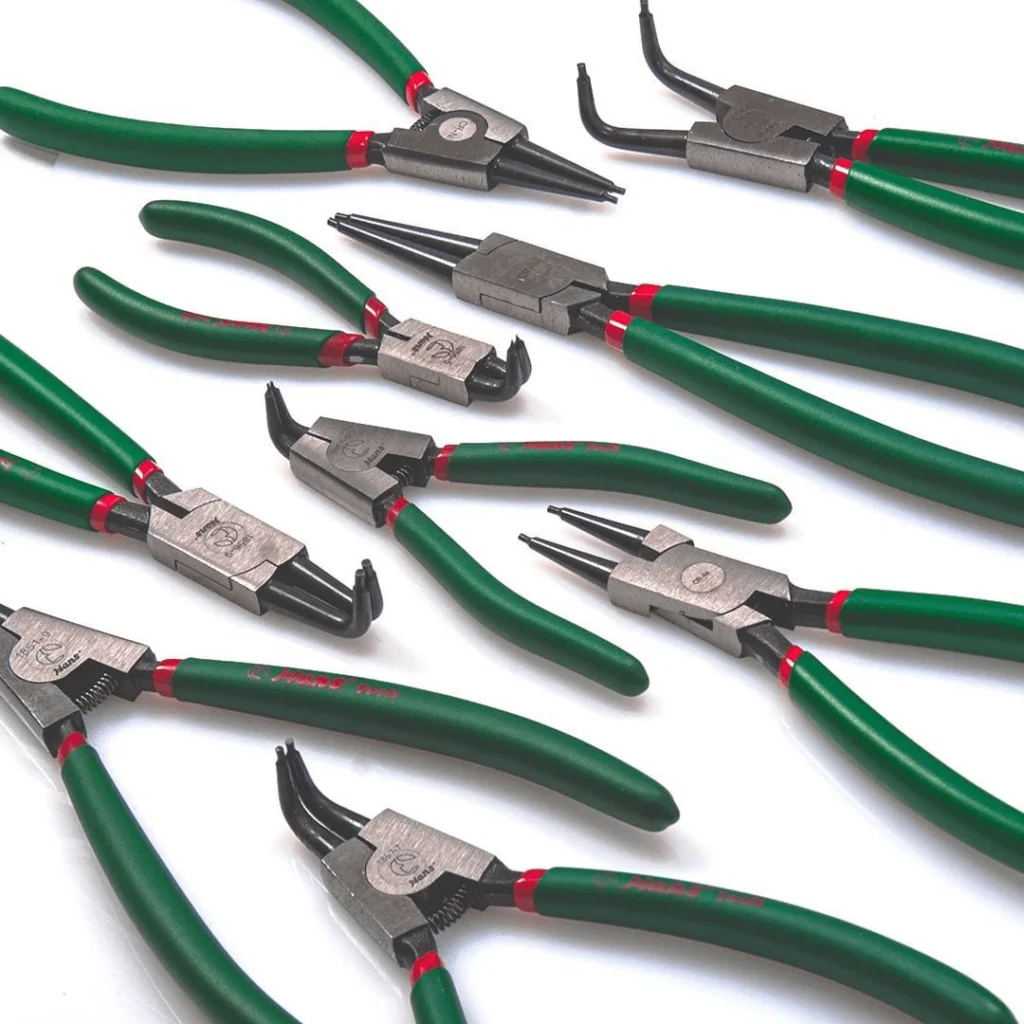
Pliers are designed to grip, hold, bend, and sometimes cut materials. They are useful when fingers cannot securely reach or hold a small object.
A basic toolkit can include combination pliers and long-nose pliers.
Combination pliers are suitable for general gripping tasks, while long-nose pliers are helpful when working in narrow spaces.
Some common uses include:
Holding small objects securely.
Bending suitable wires in non-electrical projects.
Removing certain small fasteners.
Handling objects that are difficult to grip by hand.
Never use ordinary pliers on live electrical wires. Electrical work requires properly rated insulated tools and appropriate training.
Utility Knife for Cutting and Opening Materials
A utility knife is useful for opening cardboard boxes, trimming packaging, cutting suitable materials, and completing small DIY projects.
Choose a knife with a secure blade-locking mechanism and a comfortable handle. Retractable models are often practical because the blade can be covered when not in use.
Always cut away from your body, keep your other hand clear of the cutting path, and replace damaged or blunt blades carefully.
Store the knife in a safe place, particularly in homes with children.
Essential Measuring and Marking Tools
Measuring and marking tools help ensure that repairs and home improvement projects are completed accurately. Without proper measurements, shelves may become uneven, furniture may not fit, and holes may be drilled in the wrong positions.
Spirit Level
A spirit level helps determine whether a surface is horizontal or vertical. It is useful when hanging picture frames, installing shelves, positioning cabinets, and arranging wall decorations.
Many basic spirit levels include horizontal and vertical bubble indicators. The bubble shows whether the surface is level.
For larger projects, a longer level may provide more reliable measurements across wide surfaces.
Pencil and Marking Tools
A simple carpenter's pencil or regular pencil can be useful for marking measurements, drilling positions, and cutting lines.
A marking pencil is particularly helpful when working with wood or other suitable surfaces.
Always check whether the marking material can be removed without damaging the finished surface.
Stud and Wall Detector
A stud and wall detector can help identify suitable fixing points and detect certain concealed materials behind walls, depending on the device.
It can be useful before installing shelves, wall-mounted accessories, or heavier decorations.
However, these devices have limitations. They may not identify every pipe or electrical cable, and incorrect readings are possible. Follow the manufacturer's instructions and use additional precautions before drilling.
Power Tools That Make Home Repairs Easier
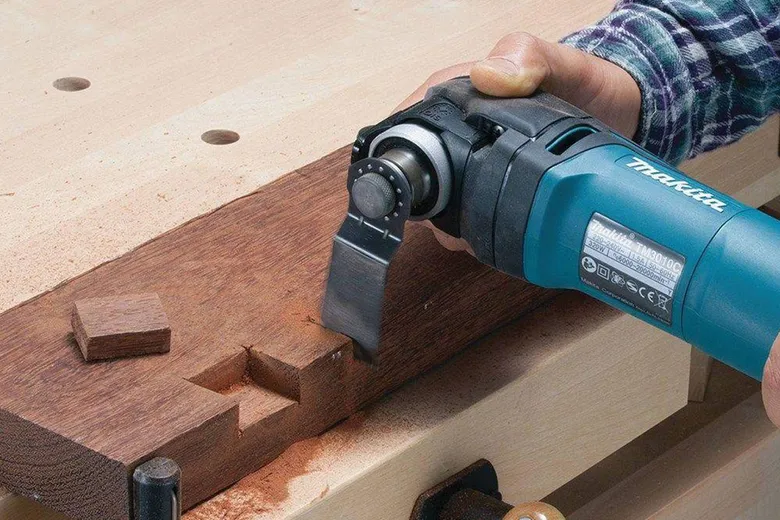
Power tools can reduce physical effort and speed up certain DIY projects. However, beginners do not need to purchase a large collection immediately.
Start with equipment that supports common household tasks and learn how to operate it safely.
Cordless Drill and Driver
A cordless drill and driver is one of the most versatile power tools for homeowners. It can help drill suitable holes, install screws, and assemble furniture.
Many models come with adjustable speed settings and torque controls.
A useful cordless drill should have:
A rechargeable battery.
Adjustable speed settings.
A comfortable grip.
A suitable chuck size.
Forward and reverse functions.
Compatible drill and screwdriver bits.
Before drilling into walls, identify potential concealed electrical cables and pipes. Use appropriate wall fixings for the material and expected load.
A cordless drill is not designed to replace professional equipment for every construction or installation task.
Electric Screwdriver
An electric screwdriver can make repetitive screwdriving tasks easier, particularly when assembling furniture or installing multiple fittings.
It is usually smaller and lighter than a standard cordless drill.
For basic household use, an electric screwdriver may be sufficient if you do not expect to drill into masonry or other hard materials.
Flashlight or Rechargeable Work Light
Good lighting is important during repairs, especially when working inside cabinets, behind furniture, or in poorly lit storage spaces.
A rechargeable work light can provide hands-free illumination, while a compact flashlight is useful for checking narrow areas.
Choose a light with sufficient brightness and a stable base or hanging option.
Basic Plumbing Tools for Minor Maintenance
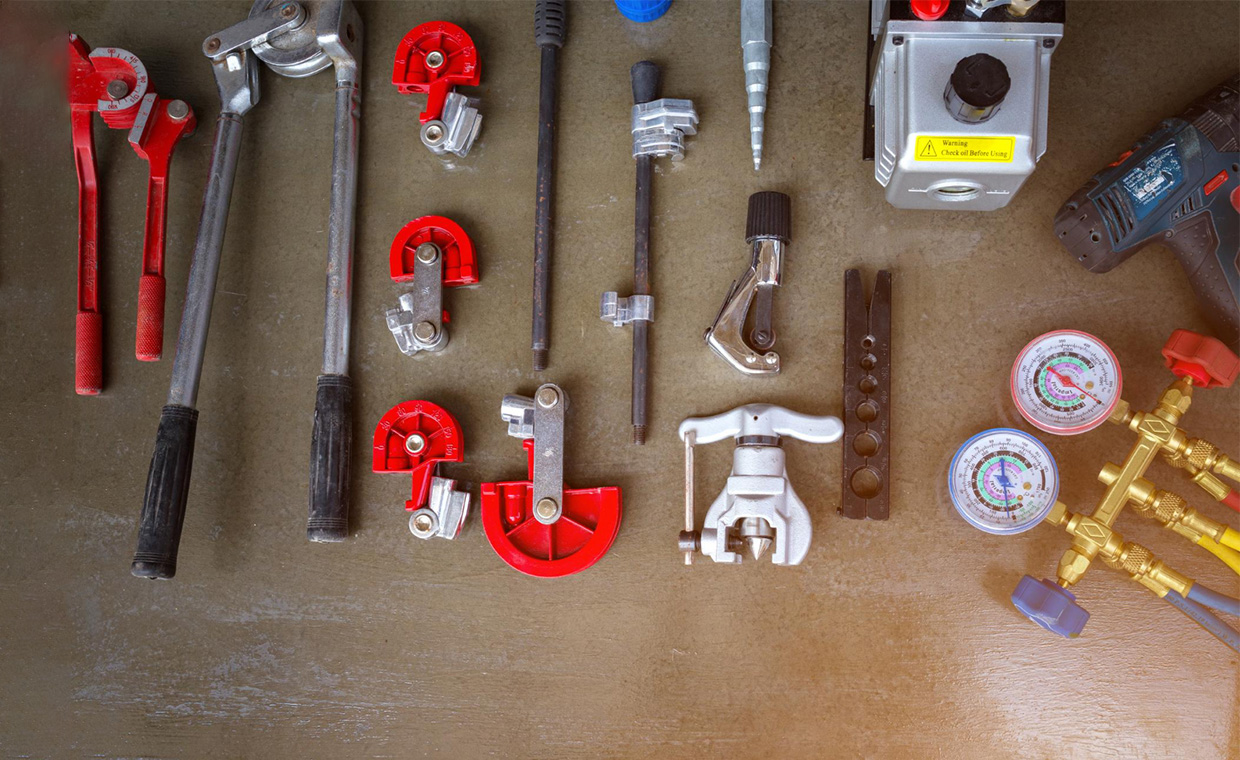
Some plumbing problems can be identified through simple visual checks, but not every issue should be repaired without professional assistance.
Homeowners can keep a few basic tools for non-invasive maintenance and minor tasks.
Plunger
A plunger is useful for dealing with certain minor blockages in sinks, toilets, and drains.
Different designs are available for different fixtures. A cup-style plunger is commonly used for flat sink drains, while a flange-style model is designed for toilet outlets.
Use the correct type and follow safe cleaning practices after each use.
If a blockage repeatedly returns, affects multiple drains, or causes water to back up, professional inspection may be necessary.
Bucket and Cleaning Cloths
A bucket and absorbent cloths may not look like repair tools, but they are extremely useful during household maintenance.
They can help collect small amounts of water, protect floors, and clean up spills during basic inspections.
Keep a separate bucket for maintenance work and clean it after use.
Pipe Wrench
A pipe wrench is designed to grip and turn certain pipes and fittings. However, it can damage unsuitable materials or fittings if used incorrectly.
Most homeowners do not need to use one regularly. If you keep one in your toolkit, understand its limitations and avoid attempting repairs involving gas lines, pressurised pipes, or concealed plumbing.
Safety Equipment Every DIY Toolkit Should Include
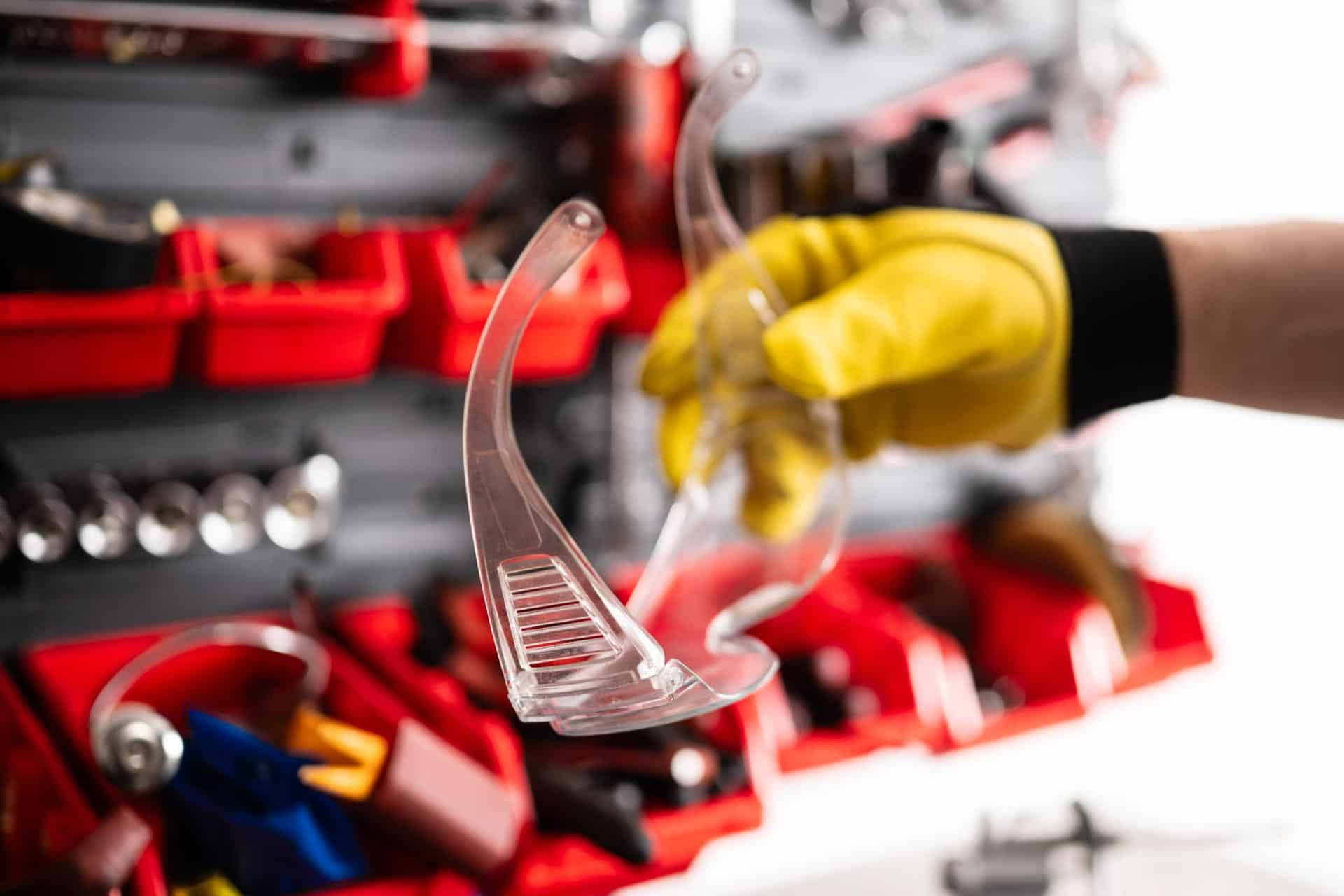
Tools alone are not enough. Personal protective equipment helps reduce the risk of injuries during simple household projects.
Even small repairs can involve sharp edges, dust, flying particles, or accidental slips.
Safety Glasses
Safety glasses protect your eyes from dust, small particles, and debris.
They are particularly important when drilling, cutting, sanding, or working with materials that may produce flying particles.
Choose properly fitting protective eyewear designed for the type of work being performed.
Work Gloves
Work gloves can protect hands from rough surfaces, splinters, and minor abrasions.
Different tasks require different glove materials. Choose gloves that fit properly and do not interfere with your grip or the safe operation of equipment.
Do not wear loose gloves near rotating machinery or moving parts.
Dust Mask or Respirator
Cutting, sanding, and certain repair materials can release dust into the air.
A suitable dust mask or respirator can reduce exposure when selected for the specific material and task. Ordinary masks are not appropriate protection for every type of dust, chemical, or hazardous substance.
For potentially dangerous materials, professional assessment and suitable protective procedures are essential.
First-Aid Kit
A basic first-aid kit should be available in every home. It can contain adhesive bandages, sterile dressings, antiseptic supplies, and other basic items.
Keep it accessible and check its contents regularly.
Homeowner's Essential Tool Kit: Quick Comparison
The following table summarises useful tools, their common purposes, and their importance for everyday household maintenance.
Tool | Main Purpose | Common Household Use | Priority |
|---|---|---|---|
Screwdriver set | Tightening and removing screws | Furniture and cabinet repairs | Essential |
Adjustable wrench | Turning nuts and bolts | Basic fitting adjustments | Essential |
Claw hammer | Driving and removing nails | Minor woodworking tasks | Essential |
Tape measure | Measuring distances | Furniture and room measurements | Essential |
Pliers | Gripping and holding objects | General maintenance | Essential |
Utility knife | Cutting suitable materials | Packaging and DIY projects | Essential |
Spirit level | Checking alignment | Hanging shelves and frames | Essential |
Cordless drill | Drilling and screwdriving | Furniture assembly and installations | Useful |
Electric screwdriver | Repetitive screwdriving | Assembling furniture | Useful |
Plunger | Clearing certain blockages | Minor drain maintenance | Useful |
Flashlight | Providing illumination | Inspecting dark spaces | Essential |
Safety glasses | Protecting the eyes | Drilling and cutting tasks | Essential |
How to Choose the Right Tools for Your Home
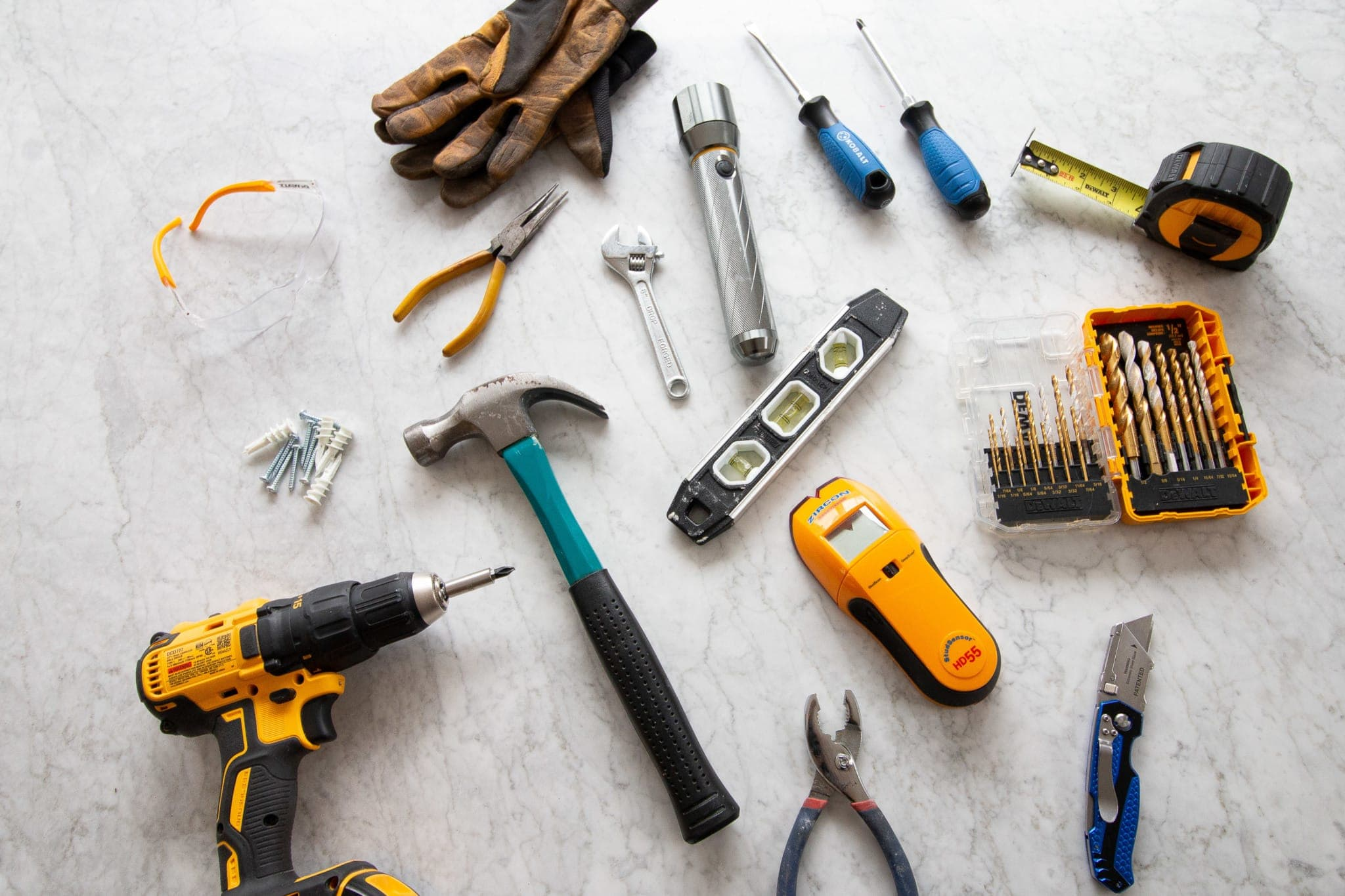
Purchasing tools without considering your household needs can lead to unnecessary spending. A better approach is to choose equipment based on the type of repairs you are likely to perform.
Consider Your Home Type
The tools required for a small apartment may differ from those needed for a large independent house.
Apartment residents may primarily need tools for furniture assembly, basic measurements, hanging decorations, and minor adjustments.
Homeowners with gardens, garages, or larger properties may benefit from additional equipment for outdoor maintenance and woodworking projects.
Think about your living space before purchasing specialised tools.
Choose Quality Over Quantity
A large toolkit does not automatically provide better results. A smaller collection of reliable tools is often more useful than a box filled with inexpensive equipment that wears out quickly.
Look for strong materials, comfortable handles, secure locking mechanisms, and clear product instructions.
You do not necessarily need professional-grade equipment for occasional household use. However, tools should be durable enough for the tasks you intend to perform.
Check Comfort and Ease of Use
Tools should feel comfortable in your hands and be easy to control.
A heavy drill or poorly balanced hammer may make simple repairs more difficult, particularly for beginners.
Whenever possible, consider the tool's weight, handle design, grip, and operating controls before purchasing it.
Keep Storage Space in Mind
Homeowners with limited storage space should consider compact toolboxes, organised kits, and multi-purpose equipment.
A cordless drill with interchangeable bits, for example, may reduce the need to store several separate screwdrivers for occasional tasks.
Keep sharp tools covered and store all equipment away from children.
When Should You Call a Professional Instead of Using DIY Tools?
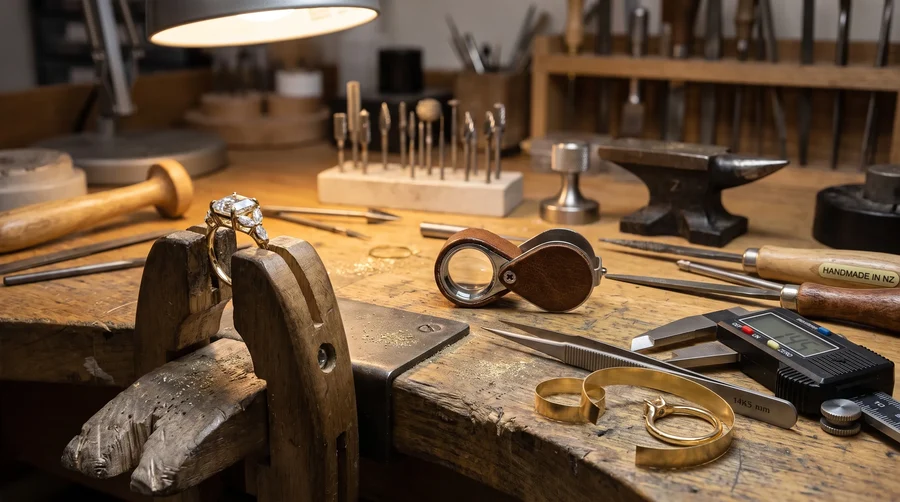
Knowing when not to attempt a repair is just as important as knowing which tools to use.
Some household problems may appear simple but involve hidden risks. Attempting these repairs without the right qualifications can lead to injuries, property damage, or expensive complications.
Electrical Wiring and Circuit Problems
Electrical repairs involving exposed wires, damaged sockets, circuit breakers, distribution boards, or internal wiring should be handled by a qualified electrician.
Switching off an appliance does not necessarily make electrical work safe. If you notice sparks, burning smells, repeated circuit trips, or damaged wiring, stop using the affected equipment and seek professional help.
Gas Connections and Leaks
Gas-related problems require immediate attention and should never be treated as ordinary DIY repairs.
If you suspect a gas leak, avoid operating electrical switches or creating flames, leave the affected area, and contact the appropriate emergency gas service from a safe location.
Do not attempt to tighten, replace, or repair gas connections yourself.
Major Plumbing Problems
Small maintenance tasks may be manageable, but major leaks, damaged pipes, persistent blockages, water pressure problems, and hidden water damage require professional inspection.
Ignoring these issues can lead to mould, structural damage, and higher repair costs.
Structural Damage
Cracks in load-bearing walls, damaged ceilings, unstable staircases, and problems with foundations should not be handled using ordinary household tools.
A qualified professional can identify the cause and recommend appropriate repairs.
Roof and Height-Related Repairs
Working on roofs, ladders, and elevated surfaces can be dangerous. Loose tiles, damaged roofing, and gutter problems may require specialist equipment and training.
Avoid climbing onto unstable surfaces to complete a small repair.
Simple Home Repairs You Can Usually Handle Yourself
Many everyday household tasks do not require advanced technical knowledge. With the right tools and suitable precautions, homeowners can often manage basic maintenance.
Examples include:
Tightening loose cabinet handles.
Replacing suitable furniture screws.
Assembling ready-to-build furniture.
Measuring spaces before purchasing furniture.
Hanging lightweight decorations using appropriate fixings.
Tightening accessible furniture bolts.
Replacing batteries in household devices.
Cleaning accessible surfaces and removing minor dirt buildup.
Adjusting certain loose non-electrical fittings.
Always follow product instructions and check whether a repair requires special tools or professional assistance.
How to Organise and Maintain Your Home Tool Kit
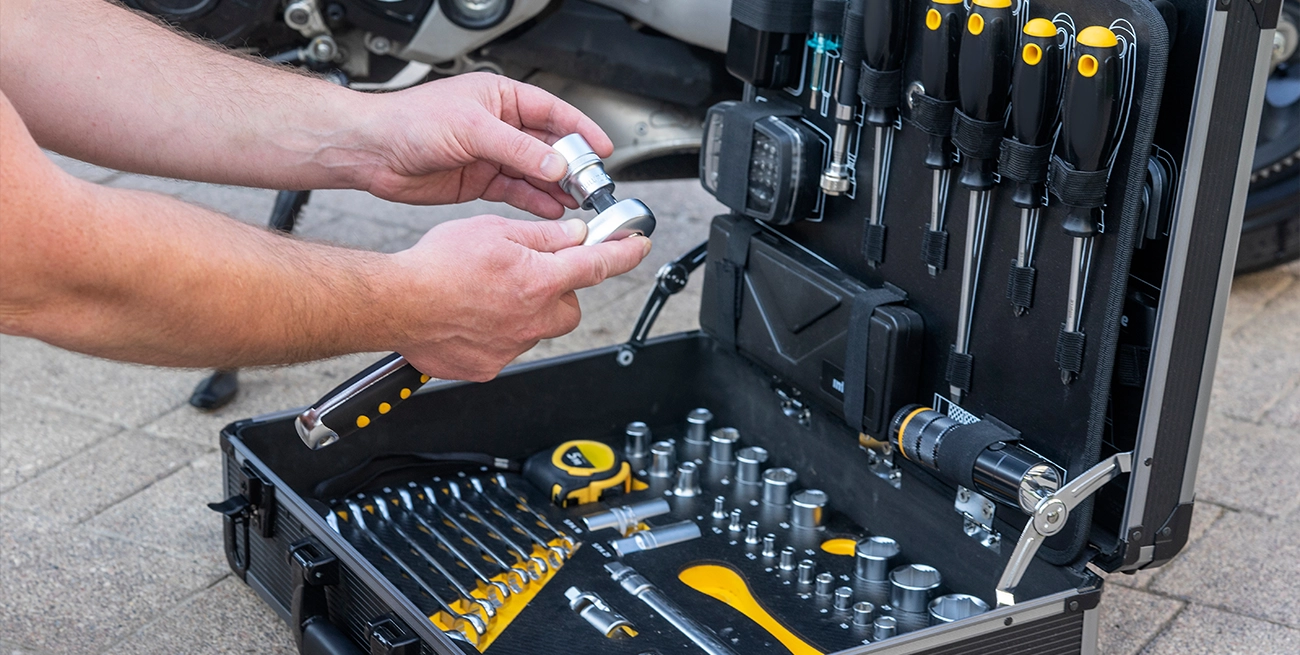
A well-organised toolkit makes household maintenance easier. When every tool has a designated place, you can find the equipment quickly and reduce the risk of losing small components.
Use a Strong Toolbox
Choose a toolbox with separate compartments for hand tools, screws, drill bits, and other small accessories.
A portable toolbox is useful because it allows you to carry essential equipment from one room to another.
For larger collections, a tool cabinet or wall-mounted organiser may provide additional storage.
Clean Tools After Use
Dust, moisture, and leftover materials can affect the condition of tools.
Wipe tools after completing a task and make sure they are dry before storing them.
Metal tools should be checked for rust, while cutting tools should be inspected for damaged blades.
Inspect Tools Regularly
Check handles, cables, batteries, locking mechanisms, and moving parts before use.
Do not use damaged equipment. Replace worn components where appropriate or dispose of tools that cannot be repaired safely.
Keep Small Accessories Together
Screws, wall plugs, nails, drill bits, and replacement blades are easy to misplace.
Use labelled storage boxes to keep these accessories organised by size and purpose.
FAQ's
A cordless drill is not essential for every repair, but it makes furniture assembly, screw installation, and suitable drilling tasks faster and easier.
A basic safety kit should include protective glasses, suitable work gloves, a dust mask or respirator for appropriate tasks, and a first-aid kit.
Every homeowner should have a screwdriver set, hammer, adjustable wrench, pliers, tape measure, utility knife, spirit level, and flashlight for handling common household repairs.
Homeowners may manage simple maintenance tasks, such as using a suitable plunger for minor blockages. However, major leaks, damaged pipes, and persistent drainage problems should be inspected by a professional.
Call a qualified professional for electrical wiring, gas leaks, major plumbing issues, structural damage, roof repairs, and tasks involving significant safety risks.
Sources and notes
Links the author listed for this post.
This article is based on general home maintenance practices, DIY repair guidance, basic tool safety recommendations, and publicly available home improvement information. Explore AltFTool for useful online tools, calculators, and digital resources that simplify everyday tasks.
More on AltFTool
- AltFTool (opens in a new tab)
altftool.com


Discussion
0 comments