
Boarding a cruise ship promises relaxation, open ocean views, and endless dining options. However, high passenger density in enclosed spaces creates an ideal environment for contagious pathogens. Understanding how onboard illnesses spread and taking proactive health measures can make the difference between a memorable vacation and days spent quarantined in your cabin.
Why Illnesses Spread Quickly on Cruise Ships
Cruise ships function like floating, self-contained cities. Thousands of passengers and crew members share dining rooms, swimming pools, elevators, and handrails. When one person introduces a contagious virus or bacteria, the high frequency of touchpoint contacts accelerates transmission throughout the vessel.
According to the Centers for Disease Control and Prevention (CDC) Vessel Sanitation Program, stomach illnesses on ships often spread through contaminated food or water, direct contact with infected passengers, or surfaces touched by sick individuals. Airborne respiratory viruses also spread rapidly in enclosed recreational spaces where large groups gather.
Common Illnesses Encountered Onboard
While cruise line sanitation protocols are rigorous, several pathogens frequently cause outbreaks during voyages:
Norovirus: The leading cause of acute gastroenteritis on cruise ships. Norovirus causes sudden vomiting, watery diarrhea, abdominal cramps, and low-grade fever. It requires very few viral particles to cause infection and can survive on hard surfaces for days.
Respiratory Infections: Influenza, COVID-19, and common colds thrive in crowded indoor lounges and theaters. Close seating and recirculated indoor air enhance respiratory droplet spread.
Foodborne Pathogens: Bacteria like Salmonella and E. coli can occasionally cause gastrointestinal distress if food handling standards fail or cross-contamination occurs at self-service buffets.
Sea Sickness and Dehydration: While not contagious, severe sea sickness weakens the body and leaves passengers dehydrated, increasing vulnerability to secondary infections. Maintaining body balance using our water intake calculator helps track hydration needs during travel.
Comparing Onboard Pathogens and Prevention Strategies
| Illness Type | Primary Transmission Route | Key Symptoms | Best Prevention Method |
|---|---|---|---|
| Norovirus | Touchpoints, contaminated food/water | Vomiting, diarrhea, stomach cramps | Rigorous handwashing with soap and warm water |
| Influenza & COVID-19 | Respiratory droplets, indoor air | Cough, fever, fatigue, sore throat | Masking in tight crowds, up-to-date vaccines |
| Foodborne Illness | Improperly handled or stored food | Nausea, stomach cramps, fever | Avoid warm buffet items, use clean utensils |
Essential Passenger Safety and Hygiene Tips
Staying healthy at sea requires consistent personal hygiene habits. Alcohol-based hand sanitizers are convenient, but they are ineffective against norovirus. Washing your hands with warm water and soap for at least 20 seconds remains your primary line of defense.
Follow these essential steps before and during your trip:
Wash hands frequently: Wash thoroughly before eating, after using the restroom, and after touching shared elevator buttons or stair railings.
Avoid touching your face: Keep your hands away from your eyes, nose, and mouth to prevent introducing pathogens into your system.
Use serving utensils at buffets: Never touch food directly with your hands. If serving tongs look contaminated or are handled improperly by others, notify ship staff immediately.
Stay hydrated and rested: Dehydration weakens mucous membranes in your respiratory tract. If you are monitoring your overall fitness while traveling, track your baseline physical metrics with our daily calorie calculator.
Report symptoms early: If you experience stomach upset or fever, report it to the ship's medical center right away. Isolating early protects fellow passengers and ensures you receive prompt medical care.
What to Do If You Get Sick Onboard
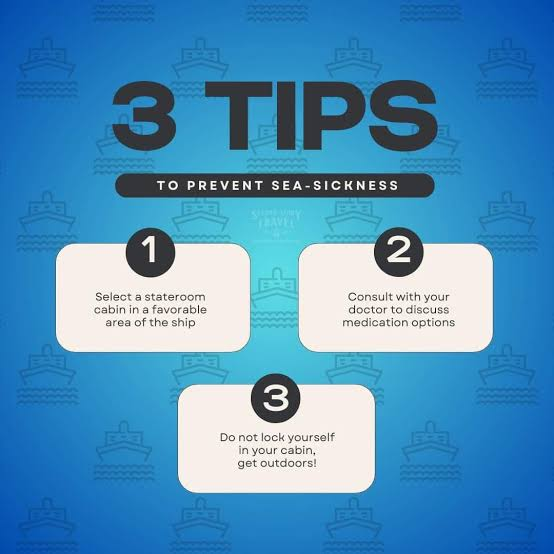
If illness strikes, inform the onboard medical team immediately. Cruise medical centers are equipped to handle acute gastrointestinal distress and respiratory illnesses with prescription medications, oral rehydration solutions, and isolation protocols. Most cruise lines require sick passengers to isolate in their staterooms for 24 to 48 hours after symptoms resolve to prevent spreading the infection across the ship.
Final thoughts
Cruise ship outbreaks sound alarming, but being aware of health risks empowers you to protect yourself effectively. By prioritizing thorough handwashing with soap, maintaining proper hydration, and responding promptly to early symptoms, you can minimize health risks and focus on enjoying your journey across the open seas.
Frequently asked questions
No. Alcohol-based hand sanitizers do not effectively eliminate norovirus because the virus lacks a lipid envelope. Washing hands thoroughly with soap and warm water for at least 20 seconds is necessary.
If you are quarantined due to a contagious illness, the cruise line's medical staff will monitor your symptoms, provide medical care, and room service will deliver meals directly to your stateroom until you are cleared.
Cruise ships use hospital-grade disinfectants effective against norovirus and respiratory pathogens to deep-clean high-touch areas, dining rooms, and passenger cabins during and between sailings.
Open the related AltFTool microtools and complete this workflow directly in your browser.
Frequently asked questions
Sources and notes
Links the author listed for this post.
- 1
- 2


Discussion
0 comments