
When we sit down to plan a vacation or a quick weekend getaway, our eyes naturally dart to one number first: the nightly room rate. It makes complete sense. Between flight tickets, train fares, local sightseeing, food, and shopping, travel expenses pile up fast. Finding a room that costs half as much as the place next door feels like an instant victory—money saved before the trip has even begun.
However, after enough trips, most travellers learn a hard lesson: the cheapest listing on a booking app rarely turns out to be the smartest deal. What looks like a bargain on your phone screen can quietly drain your wallet through hidden add-ons, daily cab fares, and frustrating compromises on sleep and safety.
Booking a great stay isn't about hunting down the lowest possible number. It is about value—understanding what you actually get in return for every rupee or dollar you spend. Sometimes, paying just a little more upfront saves you money, hours of commuting, and plenty of travel stress.
1. The Illusion of the "Lowest Price" Tag

Online travel agencies and hotel websites are designed to grab your attention with the lowest base rate possible. You see a room listed at ₹1,500 a night right next to another property priced at ₹2,100. Naturally, your instinct is to click the ₹1,500 option and pocket the ₹600 difference.
The catch is that the advertised rate is often just the starting line. Once you click through to the final payment page—or worse, when you arrive at the front desk—the real math begins.
Consider how quickly a "budget" stay catches up to a mid-range one:
Taxes and service fees: Depending on local regulations and room tariffs, GST or city hospitality taxes can add 12% to 18% (or more) right at checkout.
Paid basics: Some ultra-budget properties charge extra for high-speed Wi-Fi, drinking water bottles beyond the first one, early check-in, or luggage storage.
Morning meals: If the ₹1,500 hotel doesn't include breakfast, two people eating out at a decent café every morning will easily spend ₹500 to ₹800 a day.
Suddenly, that ₹2,100 hotel that includes a hearty breakfast buffet, free Wi-Fi, and transparent pricing isn't more expensive at all—it is actually the cheaper, more comfortable choice. Always compare the final payable amount and what is bundled into it before hitting "book."
2. Location: The Hidden Cost of Staying "Just Outside" the City
One of the easiest ways hotels keep their prices low is by sitting far away from the main action. On a map, a property located eight or ten kilometres outside the city centre or away from the beach might not look like a big deal. In reality, distance eats away at two of your most precious travel resources: time and money.
Imagine visiting a busy city like Jaipur, Mumbai, or Delhi for three days. If you book a cheap hotel in a quiet outer suburb to save ₹800 a night, you might end up spending ₹600 to ₹1,000 every single day on auto-rickshaws, cabs, or metro transfers just to reach the sights and get back. Worse, you could lose two hours a day sitting in traffic.
Staying in a central, well-connected neighbourhood offers massive practical perks:
Walkability: Being able to step outside your lobby and walk to restaurants, cafés, pharmacies, and landmarks keeps daily spending low.
Midday breaks: When your hotel is close to where you are exploring, you can easily pop back in the afternoon to rest your feet, freshen up, or drop off shopping bags before heading out for dinner.
Late-night safety: Returning to a well-lit, lively area after a late dinner is far less stressful—and cheaper—than trying to find a cab willing to drive out to an isolated area at 11:00 PM.
A slightly higher room rate in a prime location almost always pays for itself by the end of your trip.
3. Cleanliness, Sleep, and Basic Comfort Are Non-Negotiable

At the end of a long day of walking, navigating crowds, and exploring new places, your hotel room is your sanctuary. You do not need gold-plated faucets or a five-star spa, but you do need a clean bed, a hygienic bathroom, working air conditioning or heating, and a quiet place to sleep.
Choosing the rock-bottom option often means gambling with basic maintenance. Damp walls, stained bedsheets, weak water pressure, noisy street traffic, or broken locks can ruin your mood and leave you exhausted for the next day's itinerary. Saving a few hundred rupees feels pretty hollow when you wake up with a stiff back and zero energy to enjoy the destination you paid so much to reach.
A quick tip before booking: Never rely solely on the bright, wide-angle photos uploaded by the hotel management. Those pictures are often taken years ago when the property first opened. Instead, scroll straight to the guest-uploaded photos on Google Maps or your booking platform. Real travellers take unfiltered pictures of bathrooms, mattresses, views, and hallways—giving you an honest look at what awaits you.
4. Watch Out for Sneaky Charges and Rigid Policies
Nothing sours a holiday faster than an unexpected bill at checkout or losing your money when travel plans shift. Many low-cost listings use "drip pricing"—showing a tempting rate upfront while burying extra conditions in the fine print.
Before entering your card details, take two minutes to scan for these common traps:
Extra guest or child fees: A room advertised for two might charge a steep fee if you are travelling with a child who needs an extra mattress.
Resort or facility fees: Some properties tack on mandatory daily maintenance or amenity charges even if you never use the pool or gym.
Parking fees: If you are on a road trip, paying ₹300 to ₹500 per night just to park your car can wipe out any savings from a cheap room rate.
Strict non-refundable rules: The absolute lowest price tier is usually non-refundable. If a flight gets delayed, someone falls sick, or your dates shift by a day, you lose 100% of your booking amount. Paying a tiny bit extra for free cancellation up to 24 or 48 hours before arrival acts as inexpensive travel insurance.
5. How to Read Guest Reviews Like a Pro
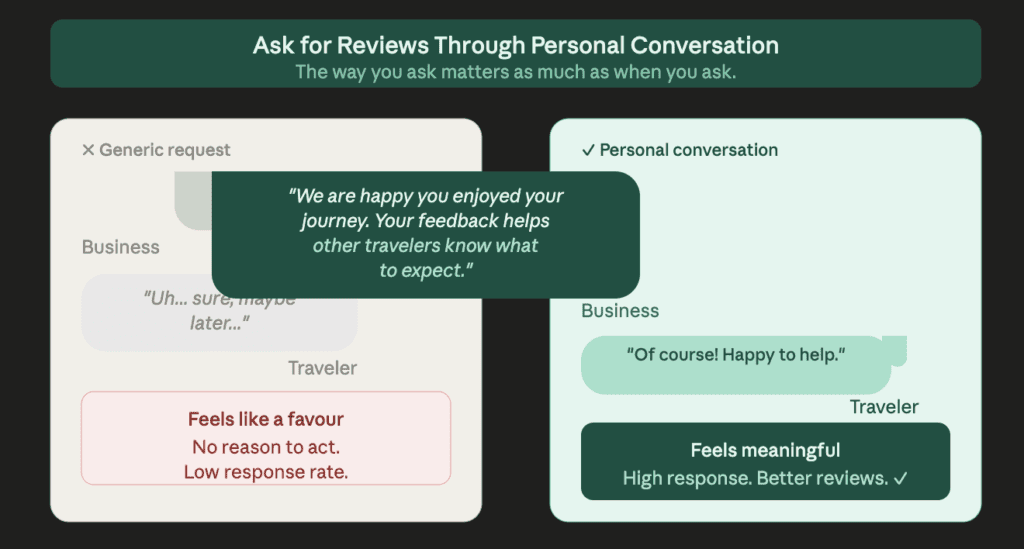
Star ratings alone can be deceiving. A hotel might have a 4.2 rating built up over five years, even though new management took over six months ago and let maintenance slip. On the flip side, a solid budget hotel might get dinged with a 1-star review from a guest complaining that a two-star property didn't have a swimming pool.
When reading reviews, use a simple filter to find the truth:
Sort by "Most Recent": Focus on feedback from the last three to six months. This tells you how the hotel is running right now.
Look for patterns, not one-offs: One person complaining about slow room service might just be a bad day. Five different guests mentioning "loud construction noise," "unhelpful reception," or "dirty washrooms" is a clear red flag.
Check how management responds: Polite, solution-oriented replies from the hotel team show that they actually care about guest satisfaction. Defensive or rude replies tell you exactly how they will treat you if something goes wrong during your stay.
6. Match the Amenities to Your Actual Trip
The smartest travellers don't pay for luxury they won't use, nor do they skip conveniences that make their specific trip smoother. Every journey has a different rhythm, and your hotel should match it.
Type of Trip | What Actually Matters Most | What You Can Safely Skip |
Solo Backpacking / Sightseeing | Safe neighbourhood, clean bed, strong Wi-Fi, easy access to public transit | Large rooms, room service, fancy lobbies, pools |
Family Vacation with Kids | Spacious rooms, complimentary breakfast, reliable A/C, quiet surroundings, lift access | Nightlife proximity, trendy co-working lounges |
Work / Business Travel | Fast and stable Wi-Fi, a proper desk and chair, power outlets near the bed, laundry service | Resort activities, large family suites |
Road Trip | Free and secure on-site parking, easy highway access, ground-floor or elevator access for luggage | Proximity to railway stations or bus stands |
Before booking, ask yourself one simple question: "How many waking hours will I actually spend inside this room?" If you are out exploring from 8:00 AM to 10:00 PM, a clean, safe, centrally located budget hotel is ideal. If you are planning a relaxing getaway where you want to unwind, read, and enjoy the property, investing in a nicer hotel with good dining and comfort makes complete sense.
7. A Simple 5-Step Checklist Before You Hit "Book"
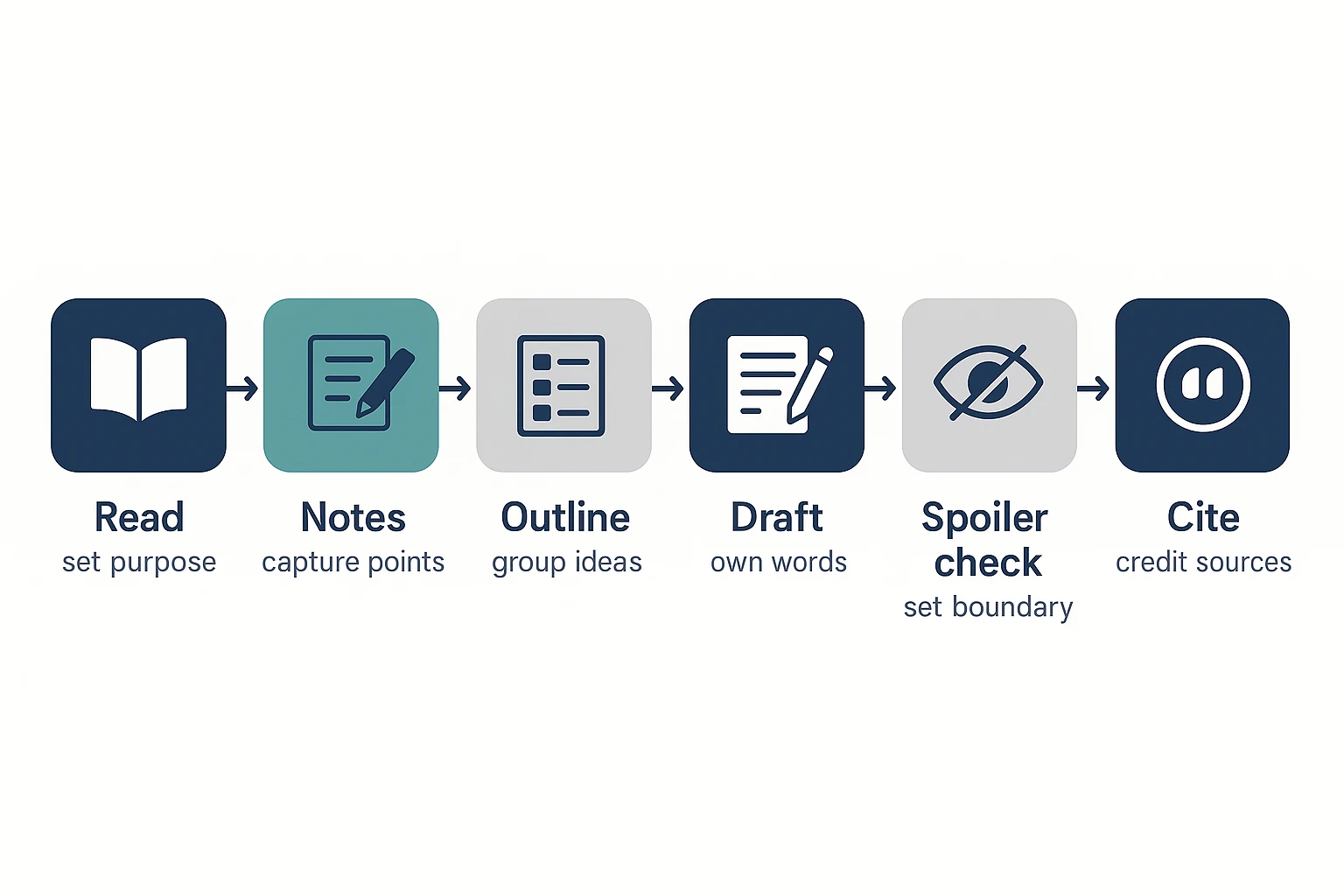
Next time you are comparing hotels online, run through this quick mental checklist before letting the lowest price win:
Calculate the true daily cost: Add the room rate, taxes, estimated breakfast cost, and daily cab/transit fare to the main attractions. Compare that total across your top three choices.
Check the map view: Make sure the hotel isn't stranded on a noisy highway or tucked deep inside a narrow lane where cabs refuse to enter.
Read 5–10 recent reviews: Scan specifically for keywords like clean, safe, staff, Wi-Fi, and noise.
Verify the bed and bathroom setup: Confirm whether you are getting a private attached bathroom, the right bed size, and basic climate control.
Cross-check the hotel's direct website or call them: Sometimes, calling the property directly or checking their own site gets you a better rate, free breakfast, or flexible check-in compared to third-party apps.
Bringing It All Together
Saving money while travelling is always smart, and there are plenty of wonderful, affordable hotels out there that offer warm hospitality and spotless rooms. The trick is making sure you are saving money for the right reasons—not cutting corners that end up costing you more in cabs, bad meals, and sleepless nights.
The best hotel for your trip is rarely the most expensive one on the list, and it is seldom the absolute cheapest. It is the place that sits in the sweet spot: fair pricing, honest reviews, a convenient location, and the exact comforts you need to wake up refreshed and ready to explore.
The lowest base price often excludes taxes, breakfast, and daily transport costs, which can make your overall trip much more expensive.
Booking a cheap hotel far from main attractions wastes valuable sightseeing time and adds steep daily cab or metro fares to your expenses.
Always look at the final payable amount, read recent guest reviews, and check unfiltered customer photos to verify room cleanliness.
Usually not, because paying slightly more for free cancellation protects your money if flights get delayed or travel plans suddenly change.
Focus only on facilities that fit your specific trip—like free parking for road trips or complimentary breakfast for family vacations—and skip luxury extras you won't use.
Sources and notes
Links the author listed for this post.
Based on general travel considerations, hotel booking practices, and accommodation comparison factors. The article shares practical insights into making smarter hotel choices while planning a trip.
- 1tripadvisor.com (opens in a new tab)
tripadvisor.com


Discussion
0 comments