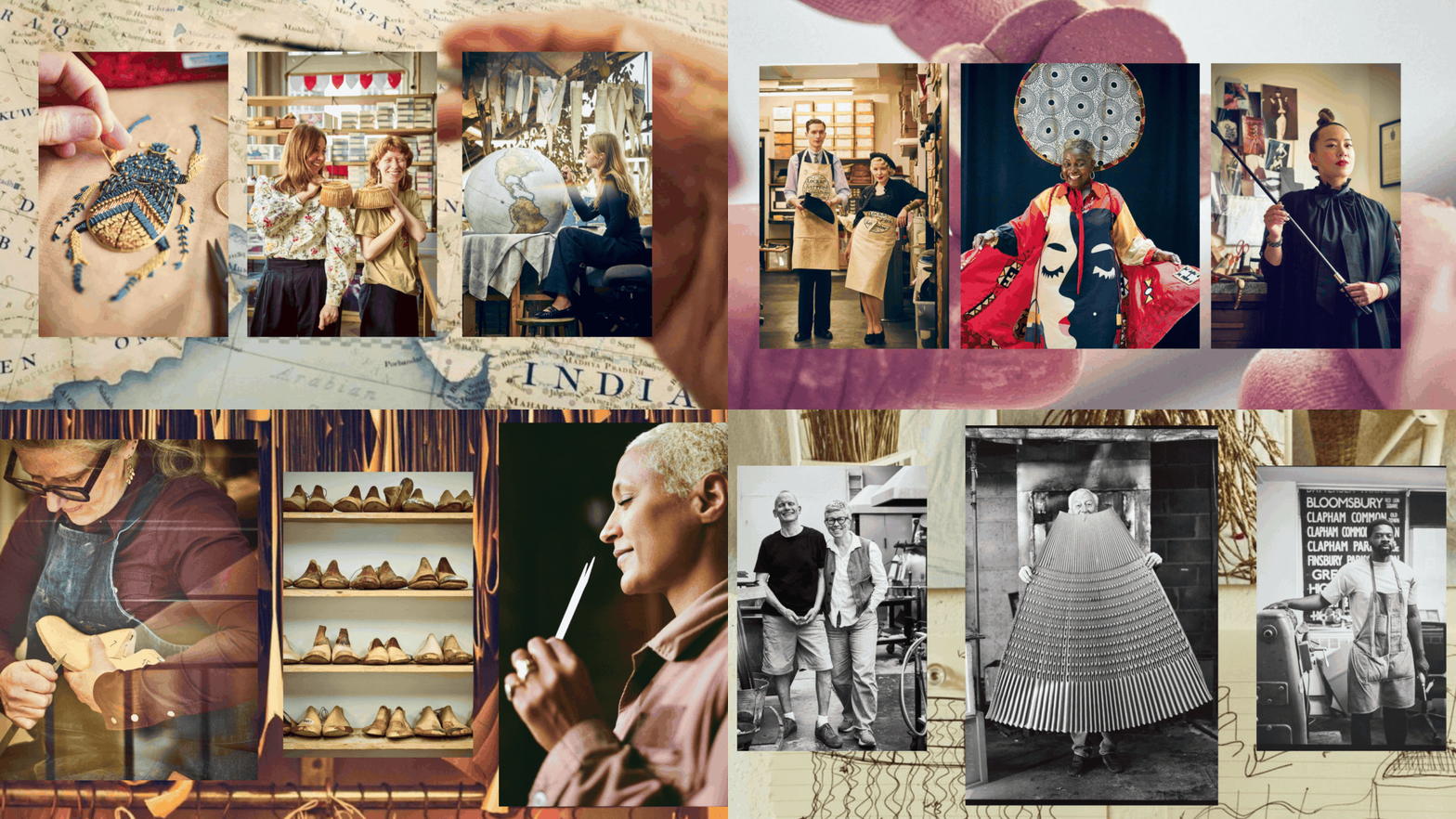
Have you ever bought something just because you liked the story behind it? Maybe it was a handmade bag from a local artist, a piece of jewellery made with traditional techniques, or a home decor item crafted from recycled materials. These products feel different from the things we usually see in big shopping stores. Their value isn't limited to how they look or what they cost. There is almost always a person, an idea, a tradition or a meaningful process behind them. And somehow, that little bit of backstory makes us hold on to them for much longer.
That's one big reason story-led products are getting so much attention these days. People want to know where their things come from, who makes them and what makes them special. Instead of picking yet another mass-produced item, many shoppers now look for products that reflect creativity, craftsmanship and their own values. It feels good to buy something when you know there's a real effort behind it. And honestly, that feeling is hard to get from a shelf full of identical items.
Mass-made goods still matter, of course. They're affordable, easy to find and come in plenty of designs. But story-led products give you something factories usually can't: a personal connection. Let's look at why this shift is happening.
What Are Story-Led Products?
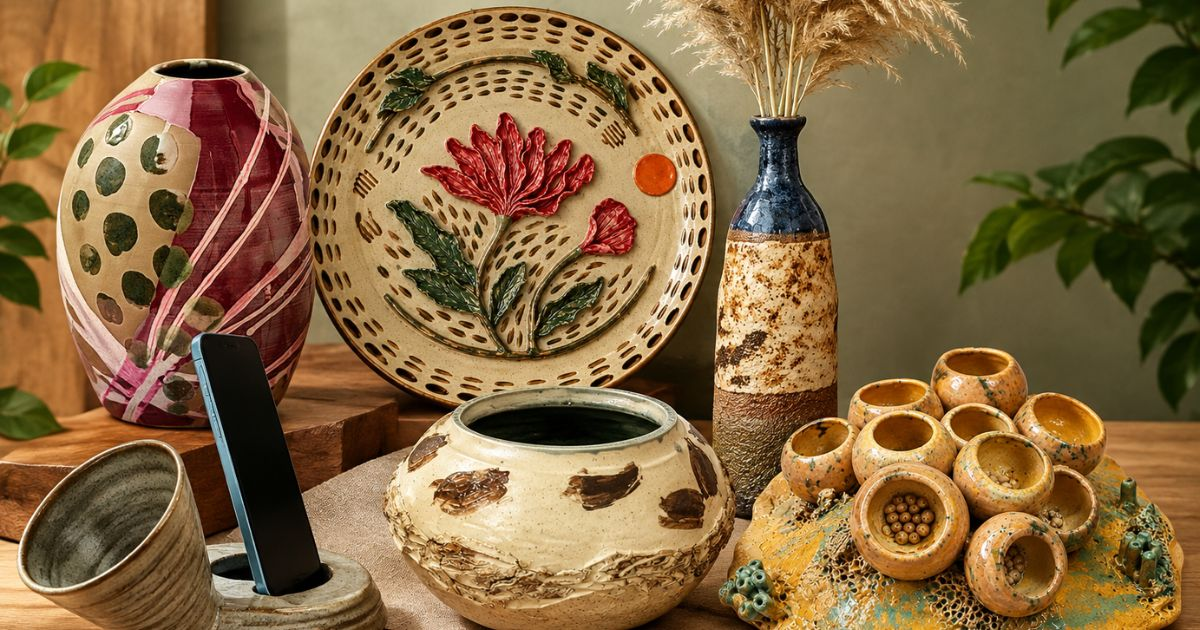
Story-led products carry a meaningful story about how they were made, why they exist, what they're made of or who made them. Their identity goes beyond their basic function. The story might be about traditional craftsmanship, local culture, sustainable materials or the personal journey of the maker.
Take two cotton bags. One comes out of a factory in huge quantities, while the other is handwoven by local artisans using traditional methods. Both can carry your daily essentials, but the second one has a deeper identity because you know something about the craft and the people behind it.
You can find story-led products in many categories, such as:
Handmade clothing and accessories
Locally produced home decor
Artisan jewellery
Organic skincare
Handcrafted furniture
Sustainable fashion
Traditional artwork and pottery
Recycled and upcycled lifestyle products
With these, customers aren't just buying an item. They're also backing an idea, a creative process or a community.
Why Are People Moving Away From Mass-Made Goods?
Mass production has made shopping convenient. You can find similar products in different stores, compare prices and order online within minutes. But convenience doesn't always create an emotional connection.
Many people now care about quality, originality and the values behind a brand. They want to understand what they're spending money on instead of choosing something only because it's cheap.
1. People Want a Personal Connection
A product feels more special when there's a story attached. Think about getting a handmade gift from a small business. Knowing someone spent time choosing materials, shaping the design and finishing it by hand makes the gift feel far more thoughtful.
That kind of emotional link is hard to create with ordinary mass-produced goods. A handmade ceramic mug, for example, may have small differences in shape or finish. Some buyers don't see these as flaws, they love them because they make each piece feel one of a kind.
2. Original Designs Feel More Exciting
One problem with mass-produced items is that similar designs show up everywhere. You buy a handbag or a lamp, and soon you spot the same one in a dozen other homes.
Story-led products offer a different experience. Independent creators play with colours, materials, patterns and techniques, and their designs may reflect regional traditions, personal inspiration or fresh artistic ideas. That gives you a better chance of finding something that matches your personality. Originality doesn't have to mean unusual or expensive either. Sometimes a simple handmade piece feels more interesting than a costly item made in thousands of copies.
3. Buyers Want to Know Where Things Come From
Transparency has become a big part of modern shopping. People ask about ingredients, materials, manufacturing and working conditions. Someone buying skincare wants to know what's inside it, and someone buying a wooden table may care where the wood came from.
Story-led brands often share these details through descriptions, packaging and behind-the-scenes content. Still, it's wise to check whether the claims are genuine, because a lovely brand story alone doesn't guarantee responsible production or good quality.
The Growing Importance of Handmade and Artisan Products
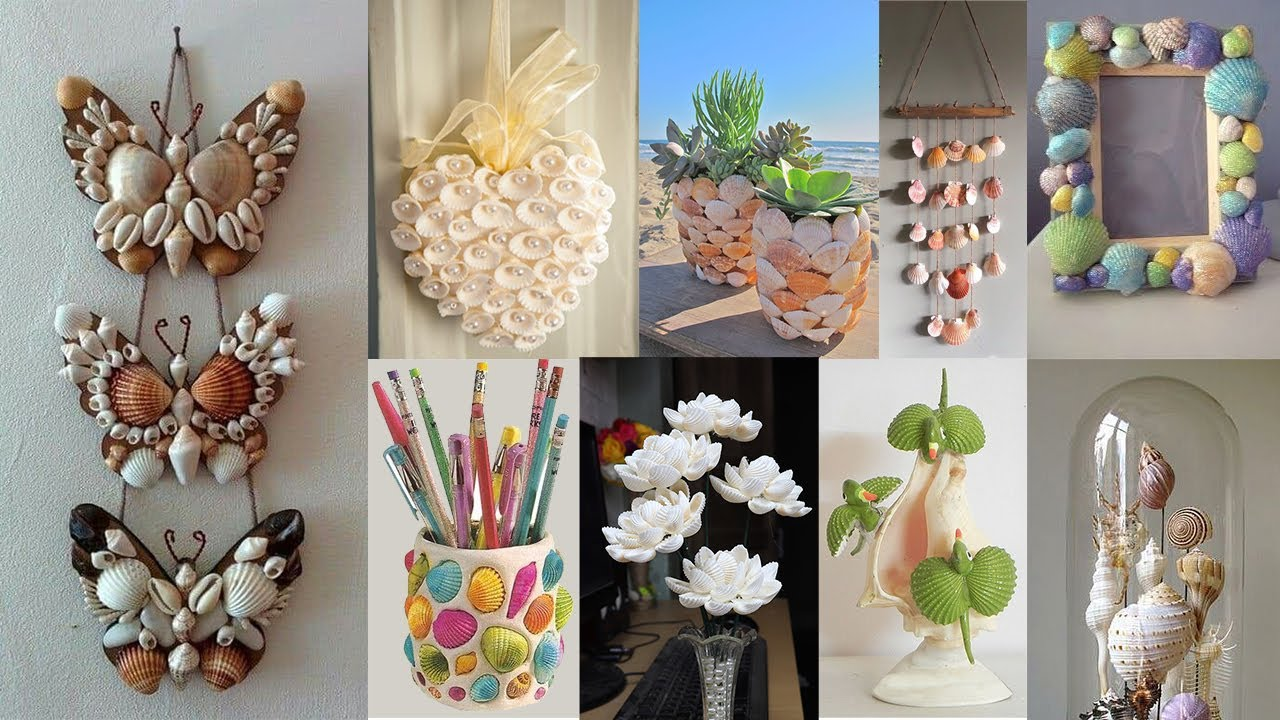
Handmade products have always been part of Indian culture. From pottery and handloom fabrics to wooden crafts and embroidered accessories, skilled artisans have passed their knowledge down through generations.
Today, these products are reaching new customers through online marketplaces, independent websites and social media. Someone in a big city can now discover handmade items made by artisans in smaller towns and villages, which opens new doors for traditional businesses that once relied mostly on local buyers.
Supporting Local Artisans and Small Businesses
When you buy directly from an artisan or small business, you help create opportunities for independent creators. A handwoven dupatta from a local weaving business, for instance, can support the people who prepare the fabric, design the patterns and finish the piece.
That said, not every small business automatically offers fair wages or ethical working conditions, so look for clear information about sourcing and production. Still, choosing genuine artisan products helps keep traditional skills visible in a market ruled by large manufacturers.
Story-Led Products and Sustainable Shopping
Sustainability is another reason these products are catching on. Many shoppers are more aware of how often they buy new things and what happens to unwanted items. Story-led brands often focus on recycled materials, natural fibres, traditional methods and smaller production runs.
1. Better Awareness of Materials
People are curious about what goes into the products they use. Someone shopping for home decor might pick a bamboo basket, a recycled fabric cushion or a handmade clay planter to avoid certain plastics. Just remember to check the actual materials and process instead of trusting attractive sustainability labels.
2. Buying Fewer but More Meaningful Items
Some consumers are moving towards thoughtful shopping instead of buying something new every time a trend appears. Imagine owning one well-made leather wallet that suits you, rather than replacing cheap wallets again and again. If it's durable and cared for properly, it may give better value in the long run. But handmade doesn't always mean longer-lasting, so material quality and construction still matter.
3. Reducing Unnecessary Consumption
Products with a clear purpose and meaningful design make people pause before buying. Instead of picking up several decorative pieces that end up unused, a customer might choose one handcrafted item that truly fits their home and taste. That's how story-led shopping connects with more conscious habits.
How Social Media Helps Story-Led Brands Grow
Social media has changed how people find products. Earlier, small creators struggled to reach buyers outside their own area. Now platforms like Instagram, Pinterest and YouTube let independent brands show their work to much wider audiences.
Short videos of the making process are especially popular. People enjoy watching a potter shape clay, an artisan create embroidery or recycled materials turn into useful home accessories. These behind-the-scenes moments help customers understand the effort involved.
The Role of Brand Storytelling
A strong brand story gives customers a reason to remember you. A small clothing brand might explain how it works with local textile makers, or a decor business might share the inspiration behind its handmade collections. This works best when it includes real information instead of exaggerated claims. People appreciate honest stories about the people, materials and creative choices behind a product.
Story-Led Products vs Mass-Made Goods
Both categories meet different needs. The right choice depends on your budget, lifestyle, quality expectations and personal taste.
Comparison | Story-Led Products | Mass-Made Goods |
|---|---|---|
Production | Often handmade or small-batch | Usually large-scale manufacturing |
Design | Can offer distinctive designs | Often follows standard designs |
Availability | Sometimes limited | Generally widely available |
Pricing | Can be more expensive | Often available at lower prices |
Personal connection | Often stronger storytelling | Usually focuses on product features |
Customisation | May offer personalised options | Usually limited |
Production story | Often highlights makers and materials | Focuses more on manufacturing and distribution |
Neither option is better in every situation. Mass-produced goods work well for affordable everyday essentials, while story-led products suit buyers who value originality, craftsmanship and a link with the maker.
What Should You Check Before Buying Story-Led Products?
The Future of Story-Led Shopping
The growing interest in story-led products points to a wider change in shopping habits. People aren't leaving mass-produced goods behind completely, but many are becoming more selective about what they buy.
Small brands, independent designers and traditional artisans have a real chance to connect with customers who value their work. Larger companies are also starting to see the importance of transparency and meaningful brand communication. In the coming years, shoppers may pay even more attention to product origins, manufacturing practices and the people behind their favourite brands. Technology will help too, with QR codes, digital product details and online maker profiles making it easier to learn how things are created.
For brands, the biggest challenge will be staying honest. A good story can never replace solid craftsmanship, reliable quality or responsible business practices.
Conclusion
People choose story-led products over mass-made goods because shopping is now about more than price and convenience. Buyers want originality, personal connection, craftsmanship and a better understanding of what they bring into their lives.
A handmade accessory, a locally crafted decor piece or a thoughtfully designed outfit feels more meaningful when you know the effort and creativity behind it. Mass-produced goods will stay important for everyday needs, but story-led products offer a different kind of value, letting you support independent creators, appreciate traditional skills and shop more thoughtfully.
In the end, the best purchase isn't always the most expensive or the most unusual one. It's the product that offers real quality, serves a real purpose and gives you a good reason to choose it.
Products with a meaningful story about their makers, materials or creation.
They offer originality, personal connection and unique designs.
Some cost more because of skilled labour and handmade production.
Not always. Sustainability depends on materials and production methods.
Check the maker's details, product quality, materials and customer reviews.
Sources and notes
Links the author listed for this post.
This article is based on general research into consumer shopping habits, handmade products, artisan craftsmanship, sustainable shopping and modern brand storytelling. Examples are provided for informational purposes.
- 1


Discussion
0 comments