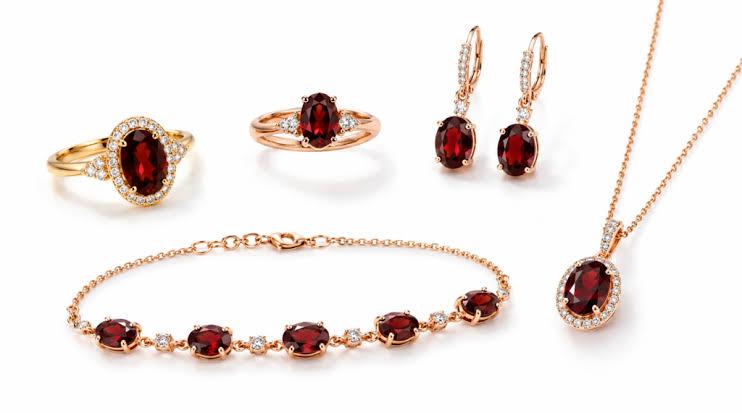
Gemstone jewellery is a beautiful way to add colour, elegance, and personality to everyday outfits. Whether it is a simple ring, a delicate necklace, or a pair of stylish earrings, the right gemstone can make even a basic look feel special. From sparkling diamonds to colourful sapphires and soft-toned aquamarines, there are many gemstones that can complement different fashion styles.
However, choosing gemstones for everyday jewellery requires more attention than selecting a stone based only on its appearance. Daily jewellery is exposed to regular movement, accidental knocks, dust, cosmetics, and environmental conditions. Therefore, durability, maintenance, comfort, and personal preferences should all be considered before making a purchase.
Some gemstones are naturally harder and more resistant to scratches, while others need extra care to maintain their beauty. Understanding these differences can help you select jewellery that looks attractive and remains suitable for regular use.
Why Choose Gemstones for Everyday Jewellery?
Gemstones have remained popular in jewellery because of their unique colours, natural patterns, and timeless appeal. They offer more variety than traditional plain-metal jewellery and can suit both casual and formal occasions.
One of the biggest advantages of gemstone jewellery is its versatility. A simple sapphire pendant can look elegant with office clothing, while small diamond earrings can complement almost any outfit. Colourful gemstones can also help express individual style without requiring complicated accessories.
Another reason people prefer gemstone jewellery is the wide range of designs available. From affordable gemstone pieces to luxurious fine jewellery, there are options for different budgets and preferences.
1. Diamond: A Classic Choice for Daily Wear
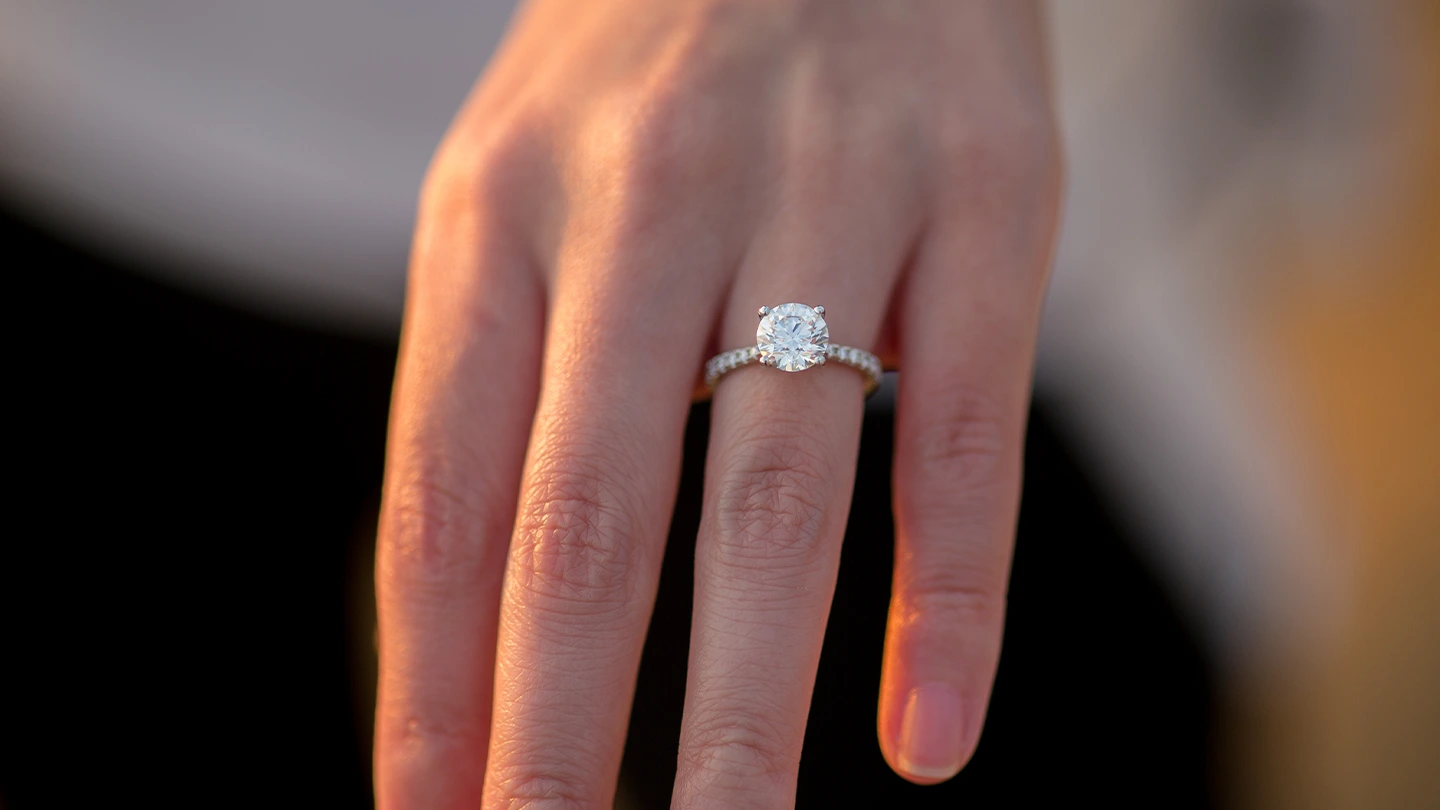
Diamonds are among the most popular gemstones for everyday jewellery because of their brilliance and exceptional hardness. They have a rating of 10 on the Mohs hardness scale, making them highly resistant to scratches.
Their timeless appearance makes diamonds suitable for different jewellery styles, including rings, bracelets, necklaces, and earrings. Small diamond studs and simple pendants are especially popular because they can be worn with both casual and professional outfits.
Although diamonds are extremely hard, they are not completely damage-proof. Strong impacts can cause chipping, particularly around sharp edges. Regular cleaning and proper storage can help maintain their shine.
2. Sapphire: Beauty with Excellent Durability
Sapphire is another excellent gemstone for people who want colourful jewellery that can handle regular use. Blue is its most recognised colour, but sapphires are also available in pink, yellow, green, and other shades.
With a hardness rating of 9 on the Mohs scale, sapphires are suitable for everyday rings, earrings, and pendants. Their rich colours make them attractive without requiring overly complicated designs.
Blue sapphire jewellery works beautifully with silver, white gold, and yellow gold settings. People who prefer something different can explore pink or yellow sapphire designs for a fresh appearance.
3. Ruby: Elegant and Eye-Catching
Ruby is known for its rich red colour and luxurious appearance. It belongs to the same mineral family as sapphire and has a hardness rating of 9 on the Mohs scale.
This makes ruby a practical gemstone for regular jewellery when it is properly set and maintained. Ruby rings, small earrings, and delicate pendants can add a bold touch to everyday fashion.
The gemstone looks particularly attractive in gold settings and can complement both traditional and modern clothing. Its strong colour also makes it a good option for people who enjoy statement accessories.
4. Aquamarine: Soft and Refreshing Beauty
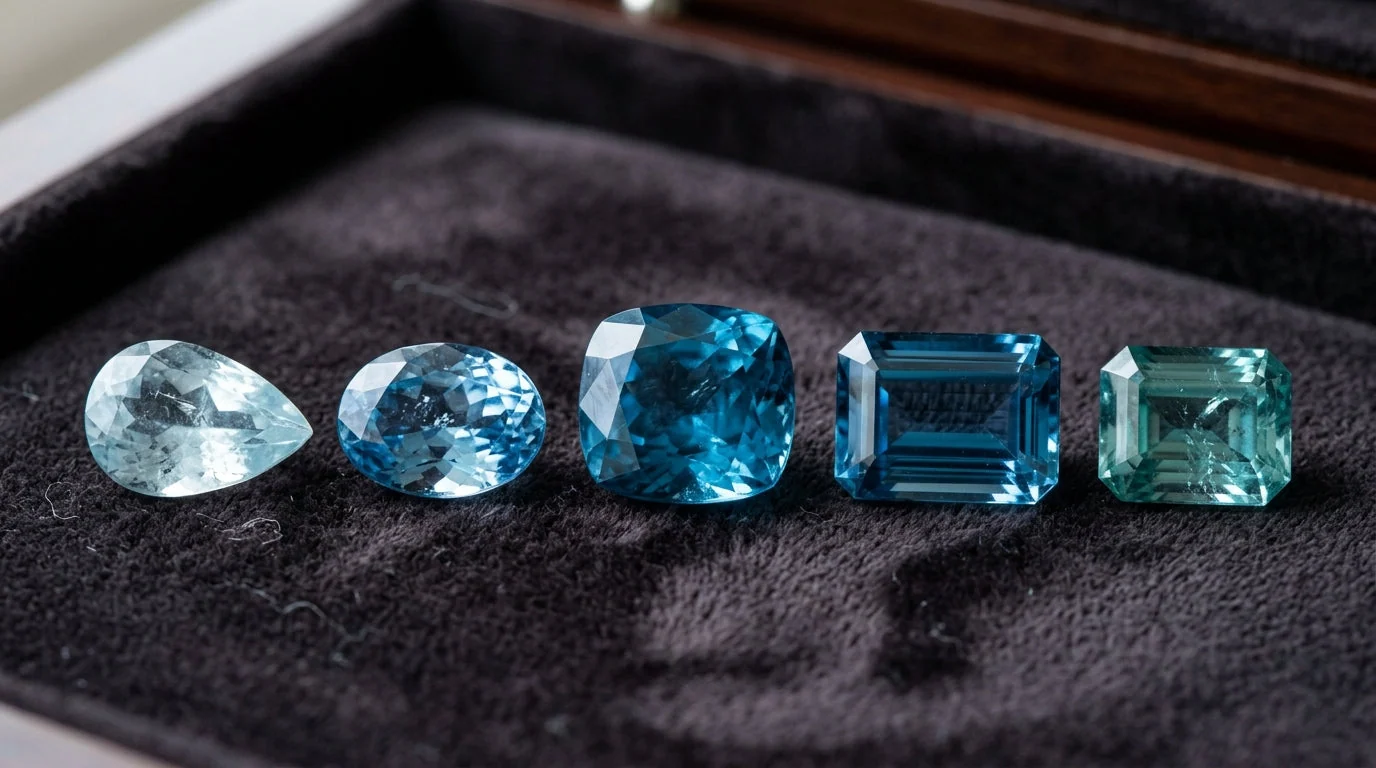
Aquamarine is admired for its light blue and blue-green shades. Its appearance creates a calm, refreshing look that works well with simple jewellery designs.
It has a hardness rating of approximately 7.5 to 8, making it reasonably suitable for everyday jewellery. However, it should still be protected from strong impacts and rough handling.
Aquamarine earrings and pendants are especially practical because they generally experience less physical contact than rings. Its delicate colour also makes it easy to pair with neutral outfits and minimal accessories.
5. Amethyst: Affordable and Colourful
Amethyst is a popular purple gemstone that offers an attractive appearance at a relatively accessible price. Its colour ranges from light lavender to deep violet, giving jewellery designers plenty of creative options.
With a hardness rating of 7 on the Mohs scale, amethyst is suitable for regular use with reasonable care. It is commonly used in rings, necklaces, bracelets, and earrings.
Amethyst jewellery looks beautiful in both silver and gold settings. However, it should be protected from hard impacts, harsh chemicals, and prolonged exposure to intense sunlight.
6. Topaz: A Versatile Gemstone for Modern Jewellery
Topaz is available in several colours, including blue, yellow, pink, and colourless varieties. Blue topaz is particularly popular for contemporary jewellery designs.
It has a hardness rating of 8 on the Mohs scale, which makes it relatively scratch-resistant. However, topaz has perfect cleavage, so a strong impact can cause it to split.
Simple topaz pendants and earrings are good options for people who want colourful accessories. Its different shades also make it easy to match with various clothing styles.
7. Garnet: Rich Colour for Everyday Styling
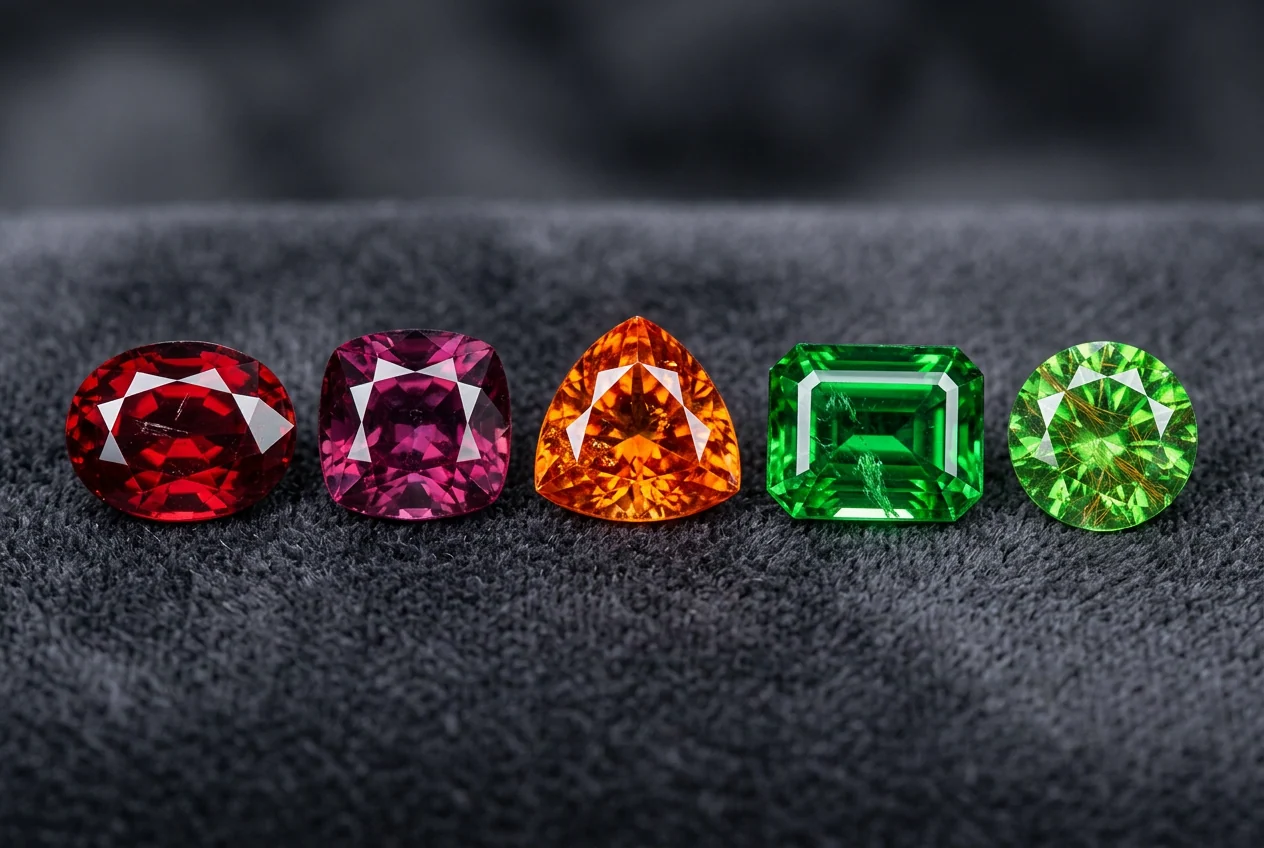
Garnet is commonly associated with deep red shades, although it is also available in green, orange, and other colours. Its rich appearance makes it an attractive option for people who prefer warm-toned jewellery.
Depending on the variety, garnet generally has a hardness rating between 6.5 and 7.5. This means it can be worn regularly with suitable care, although it is not as scratch-resistant as diamonds or sapphires.
Garnet earrings and pendants are particularly suitable for daily styling. Gold settings can enhance its warm appearance and create a timeless jewellery design.
8. Emerald: A Beautiful Green Gemstone
Emeralds are famous for their rich green colour and luxurious appearance. They are often used in rings, earrings, bracelets, and necklaces.
Although emeralds have a hardness rating of approximately 7.5 to 8, natural inclusions and internal fractures can make them more vulnerable to damage. Their durability depends on the individual stone and its condition.
For everyday jewellery, emerald earrings and pendants are generally more practical than rings. They should be handled carefully and cleaned according to professional recommendations.
9. Peridot: Fresh and Natural Appeal
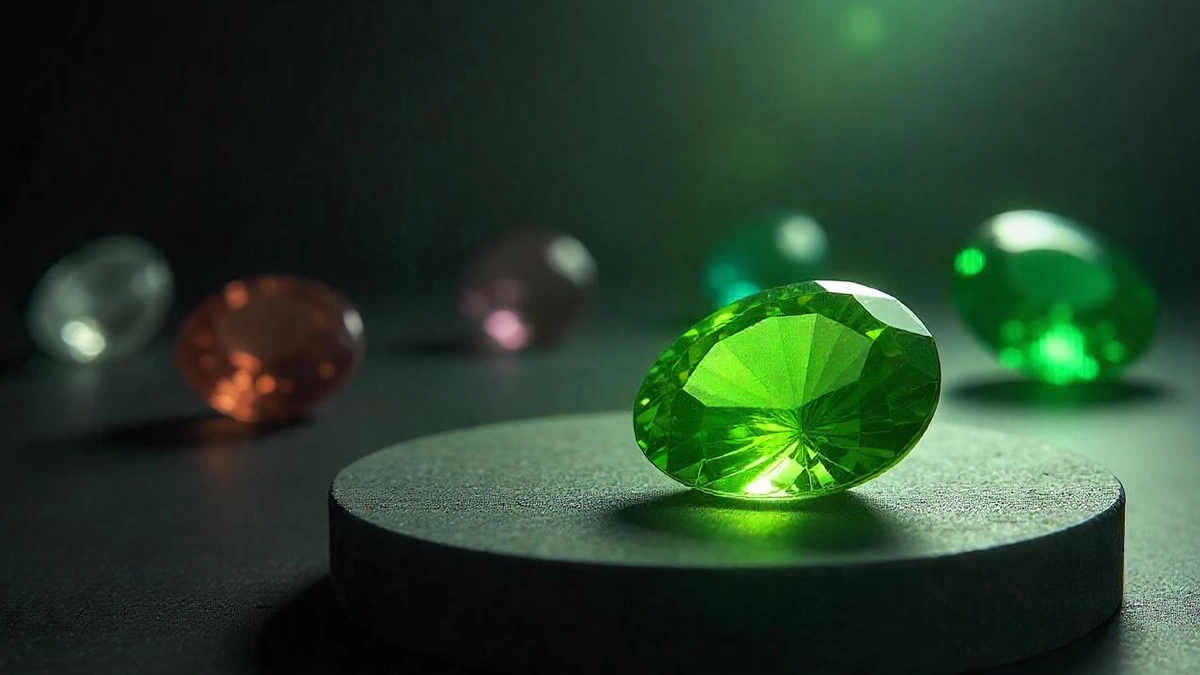
Peridot is known for its bright green and olive-green shades. Unlike many gemstones that come in a wide range of colours, peridot is mainly recognised by its distinctive green appearance.
It has a hardness rating of approximately 6.5 to 7, making it suitable for jewellery that receives moderate use. However, it can be scratched or damaged by strong impacts.
Peridot works well in delicate earrings and pendants. Its refreshing colour makes it an interesting choice for people who enjoy natural-looking and colourful accessories.
10. Moonstone: Delicate and Elegant
Moonstone is appreciated for its soft appearance and beautiful glowing effect. It commonly features white, cream, grey, or peach shades, sometimes with a blue sheen.
It has a hardness rating of approximately 6 to 6.5 on the Mohs scale, which means it requires more careful handling than harder gemstones.
Moonstone is especially attractive in minimalist earrings and necklaces. It is a lovely choice for people who prefer subtle jewellery, although it may not be the most practical option for rings worn during demanding daily activities.
How to Choose the Best Gemstone for Everyday Jewellery
Selecting the right gemstone depends on your lifestyle, budget, and jewellery preferences. Before purchasing, consider how often you plan to wear the piece and what activities you usually perform.
Check the Hardness: Gemstones with higher hardness ratings generally offer better scratch resistance. Diamonds, sapphires, and rubies are strong options for jewellery that receives frequent use.
Consider the Jewellery Type: Rings experience more contact with surfaces than earrings and pendants. If you prefer softer gemstones, consider choosing designs that are less exposed to accidental impacts.
Choose a Suitable Setting: A secure setting helps protect gemstones from accidental damage. Bezel settings, for example, can provide additional protection around a stone's edges.
Think About Your Budget: Gemstone prices vary depending on quality, colour, size, origin, treatments, and rarity. Compare different options before making a purchase.
Understand Maintenance Requirements: Some gemstones need special cleaning methods and careful storage. Ask the jeweller about treatments and recommended maintenance before buying.
Tips to Maintain Gemstone Jewellery
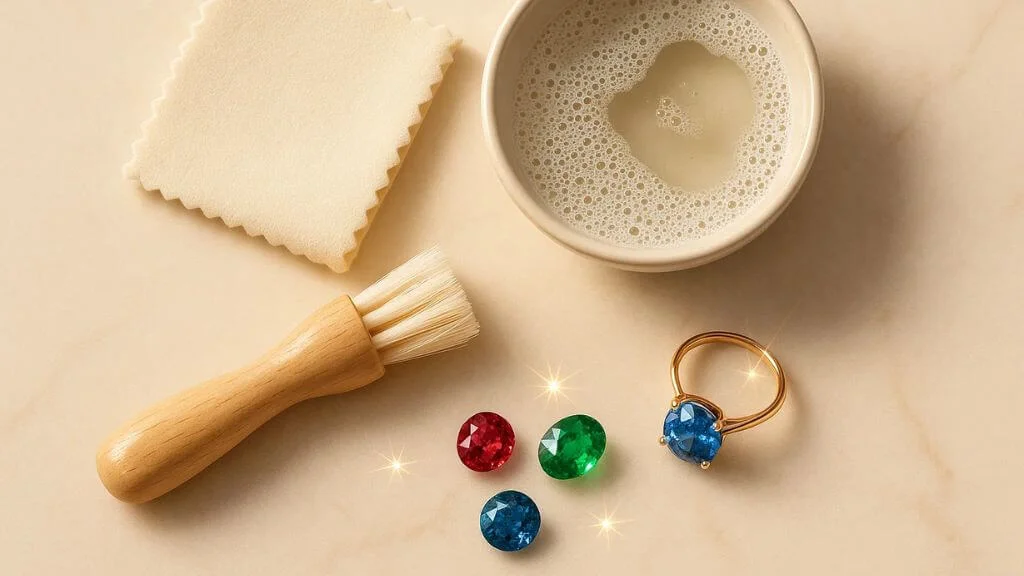
Proper care can help gemstone jewellery retain its appearance for years. Even durable gemstones need attention, especially when worn frequently.
Clean jewellery with a soft cloth and use a cleaning method recommended for the particular gemstone. Avoid harsh chemicals, household cleaners, and unsuitable cleaning equipment.
Remove rings and bracelets before exercising, gardening, swimming, or performing household work. These activities can expose jewellery to impacts, chemicals, and scratches.
Store different jewellery pieces separately in soft pouches or a lined jewellery box. This helps prevent harder gemstones from scratching softer ones.
It is also useful to inspect jewellery settings regularly. If a gemstone becomes loose or the metal setting appears damaged, visit a professional jeweller for repair.
Conclusion
The best gemstones for everyday jewellery are those that combine attractive designs, suitable durability, and manageable maintenance requirements. Diamonds, sapphires, and rubies are excellent options for people who prefer harder gemstones, while aquamarine, amethyst, topaz, and garnet offer beautiful alternatives for different styles and budgets.
Your daily routine should influence your choice. If you need jewellery that can handle frequent use, focus on durable gemstones and secure settings. If you prefer delicate designs, softer gemstones can also be suitable when worn carefully.
Diamonds, sapphires, and rubies are excellent choices because of their high durability.
Yes, but emeralds require extra care because they can be vulnerable to cracks and impacts.
Amethyst, garnet, and some varieties of topaz are relatively affordable options.
Yes, many gemstones are suitable for daily wear when properly set and maintained.
Use a soft cloth and a gemstone-appropriate cleaning method recommended by your jeweller.
Sources and notes
Links the author listed for this post.
Information is based on general gemstone knowledge, jewellery industry resources, gemstone durability standards, and the Mohs hardness scale. Readers are encouraged to consult certified jewellers or gemologists for detailed gemstone information and purchasing guidance.


Discussion
0 comments