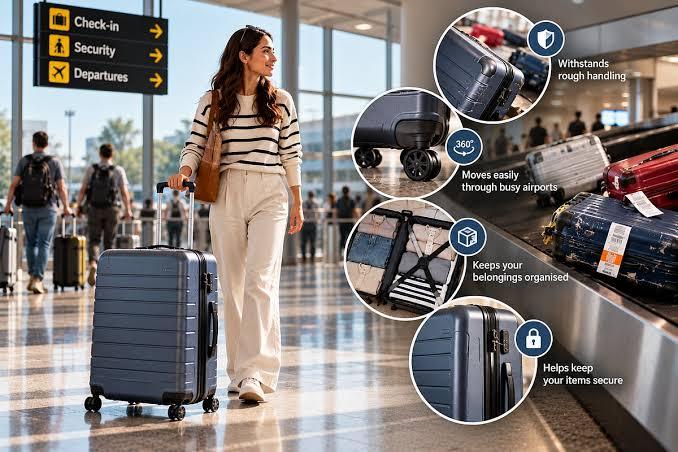
A friend of mine flies almost every month for work, and for years she bought the cheapest suitcase she could find. Every few trips, a wheel snapped or a zip split, and she'd be dragging a bag through an airport like it was a stubborn animal. After the third replacement in two years, she did the maths and realised she'd spent more on cheap bags than a good one would have cost.
If you travel often, luggage isn't just a container. It's a tool you'll use hard, over and over. Here's what to look for so your next bag lasts and makes every trip easier.
Start With How You Travel

Before looking at brands or features, think about your habits. A weekend traveller who flies carry-on only needs something very different from someone who checks bags for long trips.
Do you mostly fly with carry-on, or check bags?
Are your trips short and frequent, or long and occasional?
Do you walk long distances, take trains or climb stairs?
Do you travel for work and need to look polished?
Your answers will guide almost every other decision. Frequent short-trip travellers often benefit most from one excellent carry-on, while those on longer trips may want a medium check-in bag as well.
Size and Weight: Check Airline Rules First
Airlines have different limits for carry-on size and weight, and some budget airlines are strict about both. A bag that fits one airline's rules may not fit another's. Check the dimensions and weight limits for the airlines you use most, and measure the bag including wheels and handles.
The empty weight of the bag matters too. A heavy suitcase eats into your allowance before you've packed anything. Lightweight materials let you carry more of your own things within the limit.
Feature | What to Check | Why It Matters |
|---|---|---|
Carry-on dimensions | Match your usual airlines' limits | Avoids last-minute gate-check fees |
Empty weight | Lower is better | Leaves more of your weight allowance for belongings |
Capacity | Choose the size you'll actually fill | An oversized bag encourages overpacking |
Expandability | Optional zip to add space | Handy for return trips with extra items |
Strict-airline fit | Check cabin bag rules for budget carriers | Some have smaller limits than major airlines |
Hardshell vs Softshell
This is one of the biggest choices, and neither type is always better.
Hardshell cases
Made from materials like polycarbonate or ABS plastic, hardshell suitcases protect fragile items and resist water. They look sleek and are easy to wipe clean. The downside is that they don't squeeze into tight spaces, and scratches show up over time. Polycarbonate is usually lighter and more flexible than cheaper ABS.
Softshell cases
Made from fabric like ballistic nylon or polyester, softshell bags have a bit of give, so they can be squeezed into overhead bins and often have handy outside pockets. They handle knocks well, though they can soak up rain unless the fabric is treated and can be harder to clean.
Quick card: A simple rule of thumb
If you carry fragile things or want easy cleaning, lean towards hardshell. If you pack tightly and love outside pockets, lean towards softshell.
Wheels, Handles and Zips: The Parts That Break First
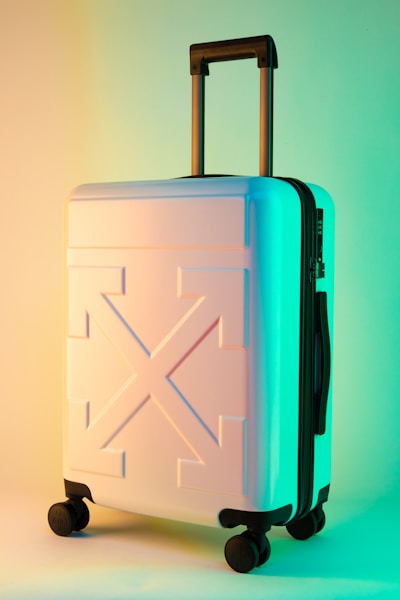 1. Strong Wheels
2. Firm base
3. Easy turn
4. Strong fit
5. Less noise
6. Durable build
💡 Trick
Test wheels before buying.
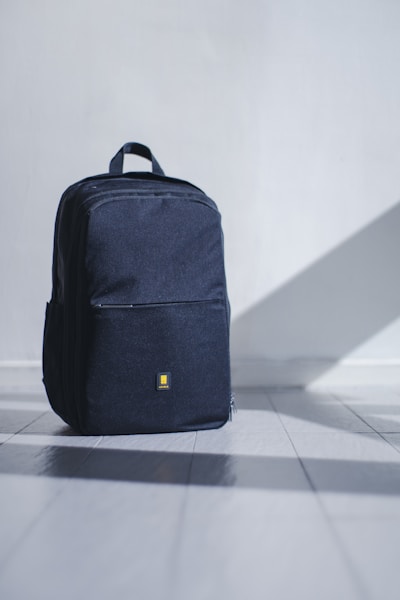 2. Firm Handles
2. Metal rods
3. Easy slide
4. Secure lock
5. Good height
6. Firm support
💡 Trick
Extend the handle several times.
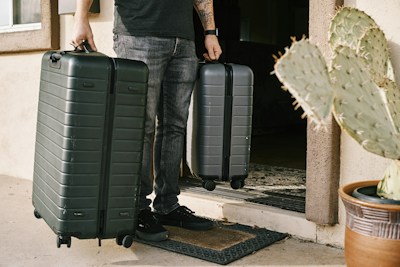 3. Quality Zips
2. Smooth slide
3. Firm pulls
4. Good stitching
5. Secure close
6. No gaps
💡 Trick
Open and close every zipper.
4. Strong Corners
2. Strong shell
3. Firm joints
4. Good finish
5. No cracks
6. Quality frame
💡 Trick
Inspect corners for weak spots.
 5. Easy Repairs
2. Fix handles
3. Repair zips
4. Spare parts
5. Service support
6. Repair cost
💡 Trick
Check replacement part availability.
 6. Check Warranty
2. Handle cover
3. Zip cover
4. Repair rules
5. Claim process
6. Validity period
💡 Trick
Read warranty exclusions carefully.
Frequent travellers quickly learn that the weak points are usually the small, moving parts. Pay attention to them in the shop.
Wheels: Four-wheel spinners glide easily and turn in any direction, while two-wheel designs are often sturdier on rough ground. Look for smooth, quiet wheels that feel solid, ideally recessed so they're protected.
Handles: The telescopic handle should feel firm, with no wobble, and lock at several heights. Try it at your own height.
Zips: Large, chunky zips from reputable makers hold up better. Check that they run smoothly with no snagging.
Handles on the sides and top: These make lifting into overhead bins and taxis much easier.
Give the bag a gentle shake and push it along. If something already feels loose in the shop, it won't improve with age.
Organisation and Interior Design
A well-organised interior makes packing quicker and keeps your clothes in better condition. Look for compression straps, zipped dividers and a few mesh pockets. A separate compartment for dirty laundry or shoes can be surprisingly useful.
Frequent business travellers may want a bag with a quick-access pocket for a laptop or documents, so they don't have to open the whole case at security. If you often pack suits or dresses, check how well the case handles folded garments.
Durability and Warranty

If you travel frequently, durability matters more than a trendy colour. Look at stitching, corner protection and the thickness of the material. A good warranty is also a strong signal, since brands that trust their bags are willing to cover them.
Read what the warranty actually covers. Some cover manufacturing faults but not damage by airlines, and some include free or low-cost repairs for wheels and handles. A brand that sells replacement parts makes it easier to keep one bag for many years.
How to use this guide
Start with the outcome. Decide what you need from what frequent travellers should look & when choosing luggage.
Check the important details. Review the examples, warnings, and linked resources.
Take action. Apply the best option and save the result for later use.
Security and Smart Features
A few extras can make a real difference. Look for built-in locks, ideally ones approved for airport inspection, so staff can open them without breaking the case. A small tracker tucked inside your bag helps you find it if it goes missing, and a bright strap or tag makes it easy to spot on a busy baggage belt.
Some suitcases include removable power bank pockets or USB ports. Check airline rules for batteries before relying on these, because many airlines have specific requirements about carrying them.
Price vs Value
Frequent travellers should think about cost per trip, not just the price tag. A well-made bag that costs more but lasts eight years is often cheaper than replacing a budget bag every two years.
Budget Level | What You Can Expect | Best For |
|---|---|---|
Low | Basic features, shorter life | Occasional travellers |
Mid-range | Good wheels, zips and warranty | Regular travellers on a budget |
Premium | Lightweight, durable, repairable | Frequent flyers and business travellers |
Second-hand or refurbished | Good quality at lower cost | Careful shoppers who inspect closely |
Convertible or hybrid | Works as a bag and a backpack | Travellers who walk a lot or use varied transport |
Mistakes Frequent Travellers Make
Even experienced travellers slip up, usually from buying in a hurry.
Choosing a bag by looks without testing the wheels and handle
Buying a size that's too big, then filling it and exceeding weight limits
Ignoring the empty weight of the suitcase
Forgetting to check the warranty terms
Skipping a quick test of the zip and extending handle
Final Thoughts
For frequent travellers, the right luggage is light, strong, well-organised and easy to handle. Think about how you really travel, check airline limits, choose between hardshell and softshell, and pay close attention to wheels, handles, zips and warranty. Spending a bit more on a good bag usually saves money and stress over time.
My friend finally bought a mid-range, lightweight spinner with a strong warranty. Three years later, it's still going strong, and she says the best thing about it is how boring her airport trips have become. No broken wheels, no drama, just a bag that quietly does its job.
FAQ's
Frequent travellers should consider durability, lightweight construction, storage capacity, smooth wheels, comfortable handles, and security features.
Polycarbonate is a popular lightweight and impact-resistant option, while nylon and polyester are common choices for soft-sided luggage.
Yes. Lightweight luggage is easier to carry and helps travellers make better use of airline baggage weight limits.
Spinner wheels allow luggage to move in different directions, making it easier to navigate airports, hotels, and crowded spaces.
Choose luggage based on your trip duration, packing needs, travel habits, and the baggage size and weight limits of your airline.
Sources and notes
Links the author listed for this post.
Product specifications and luggage guidelines should be checked through manufacturer websites, airline baggage policies, and reliable travel resources.


Discussion
0 comments